
How To Protect Dog From Parasites: Vet-Approved Tips 2026
Keep your pup safe with vet-approved tips. Learn how to protect dog from parasites, spot warning signs, and pick the best preventatives for year-round health.
Use year-round preventives, regular vet checks, clean spaces, and smart outdoor habits.
You want a healthy, happy dog. I’ve spent years helping families learn how to protect dog from parasites with simple steps that actually work. In this guide, I’ll break down proven tools, everyday routines, and pro tips. You’ll learn how to protect dog from parasites at home, on the trail, and in every season—without guesswork.

Understanding dog parasites and why prevention matters
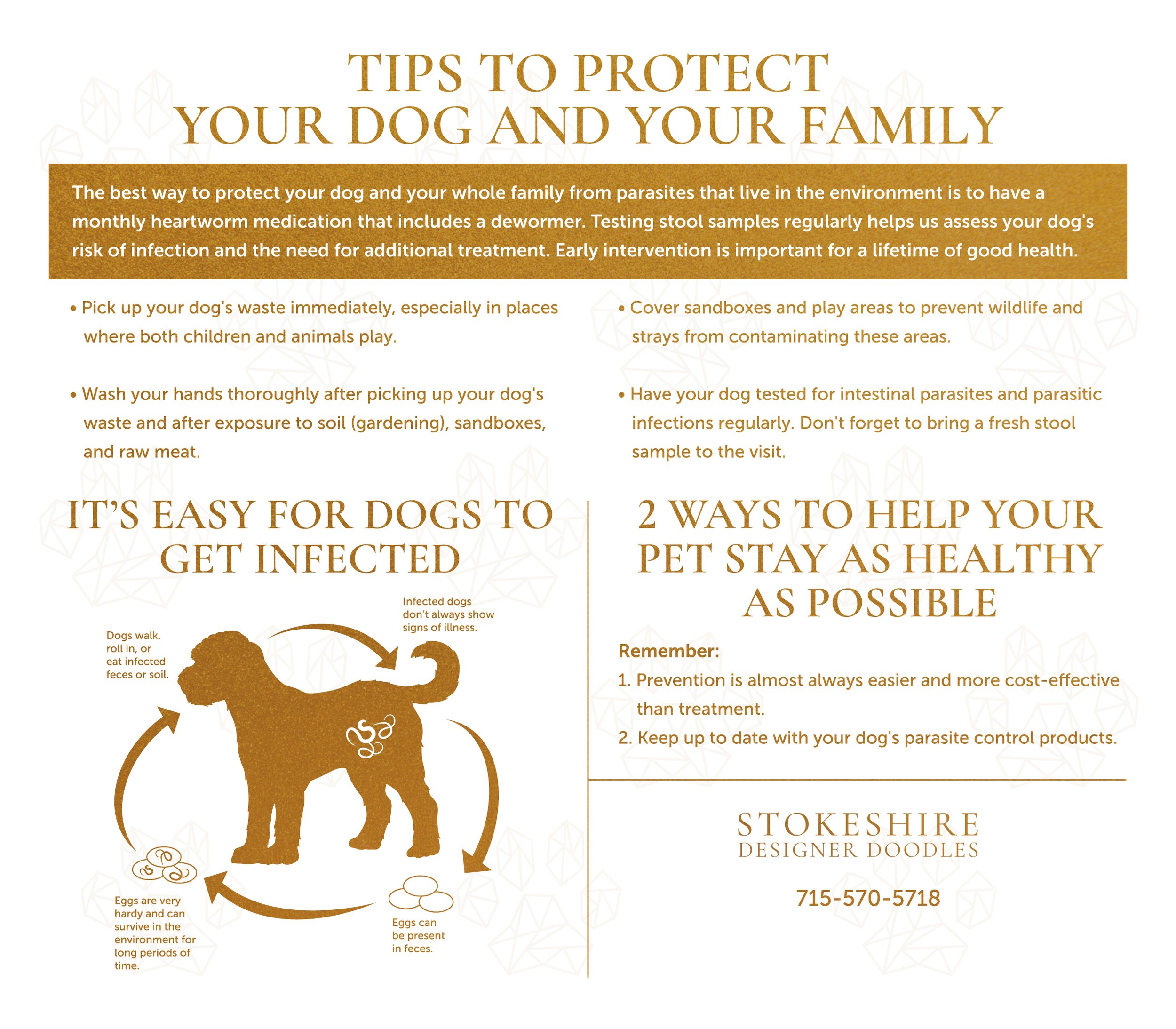
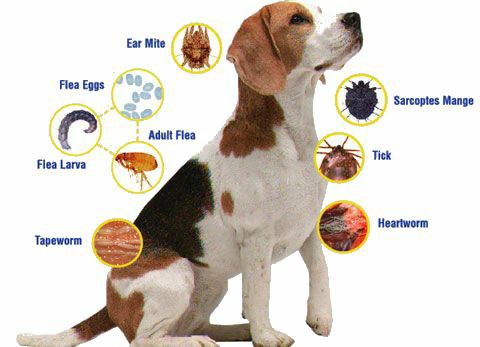
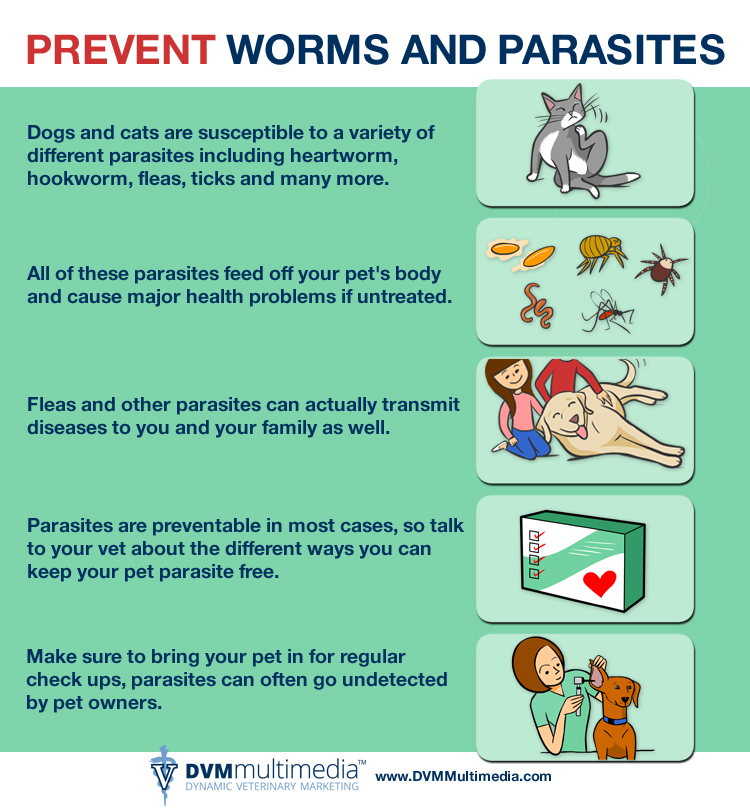
Parasites come in two groups. External pests include fleas, ticks, and mites. Internal ones include roundworms, hookworms, whipworms, tapeworms, and heartworms. Each can harm your dog in a different way.
Fleas and ticks cause itch, skin sores, and even anemia. Ticks also spread diseases. Worms can steal nutrients and hurt the gut. Heartworms live in the lungs and heart and can be deadly.
Most infections start small and silent. That is why early action is key. If you want a strong plan on how to protect dog from parasites, you need to think year-round and act before you see signs.

Build a prevention plan with your vet
A good plan is simple, steady, and local. Risk changes by your area, weather, and your dog’s life. Your vet knows the local bugs and the best tools.
Use this quick plan:
- Book a wellness exam once a year. Twice a year for seniors or high-risk dogs.
- Ask for a fecal test at least once a year. More often for puppies or dogs who eat poop, hunt, or go to day care.
- Test for heartworm once a year. Keep dogs on prevention all year, even in winter.
- Make a written schedule. Set phone reminders for each dose so you never miss one.
My own routine at home is simple. I keep a small whiteboard on the fridge with dose dates. It sounds basic, but it cut my missed doses to zero. That is how to protect dog from parasites without stress.
Year-round parasite control tools that work
You have many choices. The right pick depends on age, weight, health, and your area. Ask your vet which product fits your dog best.
Core tools:
- Heartworm preventives. These also control some intestinal worms. Give monthly or on a set schedule.
- Flea and tick meds. You can choose oral chews, topicals, or vet-approved collars.
- Dewormers. Use for specific worms based on test results and vet advice.
Smart tips:
- Dose by current weight. Weigh your dog at least twice a year.
- Do not stack products without vet input. Some combos are unsafe.
- Watch for side effects after a new product. Call your vet if you see drool, tremors, or odd behavior.
- Buy from trusted sources. Counterfeit meds exist online.
I have seen the best results when owners stick to one plan and do not hop brands each month. A steady routine is how to protect dog from parasites in a safe, clear way.
Home and yard habits that stop infestations
Your home is the base. A few weekly tasks block many problems.
At home:
- Wash dog bedding weekly on hot. Dry on high heat.
- Vacuum floors and sofas often. Focus on baseboards and under furniture.
- Use a lint roller on car seats after hikes.
- Treat all pets in the home, not just the itchy one.
In the yard:
- Keep grass short. Remove leaf piles and brush where ticks hide.
- Create a 3-foot gravel or wood chip border between lawn and woods.
- Store trash tight. Do not leave pet food outside. This helps keep wildlife away.
- Talk to your vet about yard-safe options if you face heavy flea or tick loads.
These steps make a big difference. In our foster group, we cut flea issues by staying on top of laundry and vacuuming. It is simple, fast, and part of how to protect dog from parasites without harsh sprays in every room.
Safe outdoor adventures: trails, water, and wildlife
Hikes and parks are great for your dog’s mind and body. They also pose risk if you are not ready.
On the trail:
- Stay on clear paths. Avoid tall grass and leaf litter when you can.
- Do a full-body tick check after each outing. Feel for small bumps on ears, neck, armpits, and between toes.
- Carry a tick remover. Pull straight out with steady pressure. Clean the bite area after.
Near water:
- Do not let your dog drink from puddles or slow streams. Giardia loves still water.
- Pack a small water bottle and a foldable bowl.
- Rinse and dry your dog after swims to cut skin issues.
Park etiquette:
- Scoop poop right away. Many worms spread through feces.
- Do not share bowls at dog parks.
If you keep these habits, you are already mastering how to protect dog from parasites during play and travel.
Grooming, nutrition, and immune support
Good health makes your dog less inviting to pests. It also helps them bounce back faster if they get sick.
Daily and weekly care:
- Brush often. You will spot fleas, ticks, and skin issues early.
- Bathe as needed with a gentle dog shampoo. Do not over-bathe.
- Keep nails short. Trim hair around paws if it mats.
Food and lifestyle:
- Feed a complete, balanced diet for your dog’s life stage.
- Keep a healthy weight. Fit dogs fight illness better.
- Add activity and rest. Stress can weaken the body.
Avoid myths:
- Garlic, brewer’s yeast, and essential oils are not proven safe or effective.
- Diatomaceous earth can irritate lungs and skin. Use with care and vet advice.
Strong daily care is a core part of how to protect dog from parasites. It is also good for your bond.
Travel, boarding, and multi-pet homes
Change raises risk. Plan ahead when you travel or add a new pet.
Before a trip:
- Ask your vet about risks in your destination. Some places have heavy ticks or heartworm.
- Update preventives. Pack extra doses and your vet’s contact.
Boarding and day care:
- Choose places that require parasite control for all pets.
- Bring your own bowl and bed if allowed.
Multi-pet homes:
- Treat all pets on the same schedule.
- Quarantine new pets and do a vet check with tests before full contact.
These steps are simple but powerful. They help with how to protect dog from parasites when life gets busy.
Signs your dog may have parasites and when to call the vet
Know the early signs. Quick action keeps small issues small.
Watch for:
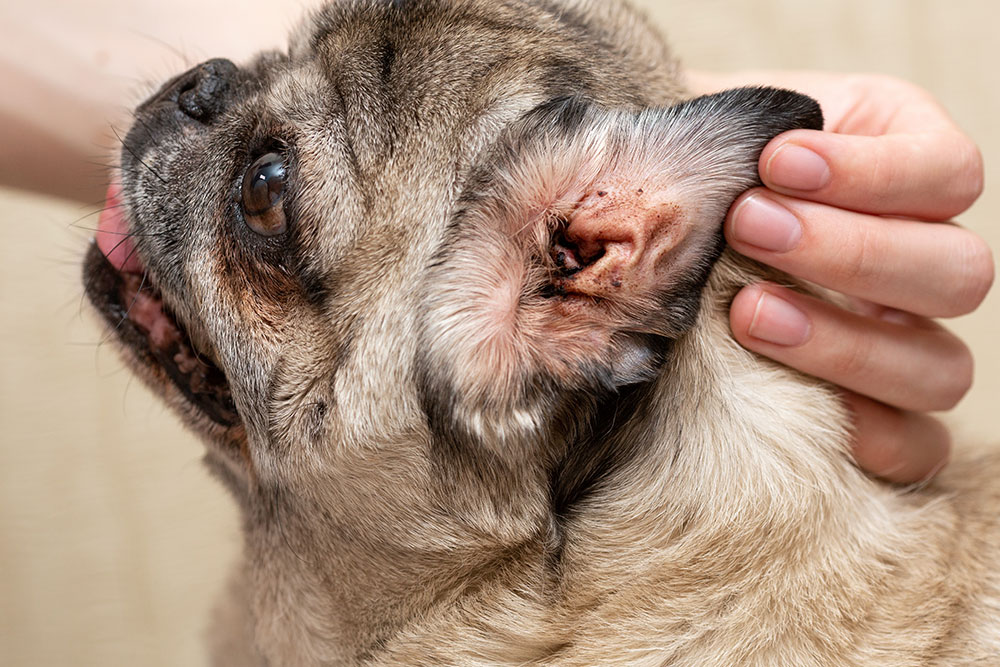
- Itching, hair loss, scabs, or hot spots.
- Visible fleas, flea dirt, or ticks.
- Scooting, pot belly, vomiting, diarrhea, or weight loss.
- Cough, low energy, or exercise intolerance, which can point to heartworm.
- Pale gums or fast breathing, which can be urgent.
If you see signs, call your vet. Bring a fresh stool sample if you can. Early tests and targeted meds are how to protect dog from parasites with less cost and less stress.
Common mistakes to avoid
Avoid these pitfalls. They undo even the best plan.
- Skipping winter doses. Many parasites survive mild cold snaps.
- Guessing weight for dosing. This leads to underdose or overdose.
- Treating only one pet in a multi-pet home.
- Using dog products on cats or vice versa.
- Relying only on home “natural” hacks without vet guidance.
- Not washing bedding or vacuuming during a flea issue.
Fix these, and you’re already ahead on how to protect dog from parasites all year.
Frequently Asked Questions of how to protect dog from parasites
How often should I deworm my dog?
Your vet will guide you based on risk and test results. Many dogs need year-round heartworm prevention and periodic deworming, while puppies follow a more frequent starter plan.
Are flea collars safe and effective?
Vet-approved collars can help when used as labeled. Make sure the product matches your dog’s size and age, and never use dog collars on cats in the home.
Do natural remedies work to protect dogs from parasites?
Some may help a little, but most lack strong proof. For how to protect dog from parasites reliably, stick with vet-approved preventives and add safe home habits.
How do I check my dog for ticks?
Run your hands over the whole body and feel for small bumps. Focus on ears, face, neck, armpits, groin, and between toes, then use a tick remover to pull straight out.
Can I get parasites from my dog?
Some parasites can pass to humans, especially from feces. Wash hands, pick up poop fast, and keep your prevention plan tight to lower the risk.
When can I stop parasite prevention during the year?
In most places, you should not stop. Weather is less predictable now, so year-round dosing is part of how to protect dog from parasites.
When should puppies start prevention?
Right away, under a vet’s care. Puppies are more vulnerable and need a tailored schedule for deworming and early preventives.
Conclusion
Protecting your dog from parasites is not complex. Stick to vet-guided preventives, a clean home routine, smart outdoor habits, and regular checks. Do that, and you master how to protect dog from parasites in any season.
Ready to act today? Make your dosing calendar, book a wellness visit, and do a five-minute tick check after your next walk. If this helped, share it with a friend, subscribe for more tips, or drop a question in the comments.

Pet Care Writer & Researcher
Daniel writes practical guides on daily care, feeding, and safety, turning complex topics into simple, actionable advice.