Do Dogs Get Tired Of Barking: Signs, Causes & Fixes
Find out do dogs get tired of barking, why it happens, and simple tips to reduce constant noise and calm your pet fast.
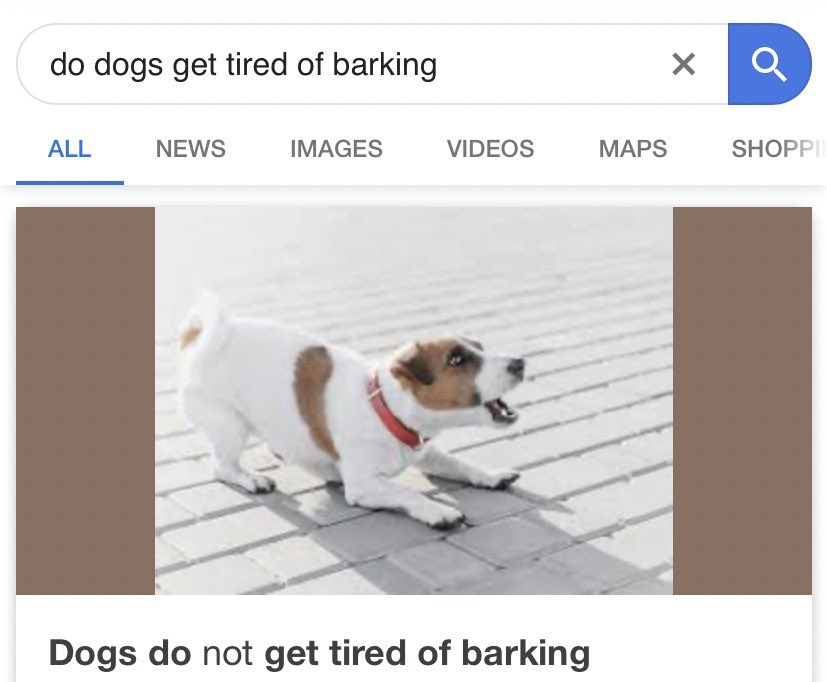
Yes — dogs can get physically tired of barking, but many keep barking from habit or stress.
I’ve worked with dogs and trainers for years, and I know barking is both a natural behavior and a communication tool. This article explains when barking becomes fatigue, which barks are driven by habit or emotion, and practical steps you can use to manage and reduce excessive barking. You’ll get clear signs, real-life tips I’ve used with clients, and actionable training and health advice so you can handle barking the right way.

How barking works: basics you should know
Dogs use bark sounds to communicate. Barking varies by breed, age, and situation. Some barks warn, some barks invite play, and some barks express anxiety.
Barking involves muscles in the throat, air flow from the lungs, and the dog’s energy. A single bark uses little energy, but long, repeated barking can tire a dog physically and vocally.
I’ve seen dogs bark for hours when anxious. I’ve also seen dogs stop after brief exercise or attention. That difference helps tell whether a dog is tired of barking or simply motivated to keep barking.

Do dogs get tired of barking? Behavioral and physical limits
Yes, dogs can become physically tired from extended barking. Vocal cords and breathing muscles feel fatigue. Still, many dogs will continue if something drives them to bark.
Key points:
- Physical fatigue happens with long, loud barking sessions.
- Emotional drive can override fatigue. Anxious or territorial dogs may keep barking despite being tired.
- Age matters. Puppies tire differently from adult dogs. Older dogs may run out of breath faster.
- Breed differences affect persistence. Some breeds are bred to bark and will keep going.
From experience, the dogs that "give up" are often those that get what they want (attention, play) or those who are corrected consistently. Dogs that continue are usually motivated by reward, fear, or habit more than raw energy.
Common reasons dogs bark so much
Understanding the cause helps you know whether barking will stop on its own or need training.
Why dogs bark:
- Alert or alarm — reacting to people, cars, or animals.
- Attention-seeking — barking to get you to play or respond.
- Fear or anxiety — barking out of worry or stress.
- Boredom — lack of exercise or mental stimulation.
- Medical causes — pain, cognitive decline, or respiratory issues.
- Learned behavior — barking that was inadvertently rewarded.
When you ask "do dogs get tired of barking" think about cause first. If a dog barks for attention, they learn to continue. If barking comes from physical discomfort, fatigue may not stop it until the medical issue is fixed.

How to tell if your dog is actually tired of barking
Look for signals beyond silence. Stopping alone doesn’t always mean fatigue.
Signs the dog is physically tired:
- Slower movements and heavier breathing after long barking.
- Longer pauses between barks leading to silence.
- Resting or lying down after a barking session.
Signs the dog stopped for other reasons:
- Quick restart when triggered again.
- Looks alert and ready, not relaxed.
- Seeks you out for attention soon after.
A real test: remove the trigger. If your dog goes quiet and stays relaxed for a while, they likely were tired. If they stay alert or restart quickly, barking was driven by motivation.

Training and management to reduce excessive barking
Training is the most reliable way to cut habitual barking. Use consistent, humane methods.
Start with these steps:
- Identify triggers and record when barking happens.
- Give exercise and mental stimulation daily to reduce boredom-driven barking.
- Teach a "quiet" command: reward silence after a cue and short delay.
- Use time-outs if barking is attention-seeking: calmly remove attention for a brief period.
- Manage the environment: block visual triggers, use white noise, or restructure access to windows.
My experience: short, consistent sessions work best. I trained one rescue that barked at the gate. We used a "quiet" command and rewarded three seconds of silence. Over two weeks, silence extended to minutes.
Training tips to avoid common mistakes:
- Do not shout; shouting can sound like barking reward.
- Avoid punitive measures that cause fear. Fear can increase barking.
- Be consistent across family members.
Health and medical causes that affect barking
Sometimes barking is a symptom of a health problem. Fatigue from barking can also indicate a medical issue.
Medical issues to consider:
- Throat or voice box problems can change bark quality and endurance.
- Respiratory conditions make barking tiring fast.
- Pain or cognitive dysfunction in older dogs can create new barking patterns.
- Seizure disorders or neurological issues may present with repetitive vocalizations.
If barking changes suddenly, gets worse at night, or is paired with cough, drooling, or obvious distress, see a vet. I’ve referred dogs to vets when barking was tied to respiratory discomfort and saw quick improvement after treatment.
:max_bytes(150000):strip_icc()/barking-dog-1152211103-2000-3addffa17c7646aa895f1be87a99e527.jpg)
When to get professional help
If training and management don’t help, seek help from pros.
Signs to consult a trainer or vet behaviorist:
- Barking causes harm to the dog’s health or quality of life.
- Barking persists despite consistent training for weeks.
- There are sudden changes in barking style or frequency.
- Barking is tied to aggression or severe anxiety.
A certified trainer or behaviorist can offer tailored plans. Medical checks rule out physical causes. Combining both is often the fastest, most reliable route to change.

PAA-style questions (quick answers)
What makes a dog bark nonstop?
- Dogs bark nonstop when motivated by reward, anxiety, or strong triggers. Lack of exercise and attention often plays a role.
Can exercise reduce barking?
- Yes. Regular exercise lowers boredom and excess energy, which lowers many types of barking.
Will older dogs bark less?
- Some older dogs bark less due to reduced energy. Others may bark more if they have cognitive decline or discomfort.
Does scolding stop barking?
- Scolding often fails and can increase stress. Calm, consistent training and positive rewards work better.
How long before barking becomes a habit?
- Habits can form in days to weeks if barking gets a consistent reward. Interrupting the cycle early helps prevent habit formation.
Frequently Asked Questions of do dogs get tired of barking
Do dogs ever get tired of barking on their own?
Many dogs will tire after long barking sessions, but if the trigger remains, they often keep barking. Addressing the cause is key to reducing repetition.
How long can a dog bark before it hurts its throat?
Brief barking rarely hurts. Extended loud barking can strain vocal cords and cause soreness; if bark changes or the dog seems in pain, see a vet.
Can training make a dog bark less quickly?
Yes. Consistent training, exercise, and management can reduce barking within days to weeks. Most dogs respond to positive reinforcement and clear cues.
Could a dog bark more because of separation anxiety?
Yes. Separation anxiety is a common cause of prolonged barking when owners leave. Behavior plans and sometimes veterinary help are required.
Is it normal for puppies to bark a lot?
Puppies experiment with their voice and can bark often. Proper socialization, training, and outlets for energy help reduce excessive puppy barking.
Conclusion
Understanding whether do dogs get tired of barking starts with knowing the cause. Dogs can tire physically, but motivation, habit, and health often keep barking going. Use consistent training, set up the right environment, and check health when barking patterns change. Apply the steps here, track progress, and ask a trainer or vet if problems persist.
Take action today: identify your dog’s triggers, add daily play or walks, and start a short quiet-training routine. Share your experience or questions below and subscribe for more practical dog behavior tips.

Pet Care Writer & Researcher
Daniel writes practical guides on daily care, feeding, and safety, turning complex topics into simple, actionable advice.