How Stop Puppy From Barking: Gentle Training Tips
Learn how stop puppy from barking with gentle, proven training tips and quick fixes to calm your pup fast and keep your home peaceful.
Teach calm, reward quiet, and remove triggers with consistent short training sessions.
I’ve helped dozens of owners stop puppy from barking using gentle, proven steps. I’ll explain why puppies bark, how to train them to be quiet, what tools help, and what mistakes to avoid. Read on for a clear, practical plan you can start today to reduce barking and build calm habits.

Why puppies bark: understanding the cause
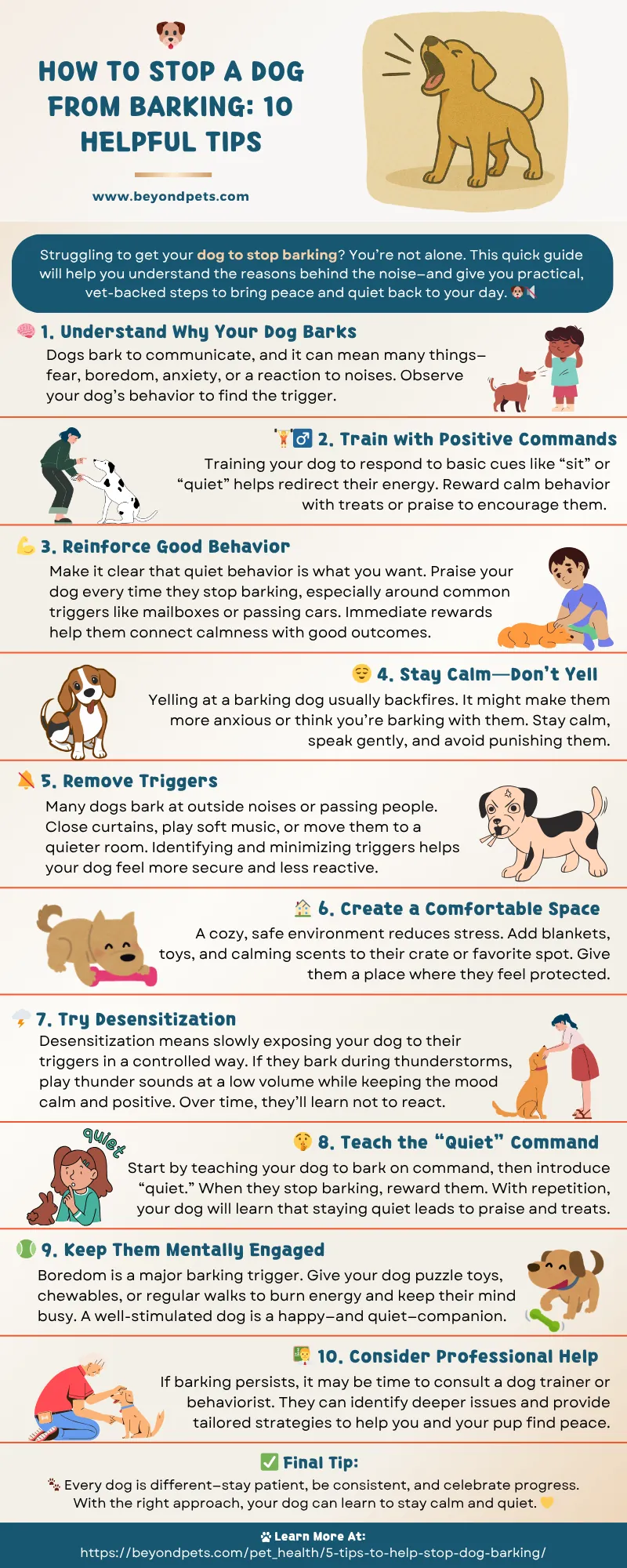
Puppies bark to talk. Barking is a normal, early way they ask for things. They bark for attention, play, fear, boredom, and to warn. Understanding the reason is the first step to stop puppy from barking.
Some common causes
- Attention-seeking: Puppy learns you respond when they bark.
- Boredom or excess energy: Lack of exercise leads to noisy outlets.
- Fear or alarm: New noises or strangers trigger warning barks.
- Separation anxiety: Barking when left alone can be distress-based.
- Developmental phases: Puppies go through noisy stages as they grow.
How cause affects training
- If barking is for attention, ignore-and-reward works best.
- If fear-driven, desensitization and slow exposure help.
- If boredom, add exercise and mental games.
Knowing the cause makes training faster and kinder. This focus helps stop puppy from barking with less stress for both of you.

How to stop puppy from barking: step-by-step training plan
Use short daily sessions. Train in calm areas first. Be consistent and patient. Here’s a clear plan to stop puppy from barking.
- Observe and record
- Note when barking happens and why.
- Track time of day, triggers, and length.
- Remove easy triggers
- Close blinds for passersby. Reduce noise where possible.
- Offer a chew or toy during known triggers.
- Teach a "quiet" cue
- Wait for a pause between barks.
- Say "quiet" calmly and give a treat during the pause.
- Repeat until puppy links the cue to silence.
- Reward calm, not silence only
- Reward quiet behavior for a few seconds, then longer.
- Praise and give treats when puppy is calm without barking.
- Use redirection
- Give a task: "sit" or "touch" when the barking starts.
- Reward compliance immediately to replace barking.
- Desensitize to triggers
- Start at low intensity (distant noise, far person).
- Gradually increase intensity while rewarding calm.
- Address separation barking
- Short departures first. Return calmly.
- Give a safe chew or puzzle to keep puppy occupied.
- Increase exercise and mental work
- Walks, fetch, and training tire a puppy.
- Use puzzle toys and scent games to reduce boredom.
Do sessions in small bursts. Five to ten minutes, three to five times daily, works best. Keep a calm voice. Stop puppy from barking by practicing these steps often.

Techniques that work (and why they work)
Positive reinforcement
- Reward quiet and desired actions.
- Builds trust and makes silence worth repeating.
Time-outs and ignoring attention-seeking barking
- Walk away or leave the room if the puppy barks for attention.
- Return when puppy is quiet; this removes reward for barking.
Desensitization and counterconditioning
- Pair the trigger with something good at low levels.
- Raise the trigger slowly as the puppy stays calm.
Crate and management
- Use a crate as a safe space, not punishment.
- Crates help with structure and reduce environmental triggers.
Command training
- Teach "sit," "watch me," and "quiet" as replacements for barking.
- Consistent cues give the puppy clear rules.
Why avoid punishment
- Yelling often makes barking worse or increases fear.
- Harsh tools can harm trust and create anxiety.
Each technique aims to teach a new habit rather than just stop sound. This helps stop puppy from barking long-term.

Tools and products: what helps and what to avoid
Helpful tools
- High-value treats: small, tasty rewards for quick reinforcement.
- Puzzle toys and treat dispensers: keep a puppy busy and calm.
- Long-lasting chews: reduce boredom-triggered barking.
- Clicker: helps mark the exact moment of quiet for training.
Use with caution
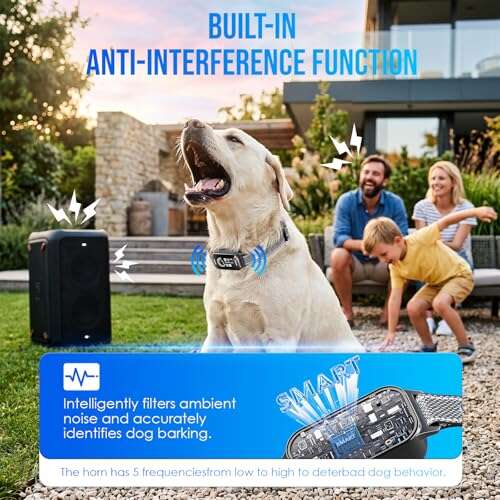
- Vibration or citronella collars can work in some cases but may cause fear. Use only under guidance.
- Shock collars are not recommended for puppies. They can harm trust and cause fear.
When to see a pro
- If barking is tied to severe anxiety, consult a trainer or behaviorist.
- A vet visit is important if barking started suddenly and is out of character.
Choose tools that support learning. Tools should help reward calm and remove triggers while preserving your bond. This approach makes it easier to stop puppy from barking without harm.

Common mistakes and how to fix them
Giving attention for barking
- Problem: Laughing, yelling, or petting rewards the bark.
- Fix: Turn away and reward quiet moments instead.
Inconsistent rules
- Problem: Family members react differently to barking.
- Fix: Agree on a plan and use the same cues and rewards.
Overtraining or long sessions
- Problem: Puppy loses focus and stalls learning.
- Fix: Use short, fun sessions multiple times a day.
Relying only on tools
- Problem: Collars or gadgets without training don’t teach skills.
- Fix: Pair tools with structured training and rewards.
Ignoring medical causes
- Problem: Pain, hearing issues, or illness can change barking.
- Fix: Check with a vet before blaming behavior.
Fixes are about clarity and routine. Keep training simple and consistent to stop puppy from barking effectively.
Personal experience: what worked for me
I worked with a lab-mix who barked at every walker. Short sessions helped. We started with sit and watch me, then paired passersby with treats at a distance. Over two weeks, the puppy learned to look at me instead of barking.
Lessons I learned
- Small wins matter: Reward one quiet breath, then build time.
- Consistency beats force: Calm, steady responses worked better than yelling.
- Energy management is key: A tired puppy barks less.
One mistake I made was increasing the reward too slowly. Puppies need strong early rewards to form the right habit. My tip: use tiny, super-tasty treats at first.
These real steps will help you stop puppy from barking and build a calm, happy bond.

Frequently Asked Questions
How long will it take to stop my puppy from barking?
Most puppies show improvement in 2 to 4 weeks with consistent training. Severe cases like separation anxiety can take longer and may need professional help.
Can I use punishment to stop barking faster?
Punishment can backfire and create fear. Positive methods are safer and more effective for lasting results.
What if my puppy barks only when left alone?
This often signals separation anxiety. Start with very short departures and build up time while providing safe distractions and calm exits.
Are bark collars safe for puppies?
Many trainers advise against shock collars for puppies. If you consider a device, consult a trainer and avoid pain-based tools.
Can exercise really reduce barking?
Yes. Regular walks, play, and mental challenges lower excess energy and reduce boredom-driven barking.
Conclusion
Stopping a puppy from barking is about kindness, clarity, and consistency. Identify the cause, remove triggers, teach a quiet cue, and reward calm. Small daily actions lead to big change. Start with short training sessions today and track progress. Share your wins or questions below, subscribe for more dog training tips, or try a guided plan with a trainer if you need help.
Pet Care Writer & Researcher
Daniel writes practical guides on daily care, feeding, and safety, turning complex topics into simple, actionable advice.