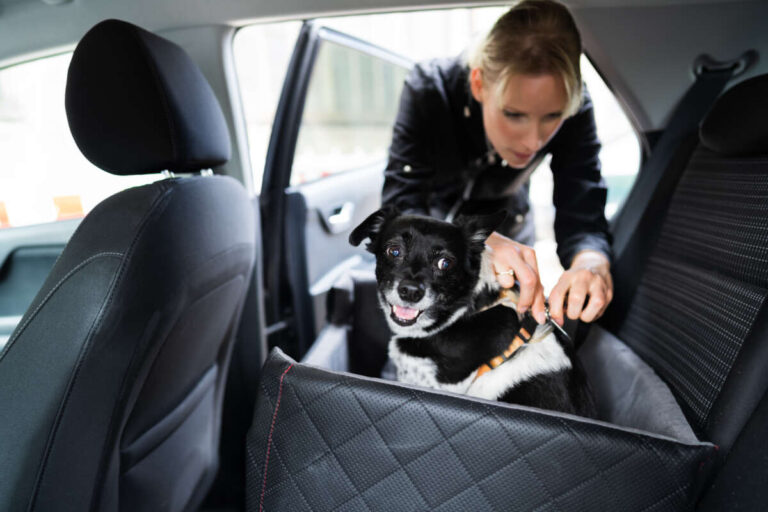
How To Clean Dog Bedding Properly: Pro Guide 2026
Learn how to clean dog bedding properly with safe detergents, odor control hacks, and washing tips. Keep your pup’s bed fresh, hygienic, and flea-free.
Vacuum, pre-treat stains, wash weekly on hot with pet-safe detergent, dry fully.
If you want a clean, fresh, and healthy sleep spot for your dog, you’re in the right place. I’ve cleaned hundreds of beds for fosters, seniors, and allergy-prone pups. I’ll show you how to clean dog bedding properly with simple steps, smart products, and proven tricks that protect your dog’s skin, your home, and your washer. Stick with me, and you’ll master how to clean dog bedding properly without guesswork.

Why clean dog bedding matters
Clean bedding protects skin, reduces itch, and keeps smells in check. It also cuts down dust mites, dander, and bacteria that build up with daily use. If you or your dog sneeze or scratch a lot, the bed can be a hidden trigger.
Vets and dermatologists often recommend weekly washing to lower allergens. Hot water and full drying help reduce mites and odor-causing germs. This guide shows how to clean dog bedding properly so your dog rests well and your home smells fresh.
Signs it is time:
- Strong doggy odor or a sour smell from the bed
- New or increased scratching, paw licking, or hotspots
- Visible hair mats, stains, or damp spots
- Flea dirt or signs of pests
- You see dust when you pat the bed
My take: when in doubt, wash. A quick clean costs less time than treating a skin flare-up. And it is a key part of how to clean dog bedding properly.
:max_bytes(150000):strip_icc()/how-to-wash-dog-bed-7152808-hero-H-32ddfc7842684e5f965287983dcd4166.jpg)
Read the label and choose safe products
Always check the care tag first. It tells you what the fabric can handle. Many covers can go in the washer. Many foam inserts cannot.
What to use:
- Pet-safe, fragrance-free detergent. Strong scents can irritate skin.
- Enzyme cleaner for urine, poop, or vomit stains.
- Oxygen bleach (color-safe) for brightening, not chlorine bleach.
- White vinegar in the rinse to fight odor.
- Baking soda to boost deodorizing.
What to skip:
- Fabric softeners and dryer sheets. They leave residue and can irritate skin.
- Essential oils, especially tea tree oil. They can be toxic to dogs.
- Harsh disinfectants with phenols unless the label says pet-safe.
Water temperature:
- Use the warmest water safe for the fabric. Around 130°F is a good target when allowed.
- Hot water helps reduce mites and odor-causing bacteria.
- If the label says cold only, add a longer wash and extra rinse.
Understanding these basics is part of how to clean dog bedding properly and safely.

Step-by-step: how to clean dog bedding properly
Follow this routine each week, and after any accidents.
- Remove hair and dirt
- Take the bed outside. Shake it well.
- Use a vacuum with an upholstery tool. A lint roller helps on fleece.
- Separate pieces
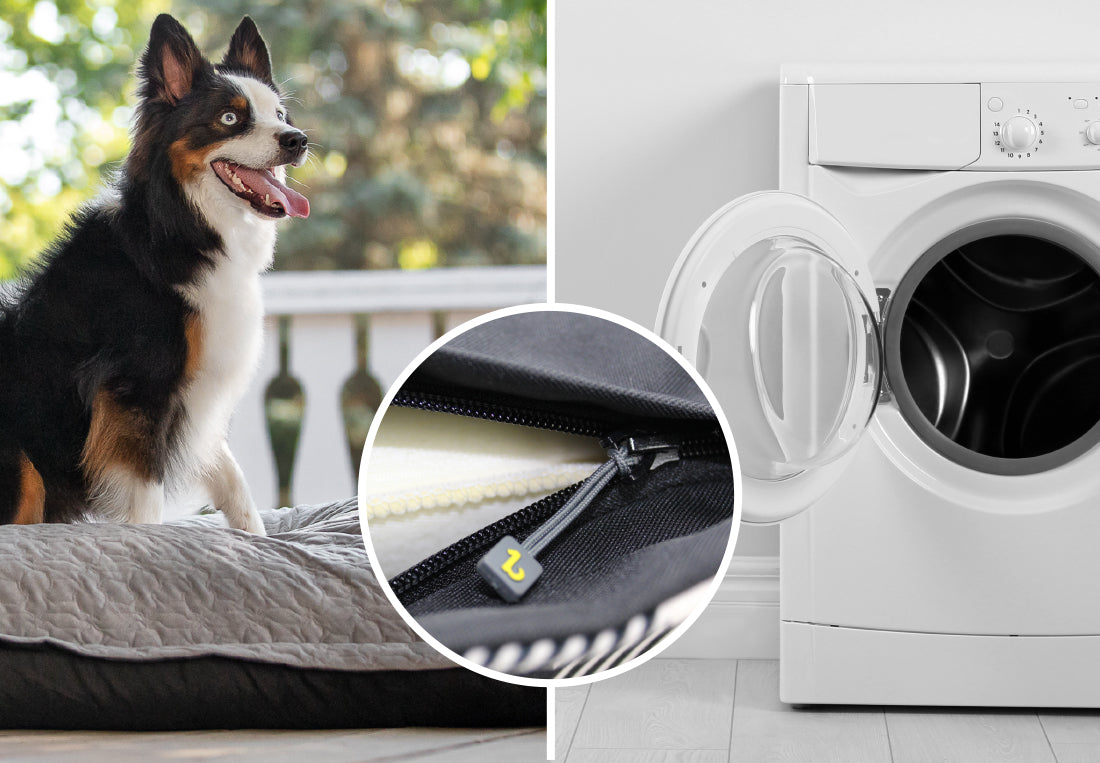
- Unzip covers and pull out foam or fill.
- Close zippers and Velcro so they do not catch.
- Pre-treat stains
- Spray enzyme cleaner on urine, poop, vomit, or drool spots.
- Let it sit 10 to 15 minutes before washing.
- Wash covers and blankets
- Load loosely. Overfilling traps hair and reduces cleaning.
- Use pet-safe detergent. Add 1 tablespoon baking soda.
- Choose warm or hot water if the label allows.
- Pick a longer cycle. Add an extra rinse to remove residue.
- Clean foam inserts (if not machine-washable)
- Fill a tub with lukewarm water and a small amount of mild detergent.
- Submerge gently. Press water through. Do not wring or twist.
- Drain and refill with clean water. Rinse until water runs clear.
- Dry everything fully
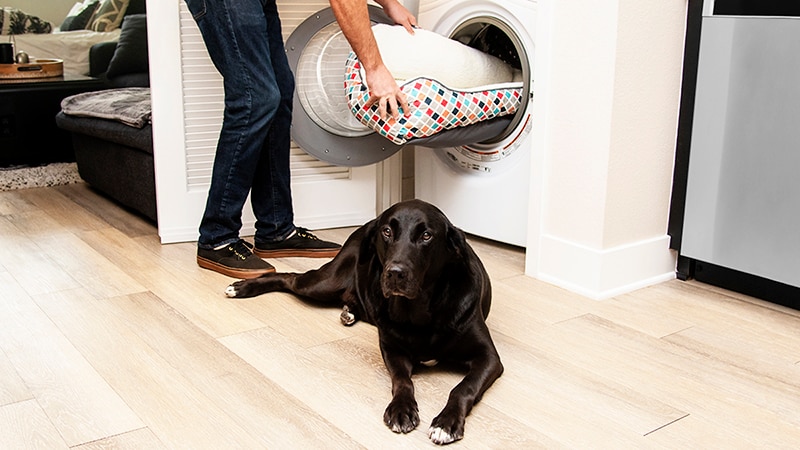
- Covers: tumble dry on low to medium heat with dryer balls.
- Foam: air-dry flat on a rack. Flip often. Use a fan or sun to speed up.
- Reassemble and freshen
- Make sure every layer is bone dry. Check seams and corners.
- Add a washable throw on top to extend time between washes.
This is how to clean dog bedding properly without damaging fabric or foam, and without leaving soap behind.
Pro tips I use:
- Wash small toys and crate mats in a mesh laundry bag.
- Run a short rinse cycle in the washer after the load to clear hair.
- Keep a spare cover to swap on laundry day.
Odor, stains, and sanitizing that actually work
Smells hang on to oils and bacteria. Stains set fast. Tackle both with a simple plan.
For odor:
- Add half a cup of white vinegar to the rinse.
- Sun-dry when you can. UV helps reduce odors.
- Sprinkle baking soda on dry bedding. Let sit 15 minutes. Vacuum.
For stains:
- Use an enzyme spray on bio-messes before washing.
- For tough spots, soak covers 30 minutes in warm water with detergent and oxygen bleach. Test color first.
For sanitizing:
- Use the hottest water safe for the fabric.
- Dry on medium to high heat until fully dry.
- Consider a sanitize cycle if your machine has one.
Skunk or heavy musk:
- Mix a small batch of 3% hydrogen peroxide, baking soda, and a tiny drop of dish soap. Spot test first, then rinse very well. This can lighten fabric, so go slow.
These steps lock in how to clean dog bedding properly when smells and stains fight back.

Drying right and avoiding mildew
Drying is not an afterthought. Damp beds grow mildew and smell fast.
- Feel for cool, damp spots in seams and corners. If it feels cool, it is still wet.
- Use dryer balls to move air. They cut dry time and reduce clumps.
- For foam, air movement is king. Use a box fan for 12 to 24 hours.
- If the weather allows, sun helps. Flip every hour for even drying.
A fully dry bed is the hallmark of how to clean dog bedding properly. Rushing this part is the most common mistake I see.
Special cases and materials
Not all beds are the same. Adjust your plan to fit the type.
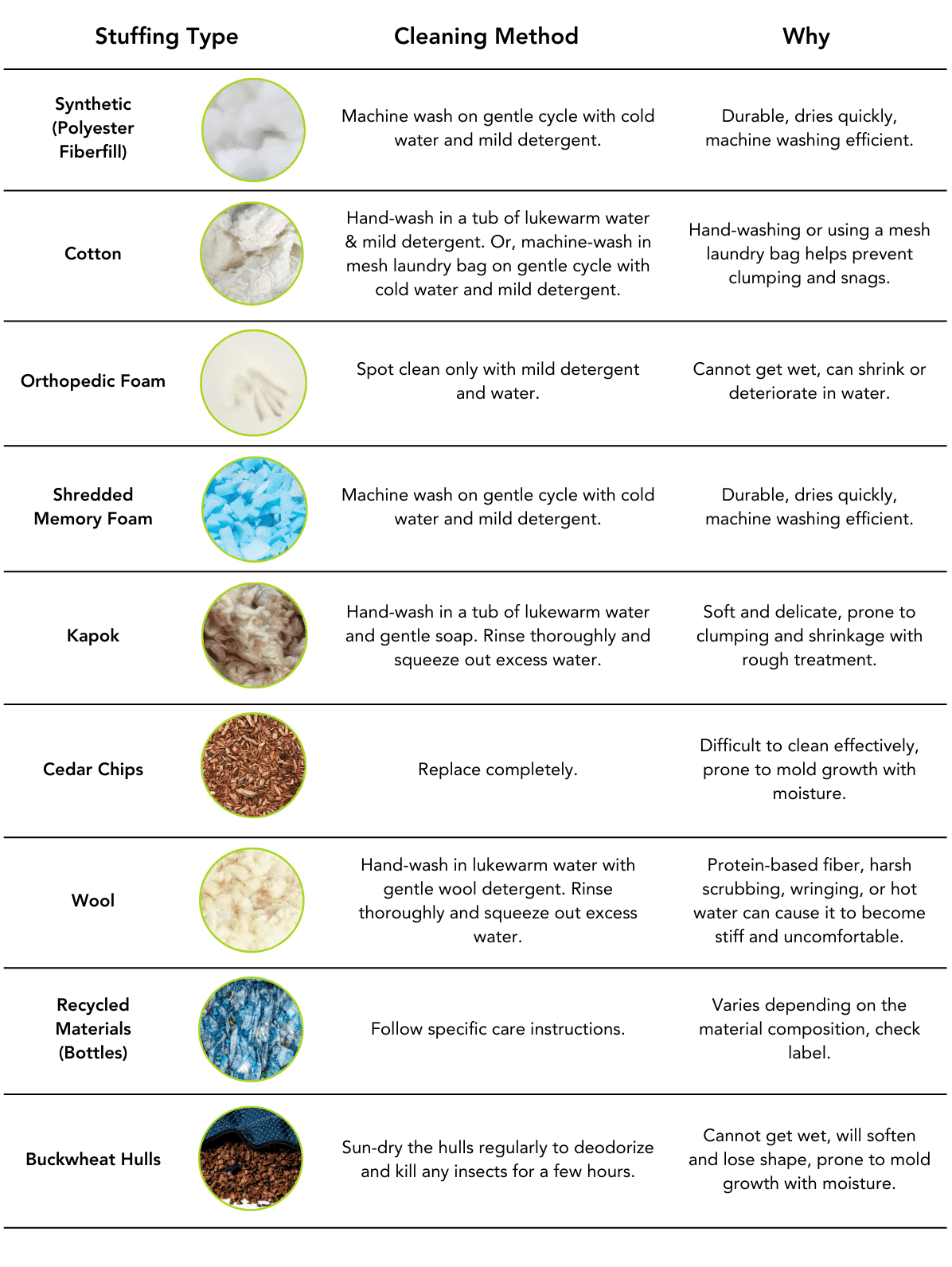
Orthopedic or memory foam:
- Never machine wash unless the label says so.
- Spot clean with mild detergent. Rinse by blotting with clean water.
- Air-dry flat. Direct sun for short periods is okay. Do not bake it.
Cedar or loose fill:
- If the cover unzips, wash the cover only.
- Replace fill if it smells, is damp, or is pest-prone.
Waterproof liners:
- Wipe with a pet-safe disinfectant. Rinse or wipe again with water.
- Wash the outer cover more often. Liners trap moisture.
Heated beds or mats:
- Unplug and remove electronics before cleaning.
- Follow the maker’s steps only.
Allergies or flea issues:
- Wash weekly on hot when safe. Dry on high heat.
- Vacuum the room and baseboards. Treat the pet per your vet.
Tailoring the process to your bed type is part of how to clean dog bedding properly without voiding warranties or ruining materials.

Maintenance routine, frequency, and prevention
A simple routine saves time and keeps skin calm.
Weekly
- Wash covers and throws.
- Wipe the waterproof liner if you use one.
Daily or every other day
- Shake out or vacuum hair.
- Spot treat fresh stains.
Monthly
- Deep clean foam inserts.
- Wash surrounding rugs or crate mats.
Prevention tricks I use:
- Keep a washable throw on top of the bed.
- Brush your dog often. Less shed means less wash time.
- Wipe paws after walks.
- Rotate beds so each one dries and airs out.
Follow this routine and you will never wonder how to clean dog bedding properly again.

Eco-friendly and budget tips
You can be kind to skin, your wallet, and the planet.
- Use the shortest hot cycle that gets the job done. Heat costs more than time.
- Load size matters. A half-full washer cleans best and sheds less lint.
- Add a pet hair filter or laundry bag that traps fur to protect drains.
- Choose fragrance-free, dye-free detergents. They are gentler on skin and waterways.
- Skip DIY detergents with washing soda on wool or silk. They can strip fibers.
Smart choices like these support how to clean dog bedding properly while cutting waste and cost.
Frequently Asked Questions of how to clean dog bedding properly
How often should I wash my dog’s bed?
Most beds need weekly washing. If your dog has allergies, sheds a lot, or had an accident, wash sooner.
What temperature kills odors best without ruining fabric?
Use the warmest water allowed on the label, often warm to hot. Heat plus a long cycle and full drying works better than heat alone.
Can I use bleach on dog bedding?
Avoid chlorine bleach unless the care tag allows it and you rinse very well. Oxygen bleach is safer for most fabrics.
How do I clean memory foam inserts?
Do not machine wash. Hand wash gently, rinse by pressing clean water through, and air-dry flat with a fan.
What detergent is safest for dogs with sensitive skin?
Pick a pet-safe, fragrance-free, dye-free detergent. Use an extra rinse to remove any residue.
How do I remove urine smell that lingers?
Pre-treat with an enzyme cleaner, then wash with detergent and baking soda. Add vinegar to the rinse and dry fully.
Will dryer sheets help with hair and static?
Skip them. Use dryer balls instead, which help without adding irritants.
Conclusion
Clean bedding is a small habit with huge payoffs: calmer skin, less odor, and a happier dog. Follow the steps here, set a weekly rhythm, and use pet-safe products. That is how to clean dog bedding properly, every time.
Start today: pick a wash-safe cover, run a hot cycle with an extra rinse, and dry fully. Want more practical home pet care? Subscribe, share this guide with a friend, or drop your questions in the comments.

Pet Care Writer & Researcher
Daniel writes practical guides on daily care, feeding, and safety, turning complex topics into simple, actionable advice.