
How To Teach A Dog To Stop Barking: Calm Your Pup Fast
Use positive reinforcement and clear cues to learn how to teach a dog to stop barking. Practical, quick tips for a calmer home.
Train calm behavior, reward silence, and replace barking with clear cues and routines.
I’ve trained dozens of dogs and helped anxious owners get quiet, polite pets. This article explains how to teach a dog to stop barking with clear steps, real examples, and practical tools that work for most breeds and ages. You’ll get a simple plan you can start today, plus troubleshooting tips from real experience to keep progress steady and humane.

Why dogs bark: causes and intent
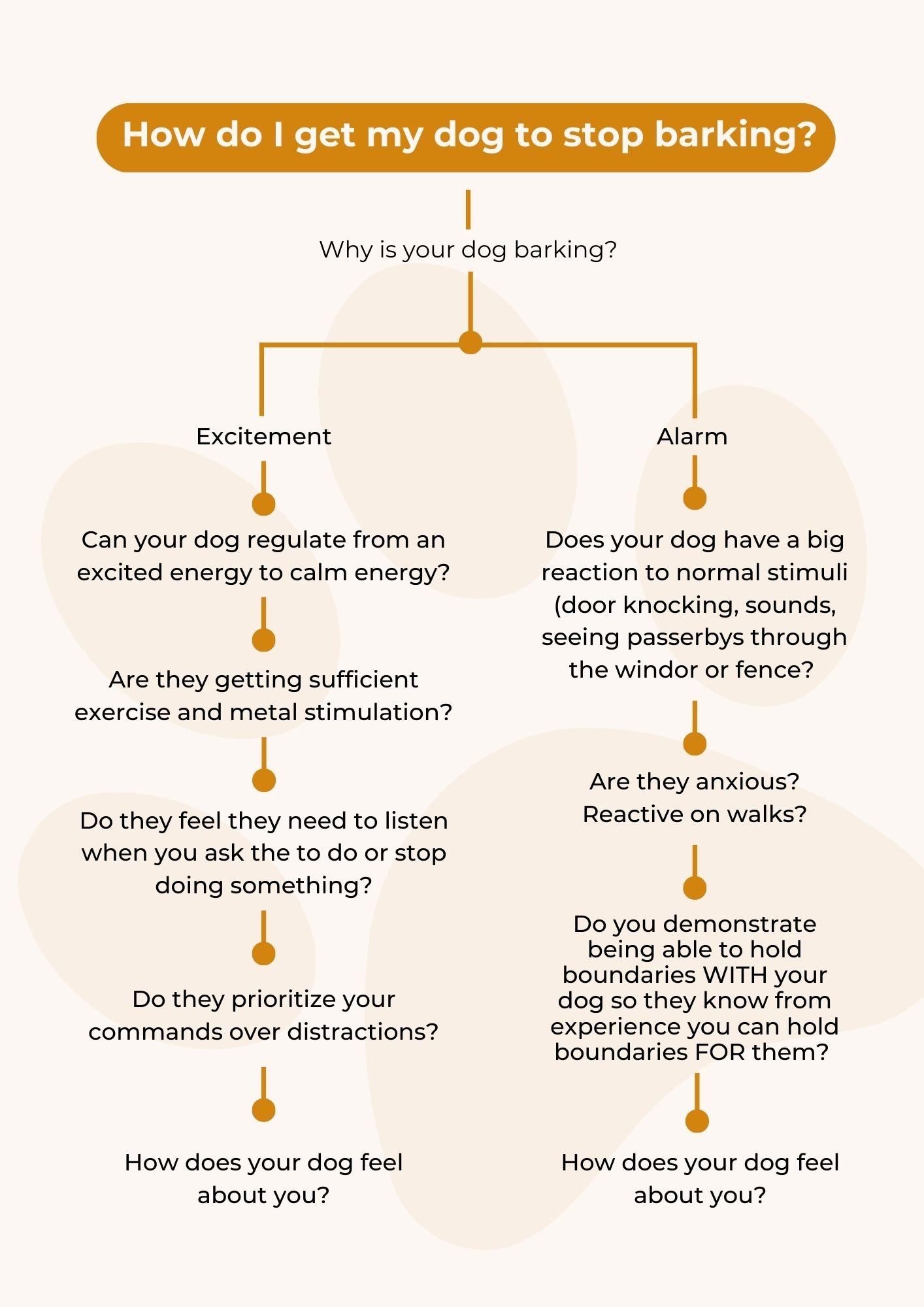
Dogs use barking to communicate. Barking can mean excitement, warning, loneliness, fear, or boredom. Understanding why your dog barks is the first step in learning how to teach a dog to stop barking.
Common causes of barking include:
- Alert or territorial response when someone approaches the home.
- Separation distress when left alone.
- Attention-seeking for toys, food, or interaction.
- Boredom and excess energy.
- Fear or medical pain causing sudden or chronic barking.
When you diagnose the cause, you can match the right technique. The goal is not silence at all costs. The goal is controlled, appropriate barking. Learning how to teach a dog to stop barking starts with honest listening and simple observation.

Core principles for teaching quiet behavior
Successful training follows consistent principles. These principles guide how to teach a dog to stop barking without punishment.
Key principles:
- Reward the behavior you want. Praise and treats teach quiet faster than scolding.
- Teach an alternative action. Train a sit or go-to-bed cue that replaces barking.
- Stay consistent. Everyone in the household must use the same cues and rules.
- Remove reinforcement for unwanted barking. No attention, no toys, no treats when the dog barks for attention.
- Address physical needs. Exercise, mental play, and bathroom breaks reduce barking driven by energy or discomfort.
Follow these principles and your training will be humane and long-lasting. I used these rules when teaching a rescue husky to stop door-barking within three weeks. The husky learned a door routine and the barking dropped 80% within days.
Step-by-step plan: practical training to stop barking
This step-by-step plan shows how to teach a dog to stop barking in realistic training sessions.
Step 1 — Observe and record
- Note when and why your dog barks for three days.
- Record time of day, trigger, and how long barking lasts.
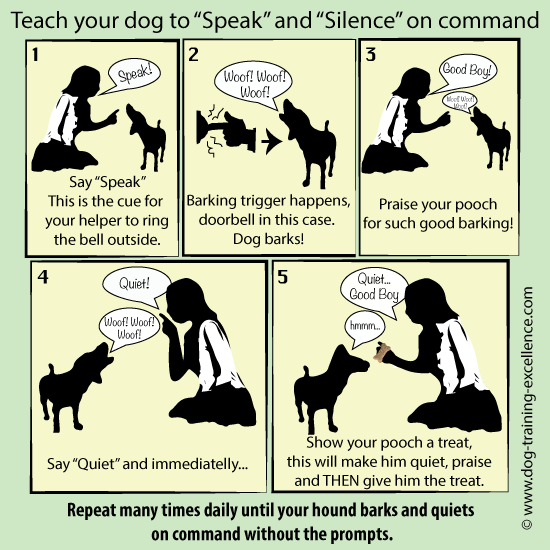
Step 2 — Teach a quiet cue
- Wait for one to three seconds of silence after a bark.
- Say a word like quiet or enough, then give a high-value treat.
- Gradually extend silence time before rewarding.
Step 3 — Teach an alternative behavior
- Train sit, down, or go-to-spot as an incompatible behavior with barking.
- Reward the dog for choosing the alternative when a trigger appears.
Step 4 — Add cues and practice
- Recreate mild triggers and reward quiet immediately.
- Use a helper to knock on the door or walk past the house.
- Increase intensity slowly and reward consistent calm.
Step 5 — Generalize and proof
- Practice at different times and places.
- Reduce treat frequency and keep praise high.
- Continue sessions short and frequent: 5–10 minutes, 2–4 times daily.
Step 6 — Maintain with routine
* Provide daily exercise and mental enrichment.
- Use scheduled quiet times and consistent responses from family members.
This plan explains how to teach a dog to stop barking with step-by-step behavior replacement, not fear or pain. In my experience, short consistent sessions work best.

Tools and techniques that help
A few tools and techniques speed up learning when teaching quiet behavior.
Helpful tools:
- Clicker for precise timing during training.
- High-value treats that your dog doesn’t get otherwise.
- Toys and puzzle feeders to reduce boredom-based barking.
- Long-line leash for controlled exposure to outside triggers.
Effective techniques:
- Desensitization and counter-conditioning for fear or door barking.
- Reward-based redirection so the dog learns silence equals reward.
- Management—using baby gates or crates to remove the dog from triggers while training.
- Scheduled exercise and enrichment to reduce excess energy.
Avoid aversive tools that cause pain or fear. Evidence shows reward-based methods are safer and more effective long-term. I used a clicker and very tasty chicken pieces when teaching a neighbor’s poodle to stop barking at passersby. Progress was quick and stress-free.
Common mistakes and troubleshooting
Training stalls when people make predictable mistakes. Knowing these errors helps you move faster.
Frequent mistakes:
- Rewarding barking by giving attention or treats while the dog is noisy.
- Skipping consistency between family members.
- Rushing desensitization too fast and creating setbacks.
- Not addressing medical causes of sudden barking.
Troubleshooting tips:
- If barking spikes, go back to earlier, easier steps.
- Re-assess for pain, hearing loss, or anxiety with your vet.
- Keep sessions very short and positive.
- Track progress with a simple log to see trends.
If the dog barks more after training starts, it’s often because the dog is confused or testing boundaries. Return to basics and reward any quiet moments to rebuild trust.

When to seek professional help
Some cases need expert help. Ask for professional support when basic steps don’t work.
Seek help if:
- Barking is relentless and causes distress for the dog or family.
- The dog shows aggression along with barking.
- Medical issues may be causing vocalization.
- You’ve tried consistent reward-based training for several weeks with no change.
A certified trainer or veterinary behaviorist can offer personalized plans and rule out medical causes. Professional guidance saved a client’s adoption from failing because chronic separation barking was reduced after a structured plan and vet check.
Frequently Asked Questions of how to teach a dog to stop barking
How long does it take to teach a dog to stop barking?
Most dogs show progress in 2–6 weeks with consistent training. Full habit change can take months, depending on cause and consistency.
Can punishment stop barking faster than reward-based training?
Punishment may stop barking briefly but often creates fear or more problems. Reward-based methods are safer and more durable.
What if my dog barks only when I leave the house?
That’s likely separation distress. Combine counter-conditioning, graduated departures, and vet evaluation if barking is severe.
Are anti-bark collars effective?
Some collars reduce barking but can cause stress or harm. Use humane, positive methods first and consult a professional before aversive devices.
How do I stop neighborhood barking at night?
Start with exercise and a predictable bedtime routine. Address triggers like outside animals or noises and use a quiet cue practiced during the day.
Conclusion
Teaching a dog to stop barking is about understanding reasons, teaching an alternative action, and staying patient. Use reward-based steps, a short daily training plan, and consistent household rules to see steady gains. Start today with simple observations, a quiet cue, and a few minutes of practice each day. Try the steps above, track progress, and reach out for professional help if needed. Leave a comment with your dog’s story or subscribe for more step-by-step training guides.

Pet Care Writer & Researcher
Daniel writes practical guides on daily care, feeding, and safety, turning complex topics into simple, actionable advice.