Do Golden Retrievers Bark A Lot: Loudness, Causes & Tips
Want to know: do golden retrievers bark a lot? Learn why they vocalize, what’s normal, and simple training tips to curb excessive barking.
Most golden retrievers are not overly barky; they bark to alert, play, or ask for attention.
I’ve worked with many owners and dogs, and I know the question do golden retrievers bark a lot matters to every future or current owner. I’ll explain typical golden retriever barking, why it happens, when it may be a problem, and clear steps you can use at home. Expect practical tips, short training plans, and honest experience from a trainer’s perspective.

Understanding golden retriever barking behavior
Golden retrievers are social dogs. They were bred to work with people. That background shapes how they communicate. If you ask do golden retrievers bark a lot, the short truth is they are moderate barkers. They use bark to say hello, warn, or get attention. They are rarely the constant barkers you might see in some smaller watchdog breeds.
My time training goldens taught me three things. First, they respond well to calm, consistent rules. Second, boredom and loneliness increase barking. Third, clear training cuts down pointless noise fast. Below I break down causes, solutions, and realistic expectations so you can decide if a golden fits your home.

Why do golden retrievers bark a lot? Causes and triggers
Barking has reasons. Knowing the cause makes the fix simple.
- Alert and alarm: They will bark at strange noises, people at the door, or animals in the yard.
- Attention seeking: They learn barking gets pats, snacks, or reaction. This reward cycles the bark.
- Boredom and under-exercise: A tired golden barks less. Daily play helps.
- Anxiety and separation stress: Some goldens bark when left alone. This is a sign to act.
- Play and excitement: Barking during fetch or greetings is normal and friendly.
In practice, do golden retrievers bark a lot when they are left alone with no mental work? Yes, they can. In my experience, a bored golden will turn to vocalizing and chewing. Simple daily routines cut that behavior fast.

How much do golden retrievers bark compared to other breeds
Goldens are neither the quietest nor the loudest. They sit in the middle.
- Quiet breeds: Examples include basenjis and some companion breeds.
- Frequent barkers: Many small terriers or guard breeds bark more.
- Golden retrievers: Moderate. They alert and join play. They do not typically howl or yap constantly.
So when people ask do golden retrievers bark a lot, the answer is context-based. City apartments and thin walls make any barking feel worse. A golden in a busy home with attention will likely be quieter.

Training and management strategies to reduce excessive barking
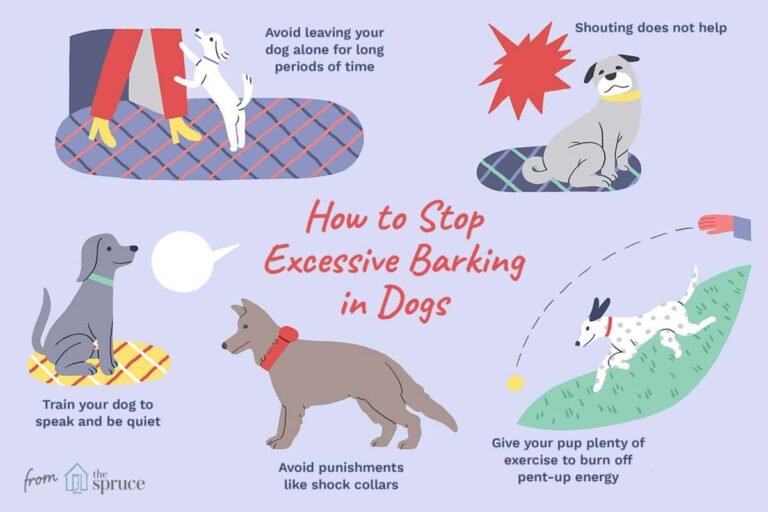
Consistency and reward-based training work best. Keep plans short and repeatable.
-
Teach “quiet” on cue
- Reward silence after a bark.
- Start with short trials.
- Gradually increase the quiet time you ask for.
-
Address triggers directly
- If door knocks cause barking, practice staged door training.
- For barking at passersby, use distance work and reward calm.
-
Increase exercise and mental work
- Two walks a day and a play session reduce built-up energy.
- Use food puzzles or scent games to tire the mind.
-
Avoid rewarding unwanted barking
- Do not pet, scold, or give treats while the dog barks for attention.
- Wait for a pause, then reward calm behavior.
-
Seek professional help for severe cases
- A certified trainer or veterinary behaviorist can assess anxiety or deeper issues.
From my experience, teaching quiet with consistent rewards cut excess barking within a few weeks. Patience matters. Short daily sessions beat long, rare ones.

When barking signals a problem
Barking is normal. But watch for warning signs.
- Constant, high-pitched barking with pacing can point to anxiety.
- Barking tied to destructive behavior is often boredom or stress.
- New or sudden changes in barking frequency could mean pain or illness.
- Nighttime, persistent barking that does not respond to training needs expert help.
If you wonder do golden retrievers bark a lot because your dog started suddenly, rule out health and rule out major environmental changes first. A vet check clears medical causes.

Practical tools and routines that help
Small tools and routine changes yield big results.
- Structured schedule
- Morning walk, midday play, evening calm time.
- Enrichment toys
- Food puzzles, snuffle mats, lick mats.
- Crate routines
- Crating for short, calm periods helps many dogs feel safe.
- White noise or soft music
- Masks outside noises that trigger barking.
- Professional group classes
- Socialization and training can reduce fear-based barking.
I once worked with an owner whose golden barked at the street every evening. A simple 20-minute fetch before sunset and a food puzzle reduced the barking dramatically within days.

Frequently Asked Questions of do golden retrievers bark a lot
Do golden retrievers bark more when left alone?
Yes. Many goldens bark more when they are lonely or bored. Proper exercise and enrichment reduce this.
Are golden retrievers good for apartment living regarding barking?
They can live in apartments but need daily exercise and training to keep barking low. Thin walls make management important.
How long does it take to train a golden to bark less?
With consistent, short training sessions, many owners see progress in 2 to 6 weeks. Severe cases may take longer with professional help.
Will neutering or spaying reduce barking?
Spaying or neutering may alter some behaviors but is not a reliable fix for barking. Training and management are key.
When should I see a behaviorist about barking?
See a behaviorist if barking is constant, tied to panic, or linked to destruction or self-harm. Early help prevents worsening.
Conclusion
Golden retrievers are moderate barkers. They vocalize for good reasons: alerting, playing, asking for attention, or signaling stress. You can manage and lower unwanted barking with consistent training, more exercise, and smart enrichment. Start small. Try brief daily training, add mental games, and track change over a few weeks. If you need support, a trainer or behaviorist can guide you.
Take action today: pick one training step and use it for two weeks. Notice the change and adjust. If you found this helpful, leave a comment or share your golden retriever story.

Pet Care Writer & Researcher
Daniel writes practical guides on daily care, feeding, and safety, turning complex topics into simple, actionable advice.