How Do Bark Collars Work: Safe, Effective Training Tips
Learn how do bark collars work, their pros, risks, and safe tips to stop nuisance barking. Read practical advice to choose the right collar today.
Bark collars reduce excessive barking by detecting sound or vibration and giving a warning or correction.
I’ve worked with dogs and trainers for years, and in this article I explain exactly how do bark collars work, why they can help, and what to watch for. I’ll cover the science behind detection, the different correction methods, safety concerns, real-life tips from my experience, and how to choose the right collar for your dog. Read on for clear, practical guidance you can use today.
How do bark collars work: basic mechanics
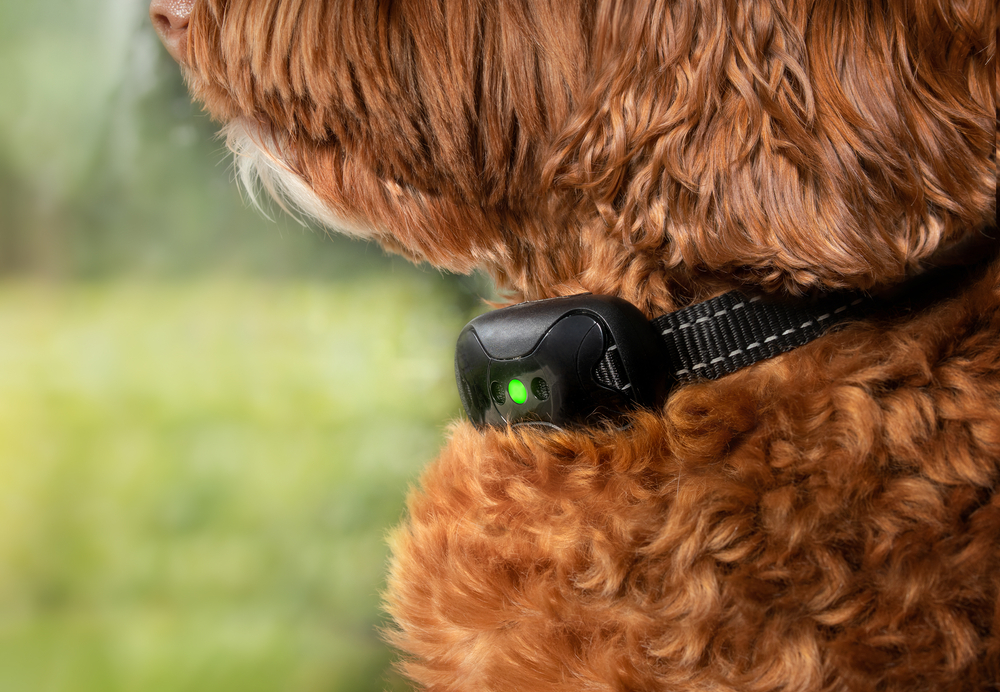
At their core, how do bark collars work is simple. They detect a dog’s bark and then deliver a stimulus meant to interrupt that behavior. Detection can happen by sound, by vibration at the throat, or both. The stimulus may be a harmless vibration, a harmless spray, an ultrasonic tone, or a short static pulse.
Most collars combine detection and correction with a short delay to avoid accidental triggers. The idea is to pair the bark with an interruption so the dog learns to stop. This learning is a form of operant conditioning. I’ve seen dogs stop problem barking after consistent, humane use of the right collar and training plan.

Types of bark collars and how they operate
There are several main types of bark collars. Each type answers the question how do bark collars work in a different way.
- Sound-activated collars
- Use a microphone to pick up barking.
- Good for dogs that vocalize loudly and when the collar can clearly hear the bark.
- Vibration or contact-activated collars
- Detect throat vibration from the dog’s own bark.
- Less likely to trigger from other dogs or noises.
- Static correction collars
- Deliver a mild static pulse when a bark is detected.
- The intensity can often be adjusted.
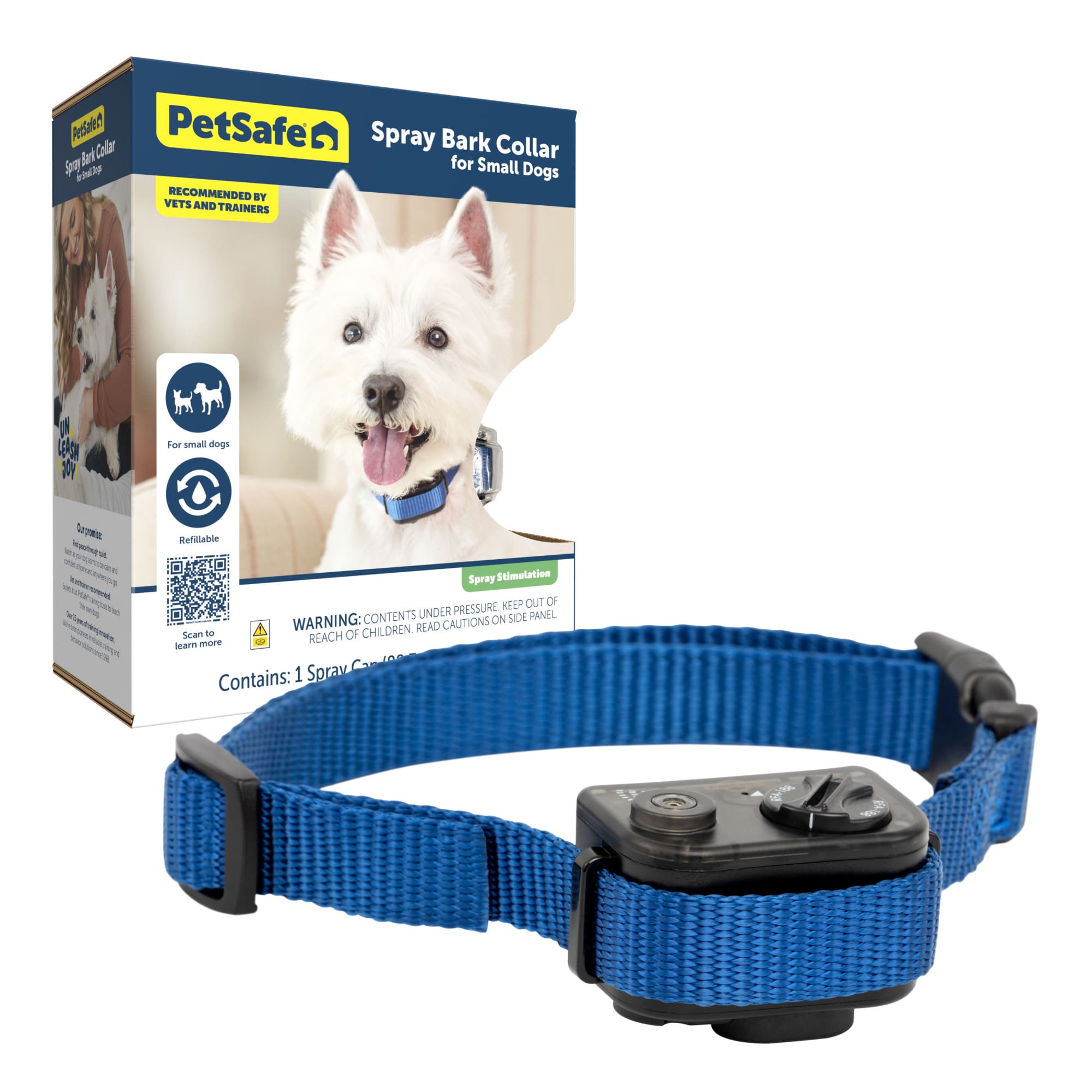
- Spray collars
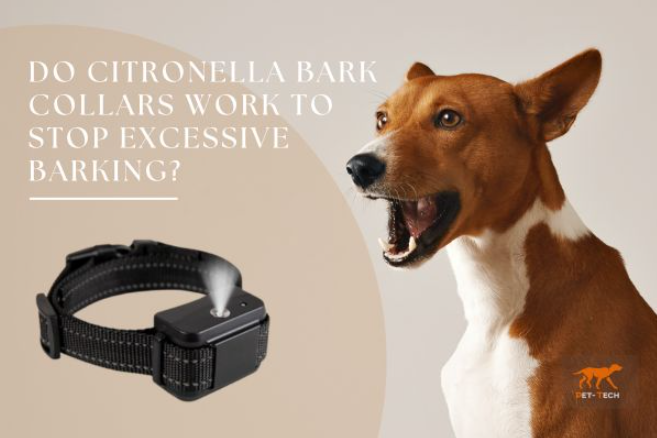
- Emit a short burst of citronella or water when the dog barks.
- The scent distracts the dog without electric stimulus.
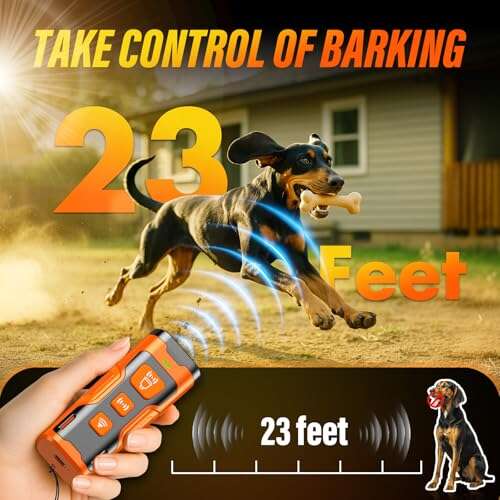
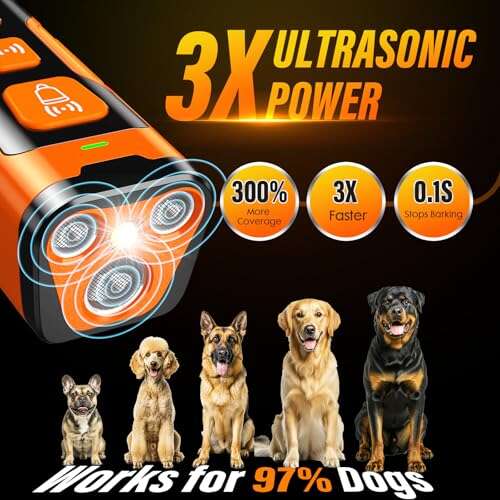
- Ultrasonic collars
- Produce a high-pitched sound humans barely hear.
- The tone is unpleasant for many dogs and pauses the bark.
- Vibration-only collars
- Provide a vibrating cue rather than a correction.
- Often used as a benign interruption or paired with positive training.
Each type answers the same basic question: how do bark collars work to change barking behavior? The method differs, but the learning goal stays the same.
How bark collars detect barking (sound vs. vibration)
Detection matters. If a collar mistakes other noise for your dog’s bark, you get false triggers. Here’s how detection types compare.
- Microphone detection
- Picks up sound and uses algorithms to confirm a bark.
- Can be sensitive to nearby barking, doors, or traffic.
- Vibration detection
- Senses throat movement when the dog vocalizes.
- Far less likely to trigger from outside noises.
- Hybrid systems
* Combine sound and vibration to reduce false positives.- Often the best balance for urban or multi-dog homes.
In practice, vibration or hybrid sensors are more accurate. When you ask how do bark collars work in noisy settings, the answer typically points to vibration or hybrid models.

Correction methods explained and their effects
Understanding the correction type helps set expectations for results and welfare.
- Static pulse
- Delivers a short, adjustable electric pulse.
- Works quickly but must be used responsibly and at low levels.
- Citronella or spray
- Distracts with a smell or light mist.
- Non-electric and often preferred by sensitive owners.
- Ultrasonic tone
- Emits high-frequency sound only dogs hear.
- May be ineffective for some dogs or cause avoidance.
- Vibration
- Uses a physical buzz as a cue.
- Often gentle and paired with reward-based training.
How do bark collars work to change behavior? They create a clear link between the bark and an interruption. Over time, many dogs stop the behavior to avoid or escape the stimulus. Success depends on timing, consistency, and the dog’s temperament.
Effectiveness: what to expect and limitations
Bark collars can be effective for many dogs, but they’re not a cure-all. Expect moderate to strong results with proper use. Here are key factors that affect success.
- Dog temperament
- Some dogs respond quickly; anxious or fearful dogs may not.
- Cause of barking
- Barking from boredom, fear, or medical issues needs different fixes.
- Collar fit and detection accuracy
- Poor fit leads to false triggers or no detection.
- Training plan
- Collars work best when paired with behavior modification and rewards.
I’ve used collars on nuisance barkers and seen fast improvement. But I’ve also seen owners rely on collars alone and get only temporary results. If you want lasting change, pair the collar with training and enrichment.

Safety, welfare, and ethical considerations
Safety matters most. When people ask how do bark collars work, they often want to know if collars harm dogs. Used correctly, most modern collars are safe. Still, follow these rules.
- Always use the lowest effective setting
- Start low and increase only if needed for detection.
- Don't leave collars on 24/7
- Remove during sleep or unsupervised times to prevent irritation.
- Check fit and skin daily
- A loose collar won’t detect; a tight one can chafe.
- Avoid on puppies or dogs with medical problems
- Growing necks and health issues change risk levels.
- Use as part of a training plan
- Collars should not replace positive training, exercise, or enrichment.
Veterinary behaviorists recommend considering the cause of the barking first. If barking is tied to anxiety or pain, address the underlying issue before using a collar.
Training tips and best practices when using a bark collar
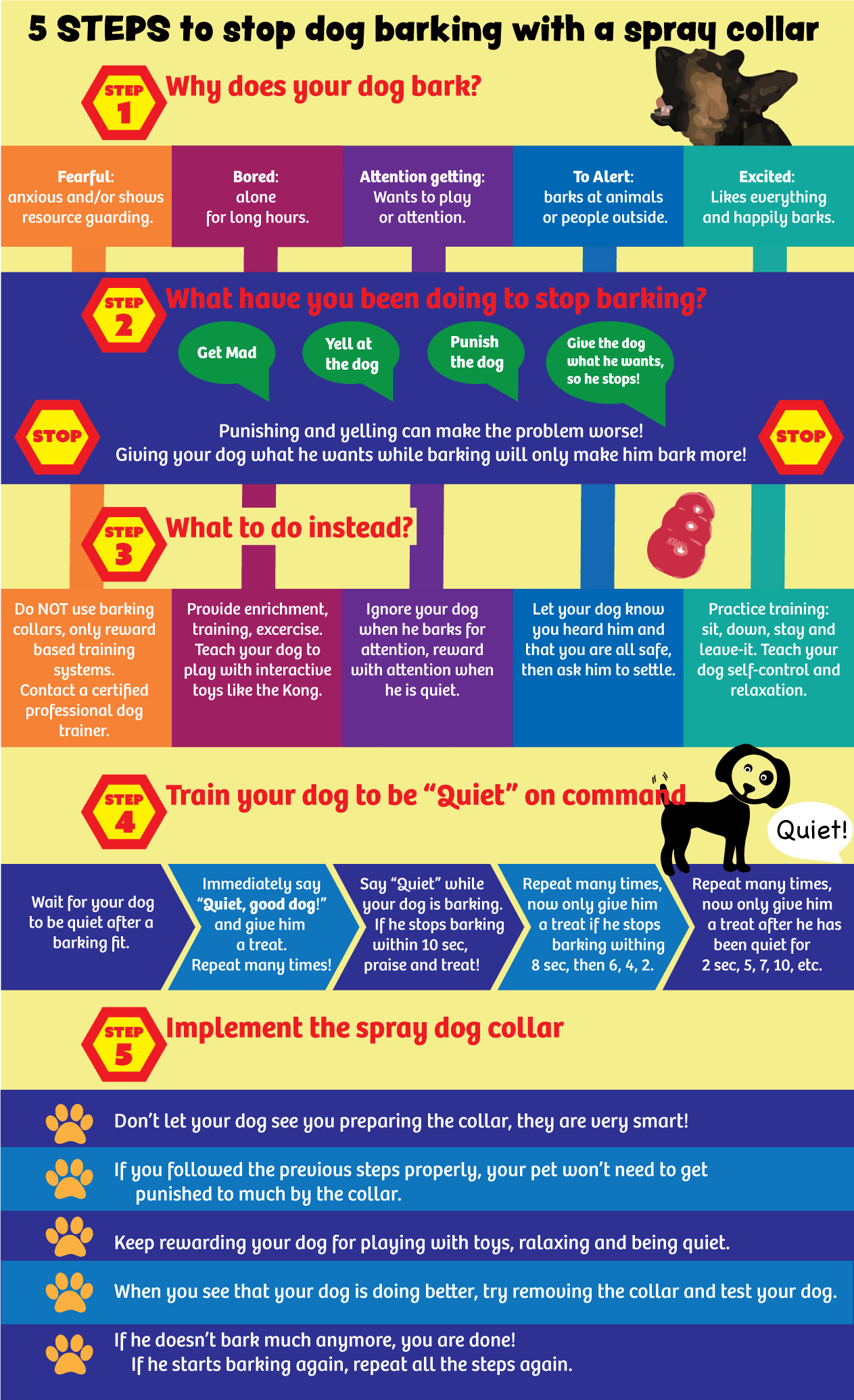
A collar alone rarely solves the root cause. Combine it with clear training. Here’s a simple plan that answers how do bark collars work best in practice.
- Assess the cause
- Note when and why barking happens. Address medical and environment triggers first.
- Choose the right collar
- Pick vibration or hybrid if noise is an issue. Use spray or vibration for sensitive dogs.
- Fit the collar properly
- Contact points should touch the skin but not pinch.
- Use rewards
- Reward quiet moments immediately with treats or praise.
- Gradual introduction
- Let the dog wear the collar without corrections first to get used to it.
- Monitor progress
- Track changes and reduce reliance on the collar as the dog improves.
From my experience, pairing a collar with short training sessions gives the best, fastest results. I once helped a neighbor whose dog barked at the door; within two weeks of consistent collar use and reward for quiet, the habit faded.

Choosing the right bark collar for your dog
Picking a collar comes down to detection, correction type, and safety. Ask these questions.
- Is your home noisy?
- If yes, choose vibration or hybrid detection.
- Is your dog sensitive?
- Consider spray or vibration instead of static.
- Is the dog small or a puppy?
- Use lightweight options designed for smaller necks.
- Do you want remote control or automated?
- Remote models give you control; automated models react immediately.
Shop smart. Read fit guides and user reviews. If unsure, consult a trainer or your vet about how do bark collars work for your dog’s needs.
My experience, lessons learned, and mistakes to avoid
I’ve tested different collars over years with varied dogs. Here are honest insights.
- Start with humane options
- I began with vibration collars and saw good results without stress.
- Don’t rush to high settings
- I once raised static too quickly and caused unnecessary fear. Lower settings worked later.
- Combine with routine and play
- Dogs bark less when they get proper walks and jobs. Collars alone were less effective.
- Watch for false triggers
- One model picked up other dogs’ barks. Switching to vibration solved it.
These lessons show that how do bark collars work depends on thoughtful use. Patience and consistent rewards make a big difference.
Frequently Asked Questions of how do bark collars work
How soon will a bark collar stop my dog's barking?
Most dogs show change within days, but consistent use and training matter. For lasting results, expect two to six weeks of paired training.
Are static bark collars painful for dogs?
When adjusted properly, static pulses are short and low. They are meant to be a mild interruption, not painful, but sensitivity varies by dog.
Can bark collars harm a dog's behavior or cause anxiety?
If misused or set too high, collars can increase anxiety or fear. Use the lowest effective setting and monitor your dog’s response closely.
Will a bark collar work if my dog barks at other dogs outside?
It can, especially models with vibration or hybrid detection. However, addressing social triggers and training is often needed for long-term change.
Do bark collars work on small breeds and puppies?
Many collars have small-breed versions, but avoid collars on very young puppies. Puppies are still learning and may need behavior-focused training first.
Can the collar be triggered by other dogs or noises?
Microphone-only collars are more likely to false-trigger. Vibration or hybrid collars reduce false detections by sensing the dog’s throat movement.
Should I use a bark collar alone or with training?
Use it with training and enrichment. Collars are a tool, not a replacement for exercise, socialization, or behavior work.
Conclusion
Bark collars work by detecting a dog’s bark and giving a brief, controlled interruption to change behavior. They can be effective when matched to your dog’s needs, used at the lowest effective setting, and combined with reward-based training. Think of a collar as one tool in a toolbox that includes exercise, enrichment, and clear training. Try a humane, well-fitted option, monitor your dog, and consult a professional if barking stems from fear or medical issues. If you found this helpful, consider testing a recommended model responsibly, subscribe for more pet behavior advice, or leave a comment with your dog’s story.

Pet Care Writer & Researcher
Daniel writes practical guides on daily care, feeding, and safety, turning complex topics into simple, actionable advice.