How To Get Puppy To Stop Barking In Crate: Calm Crate Tips
Quick, humane steps to stop barking and teach calm crate behavior. Learn how to get puppy to stop barking in crate with practical training tips and routines.
Start gentle crate training, build calm routines, and reward quiet consistently every time.
I help owners learn how to get puppy to stop barking in crate with clear, humane steps backed by experience. I’ve trained many pups and solved common crate-barking problems by combining exercise, timing, and positive reinforcement. Read on for practical, step-by-step guidance you can use tonight to reduce barking and make crate time peaceful.
Why puppies bark in the crate
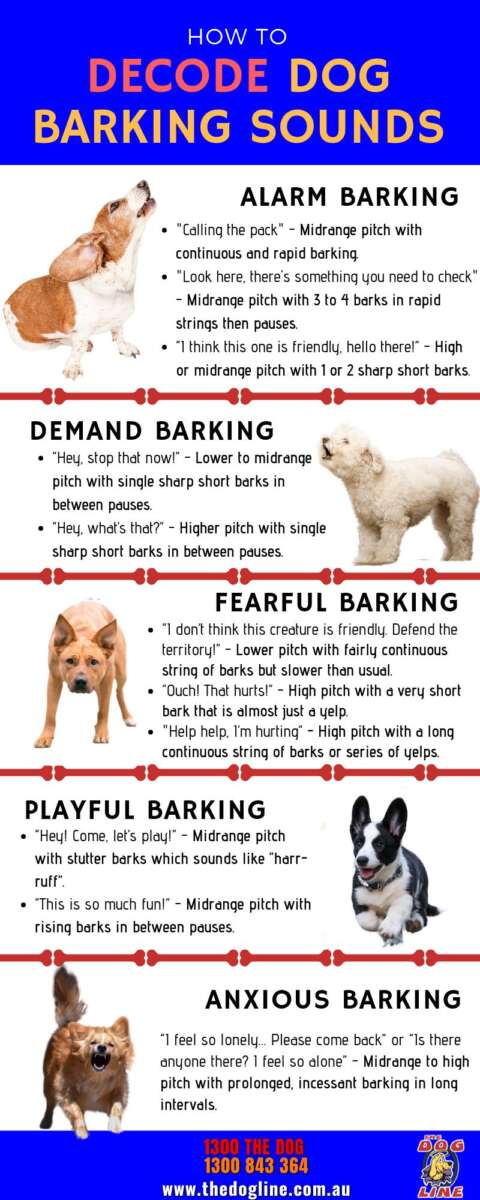
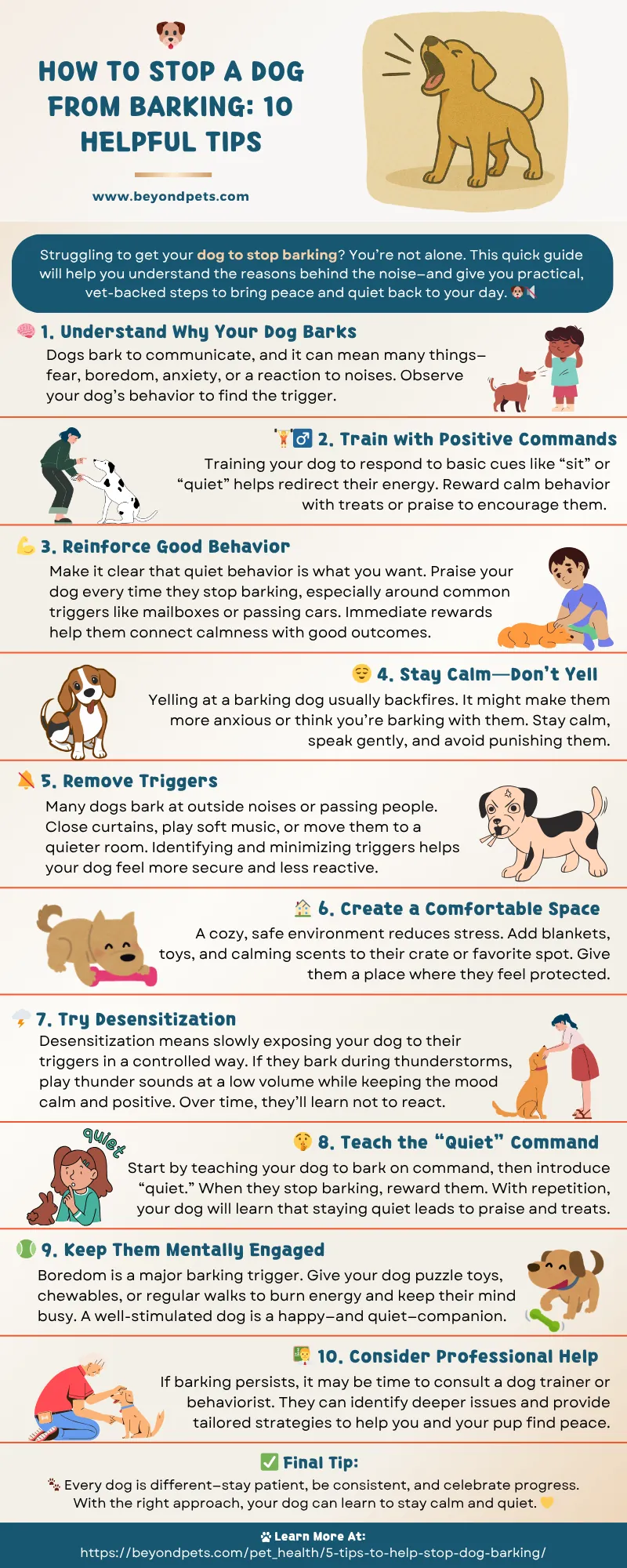
Puppies bark for many reasons. They might be bored, scared, need a bathroom break, or want attention. Barking can also come from separation anxiety or a crate that feels unfamiliar. Understanding the cause is the first step to addressing how to get puppy to stop barking in crate.
Puppies are wired to use sound to communicate. Barking is normal, but persistent barking in a crate means a need is unmet. When you approach the problem with patience and a plan, barking drops fast.

Core principles to stop crate barking
Focus on safety, timing, and reward. Teach the crate as a positive place. Avoid using the crate as punishment. Use short, consistent sessions and reward quiet behavior immediately.
Key ideas that work:
- Make crate time predictable. Routines reduce stress.
- Match activity to need. A tired puppy barks less.
- Reward silence. Give a treat the moment barking stops.
- Avoid reinforcing attention-seeking barking. Wait for quiet before engaging.
These principles form the foundation of how to get puppy to stop barking in crate. Use them every day for best results.

Step-by-step training plan to stop crate barking
Use this progressive plan over days and weeks. Keep sessions short. Train when you are calm and focused.
-
Prepare the crate and space
- Choose the right crate size. Puppy should stand, turn, and lie down comfortably.
- Place soft bedding, a safe chew toy, and a cover if puppy prefers den-like spaces.
- Put the crate in a family room at first so puppy feels safe.
-
Make the crate inviting
- Feed meals inside the crate for several days. Toss treats inside for exploration.
- Start with the door open. Let the puppy enter and exit freely.
- Practice brief sit-in-crate sessions while you remain nearby.
-
Build tolerance gradually
- Close the door for a few seconds while you sit beside the crate. Open, praise, and reward.
- Increase closed-door time by a few seconds each session. Keep praise low-key.
- Move to leaving the room for short intervals, then return before barking begins.
-
Teach a quiet cue
- When the puppy is quiet for 2–3 seconds, mark the silence with a sound or word and give a treat.
- Gradually extend quiet periods before rewarding.
- Use the cue in the crate and elsewhere to generalize quiet behavior.
-
Address needs before crating
- Give a bathroom break immediately before crating.
- Provide 10–20 minutes of play or a short walk to expend energy.
- Offer a safe chew toy or puzzle feeder to occupy the puppy.
-
Night and long-duration strategies
* Start with crate in your bedroom so puppy feels close at night.- Use a warm water bottle or safe snuggle toy for comfort.
- If barking starts at night, wait a few minutes to see if puppy settles; avoid immediate attention that rewards barking.
This plan shows how to get puppy to stop barking in crate using gradual exposure and rewards. Patience and steady progress win.

Troubleshooting and special cases
Some barking needs different treatment. Identify the likely cause and choose the right fix.
Separation anxiety
- Signs: frantic barking, pacing, destructive behavior, and long vocalizations.
- Approach: consult a trainer or vet. Use desensitization and gradual departures. Medication may be needed in severe cases.
Pain or illness
- Signs: sudden change in behavior, whining, or inability to settle.
- Approach: see a vet promptly. Treat any medical issue before retraining.
Nighttime whining from young puppies
- Cause: puppies have small bladders and miss littermates.
- Approach: schedule a late-night bathroom break. Be calm and brief during checks.
Regression or setbacks
- Common after changes in routine, new home, or illness.
- Approach: return to earlier, shorter steps and rebuild trust slowly.
When you face a hard case, remember that how to get puppy to stop barking in crate depends on the root cause. Adjust tactics and seek help when needed.
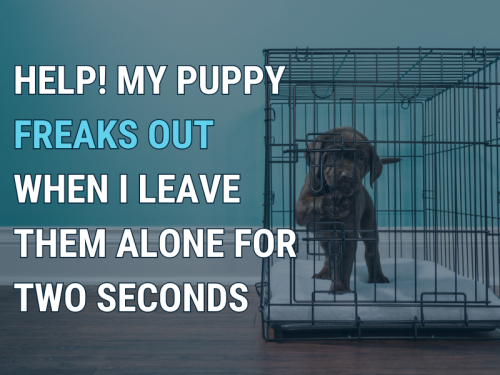
Tools, toys, and crate setup that help stop barking
The right items make crate training easier and quieter. Choose safe, effective tools.
- Crate size and type
- Use a crate that fits the puppy. Wire crates allow airflow and visibility. Soft crates work for calm pups.
- Bedding and comfort
- Use washable bedding. Avoid stuffing if the puppy chews bedding unsafely.
- Enrichment toys
- Use puzzle feeders, long-lasting chews, or frozen peanut butter Kongs to occupy attention.
- Calming aids
- Consider white noise, pheromone diffusers, or a worn T-shirt with your scent for comfort.
- Monitoring tools
- A camera helps you watch behavior without returning and accidentally reinforcing barking.
These tools support your plan for how to get puppy to stop barking in crate. Use them thoughtfully and safely.
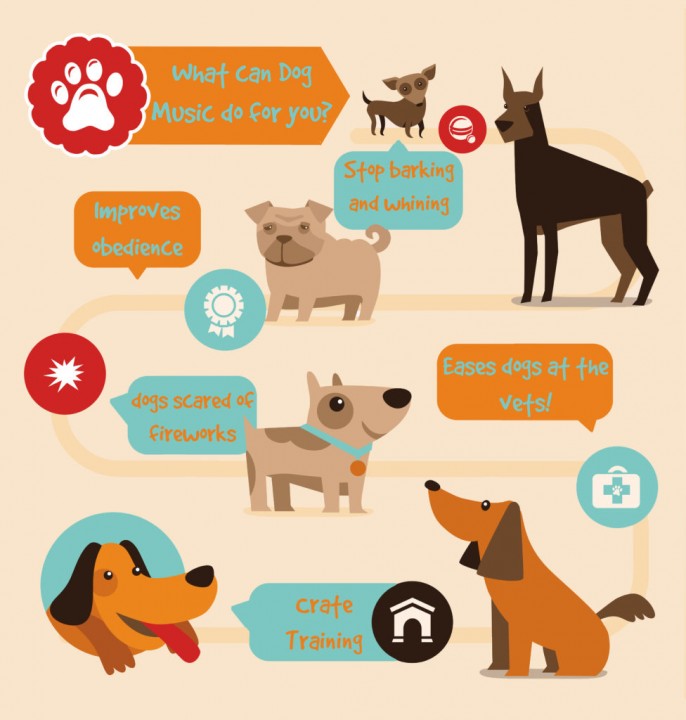
Quick answers to common PAA-style questions
How long does crate training usually take?
Most puppies learn basic crate comfort in 1–3 weeks with daily, consistent sessions. Full night-time calm and longer alone time may take several months.
Will letting my puppy cry it out work?
Ignoring attention-seeking barking can help if done correctly, but crying from anxiety needs gradual desensitization. Be careful not to ignore needs like bathroom breaks or pain.
How much exercise does a puppy need before crating?
Short bursts of play and a 10–20 minute walk or play session are often enough. Match activity to breed and age to reduce restlessness.
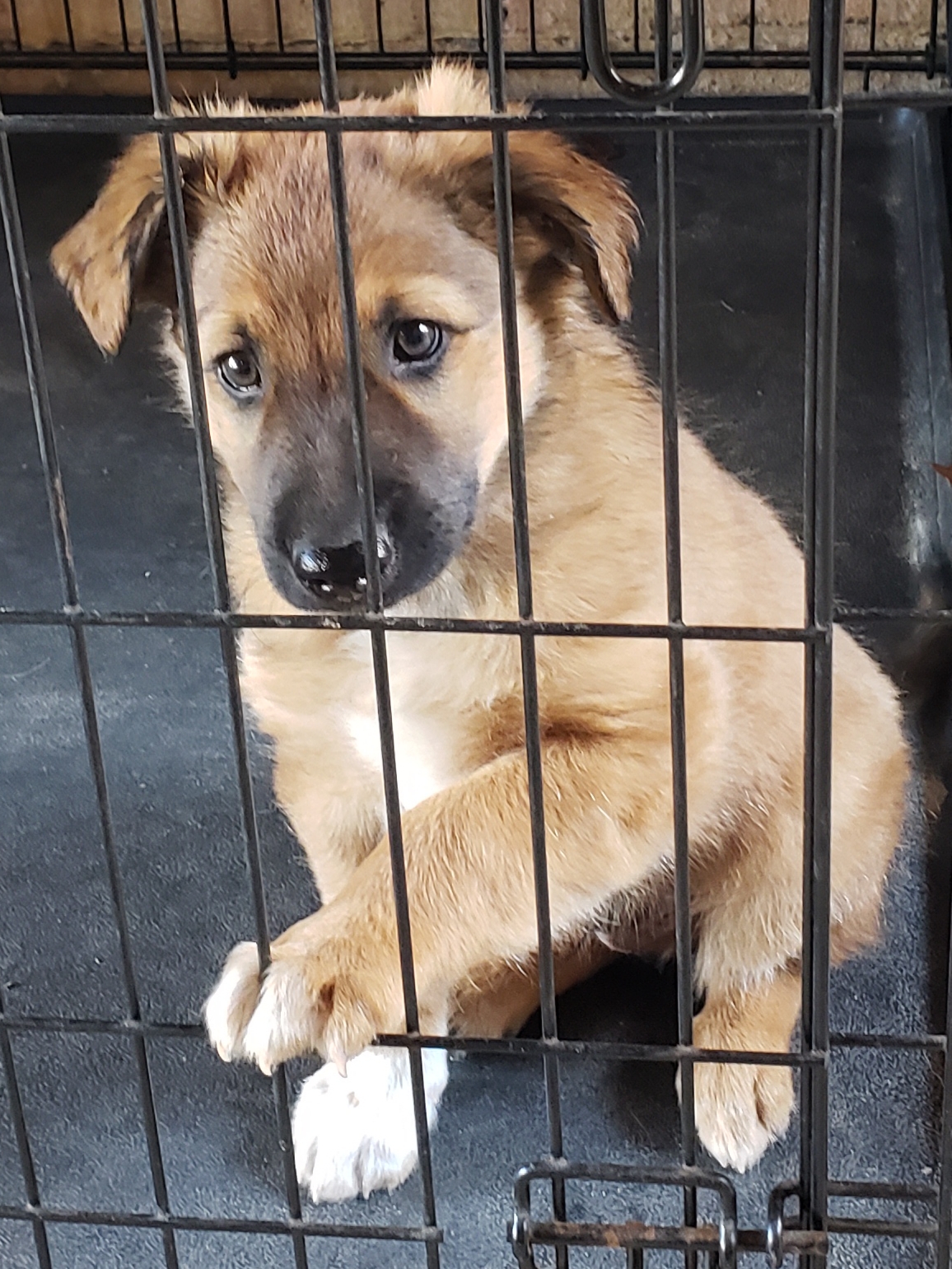
Personal insights, mistakes to avoid, and real-life tips
I have trained many puppies and learned what works and what fails. My best tip: small wins build big change. Celebrate short quiet periods. Keep training very short and frequent.
Common mistakes I’ve seen:
- Crating as punishment. This creates fear and more barking.
- Moving too fast. Skipping steps leads to setbacks.
- Rewarding barking by returning immediately. That reinforces the behavior.
A real-life example: a 12-week lab pup barked loudly overnight. We moved the crate to the bedroom, gave a pre-bed potty break and a frozen chew toy, and rewarded three-second silences. Within five nights the puppy slept through most of the night. Small routines and consistent rewards made the difference.
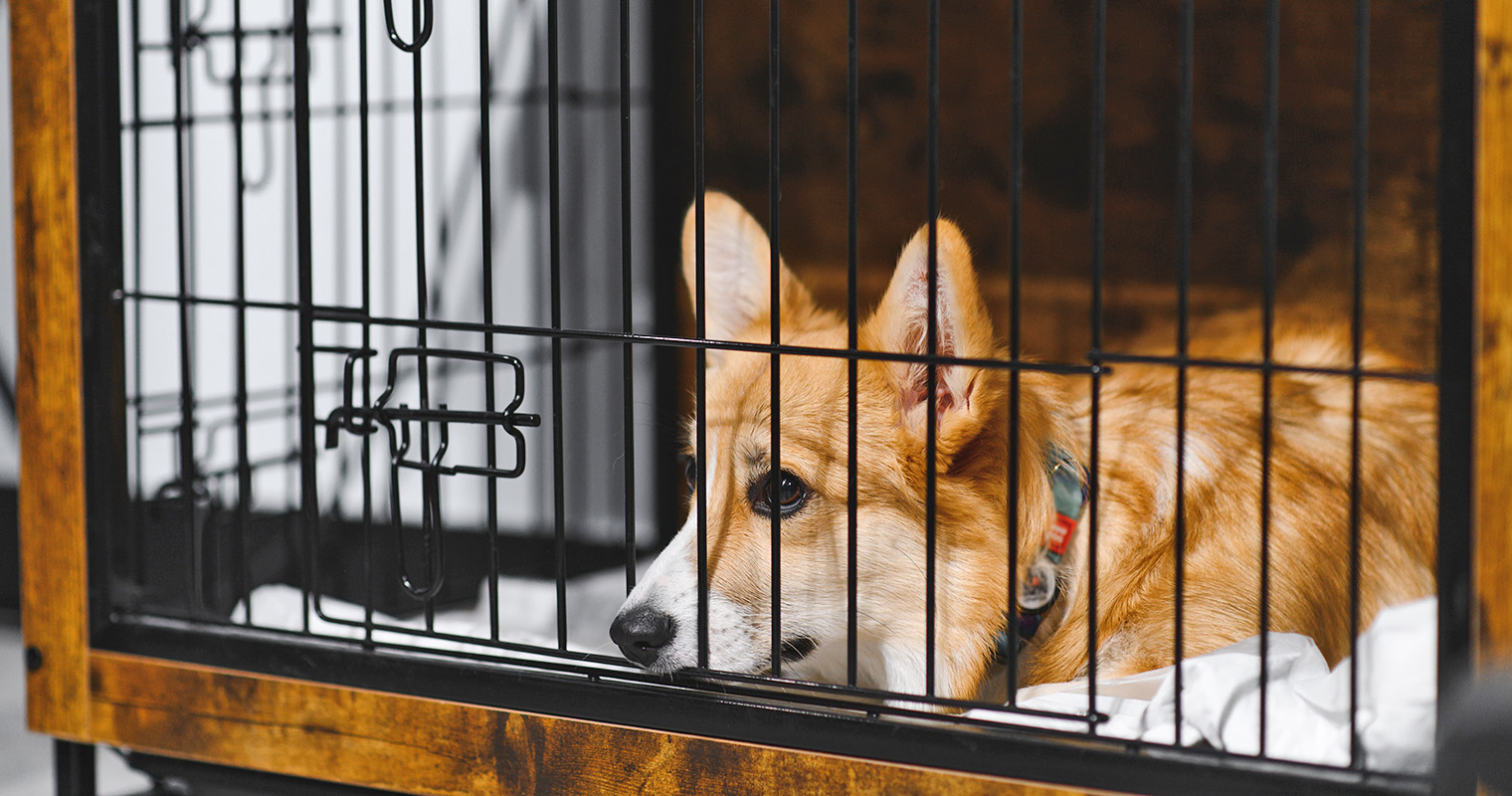
Frequently Asked Questions of how to get puppy to stop barking in crate
How long should I leave my puppy in a crate?
Young puppies should not stay crated longer than their age in months plus one hour (for example, a 3-month-old for 4 hours). Always break up long periods with potty and play breaks.
Can I use treats to stop barking in the crate?
Yes. Use treats to reward quiet behavior immediately. Avoid giving treats while the puppy is barking or you will reward the wrong action.
Is it okay to let my puppy cry a little when crating?
Short, calm crying while adjusting is normal, but nonstop frantic barking suggests a need is unmet. Check for bathroom needs or illness and shorten sessions if stress is high.
Should I crate train during the day or night first?
Start during the day with short, positive sessions so the puppy learns the crate is safe. Move to night crating once the puppy is comfortable and calm in daytime sessions.
When should I get professional help for crate barking?
Seek a trainer or vet if barking is extreme, if you suspect separation anxiety, or if medical issues may be involved. Professional help speeds progress and ensures welfare.
Conclusion
You can reduce and often stop how to get puppy to stop barking in crate with patience, clear steps, and consistency. Focus on routine, proper exercise, slow exposure, and rewards for quiet. Track progress, adjust for your puppy’s needs, and seek help when needed. Start tonight: set a calm routine, add a favored chew toy, and reward the first moments of silence. Try these steps, share your results, and subscribe or comment to learn more about gentle crate training.

Pet Care Writer & Researcher
Daniel writes practical guides on daily care, feeding, and safety, turning complex topics into simple, actionable advice.