How To Get A Puppy To Stop Barking In Cage: Fast Crate Tips
Learn how to get a puppy to stop barking in cage with proven crate-training steps, calming routines, and quick fixes to reduce noise and stress for both of you.
Use calm crate training, reward quiet, and meet needs to stop barking in the cage.
I have trained many young dogs and worked with trainers to solve crate barking. This guide shows clear steps on how to get a puppy to stop barking in cage. You will find simple training plans, reasons why puppies bark, tools that help, and real-life tips I used with my own puppies. Read on to build calm crate time for your pup and yourself.
Why puppies bark in a cage
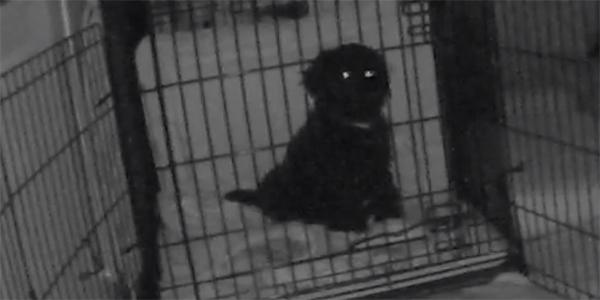
Puppies bark in a cage for many reasons. They may feel lonely, scared, bored, or need to potty. They also bark to get attention or because they lack routine. To stop barking you must first find the main cause and meet the need.

First steps: safe space, routine, and basics of crate training
Start slow and keep sessions short. Place the crate where the family spends time. Teach the crate as a safe place with treats and praise. If you want to know how to get a puppy to stop barking in cage, begin by making the crate a happy spot, not a place of punishment.
- Use a soft bed or pad that is easy to wash.
- Keep water available but limit at night if house-training is an issue.
- Close the crate for a few minutes at first, then add time.
Aim for many wins. Reward quiet, calm behavior. End sessions before the pup gets anxious.
Behavioral strategies and step-by-step training
Use consistent, calm methods. These steps work well in most cases.
- Introduce the crate with food. Toss treats inside. Let the pup enter on their own.
- Feed meals in the crate. This links the crate to good things.
- Practice short crate sits. Start 5–10 minutes. Build time slowly.
- Reward silence. Wait one to two seconds of quiet then give a treat. Increase the wait time as the pup learns.
- Add a cue for quiet. Say "quiet" once. Reward silence immediately.
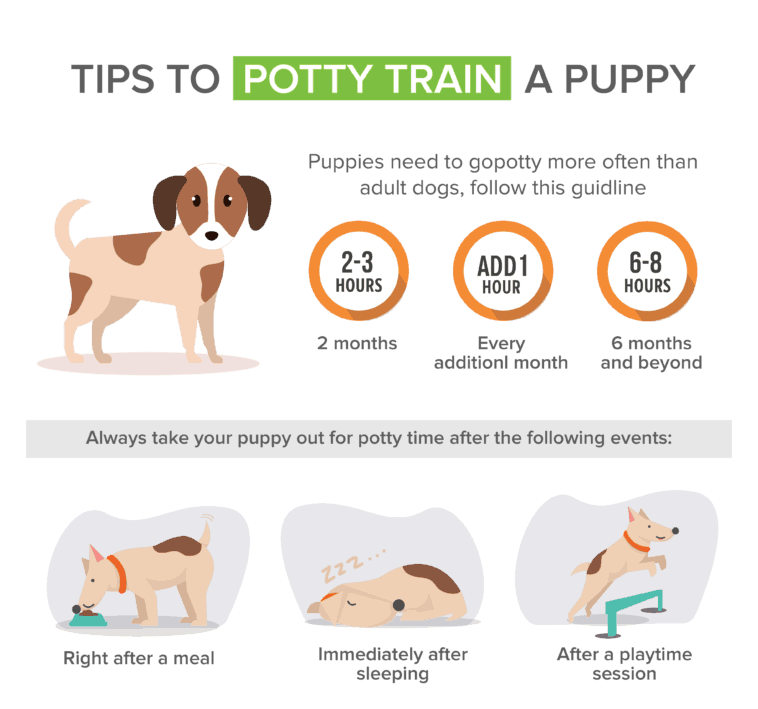
- Use scheduled play and bathroom breaks. A tired puppy barks less.
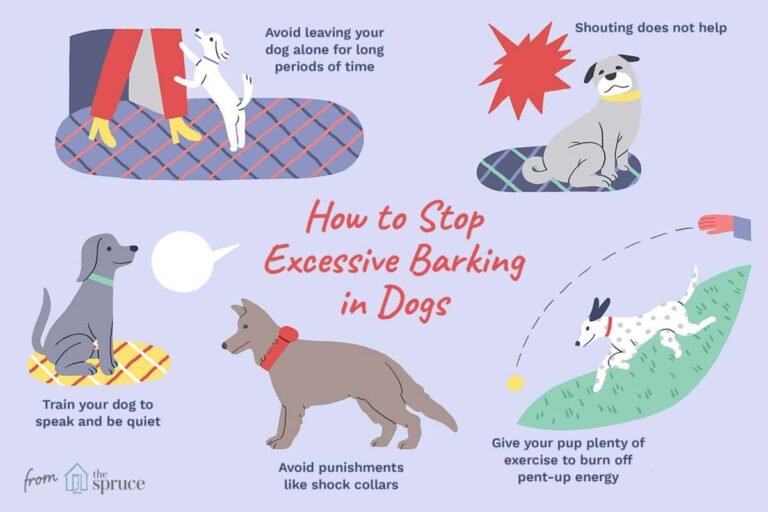
If barking starts, do not yell. Yelling can sound like joining in. Calmly wait for quiet. Then reward calm. When you train how to get a puppy to stop barking in cage, patience matters more than force.

Tools, toys, and environment adjustments
Small changes can reduce barking fast. Match tools to your pup’s age and needs.
- Use safe chew toys or puzzle feeders to keep the puppy busy.
- Try a snug crate cover to reduce visual triggers and help calm some pups.
- Add white noise or soft music to mask outside sounds that trigger barking.
- Consider timed feeders or frozen treats for longer distraction.
- Use a properly sized crate; not too big, so the pup feels secure.
Be careful with devices that punish barking. They can harm trust. I found toys and routine work best for long-term calm. If you need to learn how to get a puppy to stop barking in cage, pick tools that build comfort, not fear.

Troubleshooting common problems and quick questions
If barking persists, reassess the cause. Check health, schedule, and crate comfort. Sometimes the pup needs more exercise or a vet visit. Use these quick answers for common bumps.
Why does my puppy scream at night in the crate?
Young pups miss their litter and may cry for comfort. Shorten alone time slowly and offer a warm blanket or a nearby ticking clock for comfort.
My puppy barks when I leave the room. What now?
This can be separation anxiety or learned attention-seeking. Practice short departures and return calmly without fuss. Increase time away slowly.
Can I scold my puppy when it barks in the crate?
No. Scolding often makes anxiety worse. Instead, reward quiet and use redirection.
PAA-style question: How long before a puppy stops barking in a crate?
A well-run plan often shows improvement in days to weeks. Results vary by dog, consistency, and cause.
PAA-style question: Is it okay to leave a puppy in a crate overnight?
Yes for short periods and when house-trained. Ensure potty needs are met and the crate is comfortable.
PAA-style question: Will crate training harm my puppy?
No when done right. Crate training gives a safe den-like space. Avoid long, unsupervised stays.
Frequently Asked Questions of how to get a puppy to stop barking in cage
How long should crate sessions be for a young puppy?
Start with 5–10 minute sessions several times daily. Gradually work up to longer periods as the pup stays calm.
What if my puppy only barks when I leave?
Begin with short practice departures. Reward quiet on return and add mental work and walks to reduce anxiety.
Can treats fix barking in the crate?
Treats help teach quiet. Pair treats with a "quiet" cue and slow builds in time to make them effective.
When should I seek professional help for crate barking?
If barking is severe, lasts for long stretches, or seems linked to deep anxiety, seek a trainer or behaviorist. A vet check is wise if barking is sudden or linked to pain.
Is it okay to let the puppy cry it out in the crate?
Not recommended. Ignoring mild whining while building tolerance is ok, but constant cry-it-out can harm trust and increase anxiety.
Personal experience and mistakes I learned from
I once rushed crate time with a six-month-old pup. I closed the door too soon. The pup panicked and barked more. I restarted with short sits and treats. The pup calmed in a week. The key lesson: move at the pup’s pace. Slow wins trust. Use praise, not punishment. Small, steady steps beat quick fixes.
Limitations and when crates are not the solution
Crates are not a fix for all issues. If a puppy has deep separation anxiety, crate time alone may not help. Medical issues can raise barking. Crates also are not for full-day confinement. Use the crate as part of a bigger plan that includes exercise, training, and vet care.
Conclusion
You can change barking in the crate with calm training, routine, and care. Find the cause, give the pup tools and comfort, and use consistent rewards. Start small, build slowly, and track progress. Try one method for a week before changing it. Act now: pick one step from this guide and use it today. If this helped, leave a comment or try the next training step and share what worked.

Pet Care Writer & Researcher
Daniel writes practical guides on daily care, feeding, and safety, turning complex topics into simple, actionable advice.