How To Train Dogs To Stop Barking: Effective Quieting Tips
Stop constant noise with proven methods to train dogs to stop barking – step-by-step tips, rewards, and timing to calm your dog fast.
Teach a clear “quiet” cue, reward calm behavior, and remove triggers consistently.
I’ve trained dozens of dogs to stop barking using simple, humane methods. This guide gives step-by-step plans, real-life tips, and science-backed advice on how to train dogs to stop barking. You’ll learn how to find the cause, choose the right technique, and fix common mistakes. Read on for practical steps that work for most dogs, whether you have a yappy pup or a dog that barks at visitors.

Why dogs bark and what it means for training how to train dogs to stop barking
Dogs use barking to talk. Barking can mean excitement, fear, boredom, or alarm. To stop barking, you must first know why your dog barks. Training that ignores the cause will often fail.
Common reasons dogs bark
- Alerting to noises or people
- Seeking attention
- Boredom or excess energy
- Fear, anxiety, or stress
- Medical pain or discomfort
How this affects training how to train dogs to stop barking
- If a dog barks for attention, remove the reward. Reward quiet instead.
- If a dog barks from fear, use desensitization and counter-conditioning.
- If a dog barks from boredom, add exercise and mental work.
Experience note: I once helped a beagle who barked at every delivery. We solved it by pairing the doorbell sound with treats and teaching a calm “sit.” Within weeks the barking dropped by 80 percent.

How to assess your dog before you train dogs to stop barking
A good plan starts with a clear assessment. Spend a few days watching when and why your dog barks. Keep notes. This makes training faster and more precise.
Steps to assess
- Log barking events for 3–7 days. Note time, trigger, and length.
- Check health: take your dog to the vet if barking began suddenly.
- Note environment: noises, people walking by, other dogs, or empty house times.
- Identify patterns: is it every time the mail arrives, or only late at night?
What to record
- Trigger (doorbell, strangers, other dogs)
- Response (bark once, nonstop, with pacing)
- Outcome (did someone comfort the dog, the intruder left, owner came)
Personal tip: Use a simple phone note app to track barking. Seeing triggers in writing often reveals a fixable pattern.

Step-by-step training plan for how to train dogs to stop barking
This step-by-step plan covers most barking issues. Follow the steps in order. Stay patient and consistent.
Step 1 — Remove immediate rewards
- Do not yell at or soothe barking if the dog wants attention. That can reward the barking.
- Ignore attention-seeking barks until the dog is quiet for a few seconds.
- When quiet, give calm praise and a treat.
Step 2 — Teach a “quiet” cue
- Start when the dog barks once or twice.
- Wait for a brief pause. Say “quiet” once and give a treat while the dog is silent.
- Repeat in short sessions of 5–10 minutes, multiple times daily.
- Gradually increase the silent time required before reward.
Step 3 — Desensitize to triggers
- Identify a trigger at a low intensity (e.g., a distant knock).
- Pair the trigger with a treat or play while the dog remains calm.
- Slowly increase intensity as the dog stays relaxed.
Step 4 — Counter-condition emotional barking
- If barking is driven by fear, pair the trigger with something positive.
- Give high-value treats when the trigger appears but the dog looks calm.
- Over time the dog will associate the trigger with good things, not fear.
Step 5 — Add alternatives and mental work
- Teach the dog tasks that replace barking: go to mat, sit-and-watch, or a quiet chew.
- Use games, puzzle toys, and short training sessions to reduce boredom.
Step 6 — Use consistency across family and neighbors
- Everyone must use the same rules and cues.
- Set clear boundaries and reward quiet consistently.
Example training session
- Play a recording of a mail truck at low volume.
- If your dog barks, wait for a 2-second pause.
- Say “quiet,” give a treat, and praise.
- Repeat 10–15 times daily, slowly increasing volume.
Will punishment stop barking quickly?
Punishment may stop barking short-term but can create fear and more problems. Positive methods work longer and keep trust.
How long until I see results?
You can see improvement in days for attention-based barking. Fear or separation-related barking may take weeks to months.
Practical mistake to avoid
- Don’t reward barking by giving attention, opening doors, or shouting. That reinforcement keeps the behavior alive.

Tools, aids, and safety when you train dogs to stop barking
Tools can help, but they are not a substitute for training. Use aids wisely and choose humane options.
Helpful tools
- High-value treats for counter-conditioning
- Long-line leash for controlled exposure work
- Puzzle toys and chews for boredom
- White noise or soft music to mask outside sounds
- Baby gates or crates to manage space
Avoid or use caution with
- Shock collars: can harm trust and increase fear. Not my recommended first choice.
- Citronella collars: can work but may stress some dogs.
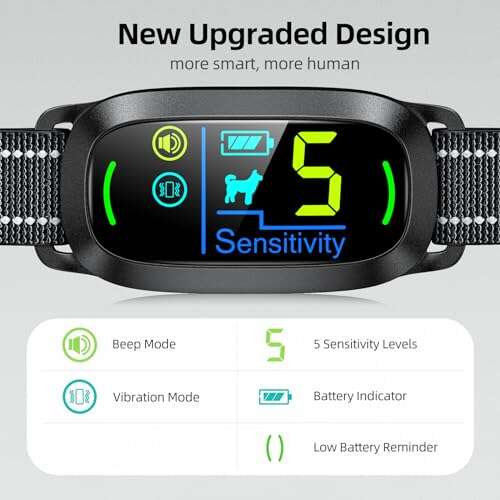
- Vibration or ultrasonic devices: mixed results; monitor your dog’s reaction.
Veterinary and professional options
- If barking is linked to anxiety, a vet may recommend anti-anxiety meds alongside training.
- Certified behaviorists can design programs for severe cases.
Personal view: I prefer reward-based methods. Tools are useful for management. For severe anxieties, I refer clients to a vet or a behaviorist.

Troubleshooting and when to seek a professional for how to train dogs to stop barking
Some barking needs expert help. Know when to ask for help and how to approach professionals.
Red flags to see a vet or behaviorist
- Sudden, unexplained increase in barking
- Barking combined with signs of pain or sudden aggression
- Long bouts of barking that won’t respond to basic training
- Barking tied to severe separation anxiety
What a professional can do
- Rule out medical causes
- Create a step-by-step behavior modification plan
- Recommend medication if needed and monitor effects
How to choose help
- Look for certified trainers and board-certified behaviorists.
- Ask for references and a clear plan.
- Avoid quick-fix promises or aversive-only approaches.
My experience: A husky once barked from an ear infection. Training failed until the vet treated the ear. Always check health first.

Frequently Asked Questions of how to train dogs to stop barking
What is the fastest way to stop a dog from barking?
The fastest humane way is to remove the reward for barking and teach a quiet cue. Pair the cue with treats and praise during calm moments.
Can boredom cause a dog to bark nonstop?
Yes. Dogs need exercise and mental work. More walks, play, and puzzle toys reduce boredom barking.
Will shock collars stop barking permanently?
Shock collars may stop barking short-term but can cause fear and worse behavior. Positive training is safer and more reliable long-term.
How do I stop my dog from barking at strangers?
Use desensitization and counter-conditioning. Start with low-intensity exposure and reward calm behavior as you slowly increase intensity.
My dog barks when left alone. How do I fix separation barking?
Start with short departures, build up time gradually, and teach calming behaviors. Seek professional help if barking is severe or linked to panic.
Is it normal for puppies to bark more than adults?
Yes. Puppies explore the world with their voice. Consistent training and socialization reduce excessive barking as they mature.
How long will training take?
It depends on the cause. Some dogs show major improvement in days. Others, especially anxious dogs, may take weeks to months.
Conclusion
Stopping unwanted barking is doable with clear steps. Identify the cause, remove rewards for barking, teach a solid “quiet” cue, and use desensitization for triggers. Be patient and consistent, and get professional help when needed. Start small today: log a week of barking events and try the first quiet-cue session tomorrow. Share your progress, ask questions, or subscribe for more training guides.

Pet Care Writer & Researcher
Daniel writes practical guides on daily care, feeding, and safety, turning complex topics into simple, actionable advice.