Why Do Dogs Bark At Mailman: Reasons And Fixes
Learn why do dogs bark at mailman, what triggers it, and simple vet-backed tips to calm your dog and stop mailtime barking.
Dogs bark at the mailman because they see a stranger near their territory and react to movement and noise.
I’ve spent years watching dogs do this up close. I will explain why dogs bark at mailman in plain terms. I’ll break down the instincts, the learned habits, and the simple fixes that work. Expect clear steps you can try today and tips based on real experience.
Why do dogs bark at mailman
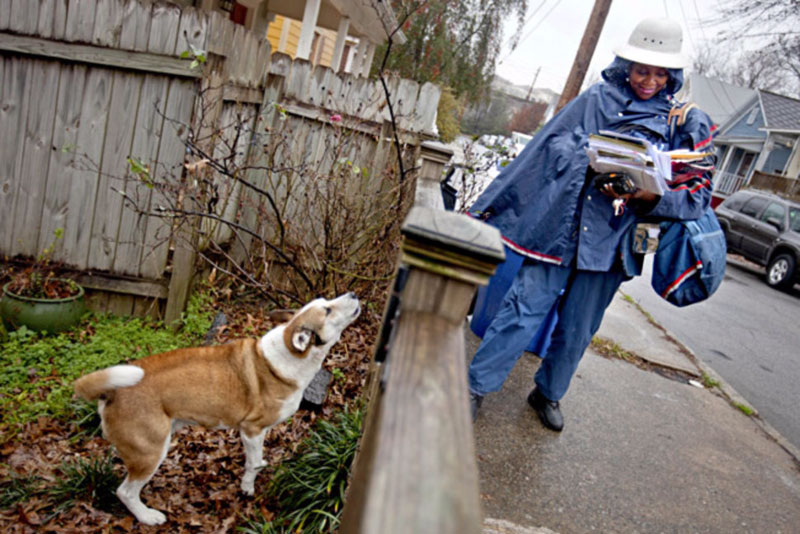
Dogs bark at mailman for many reasons. Most begin with instinct. A human in a uniform steps into a dog’s space. The dog reacts.
Common causes
- Territorial instinct. Dogs protect their yard and home. The mailman approaches the front door. Barking warns the intruder.
- Startle and motion. Sudden movement or noise triggers barking fast.
- Routine recognition. Dogs learn the pattern. A person arrives at the same time each day. The dog barks preemptively.
- Fear and anxiety. Some dogs bark because the situation is stressful.
- Reinforced behavior. If barking makes the mailman leave or earns attention, the dog repeats it.
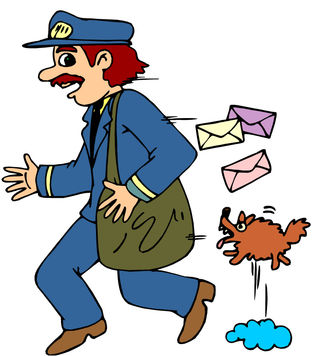
- Prey or chase drive. Movement can trigger a dog’s urge to chase.
- Scent and sight cues. Uniforms, bags, and vehicles look and smell different. Dogs notice this.
Why the mailman stands out
- Fast foot traffic at the gate or door.
- Repeated visits at similar times.
- Distinct sound of mail slot, knock, or truck.
- A person who avoids interaction can seem suspicious to a dog.
Why dogs bark at mailman is often a mix of instinct and learning. The dog uses barking to solve a problem. The problem looks like a potential intruder.
How dogs learn to bark at mailman
Learning turns an instinct into a habit. Small things add up over time.
How learning happens
- Classical conditioning. The mail truck sound predicts someone at the door. The dog learns to expect an entry.
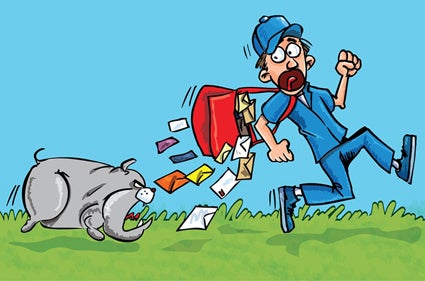
- Operant conditioning. Barking that produces a result gets repeated. If barking scares the mailman away, it’s “worked.”
- Social cues. Dogs watch owners. If an owner gets anxious at a knock, the dog may mirror that emotion.
A real example
I once worked with a lab that barked wildly for weeks. Each time the lab barked, the owner shouted. The lab learned that barking caused a big reaction. We changed the owner’s response and used treats when the dog stayed calm. The barking dropped fast.
How to stop or reduce barking at mailman
You can change this habit with clear steps. Be patient. Small wins matter.
Management steps
- Block the view. Close blinds or use fencing to limit sight of the walkway.
- Create distance. Move the dog to another room before the mail arrives.
- Use white noise. A fan or music can mask outside sounds.
Training steps
- Desensitization and counter-conditioning
- Start with a low level of the trigger: recorded sounds of footsteps or a lightly knocked door.
- Pair the sound with a treat. Give food when the dog stays calm.
- Gradually increase the volume or realism. Reward calm behavior at each step.
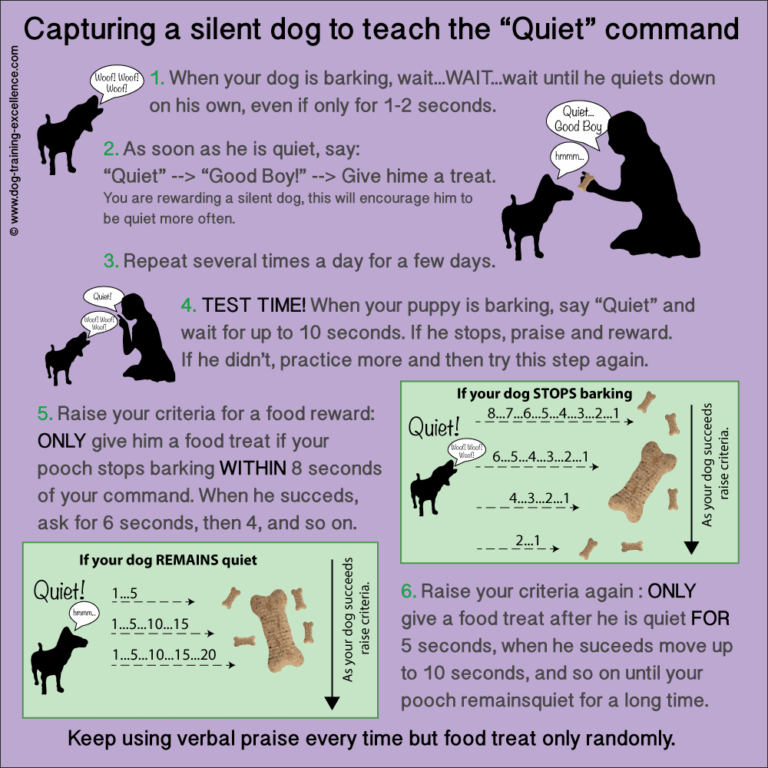
- Teach a “quiet” cue
- Let the dog bark a couple times.
- Say “quiet” in a calm voice. Reward silence for two to three seconds.
- Build time slowly until silence lasts longer.
- Replace the reaction
– Train an alternate behavior like “go to mat” or “sit by the window.”- Reward the dog for the new action when the mail arrives.
- Avoid reinforcing barking
- Do not shout or give attention while the dog barks.
- Ignore the barking. Reward calm behavior instead.
Tools that help
- Treat pouch for quick rewards.
- Clicker for precise timing.
- Barrier or baby gate to manage space.
Timeline and expectations
- Small improvements in days. Bigger changes in weeks.
- Consistency is crucial. Everyone in the home must follow the plan.
Personal tip
I used small soft treats and a mat cue with a nervous terrier. After one week of short sessions, the terrier relaxed at knock times. The key was short, focused practice every day.

When barking becomes a problem
Barking can be normal. It becomes a problem when it is loud, frequent, or stressful.
Signs it’s a problem
- Neighbors complain.
- The dog barks for long periods.
- The dog shows anxiety signs like pacing or drooling.
- The dog lunges or becomes aggressive.
What to do next
- Track when and why the barking happens.
- Use a calm training plan and management.
- If barking coexists with fear or aggression, consult a professional trainer or behaviorist.
- Consider medical causes. Pain or hearing loss can change behavior.
Legal and safety notes
- Local noise ordinances vary. Repeated nuisance barking can lead to complaints.
- Always protect delivery workers and neighbors. Use reliable training to prevent escalation.

Common myths and facts about dogs barking at the mailman
Myths distract from real solutions. Here are clear facts.
Myth: Dogs bark at mailman out of hate.
- Fact: Dogs don’t hate. They react to threat, surprise, or routine.
Myth: Dominance causes the barking.
- Fact: Dominance is seldom the reason. Fear, protection, and learned behavior are more likely.
Myth: Punishment fixes it fast.
- Fact: Punishment often makes fear worse. Positive steps last longer.
Myth: All dogs do it the same way.
- Fact: Dogs vary by breed, age, and experience. A greyhound and a terrier will react differently.
Myth: You must yell to stop barking.
- Fact: Yelling can reward the dog with attention. Calm training is more effective.
Frequently Asked Questions of why do dogs bark at mailman
Why do some dogs only bark at the mailman and not other people?
Many dogs learn the mail routine. The mailman’s approach is predictable. The dog pairs that predictability with a trigger and reacts more to that specific cue.
Can training stop dogs from barking at mailman completely?
Training can greatly reduce or stop the barking. Results depend on consistency, the dog’s history, and how often training happens. Some cases need a behaviorist.
Is it normal for puppies to bark at mailman?
Yes. Puppies explore the world and react to new sounds. Early socialization and gentle training help prevent a lifetime habit.
Should I punish my dog for barking at mailman?
No. Punishment can raise fear and make the problem worse. Use reward-based training and management to teach alternative responses.
When should I call a professional for barking at mailman?
Call a professional if barking is aggressive or causes stress, if it does not improve after training, or if you are unsure how to start safely.
Conclusion
Dogs bark at mailman because of instinct, learned cues, and routine. The good news is that you can change this behavior with simple, steady steps. Start by managing the dog’s view and sounds. Add short training sessions that reward calm behavior. Be consistent and patient. If the barking is severe or paired with fear or aggression, seek a professional.
Take action today: try a five-minute desensitization session and a “go to mat” routine for a week. Share what you try and what changes you see. If you found this helpful, leave a comment, subscribe for more practical guides, or ask a question below.