Why Do Yorkies Bark So Much: Expert Tips To Help
Why do Yorkies bark so much? Learn the common causes and proven ways to reduce excessive barking and keep your small dog calm.
Yorkies bark so much because they are alert, vocal, energetic dogs that react quickly to people, sounds, and stress.
If you wonder why do Yorkies bark so much, you are not alone. Their small bodies hold a bold terrier nature, sharp senses, and a strong need to communicate. Once you learn what each bark means, you can reduce noise without trying to silence your dog’s personality.
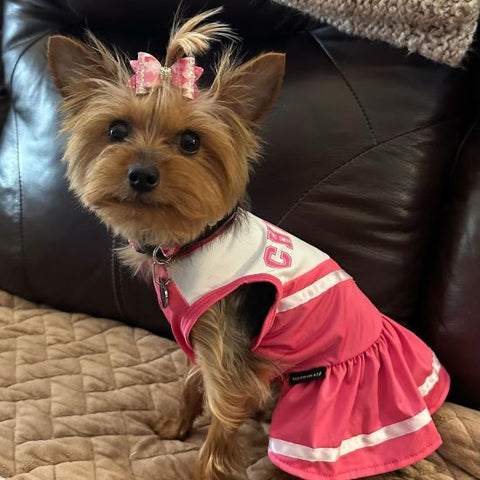
Why do Yorkies bark so much?
Yorkshire Terriers were bred to hunt rats in mills and homes. That work required courage, speed, and close attention to movement. Today’s Yorkie may live in an apartment, but its brain still notices every footstep, car door, bird, and visitor.


The answer to why do Yorkies bark so much often comes down to several traits working together:
• They are highly alert and notice small sounds.
• They have a strong terrier instinct to react to movement.
• They bond closely with their families and may bark when someone approaches.
• They can feel unsafe when left alone or exposed to new things.
• They may bark to gain food, play, attention, or access.
• Their small size can make the world feel large and threatening.
Barking is normal dog communication. The goal is not to stop every bark. The goal is to understand the message, meet your Yorkie’s needs, and teach a calmer response.
A Yorkie that barks at the mail carrier may be warning you. A Yorkie that barks when you pick up your keys may feel worried about being left. The sound may seem the same, but the cause can be very different.

The most common reasons for excessive Yorkie barking
Alert barking
Alert barking is one of the most common reasons why do Yorkies bark so much. Your dog may hear a noise before you do and bark to announce it. Doorbells, hallway sounds, lawn equipment, and neighbors can all trigger this response.


Small dogs often live close to the ground, where they may see feet, wheels, and shadows through windows. A busy window can act like a television that never turns off. Every passerby becomes a new event.
You can reduce alert barking by limiting the view, using soft background noise, and rewarding quiet behavior. Avoid shouting, since your Yorkie may think you are joining the alarm.
Fear and uncertainty
Fear barking is often sharp, fast, and paired with a stiff body, tucked tail, lowered posture, or attempts to hide. A Yorkie may fear strangers, large dogs, children, loud sounds, or unfamiliar places.
A fearful dog does not need punishment. It needs distance, safety, and gradual exposure. Forcing a scared Yorkie to “face the fear” can make the problem worse.
Attention seeking
Yorkies are social dogs. If barking brings eye contact, talking, touching, food, or play, the behavior may grow stronger. Even saying “stop” can reward barking because your dog receives attention.
This does not mean your Yorkie is manipulative. It means the behavior works. Dogs repeat actions that produce useful results.
Separation distress
Some Yorkies bark when their person leaves because they feel stress, not because they are being stubborn. Other signs may include pacing, whining, scratching doors, drooling, accidents, or destructive behavior.
Separation-related barking needs a careful plan. Start with very short absences and increase time slowly. Severe cases may need help from a veterinarian or a certified behavior professional.
Boredom and unused energy
A Yorkie may be small, but it is not a low-energy toy. Short walks, sniffing, training, and play help use both the body and the mind.
When a dog has little to do, barking can become a self-made activity. It is like tapping your foot during a long wait. The behavior releases energy and creates stimulation.
Excitement
Some Yorkies bark when they see a leash, toy, visitor, or favorite person. Excitement barking may come with jumping, spinning, tail wagging, and quick movements.
Teach your dog that calm behavior makes good things happen. Wait for four paws on the floor before giving the leash, toy, or greeting.

How to tell what your Yorkie’s bark means
Understanding the pattern helps answer why do Yorkies bark so much in your home. Listen to the pitch, speed, timing, and setting. Also watch your dog’s body language.
Common bark patterns
• A low, steady bark may signal a warning or concern.


• A high, repeated bark may show excitement, frustration, or a request.
• A bark followed by retreat may point to fear.
• Barking only when alone may suggest separation distress.
• Barking at food bowls or toys may show demand behavior.
• Barking during play may reflect excitement rather than aggression.
Context matters more than sound alone. A bark at a stranger outside is not the same as a bark at an empty room after you leave.
Keep a simple bark diary for one week. Write down the time, trigger, body language, what happened next, and how long the barking lasted. This often reveals patterns that are hard to notice in the moment.
Body language clues
Look for relaxed muscles, loose movement, and a soft face. These signs often point to excitement or social interest.
Stiffness, whale eye, lip licking, freezing, growling, tucked posture, or repeated retreat can signal stress. Give your Yorkie space when you see these signs.

Could a health problem cause excessive barking?
A sudden change in barking deserves attention. Pain, hearing loss, vision changes, hormonal problems, neurological conditions, and age-related confusion can affect vocal behavior.
Dental pain is especially important in small dogs. Yorkies can develop dental disease because their teeth are crowded in a small mouth. A dog with mouth pain may become irritable, avoid handling, or bark more often.
Contact your veterinarian if barking begins suddenly or occurs with:
• Loss of appetite
• Changes in sleep


• Limping or stiffness
• Increased thirst or urination
• Confusion or staring
• Restlessness at night
• Aggression that is new
• Coughing, breathing trouble, or weakness
Veterinary behavior guidance recommends ruling out medical causes before treating a major behavior change as a training issue. Training works best when the dog feels physically well.

How to stop a Yorkie from barking
The best approach combines management, teaching, exercise, and patience. If you punish the sound without addressing the cause, your Yorkie may become more anxious or may bark in a different way.
1. Find the trigger
Start by asking what happens just before the bark. Is it a person at the door, a sound outside, an empty food bowl, or your departure?
Do not guess when you can observe. A clear trigger makes training more direct.
2. Prevent practice
Every barking episode gives the behavior more practice. Close curtains, move furniture away from windows, use a baby gate, or place your Yorkie in a quieter room during busy times.
Management is not a failure. It gives your dog fewer chances to rehearse the habit while learning a new one.
3. Teach a quiet cue
Wait for a brief pause in barking. Say “quiet” in a calm voice, then offer a small treat. Repeat this process many times when the trigger is mild.
Gradually increase the quiet period before giving the reward. Keep sessions short and end before your dog becomes overwhelmed.
Never yell the cue. A loud voice can increase excitement and make your Yorkie bark more.
4. Reward calm behavior
Catch your dog being quiet. Give a treat when your Yorkie rests on a mat, looks at a trigger without barking, or turns toward you after hearing a sound.
This teaches an important lesson: calm behavior has value. You are not only correcting barking; you are building a replacement behavior.
5. Use distance
If your Yorkie barks at dogs, begin far enough away that your dog can still eat and respond to you. Reward calm looks, then move away before barking starts.
This method is called desensitization and counterconditioning. It changes the emotional response over time by pairing the trigger with safety and rewards.
6. Practice door greetings
Ask a friend to help. Have the person approach slowly while your Yorkie stays at a comfortable distance. Reward quiet behavior, then pause the exercise.
Later, teach your dog to go to a mat when the doorbell rings. Practice without a real visitor first. The more predictable the routine, the easier it becomes.

A simple daily plan for a quieter Yorkie
A consistent routine can make a major difference. Your plan does not need to be expensive or complex.
Morning
Take your Yorkie for a short sniff walk. Let your dog explore at a safe pace instead of rushing the whole time. Sniffing provides useful mental work.
Follow the walk with two to five minutes of simple training. Practice “look,” “touch,” “sit,” or “go to your mat.”
During the day
Offer a food puzzle, stuffed toy, or scatter feeding game. Use part of your dog’s normal meal so treats do not add too many calories.
Give your Yorkie a quiet rest area. Puppies and adult dogs can become noisy when they are overtired.
Evening
Practice one trigger at a low level. For example, play a soft recording of hallway sounds while rewarding calm behavior. Stop if your Yorkie becomes distressed.
End with gentle play, a bathroom break, and a predictable rest routine.
The answer to why do Yorkies bark so much is often partly linked to daily structure. A dog with enough sleep, movement, social time, and mental work is usually better prepared to stay calm.

Mistakes that can make Yorkie barking worse
Punishing every bark
Spray collars, yelling, and physical corrections may stop a bark for a moment. They can also increase fear, damage trust, and hide warning signals.
A quiet dog is not always a calm dog. Some dogs stop warning but remain highly stressed.
Giving attention during demand barking
If your Yorkie barks for food, play, or a door opening, wait for a short quiet pause. Then provide the reward if it is appropriate.
Be consistent. If barking works sometimes, your dog may bark longer because unpredictable rewards are powerful.
Ignoring fear
Ignoring a fearful Yorkie does not teach confidence. It may leave the dog alone with a problem that feels too large.
Instead, lower the intensity. Increase distance, block the trigger, and reward calm observation.
Expecting instant results
Barking habits can take weeks or months to change. Progress may look like fewer barks, a shorter recovery time, or the ability to respond to you sooner.
Track small improvements. Behavior change is more like turning a boat than flipping a switch.
Using too much exercise
Exercise helps, but endless high-energy play can create a fitter, more excited dog. Balance physical activity with sniffing, chewing, training, and rest.

When to seek professional help
Contact your veterinarian when barking is sudden, intense, linked to pain, or paired with other behavior changes. A medical check is the safest first step.
Consider a qualified behavior professional if your Yorkie:
• Barks for long periods every day
• Shows panic when left alone
• Lunges, snaps, or bites
• Cannot take food around a trigger
• Has made no progress after consistent training
Look for a professional who uses reward-based methods and can explain the plan clearly. Credentials may include certification through a recognized animal behavior organization, but credentials alone do not replace good communication and humane methods.
There is no single solution for every dog. Age, health, past experiences, home layout, and family routines all affect why do Yorkies bark so much.

Frequently Asked Questions
Why do Yorkies bark at everything?
Yorkies have sharp senses and a strong alert instinct. They may bark at sounds, movement, visitors, dogs, or changes in their surroundings. Reduce triggers, reward calm behavior, and teach a quiet cue instead of shouting.
Are Yorkies naturally aggressive because they bark so much?
No. Barking does not automatically mean aggression. Yorkies may bark from fear, excitement, frustration, attention seeking, or a desire to warn you. Body language and context show more than barking alone.
How can I stop my Yorkie from barking at strangers?
Keep your Yorkie far enough away to remain calm, then reward quiet looks at the person. Ask visitors to ignore the dog at first and avoid forced greetings. Slow, positive exposure is safer than pushing your Yorkie close to strangers.
Why does my Yorkie bark when left alone?
Your Yorkie may be bored, frustrated, or distressed by separation. Record the first part of an absence if possible, then discuss the pattern with your veterinarian or a behavior professional. Gradual alone-time training often helps.
Do bark collars work for Yorkies?
Bark collars may suppress sound without fixing fear, boredom, or anxiety. Some collars can increase stress, especially in sensitive dogs. Reward-based training and trigger management are safer first choices.
How long does it take to stop excessive Yorkie barking?
The timeline depends on the cause, the dog’s history, and how consistently the plan is used. Some families see early progress within days, while fear or separation problems may take weeks or longer. A professional can help when progress stops.
Conclusion
Why do Yorkies bark so much? The answer usually involves alert terrier instincts, strong social bonds, fear, excitement, boredom, or learned habits. Barking is communication, so the most effective solution starts by identifying the message.
Use calm management, reward quiet behavior, provide daily enrichment, and avoid punishment. If the barking is sudden, severe, or linked to distress, ask your veterinarian for guidance.
Start by recording your Yorkie’s triggers today, then choose one small behavior to reward. With patience and a clear plan, you can create a quieter home while preserving the bright, brave personality that makes Yorkies so special. Share your experience or explore more reward-based dog training resources for the next step.

Pet Care Writer & Researcher
Daniel writes practical guides on daily care, feeding, and safety, turning complex topics into simple, actionable advice.