
Why Do Sea Lions Bark: Surprising Reasons And Sounds
Curious why do sea lions bark? Learn the social, warning, and mating reasons behind their loud calls and hear what each bark means.
Sea lions bark mainly to communicate — to mark territory, find mates, warn, and stay social.
I have studied pinniped behavior and spent years watching colonies on rocky shores. In this article I explain why do sea lions bark, how their calls work, and what each bark usually means. You will get clear, evidence-based answers, practical examples, and tips from field experience. Read on to understand the sounds, the science, and the real-life cues that reveal why do sea lions bark.
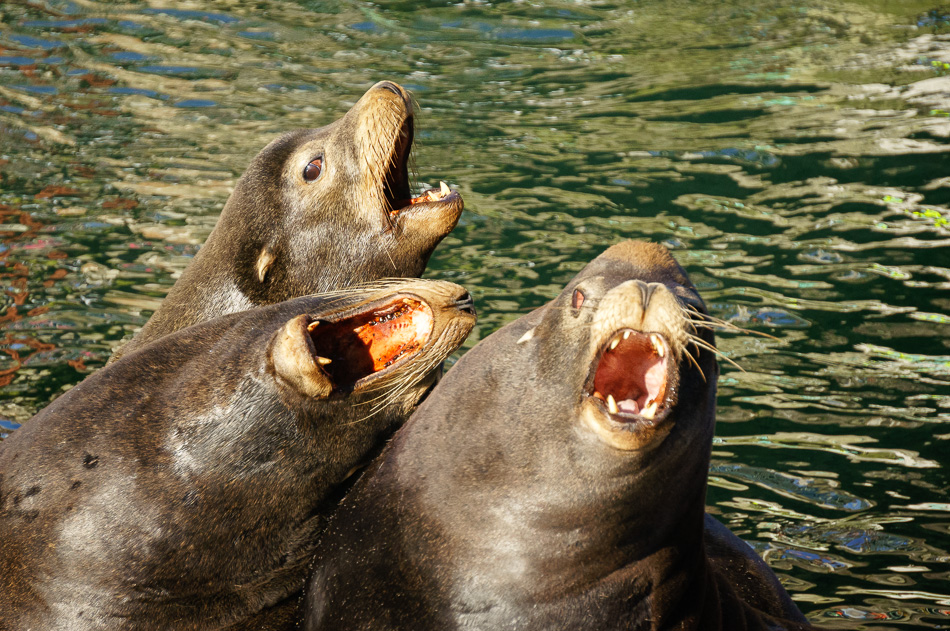
How and why do sea lions bark?
Sea lions use sound as a fast, clear way to share information. The question why do sea lions bark points to social needs. They call to defend space, attract mates, and keep groups together. Their barks are short, loud, and built to carry over waves and wind.

Types of barks and their meanings
Sea lion calls are not all the same. Knowing the types helps answer why do sea lions bark in different contexts.
-
Territorial barks
These are loud, repeated calls used by males to hold haul-out space and show dominance. They often come with head throws and posturing. -
Contact calls
Short, softer barks help animals keep in touch with group members at the rookery or on a raft. Mothers and pups use these to find each other. -
Aggressive or warning barks
Fast, harsh barks signal a threat or an escalation before a fight. These warn rivals to keep distance. -
Pup-mother calls
Gentle, nasal sounds let a pup identify its mother. These calls are highly tuned and help reunite pairs in crowded colonies.

When and where do sea lions bark
Location and season shape why do sea lions bark.
During the breeding season, males bark far more to guard females and space. On haul-outs, noise rises at dawn and dusk when animals shift positions. At sea, contact calls drop but vocal signals still help small groups stay together. Weather and crowding also change call rate and intensity.

How sea lions produce their barks
The sound comes from a simple but effective vocal system. Sea lions force air through the larynx while shaping mouth and throat. They use chest pressure and vocal folds to make loud, staccato notes. The result is a bark that carries well over water and sand. Vocal anatomy and behavior explain why do sea lions bark so loudly at rookeries.
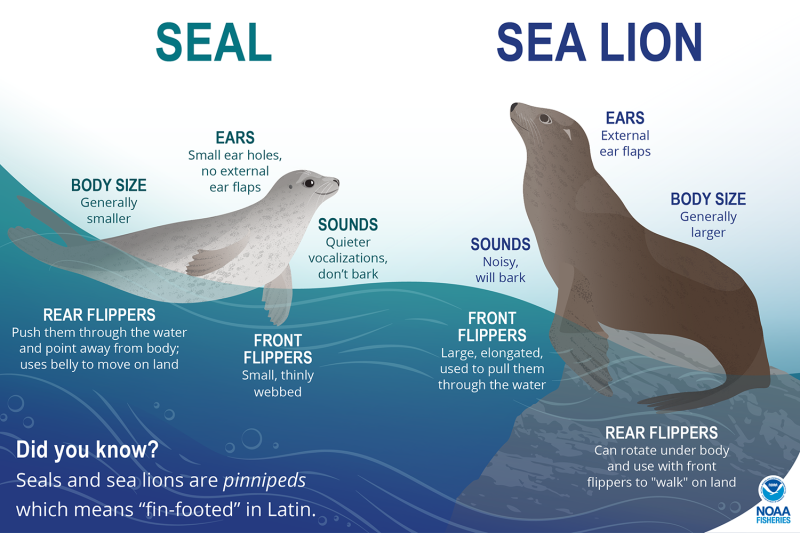
Why do sea lions bark around humans?
Humans change animal behavior, and sea lions are no exception. They bark at boats or people if they feel threatened or if food is involved. Animals that get fed by people learn to associate humans with food and may bark more. For safety, keep distance, avoid feeding, and respect signs; this reduces stress and lowers why do sea lions bark near shore.

Conservation and research insights about why do sea lions bark
Researchers use vocal patterns to monitor colonies and health. Automated audio helps track population size and disturbance. Studies show more loud calls in crowded, stressed rookeries and during breeding peaks. Yet acoustic data can be noisy; weather and human noise complicate analysis. This limits some conclusions about why do sea lions bark in all settings.
Personal experience and practical tips
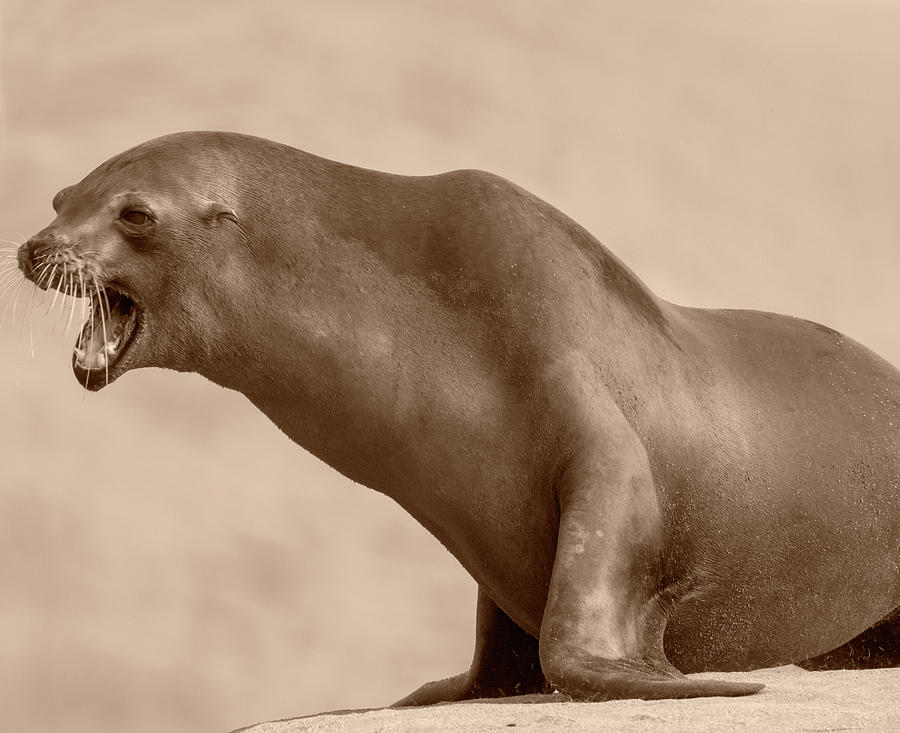
From fieldwork on rocky coasts, I learned to read barks like body language. A long series of deep barks usually meant a dominant male was warning others off. A tiny, nasal cry almost always came from a pup searching for mom. If you watch from a safe distance, you can learn patterns without stressing animals. Tip: use binoculars, stay downwind, and never approach pups. This reduces disturbance and gives you a truer sense of why do sea lions bark in nature.

Frequently Asked Questions of why do sea lions bark
What is the main reason why do sea lions bark?
Most often, sea lions bark to communicate. They signal territory, social rank, and family ties with clear vocal calls.
Do pups bark for the same reasons as adults?
No. Pups mainly use calls to find their mothers and to beg for food. Adult barks tend to be about territory and mating.
Can humans cause sea lions to bark more?
Yes. Feeding or getting too close can raise stress and vocal activity. Avoid interaction to keep them calm.
Are sea lion barks dangerous to humans?
Barks alone are not dangerous, but they can warn of aggression. If animals bark and advance, give them space to avoid conflict.
Do all sea lion species bark the same way?
No. Call structure varies by species and population. But the basic uses—territory, contact, warning—are common across species.
Conclusion
Sea lions bark because sound is a simple, effective tool for living in noisy coastal places. Their calls mark territory, link mothers and pups, warn rivals, and respond to humans. Watch with care, respect their space, and use quiet observation to learn more. If you enjoyed this guide, share your observations, subscribe for more wildlife posts, or leave a question below.