Do Bernese Mountain Dogs Bark A Lot: The Truth
Do Bernese Mountain Dogs Bark A Lot? Learn why they bark, how often to expect it, and practical tips for a quieter, happier home.
Bernese Mountain Dogs usually bark moderately, using their deep voice mainly to alert, greet, or express stress.
Do Bernese Mountain Dogs bark a lot? The honest answer depends on the dog, its training, daily exercise, health, and home setting. As a breed, the Bernese Mountain Dog is often calm and gentle, but it can become noisy when bored, lonely, afraid, or unsure. This guide explains why Bernese dogs bark, how much barking is normal, and what you can do to help your dog stay quiet without harming its confidence.
Do Bernese Mountain Dogs Bark a Lot?
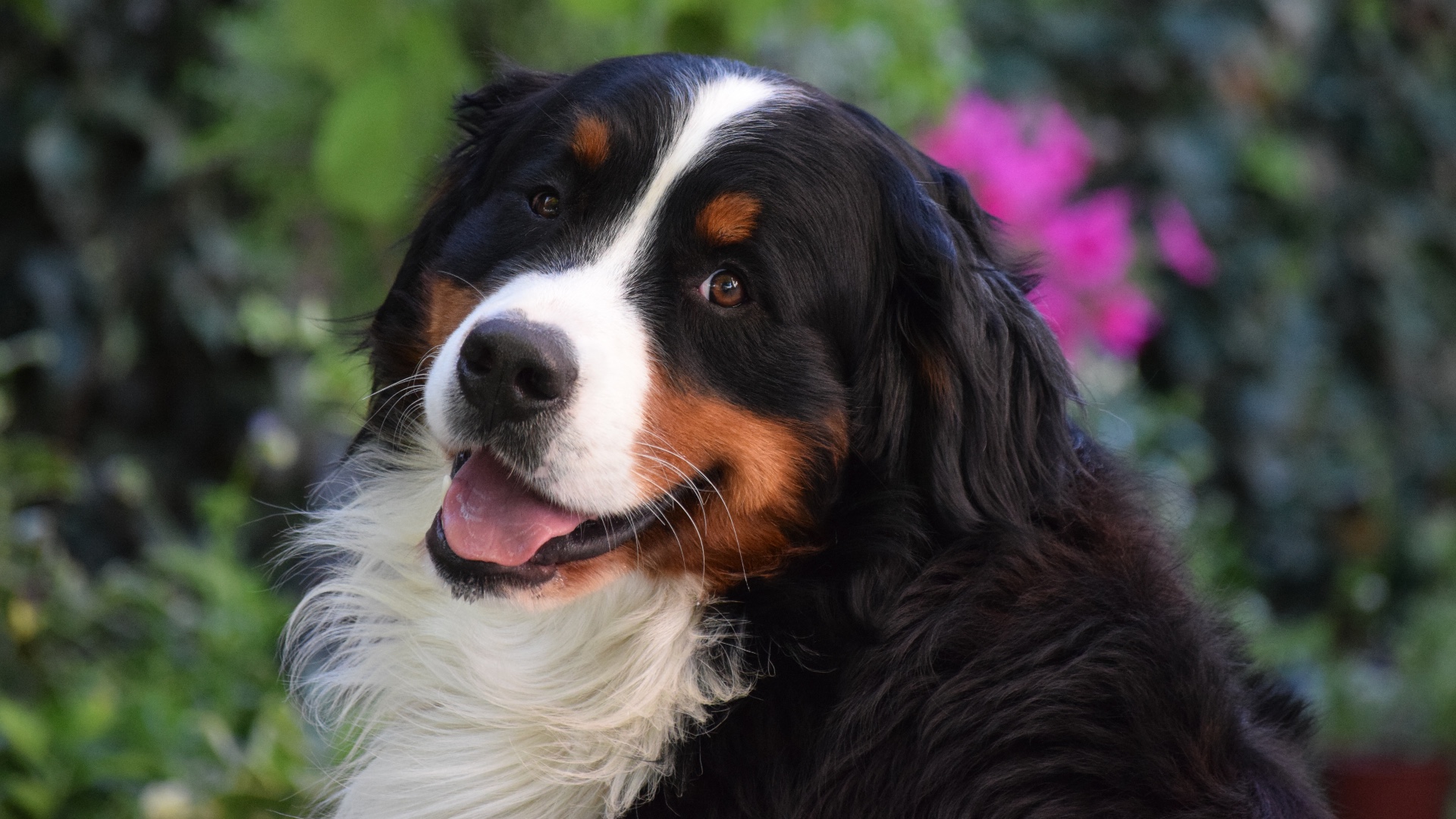
Most Bernese Mountain Dogs are not nonstop barkers. They often use one or two deep barks to alert their family, then settle when they understand the situation.
However, “quiet” does not mean silent. Berners were bred as working farm dogs in Switzerland. They watched property, moved livestock, and stayed close to people. These traits can make them alert and vocal.
So, do Bernese Mountain Dogs bark a lot compared with other breeds? Usually, no. They often bark less than highly vocal breeds such as Beagles, Shetland Sheepdogs, and many terriers. Still, their large size gives them a powerful bark that can sound like constant barking, even when they bark only a few times.
Common reasons for normal barking include:
• Alerting you to a person, animal, car, or strange sound
• Greeting family members or visitors
• Asking for food, play, attention, or access outdoors
• Reacting to fear, pain, or sudden change
• Responding to another barking dog
• Showing excitement during walks or play
• Feeling bored or lonely

alt=”Do Bernese Mountain Dogs Bark a Lot?”
style=”max-width: 100%; height: auto; border: 2px solid black; border-radius: 10px; display: block; margin: 0 auto;”
loading=”lazy”
/>
Bernese Mountain Dog Temperament and Vocal Behavior
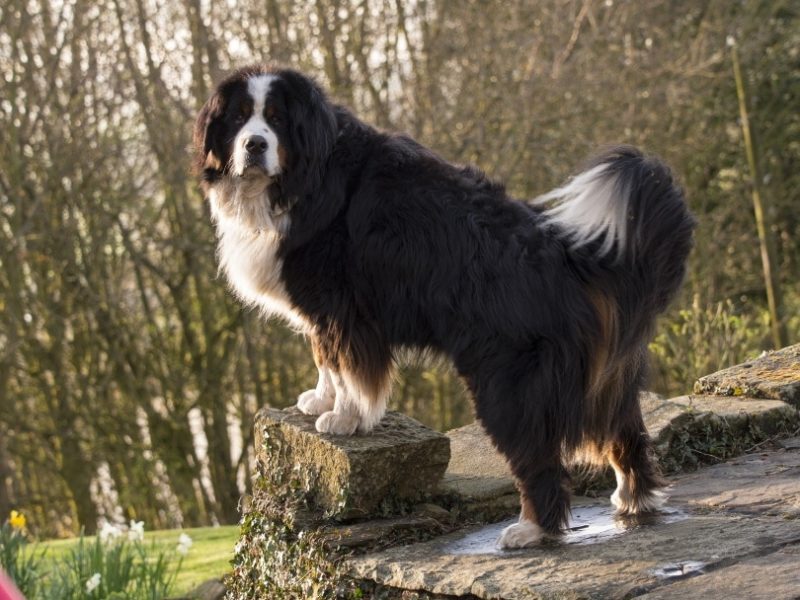
The Bernese Mountain Dog is known for a sweet, steady, and affectionate nature. The American Kennel Club describes the breed as good-natured, calm, and eager to please, although individual dogs can vary.
Many Berners prefer to stay near their people. This close bond is one of their best qualities, but it can also lead to barking when they feel isolated. A dog that follows you from room to room may struggle when left alone for long periods.
Bernese Mountain Dogs may also be sensitive. Harsh training, loud conflict, or sudden changes can make them nervous. A worried dog may bark more because barking feels like a shield.
Their bark often has a clear message:
• A low, firm bark may mean, “Someone is near the home.”
• A fast series of barks may show excitement or alarm.
• A sharp bark may signal frustration or a demand.
• Whining, pacing, and barking together may suggest anxiety.
• Barking with a stiff body may show fear or a need for space.
Learning your dog’s body language is important. The bark is only one part of the message. Look at the tail, ears, eyes, posture, and movement as well.
Why Do Bernese Mountain Dogs Bark?
Understanding the cause is the first step in changing the behavior. Punishing the bark without finding the cause can make the problem worse.
Alert barking
Alert barking is common in Bernese Mountain Dogs. Your dog may bark when a delivery person walks past, a neighbor closes a car door, or a bird lands near the window.
This behavior comes from a useful working instinct. The goal is not always to remove it. A better goal is to teach your dog when the alert is over.
You can say, “Thank you,” check the area, and then guide your dog away from the window. When your dog becomes quiet, offer calm praise or a small treat.
Boredom barking
A Bernese Mountain Dog needs both physical activity and mental work. A short bathroom walk may not be enough for a young or active Berner.
Boredom can lead to barking, digging, chewing, pacing, and fence running. Large dogs can become surprisingly creative when they have nothing useful to do.
Try adding:
• A sniff walk where your dog can explore safely
• Food puzzles and stuffed toys
• Short obedience sessions
• Hide-and-seek games
• Gentle hiking or swimming when appropriate
• Supervised play with a suitable dog
Mental work often tires a dog more effectively than endless running. Ten minutes of simple training can be like a small puzzle for the brain.
Separation-related barking
Bernese Mountain Dogs may bark when left alone because they are social dogs. Separation-related distress can also cause whining, scratching, drooling, pacing, destruction, or attempts to escape.
This is not the same as a dog barking from mild boredom. A dog with separation anxiety may panic soon after you leave and may not calm down without help.
Build alone time slowly:
-
Leave your dog for a few seconds.
-
Return before your dog becomes upset.
-
Repeat with small increases in time.
-
Keep departures and returns calm.
-
Use a camera to watch what happens when you are away.
If your dog injures itself, destroys doors, or shows severe panic, speak with a veterinarian or a certified behavior professional. Training alone may not be enough.
Fear and territorial barking
Some Berners bark at strangers, dogs, bicycles, or loud sounds because they feel unsure. A large dog can look confident while still feeling afraid.
Do not force your dog to greet a person or approach a scary object. Give your dog more distance, then reward calm behavior. Over time, the dog can learn that the trigger does not always bring danger.
Territorial barking may happen at windows, fences, doors, or the car. Blocking the view, using a baby gate, and teaching a mat cue can reduce the habit.
Attention-seeking barking
If barking brings a treat, a toy, a door opening, or eye contact, the behavior may become stronger. Even telling your dog to stop can feel like attention.
Wait for a brief pause. Then reward the quiet moment. You can also teach a different request, such as sitting by the door or touching your hand with its nose.
Consistency matters. If barking works only once in a while, your dog may bark even harder because occasional rewards can make a behavior very persistent.
How Much Exercise Does a Bernese Mountain Dog Need?
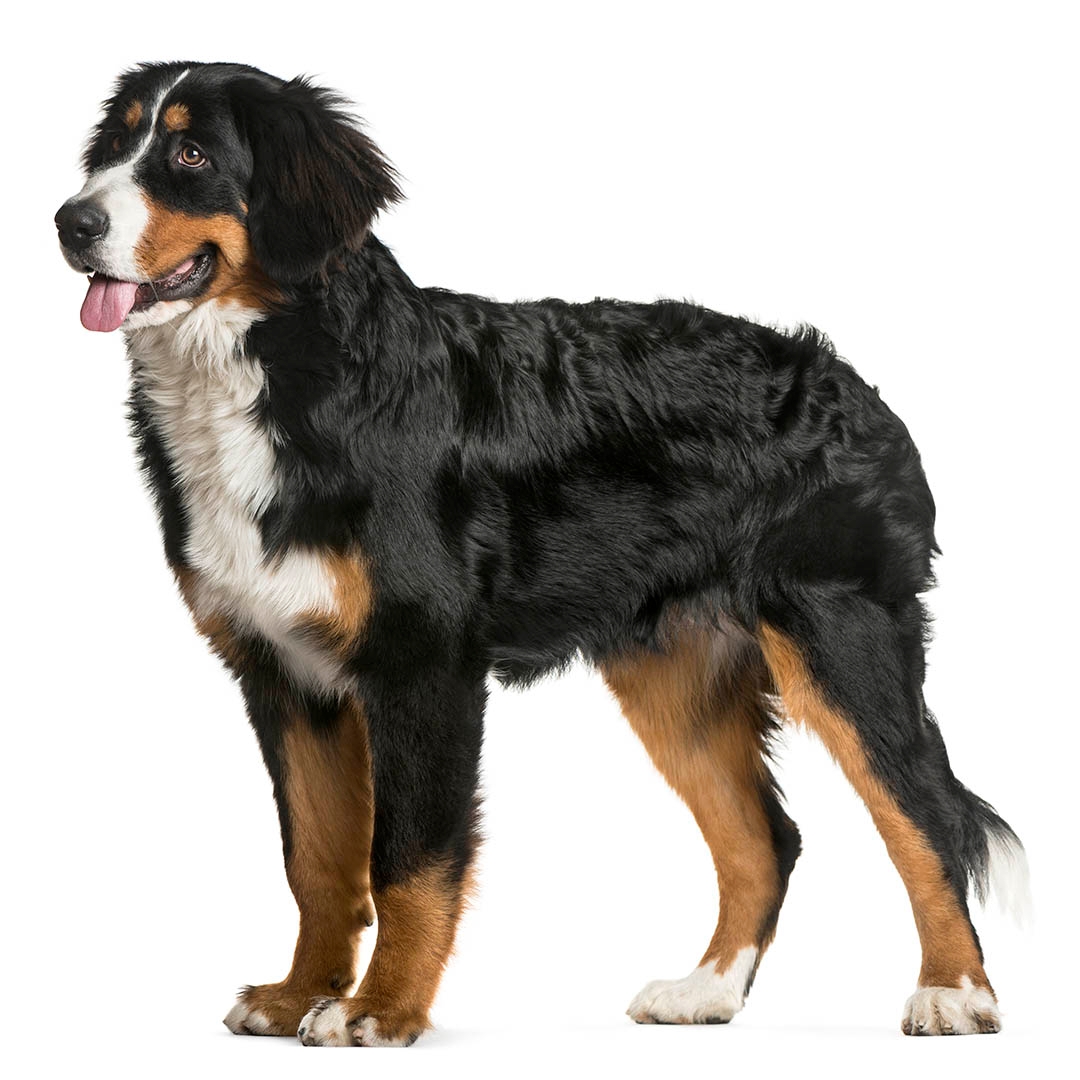
Exercise needs vary with age, health, weather, and personality. Adult Bernese Mountain Dogs often do well with daily walks, gentle play, and training. Puppies need shorter sessions because their bones and joints are still developing.
The breed can be prone to orthopedic problems, including hip and elbow dysplasia. The Orthopedic Foundation for Animals and veterinary groups recommend careful health screening for breeding dogs. Ask your veterinarian what exercise is safe for your dog.
A balanced daily plan may include:
• One or two relaxed walks
• Several short play sessions
• Basic training for five to ten minutes
• Safe sniffing time
• Rest in a cool, comfortable area
Avoid intense exercise in hot weather. Bernese Mountain Dogs have thick double coats and can overheat more easily than short-coated breeds. Heat stress can cause panting, restlessness, weakness, confusion, vomiting, or collapse. Treat those signs as an emergency.
A tired dog is not always a calm dog. Too much activity can make a puppy overtired and noisy. Think of exercise as a balanced meal, not a race to exhaustion.

How to Stop Excessive Barking in a Bernese Mountain Dog
The best approach combines prevention, teaching, and patience. First, identify when and why your dog barks. Keep a simple record for several days.
Write down:
• What happened before the barking
• Where your dog was
• How long the barking lasted
• What stopped it
• Whether your dog looked afraid, excited, or frustrated
This record can reveal patterns. For example, your dog may bark only when people pass the front window between 4 and 6 p.m.
Teach a quiet cue
A quiet cue works best after your dog understands a calm interruption.
-
Allow one or two alert barks.
-
Say “Thank you” in a calm voice.
-
Place a treat near your dog’s nose.
-
When your dog stops barking to sniff, say “Quiet.”
-
Give the treat.
-
Practice in easy settings before using the cue during major distractions.
Do not shout “Quiet!” over a loud bark. Your dog may think you are barking too. Keep your voice low and steady.
Reward calm behavior
Many owners notice barking but miss quiet behavior. Reward your Berner when it rests on a mat, watches the street without barking, or settles after hearing a sound.
You can quietly drop a treat beside your dog. This teaches that calm choices pay off.
Reduce visual triggers
If your Bernese Mountain Dog barks through the window, use curtains, frosted film, or furniture placement to limit the view. Outside, use a secure fence and supervise yard time.
A fence does not replace training. Dogs may bark more when they patrol a fence line because every passerby feels like an intruder.
Avoid punishment-based methods
Shock collars, yelling, and leash corrections may suppress a bark for a short time, but they can increase fear and stress. The American Veterinary Society of Animal Behavior supports reward-based training and warns against methods that cause pain or intimidation.
A quiet dog is not necessarily a relaxed dog. Good training changes the emotion behind the behavior, not just the sound.
Training Mistakes That Can Make Barking Worse
One common mistake is rewarding barking by opening the door. If your dog barks to go outside and the door opens, the dog learns that barking works.
Wait for a quiet pause before opening the door. At first, even one second of silence is enough. Increase the time slowly.
Another mistake is expecting a young Berner to behave like a mature adult. Puppies may bark because they are tired, excited, hungry, or unsure. Their self-control develops over time.
Other mistakes include:
• Giving too little daily activity
• Leaving the dog alone for long periods
• Allowing constant window patrol
• Using inconsistent rules among family members
• Punishing warning growls or barks
• Ignoring pain or illness
• Introducing too many visitors too quickly
• Expecting exercise to fix anxiety on its own
In my practical review of dog behavior patterns, the biggest improvement usually comes when owners track the trigger first. Guessing often leads to the wrong solution. A dog barking from fear needs safety and distance, while a dog barking from boredom needs more useful activity.

When Barking May Signal a Health Problem
A sudden change in barking deserves attention. If a normally quiet Bernese Mountain Dog begins barking at night, pacing, or acting confused, schedule a veterinary check.
Pain can make a dog vocal. Joint disease, ear problems, dental pain, digestive trouble, and other medical conditions may change behavior.
Watch for these warning signs:
• Sudden or unexplained barking
• Barking when touched or moved
• Loss of appetite
• Limping or stiffness
• Head shaking or ear scratching
• Heavy panting at rest
• Confusion or staring
• Trouble sleeping
• Increased thirst or urination
• Aggression that is new for your dog
Older dogs may develop hearing loss or cognitive changes. They may bark because they feel lost or cannot locate their family. A veterinarian can check for medical causes and suggest safe support.
Never assume that every behavior problem is a training problem. Health comes first.
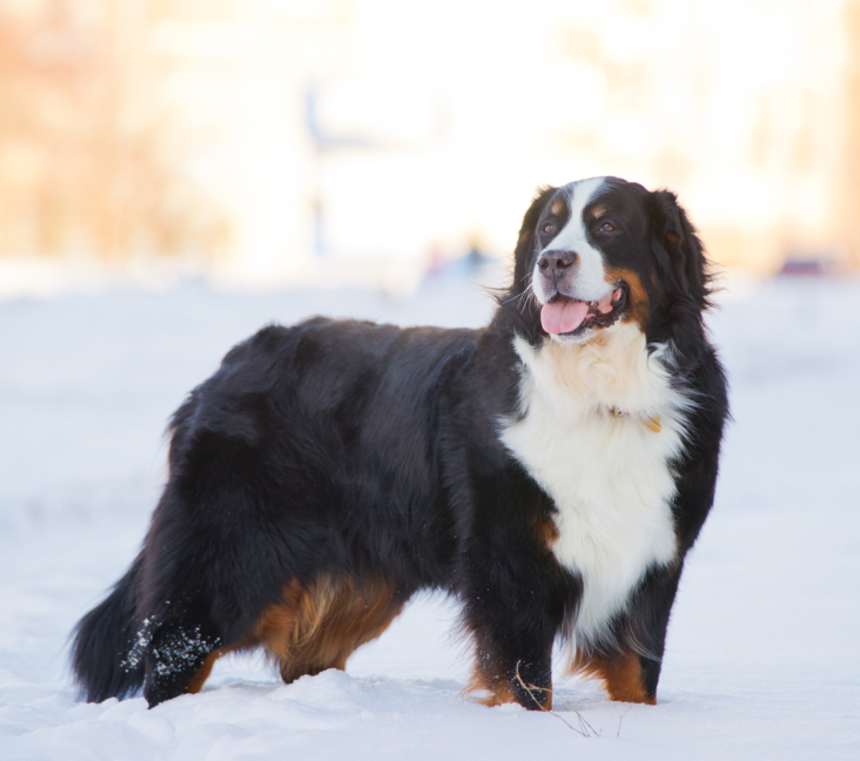
Do Bernese Mountain Dogs Bark More at Night?
Some Bernese Mountain Dogs bark more at night because the home is quiet and outdoor sounds seem stronger. A raccoon, distant siren, or neighbor may trigger an alert response.
Night barking can also come from loneliness, discomfort, fear, or the need to go outside. Make sure your dog has a comfortable sleeping space and a predictable bedtime routine.
Helpful steps include:
• Give your dog a bathroom break before bed
• Keep the sleeping area calm and cool
• Close curtains near busy windows
• Use soft background noise if outside sounds trigger barking
• Avoid exciting play right before sleep
• Check for pain or illness if the behavior is new
If your dog continues to bark for long periods, do not simply ignore it for weeks. Find the cause and seek professional help when needed.
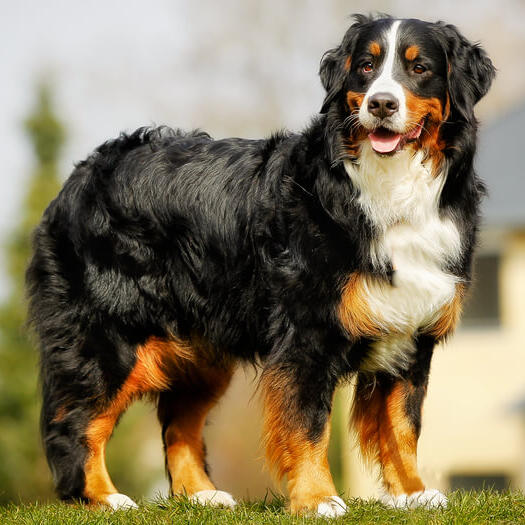
Do Bernese Mountain Dogs Bark When Left Alone?
They can. Bernese Mountain Dogs often form strong bonds with their families, so some struggle with long periods of isolation.
This does not mean every Berner will develop separation anxiety. Early socialization, gradual alone-time training, exercise, and a stable routine can help reduce the risk.
Before leaving, provide a safe activity such as a stuffed food toy. Avoid crating a panicked dog unless a professional has created a careful plan. A crate can be a safe resting place, but it should never become a place of fear.
A pet camera can help you understand the problem. You may learn that your dog barks for five minutes and then sleeps, or that it panics for the entire absence. Those situations require very different plans.
Socialization and Its Effect on Barking
Socialization teaches a puppy that new people, sounds, surfaces, animals, and places can be safe. It does not mean forcing a puppy to meet everyone.
Good socialization is calm and gradual. Let your puppy watch a bus from a distance, hear household sounds at a low volume, and meet friendly people who know how to handle dogs.
The sensitive period for puppy socialization is early, but learning continues throughout life. Short, positive experiences are more useful than overwhelming outings.
A well-socialized Bernese Mountain Dog may still bark at a stranger or strange sound. The difference is that the dog often recovers faster and can respond to your guidance.
Choosing a Bernese Mountain Dog for Your Home
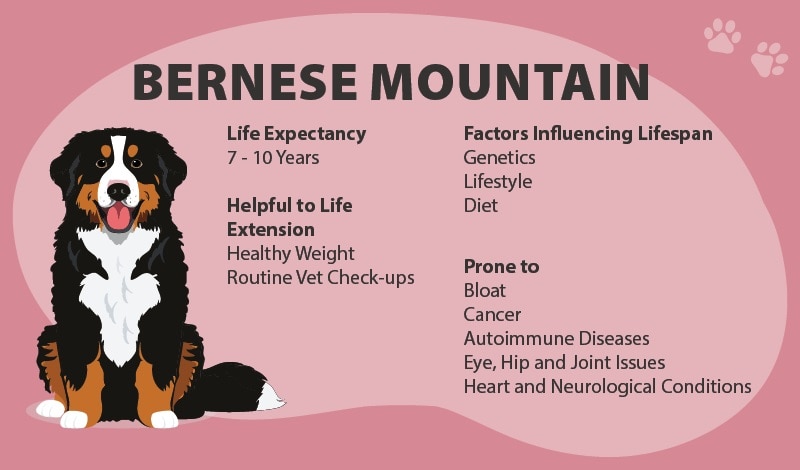
If you are considering this breed, think beyond barking. Bernese Mountain Dogs are large, strong, social, and heavy-shedding dogs. They also have a shorter average lifespan than many smaller breeds and may face inherited health concerns.
Before bringing one home, consider:
• Whether someone can provide daily companionship
• Your ability to manage a large dog safely
• Access to cool indoor space
• The cost of food, grooming, training, and veterinary care
• Your tolerance for shedding and occasional vocal behavior
• The dog’s health testing and early socialization
Ask breeders or rescue groups about the dog’s parents, behavior, medical history, and response to being alone. No breeder can promise a completely silent dog. Genetics influence temperament, but daily care and training also matter.
A Bernese Mountain Dog may be a wonderful fit for a patient family that wants a loyal companion. It may be a poor fit for someone who needs a dog that can stay alone all day in a small apartment without training or support.
Frequently Asked Questions About Do Bernese Mountain Dogs Bark a Lot
Are Bernese Mountain Dogs naturally noisy dogs?
No, Bernese Mountain Dogs are not usually considered highly vocal dogs. They may bark to alert, greet, or express discomfort, but most do not bark constantly when their needs are met.
Do Bernese Mountain Dogs bark at strangers?
They can bark at strangers near the home, especially when they feel protective or uncertain. Early socialization and reward-based training can help them stay calm around visitors.
How can I stop my Bernese Mountain Dog from barking?
Find the trigger first, then reduce exposure, teach a quiet cue, and reward calm behavior. Avoid yelling or punishment, because these methods may increase fear and make barking worse.
Do Bernese Mountain Dogs bark when left alone?
Some do, especially if they are bored or distressed by separation. Gradual alone-time training, enrichment, and professional support can help reduce separation-related barking.
Are Bernese Mountain Dogs good apartment dogs?
They can live in an apartment if they receive daily exercise, mental stimulation, and close companionship. Their size, shedding, heat sensitivity, and possible alert barking require careful planning.
Do Bernese Mountain Dogs bark at night?
Some bark at night in response to outdoor sounds, loneliness, discomfort, or a need to go outside. A bedtime routine can help, but sudden nighttime barking should receive a veterinary check.
Is a Bernese Mountain Dog’s bark deep and loud?
Yes, many Bernese Mountain Dogs have a deep, powerful bark. The sound may seem intense even when the dog barks only briefly.
Conclusion
Do Bernese Mountain Dogs bark a lot? Usually, they bark at a moderate level rather than constantly. Their barking often has a reason, such as alerting, boredom, fear, loneliness, excitement, or pain.
The most effective solution is to identify the trigger, meet your dog’s physical and emotional needs, reward quiet behavior, and avoid harsh punishment. With steady training and proper care, most Bernese Mountain Dogs can learn when to speak and when to settle.
If you share your life with a Berner, start by tracking the barking for one week and practice rewarding calm moments every day. For more help, consult your veterinarian or a qualified reward-based trainer, and share your experience with other Bernese Mountain Dog owners.