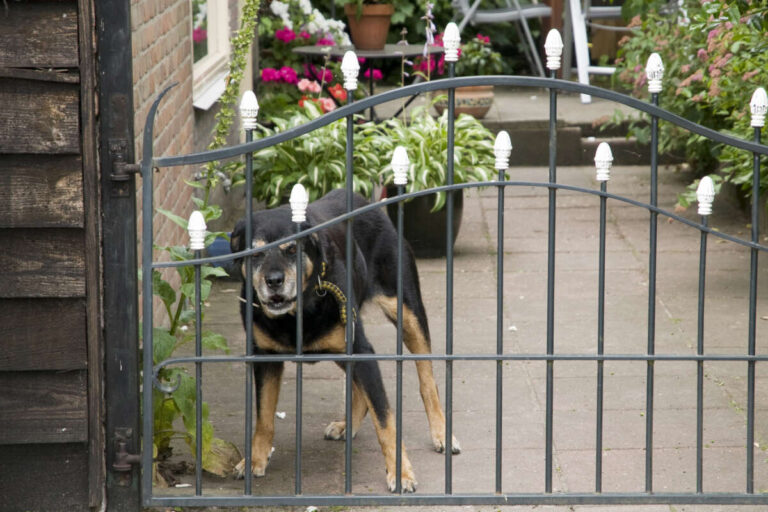
How To Control Dog Barking When Not Home: Proven Tips
Learn how to control dog barking when not home with proven training tips, calming strategies, and tools for a quieter, happier dog.
Use training, calm routines, enrichment, and a camera to reduce barking when your dog is home alone.
Learning how to control dog barking when not home takes more than telling your dog to be quiet. Barking may come from boredom, fear, outside sounds, territorial behavior, or separation anxiety. The best plan finds the cause, lowers your dog’s stress, and teaches a better way to spend time alone.
Why Dogs Bark When Left Alone
Dogs bark to communicate. When you leave, your dog may bark because the house feels quiet, strange, or unsafe. Some dogs also bark at people, cars, squirrels, delivery workers, or sounds that you cannot hear from outside.
The first step in learning how to control dog barking when not home is to identify the trigger. A phone or pet camera can show you what happens after you close the door.


Common causes include:
• Separation anxiety, which may cause barking, pacing, scratching, drooling, or escape attempts
• Boredom caused by too little exercise, play, or mental work
• Territorial barking at people or animals near windows
• Fear of sounds such as thunder, construction, alarms, or traffic
• Attention seeking, especially if barking has led to your return in the past
• Excess energy from a dog that needs more movement
• Medical problems that cause pain, confusion, or distress
A camera can reveal useful details. For example, a dog that barks for five minutes and then sleeps may need better enrichment. A dog that barks, pants, scratches doors, and never settles may need help for separation anxiety.

Check for Separation Anxiety
Separation anxiety is more serious than normal protest barking. It happens when a dog feels intense distress after a person leaves or becomes unavailable.


Signs may begin before you leave. Your dog may follow you from room to room, watch your shoes, whine when you pick up your keys, or block the doorway. After you leave, you may see nonstop barking, heavy panting, pacing, drooling, house soiling, or attempts to break through windows and doors.
These signs do not mean your dog is being stubborn. Fear changes behavior. Punishment can make the fear worse and may increase the risk of injury.
If your dog shows strong distress, contact a veterinarian or a certified behavior professional. A vet can check for health issues and discuss treatment. In some cases, a behavior plan may include medication, but only a veterinarian should prescribe it.
A useful rule is simple: if your dog cannot eat a favorite treat, rest, or settle after you leave, the problem may be anxiety rather than boredom.
Use a Camera to Find the Real Trigger
A camera is one of the most helpful tools for learning how to control dog barking when not home. It replaces guesswork with clear information.
Place the camera where it can show your dog’s main resting area and the door or window that may cause barking. Watch the first 30 minutes after you leave. This period often shows whether your dog relaxes or becomes more upset.
Look for these patterns:
• Barking starts as soon as the door closes: This may suggest distress or a learned departure response.
• Barking begins when people pass the window: Block the view and reduce outside activity.
• Barking happens during random sounds: Use sound masking and gradual sound training.
• Barking starts after several hours: Your dog may need a bathroom break, exercise, or a midday visit.
• Barking stops when your dog receives a food toy: Boredom may be part of the problem.
Check local laws and your building rules, too. Repeated barking can create neighbor complaints, even when the dog is not in danger. Early action protects your dog and your relationship with the people nearby.


Create a Calm Departure Routine
Dogs notice patterns. If your dog sees you grab your keys and immediately becomes tense, those actions have become warning signals.
Change the meaning of these signals. Pick up your keys, then sit down. Put on your coat, then make tea. Open the door, then stay inside. Repeat these steps at random times until your dog stops reacting strongly.
Keep departures calm and brief. Long goodbyes can increase excitement or worry. You do not need to ignore your dog completely, but avoid turning every exit into an emotional event.
Before leaving:
• Take your dog for a calm walk or toilet break.
• Offer water and check the room temperature.
• Remove unsafe items, cords, trash, and food.
• Close curtains if outdoor movement causes barking.
• Turn on soft background sound if silence makes every noise stand out.
• Give a safe food toy only when your dog is relaxed.
Returning home should also stay calm at first. Wait for a few seconds of quiet behavior before offering a greeting. This does not mean withholding affection. It means avoiding a pattern where frantic barking controls the timing of your attention.
Meet Your Dog’s Physical and Mental Needs
Exercise can help control dog barking when not home, but exercise alone does not cure separation anxiety. A tired dog may still panic when left alone.
Aim for activity that fits your dog’s age, breed, health, and personality. A young working dog may need more movement and problem-solving than an older companion dog. Your veterinarian can help set safe exercise limits.
Try a mix of activities:


• A sniff walk where your dog can explore at a relaxed pace
• Short training sessions using treats
• Fetch or tug, if your dog enjoys those games
• Food puzzles and treat-dispensing toys
• Scatter feeding in grass or on a snuffle mat
• Safe chew items approved for your dog
Sniffing and searching use the brain in a powerful way. Think of them as a crossword puzzle for your dog. Ten minutes of focused scent work may be more calming than ten minutes of frantic ball chasing.
Avoid intense exercise right before a long absence if it leaves your dog overstimulated. The goal is a calm, satisfied dog, not a dog who is still racing around when you walk out.
Teach Independence While You Are Home
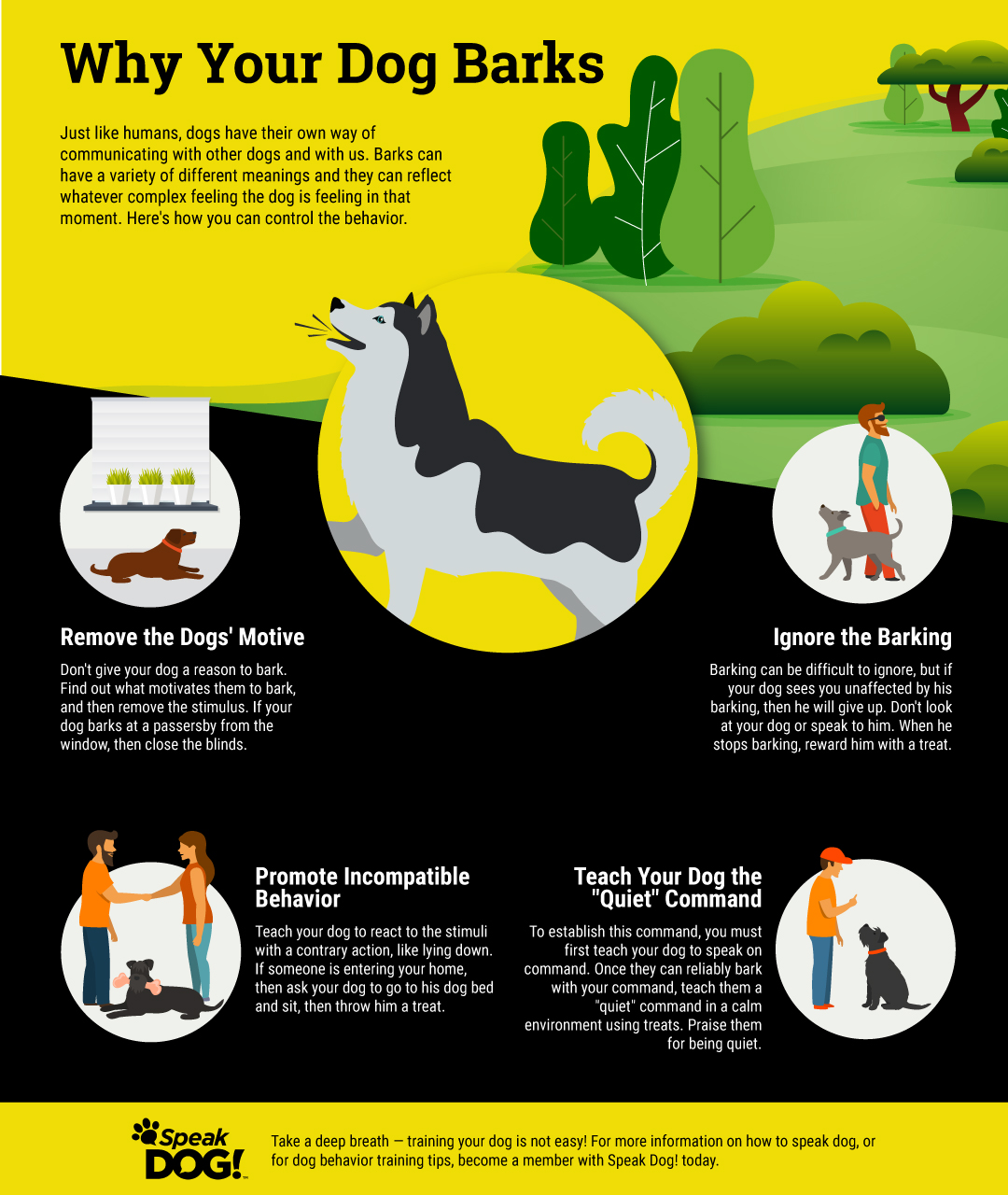
The best time to teach alone-time skills is before your dog reaches the point of panic. Start with small moments while you are still nearby.
Ask your dog to rest on a mat. Step away for one second, return, and reward calm behavior. Slowly increase the distance and time. If your dog gets up, whines, or barks, make the next attempt easier.
You can build the skill in stages:
-
Reward your dog for relaxing on a bed while you sit nearby.
-
Walk to another room and return before your dog becomes worried.
-
Close an inside door for a few seconds.
-
Step outside for one to five seconds.
-
Increase the time in small, uneven steps.
-
Mix short absences with slightly longer ones.
Do not increase the time too quickly. A dog that panics for 20 minutes is practicing panic, not independence. Training should stay below the point where your dog loses control.
Use rewards for calm behavior, not for barking. Food should help your dog feel safe and focused. It should not be used to trap a fearful dog in a crate or force the dog to endure a long absence.
Manage Windows, Doors, and Outside Noise
Many dogs bark because the home gives them a clear view of the street. Every passerby becomes an event, and barking may feel rewarding because the person eventually disappears.
Reduce the sights and sounds that trigger your dog:
• Use curtains, privacy film, or removable window coverings.
• Move furniture away from windows.
• Keep your dog in a quiet room if the front window is a major trigger.
• Use a fan, radio, or white noise machine to soften outdoor sounds.
• Ask family members not to create loud entry and exit routines.
• Keep mail, packages, and food delivery activity away from the dog when possible.
Some dogs bark at noises from hallways or shared walls. In an apartment, a quiet interior room may work better than a room near the front door. Add a comfortable bed, safe chew, and familiar scent.
Management is not a failure. It is like putting a fence around a garden. It prevents repeated practice of unwanted behavior while training changes the habit.

Choose Safe Enrichment for Alone Time
Food toys can help control dog barking when not home by giving your dog a calm activity. Use them only after testing them while you are present.
Good options may include:
• A stuffed rubber toy
• A frozen food toy
• A durable puzzle feeder
• A lick mat used under supervision first
• A safe chew selected for your dog’s size and chewing style
Do not use toys that can break into small pieces or create a choking risk. Avoid giving new chews for the first time before leaving. A dog may swallow pieces, damage a tooth, or become frustrated.
Rotate enrichment so it stays interesting. You might use a frozen toy on Monday, a scatter feed on Wednesday, and a puzzle feeder on Friday. Keep some items special for alone time.
Food enrichment may reduce boredom, but it cannot solve severe anxiety. A highly distressed dog may ignore even the best treat. That response is important information and may signal the need for professional help.
Consider Crate Training Carefully
A crate can provide a safe resting space for some dogs. It can also make barking worse if the dog feels trapped.
Use a crate only when your dog already views it as comfortable. Feed meals near or inside the crate, leave the door open at first, and reward calm entry. Increase closed-door time slowly while you remain nearby.
Never use a crate as punishment. Never leave a dog crated for longer than the dog can comfortably manage. Puppies, older dogs, and dogs with medical needs may need more frequent breaks.
If your dog pants heavily, bites the bars, drools, tries to escape, or barks nonstop in the crate, stop and seek guidance. A safe room or gated area may be a better choice.
The crate is a management tool, not a cure. Learning how to control dog barking when not home requires attention to emotional comfort, not just physical confinement.
Practice Leaving for Short Periods
Short practice absences are often the heart of a good training plan. Begin with a period your dog can handle without barking or panic. For some dogs, that may be only a few seconds.
Return before your dog becomes distressed. Wait briefly, then repeat. Change the length of each absence so your dog does not learn that every departure lasts longer than the last.
A simple schedule might look like this:
• Leave for five seconds, then return.
• Leave for 10 seconds, then return.
• Leave for three seconds, then return.
• Leave for 20 seconds, then return.
• Leave for eight seconds, then return.
This uneven pattern keeps the work gentle. If barking begins, shorten the next attempt. Progress may take days or weeks, especially for dogs with anxiety.
During real errands, use a dog walker, trusted friend, daycare, or sitter if your dog cannot yet remain calm alone. Training works best when the dog is not pushed past the current limit again and again.
Avoid Methods That Can Make Barking Worse
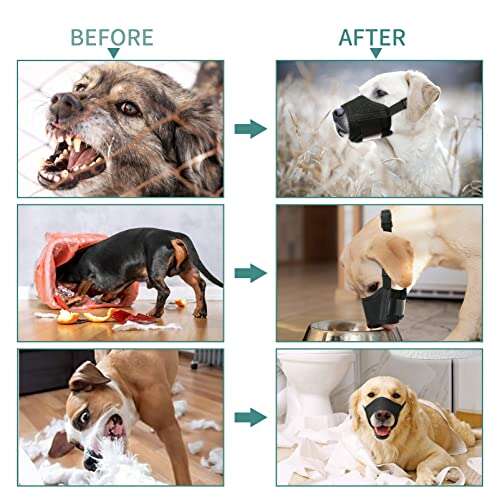
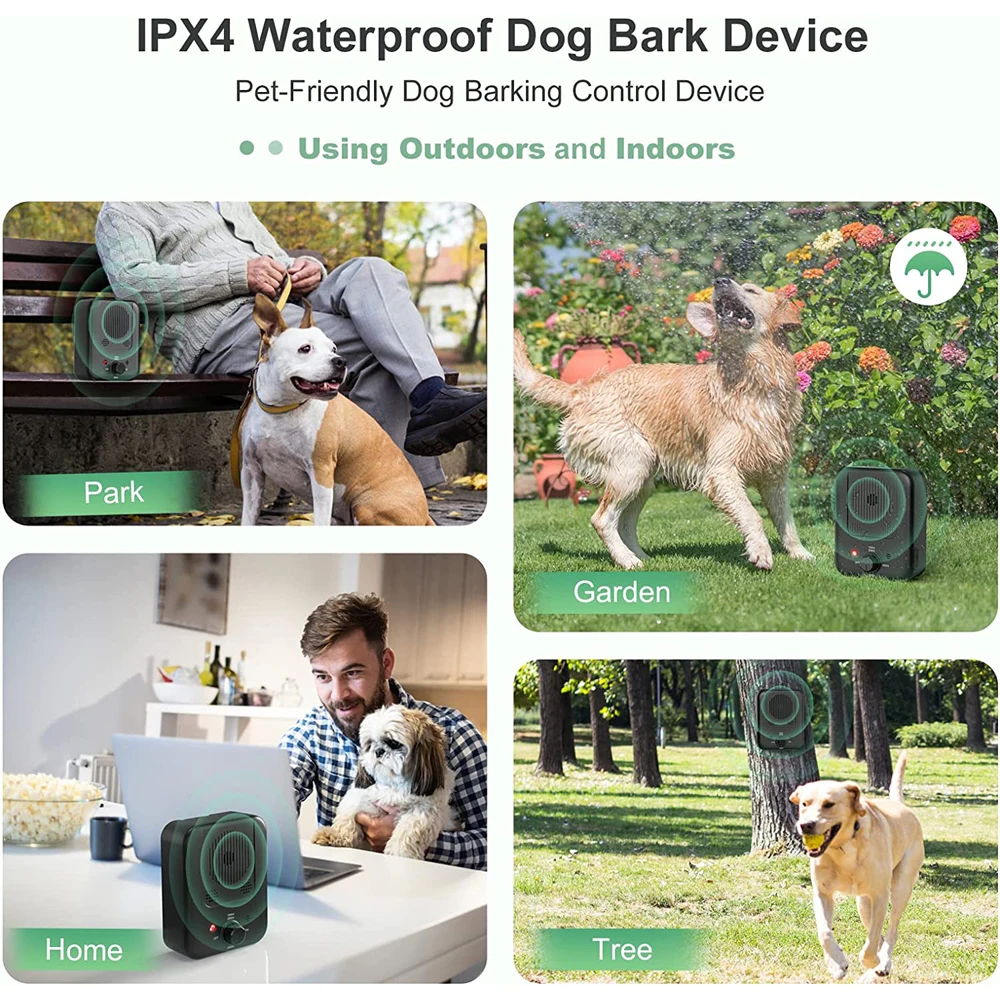
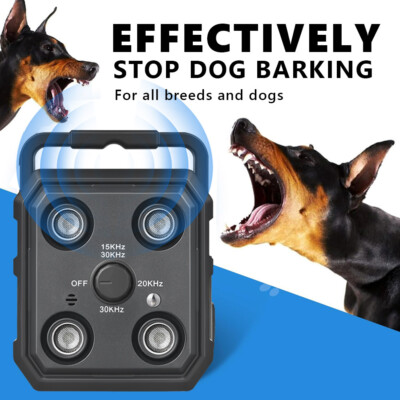
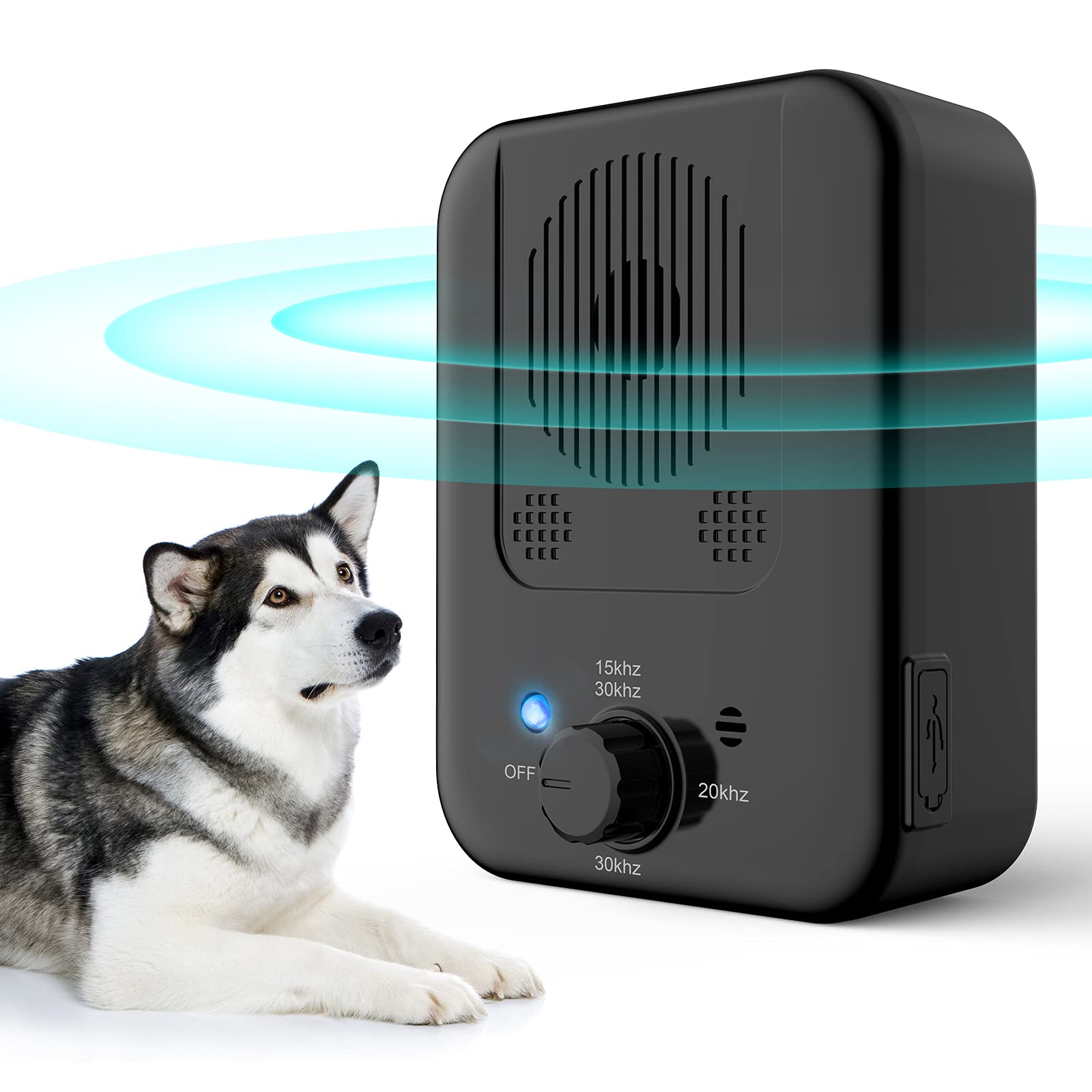
Some products promise a quick way to control dog barking when not home. Be cautious. Shock, spray, and ultrasonic collars may stop a sound in the moment, but they do not explain the cause or teach a safe replacement behavior.
Punishment can also create new problems. A dog may learn that being alone, seeing a stranger, or hearing a noise predicts pain or fear. This can increase anxiety and may lead to aggression.
Avoid:
• Yelling through a camera speaker
• Punishing your dog when you return
• Using a bark collar on a fearful or anxious dog
• Leaving a dog alone for longer than it can manage
• Relying on exercise while ignoring anxiety signs
• Using a crate for long periods without proper training
Reward-based training is supported by major veterinary and animal behavior groups because it builds skills without adding fear. Professional help is especially important when barking involves panic, destruction, self-injury, or aggression.
Build a Practical Daily Plan
A clear routine makes it easier to control dog barking when not home. The plan should match your dog’s needs and your schedule.
Try this basic example:
-
Take your dog outside for a toilet break.
-
Walk slowly and allow plenty of sniffing.
-
Practice two or three minutes of simple cues.
-
Give your dog time to settle at home.
-
Offer a safe food toy in a quiet area.
-
Leave without a long goodbye.
-
Review the camera later and record what happened.
Keep a simple log. Write down the absence length, barking start time, trigger, food toy, and recovery time. This record helps you see small gains that may be hard to notice day by day.
If your dog barks for two hours, do not expect silence after one training session. Set a smaller goal, such as reducing barking from two hours to 90 minutes, then continue gradually. Behavior change is more like turning a dimmer switch than flipping a light switch.
When to Contact a Professional
Contact your veterinarian if barking begins suddenly, changes sharply, or appears with pain, confusion, house soiling, appetite changes, or sleep problems. Hearing loss, cognitive changes, illness, and discomfort can affect vocal behavior.
Seek a qualified behavior professional if your dog:
• Panics when you prepare to leave
• Injures the mouth, paws, or teeth while escaping
• Destroys doors or windows
• Cannot eat when alone
• Shows aggression toward people or animals
• Does not improve with gradual training
Look for a certified veterinary behaviorist or a reward-based trainer with recognized credentials. Ask what methods they use and avoid anyone who promises a guaranteed cure or relies on fear and punishment.
Professional treatment may include behavior training, environmental changes, and medication. Medication is not a shortcut or a failure. For some dogs, it lowers fear enough to make learning possible.
Frequently Asked Questions About How to Control Dog Barking When Not Home
How can I stop my dog from barking when I leave the house?
Find the reason for the barking first. Use a camera, improve exercise and enrichment, block outside triggers, and practice very short departures that stay below your dog’s fear level.
Does leaving the TV on stop dogs from barking?
Television or soft music may mask outdoor sounds and make the home feel less empty. It usually helps with noise triggers, but it will not cure separation anxiety by itself.
Should I use a bark collar when my dog is home alone?
Bark collars are not a good first choice, especially for fearful or anxious dogs. They may suppress barking without treating the cause and can increase stress or confusion.
Can a crate stop my dog from barking while I am away?
A crate may help a dog that already feels safe in it, but it can worsen barking in a dog that feels trapped. Introduce crate time slowly and use a larger safe area if the crate causes distress.
How long does it take to control dog barking when not home?
Some dogs improve in days, while others need several weeks or months. Progress depends on the cause, the length of each absence, the dog’s history, and how consistently the plan is followed.
Should I ignore my dog’s barking when I return?
Avoid rushing in or giving a dramatic greeting while your dog is barking. Wait for a brief calm moment, then greet your dog warmly and quietly so barking does not control your arrival.
What if my dog barks because of separation anxiety?
Use gradual desensitization and avoid absences longer than your dog can handle during training. A veterinarian or qualified behavior professional can create a safer plan, and medication may be appropriate for some dogs.
Conclusion
The most reliable way to control dog barking when not home is to understand the cause, use a camera, reduce triggers, provide suitable enrichment, and build alone time in small steps. Calm routines and reward-based training usually work better than punishment or quick-fix devices.
Start today with one short camera check and one easy practice absence. If your dog shows panic, injury, or nonstop distress, contact your veterinarian or a qualified behavior professional. Keep tracking progress, stay patient, and explore trusted training resources for the next step.

Pet Care Writer & Researcher
Daniel writes practical guides on daily care, feeding, and safety, turning complex topics into simple, actionable advice.