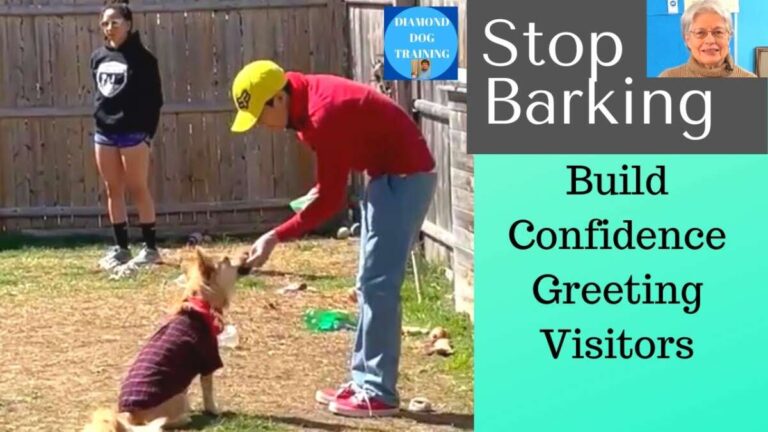
How To Calm A Dog From Barking: Quick Tips
Learn how to calm a dog from barking with gentle, effective techniques that address triggers and encourage quieter, calmer behavior.
Calm your dog’s barking by finding the trigger, reducing stress, and rewarding quiet behavior with patience.
Learning how to calm a dog from barking starts with understanding that barking is communication, not stubbornness. Your dog may be alerting you, asking for attention, feeling afraid, or reacting to noise. This guide uses practical training methods, behavior science, and real-world lessons to help you build a calmer home without fear or punishment.
Why Dogs Bark
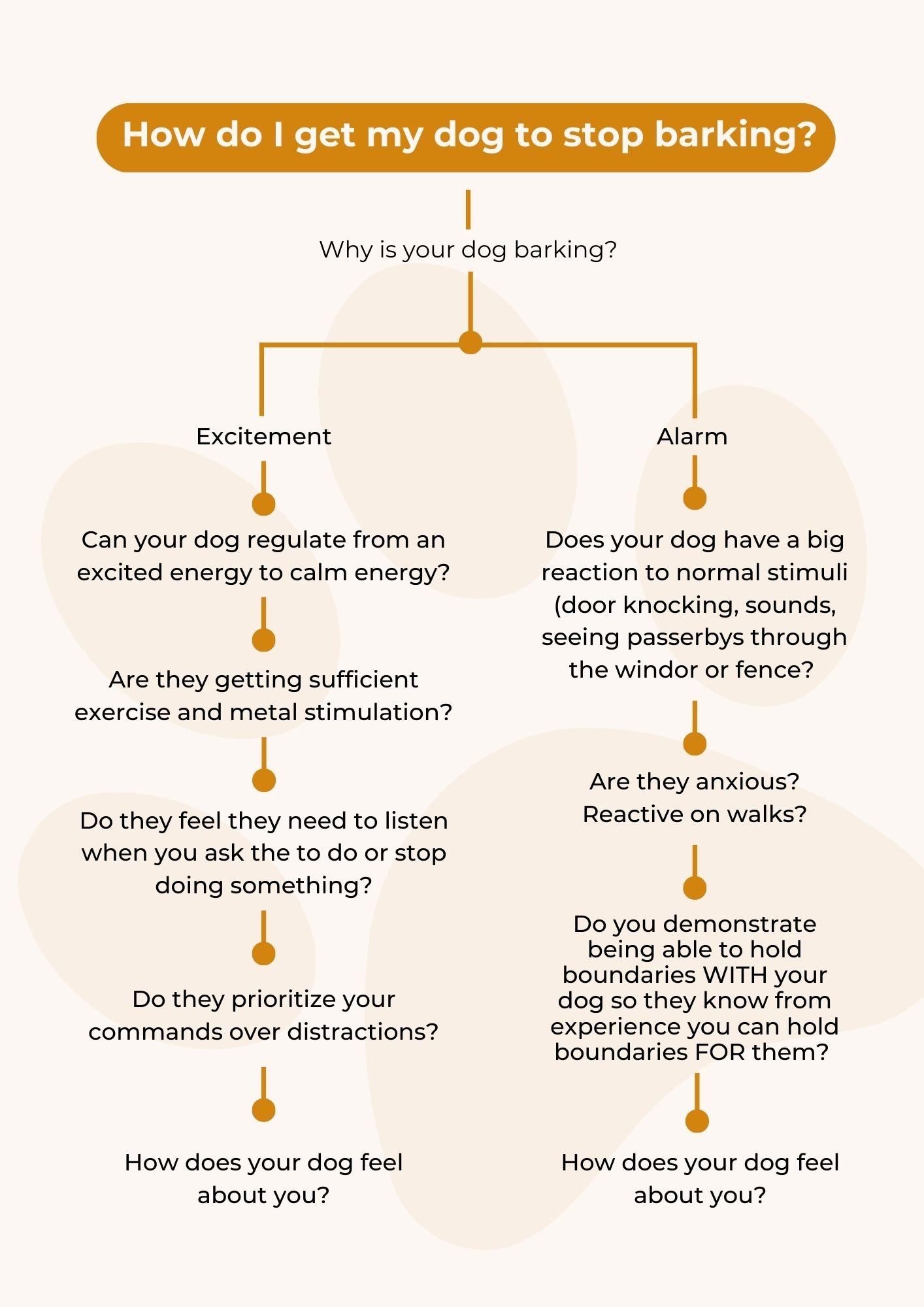
Barking is a normal dog behavior. It can warn of danger, express excitement, show fear, or signal a need. The goal is not always to stop every bark. The goal is to reduce needless barking and teach your dog a better response.
Common causes include:
- Strangers near the home
- Other dogs, cars, or wildlife
- Loud sounds such as thunder or fireworks
- Boredom and excess energy
- Separation distress
- Pain or illness
- A desire for food, play, or attention
- Frustration caused by windows, fences, or leashes
Think of barking as your dog’s alarm system. Before you silence the alarm, you need to know what set it off. A dog barking at a mail carrier needs a different plan from a dog barking because it fears being alone.
Breed traits also matter. Some dogs were bred to alert people, guard property, or respond to movement. These dogs may need more management and practice than dogs with a naturally quiet temperament.
How to Calm a Dog From Barking in the Moment
When barking begins, stay calm. Dogs often copy our energy, so shouting can make the situation louder and more intense. Use a low, steady voice and give your dog space from the trigger.
Follow these steps:
- Identify what your dog is reacting to.
- Move your dog away from the window, door, fence, or sound.
- Close blinds or add soft background noise if needed.
- Wait for a brief pause in barking.
- Say “quiet” or another simple cue once.
- Reward the pause with a small treat or calm praise.
- Repeat the process without rushing.
The reward must come after the quiet moment. If you give a treat while your dog is barking, your dog may learn that barking brings food. At first, reward even one or two seconds of silence. Over time, slowly ask for longer quiet periods.
If your dog is highly upset, training may not work right away. Stress can block learning, much like fear can make it hard for a person to think clearly. Increase distance from the trigger first, then begin training when your dog can focus.

Find the Barking Trigger
Keep a simple barking log for several days. Write down what happened before the barking, how long it lasted, and what stopped it. This can reveal a pattern that is easy to miss.
Record details such as:
- Time of day
- Location
- Noise or movement nearby
- People or animals present
- Your dog’s body language
- What response ended the barking
A dog that barks at the front window may be reacting to passing people. A dog that barks when you pick up your keys may fear being left alone. A dog that barks during play may be overexcited rather than aggressive.
Watch your dog’s body language. A relaxed dog may have a loose body and soft eyes. A fearful dog may tuck its tail, lower its body, lick its lips, or try to hide. A tense dog may stare, freeze, growl, or raise its hackles.
Knowing the trigger makes it easier to choose the right way to calm a dog from barking. You can block the view, change the routine, add exercise, or seek professional help when needed.
Teach the “Quiet” Cue
The “quiet” cue works best when you teach it during calm moments. Do not wait for the loudest barking episode. Start in a quiet room with low distractions.
Use this simple training plan:
- Ask a friend to create a mild trigger, such as a soft knock.
- Allow your dog to bark once or twice.
- Hold a treat near your dog’s nose.
- When your dog stops to sniff, say “quiet.”
- Give the treat at once.
- Practice for one to two minutes.
- Stop while your dog is still calm.
Do not repeat “quiet” many times. If you say the cue over and over, it may become background noise. Say it once, then guide your dog toward the behavior you want.
You can also teach an alternative behavior. Ask your dog to go to a mat, sit, touch your hand, or look at you. These tasks give your dog a clear job when a trigger appears.
In my experience, a “go to mat” cue is especially useful near doors. The dog learns that a visitor means moving to a safe spot and earning rewards, rather than rushing the entrance and barking. This takes practice, but it gives the dog a predictable routine.
Use Exercise and Mental Enrichment
A bored dog may bark because barking creates activity. Daily movement can lower excess energy, but exercise alone will not fix fear or separation distress. Your plan should include both physical activity and mental work.
Helpful options include:
- A brisk walk suited to your dog’s age and health
- Sniffing games in the yard or home
- Food puzzles and treat toys
- Short obedience sessions
- Hide-and-seek with treats
- Safe chewing activities
- Calm play with clear start and stop cues
Sniffing is especially valuable. It allows dogs to gather information and use their minds. A slow sniff walk may be more calming than a rushed walk around the block.
Avoid pushing your dog into exhausting exercise if the barking comes from fear. A frightened dog may become more stressed after crowded walks, intense play, or forced greetings. Choose activities that help your dog feel safe.
A consistent routine can also reduce barking. Feed, walk, rest, and play at fairly regular times. Predictability acts like a handrail for an anxious dog.
Manage Common Barking Situations
Barking at the Window
Block access to the window with curtains, privacy film, or furniture placement. Move your dog to another room before busy times, and reward quiet behavior away from the glass.
You can also teach your dog to look at you when someone passes. Begin at a distance where your dog notices the person but can still eat a treat. Gradually practice with closer or more difficult triggers.
Barking at the Door
Teach your dog to go to a mat when the doorbell rings. Practice first without visitors. Ring the bell softly, guide your dog to the mat, and reward calm behavior.
Ask guests to ignore your dog at first. Eye contact, touching, and excited greetings can increase arousal. Once your dog is calm, allow a brief greeting if your dog enjoys visitors.
Barking at Other Dogs
Create more distance from other dogs. Cross the street, step behind a parked car, or turn around before your dog reaches the barking point.
Reward your dog for noticing another dog and then looking back at you. This teaches a calm pattern. Do not force a close greeting, especially if your dog is fearful or reactive.
Barking When Alone
Barking that happens only when you leave may signal separation anxiety. Other signs can include pacing, drooling, scratching doors, accidents, destruction, or escape attempts.
Use a camera to observe what happens after you leave. Begin with very short absences that end before panic starts. Increase time slowly, and speak with a veterinarian or qualified behavior professional if your dog cannot remain calm.
Barking at Night
Check for outside sounds, discomfort, poor sleep, or a need to go outside. Older dogs may bark at night because of pain, hearing changes, vision loss, or cognitive decline.
A quiet sleeping area, white noise, a regular bedtime routine, and a veterinary checkup may help. Sudden nighttime barking should not be dismissed as bad behavior.

What Not to Do
Punishment may stop barking for a moment, but it often fails to solve the cause. Yelling, leash corrections, shock collars, and spray devices can increase fear or frustration. In some dogs, these methods may suppress warning signs without reducing the emotion behind them.
Avoid these common mistakes:
- Shouting “quiet” louder than the dog is barking
- Rewarding barking with attention
- Opening the door during frantic barking
- Forcing fearful dogs to face their triggers
- Leaving a lonely dog outside for long periods
- Using a crate as punishment
- Expecting instant results after one training session
A muzzle should never be used to solve barking. It can prevent biting when fitted and introduced correctly, but it does not address fear, boredom, or anxiety. Never use a device that restricts breathing or prevents normal drinking and panting.
One mistake I often see is changing methods too quickly. Owners may try treats for two days, then punishment, then a new device. Dogs learn through repetition. Choose a safe plan and follow it consistently for several weeks.
When to Contact a Veterinarian or Behavior Expert
Speak with a veterinarian if barking starts suddenly, becomes intense, or comes with aggression, confusion, pain, appetite changes, or sleep changes. Medical problems can affect behavior. Ear pain, arthritis, thyroid issues, and age-related changes may make a dog more vocal.
Professional help is also wise when:
- Your dog tries to bite
- Your dog damages doors or windows
- Your dog panics when left alone
- Barking lasts for hours
- You cannot identify the trigger
- Training causes more fear
- Neighbors or housing rules create urgent pressure
A veterinarian can rule out health problems and refer you to a qualified behavior professional. Look for someone who uses reward-based methods and can explain the plan clearly.
Training has limits. Severe anxiety may not improve with treats and exercise alone. Some dogs need a structured behavior plan and, in certain cases, medication prescribed by a veterinarian. Medication is not a shortcut or a failure. It can lower distress enough for learning to happen.

A Simple Daily Plan
A short daily plan is easier to follow than a large goal. Try this routine for two to four weeks:
- Take your dog on a suitable walk or sniff outing.
- Practice one cue, such as “look,” “quiet,” or “go to mat.”
- Give a food puzzle during a calm part of the day.
- Block known triggers before barking starts.
- Reward quiet behavior when you notice it.
- Record progress in a simple notebook.
Measure small wins. Your dog may still bark, but recover faster, respond to a cue, or stay calm for longer. These changes show that learning is taking place.
Do not wait only for perfect silence. A dog that pauses, turns away, or chooses to lie down is already making progress. Reward those choices.
Consistency among family members matters too. If one person rewards barking and another person ignores it, the dog receives mixed signals. Agree on the cue, the reward, and the house rules.
Frequently Asked Questions About How to Calm a Dog From Barking
How can I calm my dog from barking quickly?
Move your dog away from the trigger, reduce noise or visual stimulation, and wait for a brief pause. Reward that pause with a treat or calm praise instead of shouting.
Why does my dog bark at nothing?
Dogs may hear or smell things that people cannot detect. Still, sudden or unusual barking can also relate to pain, anxiety, hearing loss, vision changes, or age-related confusion, so a veterinary checkup may be useful.
Should I yell at my dog to stop barking?
No. Yelling can sound like barking and may increase excitement or fear. Use a calm cue, create distance from the trigger, and reward quiet behavior.
Do bark collars work?
Some bark collars may suppress noise, but they do not reliably address the reason for barking. Devices that cause pain or fear can worsen anxiety, so reward-based training and professional guidance are safer choices.
How long does it take to stop excessive barking?
The timeline depends on the cause, the dog, and how consistent the training is. Mild attention barking may improve within weeks, while fear, reactivity, or separation anxiety can require months of careful work.
Can exercise stop my dog from barking?
Exercise can reduce boredom and excess energy, but it will not cure fear, pain, or separation anxiety by itself. Combine suitable exercise with trigger management and reward-based training.
Conclusion
The best way to calm a dog from barking is to understand the cause, reduce the trigger, and reward calm choices. Use short training sessions, steady routines, mental enrichment, and humane management. Avoid yelling and punishment, because fear rarely creates lasting calm.
Start today by writing down when your dog barks and what happens just before it. Then choose one small change, such as blocking a window or teaching “go to mat.” With patience and consistent practice, you can help your dog feel safer and make your home quieter. Share your progress with your veterinarian or a qualified behavior professional when you need extra support.

Pet Care Writer & Researcher
Daniel writes practical guides on daily care, feeding, and safety, turning complex topics into simple, actionable advice.