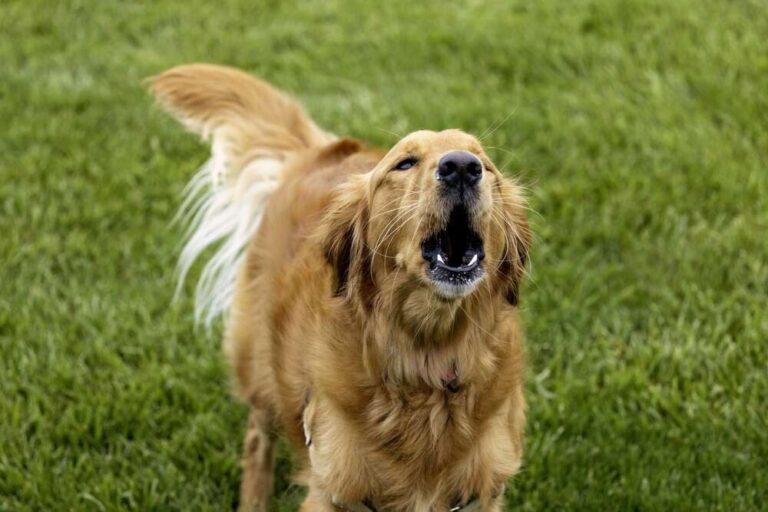
What Do Dogs Dream About When They Bark: Dream Meaning
What do dogs dream about when they bark? Learn what barking, twitching, and whimpering may reveal about your dog’s dreams and sleep.
Dogs often bark in dreams because they relive exciting, social, or stressful moments from daily life.
If you have heard your dog whimper, twitch, or bark during sleep, you may wonder what is happening inside that busy canine mind. Experts cannot know exactly what a dog dreams about, but sleep research, behavior patterns, and veterinary knowledge give us useful clues. This guide explains what do dogs dream about when they bark, when sleep sounds are normal, and when they may signal a health concern.
Why Dogs Bark in Their Sleep
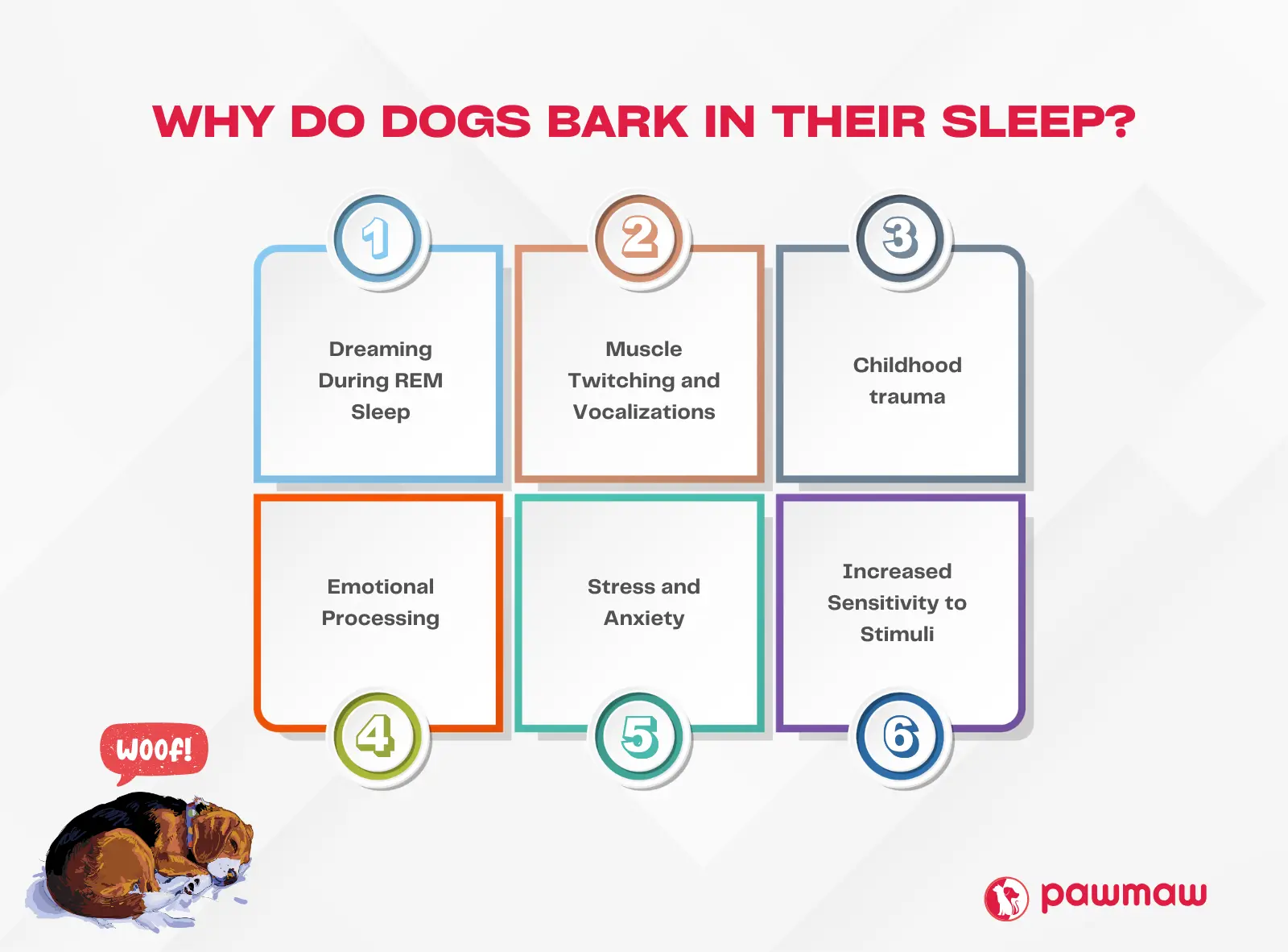
Dogs bark in their sleep because their brains may be processing memories, emotions, and events from the day. Like people, dogs move through different sleep stages, including rapid eye movement sleep, often called REM sleep. This is the stage most linked with vivid dreams and small body movements.
During REM sleep, a dog may:
• Twitch its paws or whiskers
• Move its eyes beneath closed eyelids
• Whine, growl, or bark softly
• Paddle its legs as if running
• Change its breathing speed
• Make small chewing or licking motions
So, what do dogs dream about when they bark? They may be dreaming about chasing a squirrel, greeting another dog, playing fetch, guarding the home, or responding to a sound from their past.
A sleeping bark does not always mean your dog is upset. A short yip may simply be part of an exciting dream. Think of it as your dog’s brain playing a tiny movie while the body rests.
What Do Dogs Dream About When They Bark?
Dogs likely dream about familiar experiences. Their dreams may include people, animals, places, smells, and routines that matter to them. Since dogs rely heavily on scent and memory, their dream world may be rich with smells and social moments.
Scientists cannot ask dogs to describe their dreams. However, studies of animal sleep show that many mammals display brain activity linked to memory processing during sleep. Research on rats has also found sleep brain patterns related to tasks they learned while awake. This suggests that animals may replay parts of their daily experiences during dreams.
Common dream themes may include:
• Chasing a ball, rabbit, squirrel, or cat
• Running through a yard, park, or trail
• Playing with another dog
• Greeting a favorite family member
• Eating or searching for food
• Exploring a new place
• Defending territory
• Repeating a training exercise
• Reacting to a stressful event
A dog that barks once and wags its tail may be enjoying an exciting dream. A dog that growls, cries, or jerks sharply may be replaying a tense memory. Still, the sound alone cannot tell us exactly what the dream means.
This is the most honest answer to what do dogs dream about when they bark: they probably dream about meaningful parts of life, but no one can identify the exact dream without direct evidence.

How Dog Sleep and Dreaming Work
Dogs sleep more than people do, although the amount varies by age, breed, size, health, and activity level. Puppies and older dogs often need more sleep. Some adult dogs may sleep for about 12 to 14 hours each day, while puppies can sleep much longer.
Dog sleep has two main patterns:
Non-REM sleep
Non-REM sleep is a quieter stage. The body rests, breathing is often steady, and muscles stay more relaxed. Your dog may still shift position, but strong movements are less common.
REM sleep
REM sleep is a deeper stage linked with dreaming. The brain becomes more active, while most large muscles remain relaxed. This natural muscle control helps prevent the dog from acting out every dream.
Small movements during REM sleep are normal. You may see a paw twitch or hear a soft bark. These signs often last only a few seconds or minutes.
A young puppy may appear especially active during sleep. Puppies are still learning about the world, so their brains have a great deal to process. Older dogs may also dream more visibly, though frequent sleep disruption should be discussed with a veterinarian.
Why Some Dogs Bark More Than Others in Dreams
Not every dog barks while sleeping. Breed, personality, age, daily activity, and past experiences can all affect sleep behavior.
A vocal dog may be more likely to bark during a dream. Dogs that bark often while awake may also make more sounds during sleep. However, quiet dogs can dream actively without making much noise.
Factors that may affect dream barking include:
• Age: Puppies and senior dogs may have more noticeable sleep movements.
• Temperament: Alert or highly reactive dogs may vocalize more.
• Daily activity: A busy day can lead to active sleep.
• Training: Dogs that practice tasks may replay those actions.
• Stress: Fearful events may appear in restless dreams.
• Breed traits: Some breeds are naturally more vocal than others.
• Sleep environment: Noise, light, or movement can disturb rest.
A dog that spends the day at daycare may dream about running and playing. A dog that attends obedience training may twitch its paws or bark as it repeats learned actions. A rescue dog with a difficult history may sleep restlessly, especially after a stressful day.
These examples do not prove what a dog is dreaming about. They simply show why context matters when trying to understand sleep behavior.

Is Dream Barking Normal?
In most cases, dream barking is normal. A brief bark, whine, paw twitch, or small body movement usually does not require intervention. The best response is to let your dog sleep.
Avoid shaking or suddenly touching a sleeping dog. Even a gentle dog may startle and bite if it wakes in confusion. Instead, speak softly from a short distance if you truly need to wake your pet.
Normal dream behavior often has these features:
• It lasts for a short time.
• The movements are small or uneven.
• Your dog wakes normally afterward.
• Your dog acts healthy while awake.
• The episodes do not cause injury.
• The behavior does not become more severe over time.
One practical mistake many owners make is waking a dog during every dream bark. This can interrupt healthy sleep and may increase fear or confusion. Unless your dog is in danger, quiet observation is usually the safest choice.
If your dog sleeps near children, place the bed in a calm area. Teach children not to climb on, hug, or disturb a sleeping dog. This simple rule protects both the child and the pet.
When Sleep Barking May Need Veterinary Attention
Dream barking is usually harmless, but some sleep behaviors can look similar to seizures, pain, breathing problems, or severe anxiety. It is important to notice changes in frequency, intensity, and recovery.
Contact a veterinarian if your dog:
• Has violent or repeated full-body movements
• Becomes stiff or cannot relax during an episode
• Drools heavily, urinates, or loses bowel control
• Seems confused for a long time after waking
• Has trouble breathing or turns pale or blue around the gums
• Injures itself while sleeping
• Cries in pain when awake or changing position
• Develops sudden sleep changes later in life
• Has episodes that grow longer or more frequent
A dream usually ends with normal awareness. A seizure may involve stronger movements, unusual stiffness, loss of awareness, or a long recovery period. The difference is not always easy to see, especially from a short event.
Record a video from a safe distance if possible. Write down the time, length, body movements, sounds, and behavior after waking. This information can help a veterinarian decide whether testing is needed.
Do not diagnose a seizure from a video alone, and do not give human medicine. Sleep disorders and neurological conditions require professional evaluation.

How to Help Your Dog Sleep Better
Good sleep supports learning, mood, immune function, and physical recovery. You cannot control what do dogs dream about when they bark, but you can improve the conditions around sleep.
Try these steps:
- Provide a comfortable bed in a quiet area.
- Keep a steady daily routine for meals, walks, and rest.
- Give your dog age-appropriate exercise.
- Offer mental activities, such as scent games or puzzle toys.
- Reduce loud noise near the sleeping area.
- Avoid intense play right before bedtime.
- Keep the room at a comfortable temperature.
- Give anxious dogs a calm place to retreat.
- Ask a veterinarian about sudden changes in sleep.
- Keep a simple sleep journal if episodes are frequent.
Exercise can help, but more exercise is not always better. An exhausted or overstimulated dog may sleep poorly. A balanced day should include movement, training, play, quiet time, and social contact.
In everyday cases, a calm routine makes the biggest difference. For example, a short evening walk followed by a quiet chew toy may help an active dog settle more smoothly than a loud game of chase just before bed.

Can Dogs Have Nightmares?
Dogs may have unpleasant dreams, although researchers cannot confirm the emotional content of a dream with certainty. A dog that whines, hides, trembles, or appears distressed during sleep may be experiencing a troubling dream or another form of sleep disturbance.
Dogs with a history of neglect, abuse, abandonment, or major change may be more likely to show stress-related behavior. However, one restless night does not prove that a dog has nightmares or trauma.
If your dog appears upset while asleep:
• Do not grab or shake the dog.
• Speak gently from nearby.
• Let the dog wake on its own when possible.
• Make sure the sleep area is safe.
• Watch for stress signs during the day.
• Speak with a veterinarian or qualified behavior professional if the pattern continues.
Comfort your dog after it wakes, but avoid making a dramatic event of the episode. Calm reassurance can help. Excessive excitement may teach the dog that nighttime distress brings intense attention.
A predictable home, kind training, safe rest, and gradual exposure to new experiences can support emotional health. Dogs with serious fear or trauma need patient care, not punishment.

What Dog Dream Barking Can Teach You About Behavior
Sleep sounds may offer small clues about your dog’s activity and stress level, but they are not a complete behavior test. The meaning of what do dogs dream about when they bark depends on the larger picture.
Ask yourself:
• Was the dog especially active that day?
• Did anything frightening or unusual happen?
• Is the dog vocal while awake as well?
• Does the dog wake easily and act normal?
• Has the pattern changed recently?
• Are there signs of pain, fear, or confusion?
For instance, a dog that barks during sleep after a long hike may simply be processing an exciting day. A dog that suddenly cries in sleep and avoids movement while awake may need a health check.
One useful lesson from observing dogs is to focus on patterns rather than one isolated event. A single dream bark is usually just a curious part of sleep. A clear change in behavior deserves closer attention.