Why Does My Dog Bark At Me Aggressively: Causes & Fixes
Why does my dog bark at me aggressively? Learn the common causes and humane training tips to build trust and stop unwanted barking.
Your dog may bark aggressively at you because of fear, pain, stress, guarding, or learned attention-seeking behavior.
If you are asking, “why does my dog bark at me aggressively,” you are likely feeling confused or even hurt. A dog that barks, growls, or lunges at its owner is not always being stubborn or dominant. The sound is a warning signal, and its meaning depends on your dog’s body language, health, history, and the situation. This guide explains how to read that signal, what may be causing it, and how to respond safely.
What aggressive barking means
Aggressive barking is loud, sharp, and often paired with stiff posture, staring, growling, raised hackles, or forward movement. It can look frightening, but barking itself does not always mean your dog plans to bite. It means your dog is highly aroused and wants something to change.
When people ask, “why does my dog bark at me aggressively,” they often focus on the noise. The better question is, “What is my dog trying to make happen?” Your dog may want distance, safety, access to an object, relief from pain, or your attention.
Common signs include:
• Barking when you approach the food bowl, bed, toy, or crate
• Barking when you touch, move, wake, or restrain your dog
• Barking when you return home or leave the room
• Barking during play that becomes rough or intense
• Barking with lip licking, yawning, crouching, hiding, or backing away
• Barking with a hard stare, stiff legs, raised tail, or forward lunges
A bark is like an alarm bell. It tells you that your dog’s emotional system is overloaded. Punishing the alarm may silence the sound, but it does not remove the danger your dog feels.
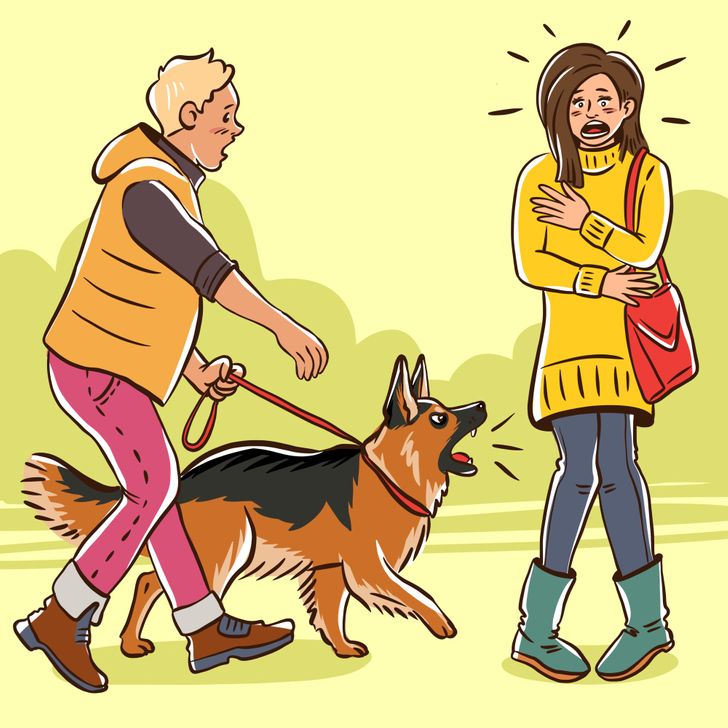
Why does my dog bark at me aggressively?
There is no single answer to why does my dog bark at me aggressively. Several causes can look alike, so timing and context matter. Watch what happens before, during, and after the barking.
Fear or anxiety
Fear is one of the most common causes of aggressive behavior in dogs. A dog may bark at you because your approach, voice, movements, clothing, or touch feels threatening.
This can happen after adoption, a stressful event, harsh handling, or a change in the home. Some dogs fear specific actions, such as reaching over their head, putting on a harness, or being lifted.
Fear-based barking often comes with:
• A lowered body
• Ears held back
• A tucked or low tail
• Avoiding eye contact
• Lip licking or yawning
• Moving away while barking
Your dog may be saying, “Please stop,” rather than “I want to attack.”
Pain or illness
A sudden change in behavior can point to pain. Ear infections, dental disease, arthritis, skin problems, stomach pain, vision loss, and neurological issues may make a dog react when touched or approached.
This is especially important if your dog was calm before but now barks aggressively. Older dogs may also become more reactive due to hearing loss, vision changes, or canine cognitive decline.
Never assume a sudden behavior change is simply bad training. A veterinary exam should come first.
Resource guarding
Resource guarding happens when a dog protects something valuable. The resource may be food, a bone, a toy, a bed, a crate, a person, or even a particular room.
A dog may bark when you reach toward the item or come too close. Other warning signs include freezing, turning the head away, hovering over the item, growling, or showing the whites of the eyes.
Taking things away by force can make guarding worse. Your dog may learn that your approach always predicts loss.
Frustration
Some dogs bark because they cannot reach what they want. They may want to go outside, greet another dog, chase a squirrel, play, or reach a family member.
Frustration barking can sound aggressive, especially when your dog is behind a gate, on a leash, or near a window. The dog may jump, spin, whine, or snap at the leash as well.
Overexcitement and rough play
Excitement can push a dog past its ability to think clearly. During fetch, wrestling, greetings, or fast movement, a dog may bark, mouth, chase, or jump.
This does not always reflect true aggression. Still, overexcited behavior can cause injury and should be managed. A playful dog usually has a loose body, soft eyes, relaxed movement, and easy pauses.
Learned behavior
Dogs repeat actions that work. If barking makes you give food, open a door, throw a toy, or back away, your dog may bark more in the future.
This does not mean your dog is manipulating you in a human sense. It means the behavior has been reinforced. The reward may be attention, space, access, or relief.
Territorial or protective behavior
A dog may bark at you when you enter a room, approach a family member, or move near a favorite resting place. Some dogs also react when they see you wearing a hat, carrying a box, or returning after time away.
Protective behavior can become risky when a dog decides that normal household actions are threats. Genetics, early socialization, past experiences, and training all affect this response.
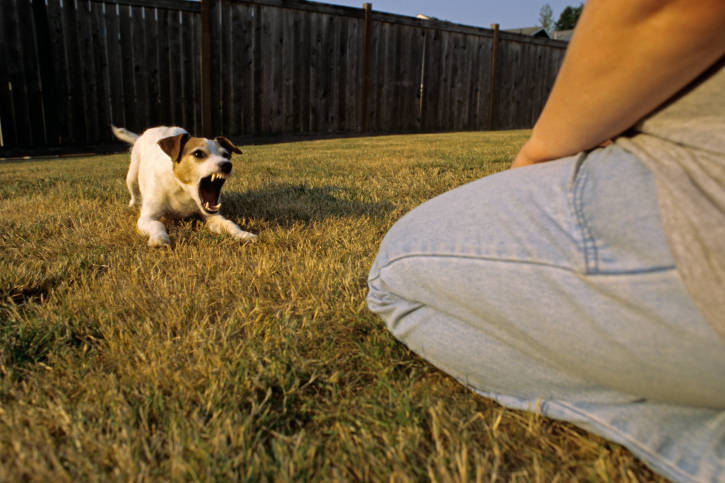
How to read your dog’s body language
To understand why does my dog bark at me aggressively, study the whole body instead of the bark alone. One sound can have many meanings. Posture and movement provide the missing context.
A fearful dog may:
• Crouch or lean away
• Keep its tail low or tucked
• Hold its ears back
• Avoid direct eye contact
• Bark while trying to escape
An angry or highly defensive dog may:
• Stand tall and stiff
• Stare directly
• Raise the tail
• Lift the lips
• Growl deeply
• Move forward or block your path
An overexcited dog may:
• Bounce or spin
• Wag in wide, fast movements
• Have a loose body
• Jump or mouth
• Pause briefly, then restart
A relaxed dog can still bark, but its body usually stays soft. Look for loose muscles, natural breathing, curved movement, and the ability to respond to its name or a simple cue.
Also notice what happens after you stop. If your dog relaxes when you turn away, distance may be the goal. If your dog follows you and keeps barking, it may be seeking attention, access, or control of movement.
:strip_icc()/understanding-dog-growling-1118256_FINAL-9eb79690e2674d4097fa3e3f9a462bad.png)
What to do when your dog barks aggressively at you
Your first goal is safety, not obedience. When a dog is highly aroused, learning is limited. Think of the situation as a fire alarm: create space before trying to teach a lesson.
Follow these steps:
-
Stop moving toward your dog. Do not corner, grab, stare at, or lean over the dog.
-
Turn your body slightly sideways. This can appear less threatening than facing the dog head-on.
-
Use a calm, low voice. Avoid yelling, squealing, or repeating commands.
-
Create distance with a door, baby gate, pen, or another safe barrier.
-
Remove children and other pets from the area.
-
Wait until your dog’s body softens before attempting interaction.
-
Write down what happened, including the time, trigger, distance, and outcome.
Do not punish growling or barking with hitting, leash corrections, shock collars, or forced handling. A growl is valuable information. If you suppress the warning without changing the emotion, your dog may give fewer warnings and bite with less notice.
One practical lesson I have seen repeatedly in behavior work is that people often move closer because they want to prove they are in charge. That choice can turn a warning into a bite. Calm distance is not weakness. It is good risk management.
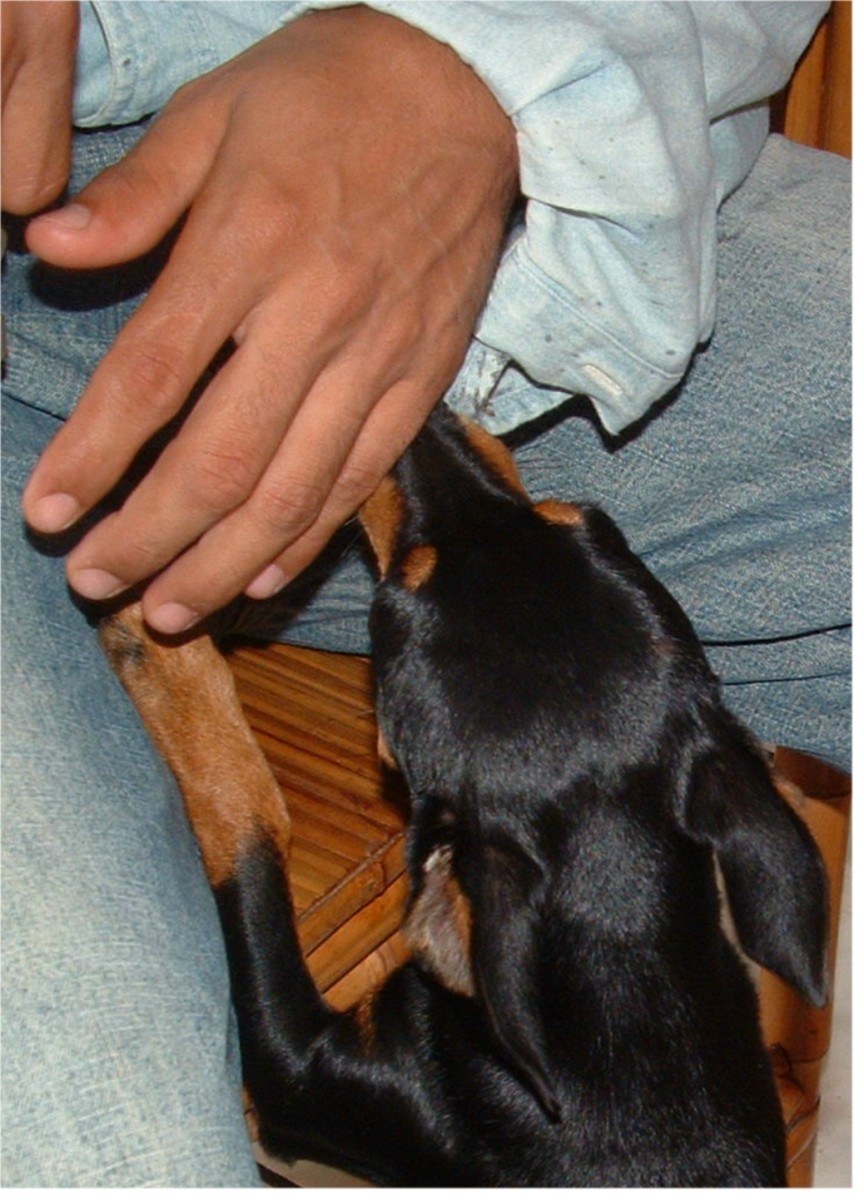
How to stop aggressive barking over time
Long-term change requires a plan that addresses the cause. Training works best when it lowers stress and rewards safe choices.
Start with a veterinary check
Book an appointment if the barking is new, intense, linked to touch, or getting worse. Tell the veterinarian when it began and whether your dog shows pain, sleep changes, appetite changes, stiffness, confusion, or unusual sensitivity.
A medical problem may not explain every case, but it must be ruled out. Behavior treatment is less effective when pain remains untreated.
Identify the trigger
Keep a simple behavior log. Record:
• What happened before the bark
• Where your dog was
• Who approached
• Whether food, toys, or space were involved
• Your dog’s body language
• What ended the episode
Patterns often appear within a week. You may discover that your dog does not bark “for no reason.” The trigger may be a hand reaching for the collar, a person walking past the bed, or an evening noise.
Manage the environment
Management prevents repeated practice of the unwanted behavior. Use gates, closed doors, leashes, window coverings, separate feeding areas, and quiet resting spaces as needed.
For example, if your dog barks when you approach the food bowl, feed in a quiet room and leave the dog alone while eating. Later, a qualified professional can help you build a safe behavior plan.
Use reward-based training
Reward the behavior you want before your dog reaches the barking point. You can reinforce looking at you, moving away, sitting, going to a mat, or relaxing behind a gate.
A basic exercise may look like this:
-
Stand far enough away that your dog notices you but does not bark.
-
Toss a high-value treat away from your body.
-
Wait for your dog to relax.
-
Repeat several times.
-
Slowly reduce distance only when your dog remains calm.
If barking begins, the step was too hard. Increase distance and lower the challenge. This process is called desensitization and counterconditioning. It changes the emotional response instead of forcing the dog to endure fear.
Teach a safe alternative
Teach “go to your mat,” “find it,” or “touch” when your dog is calm. These cues give your dog something clear to do during common household events.
Practice in short sessions. Three minutes of calm work is often more useful than 20 minutes of repeated barking and correction.
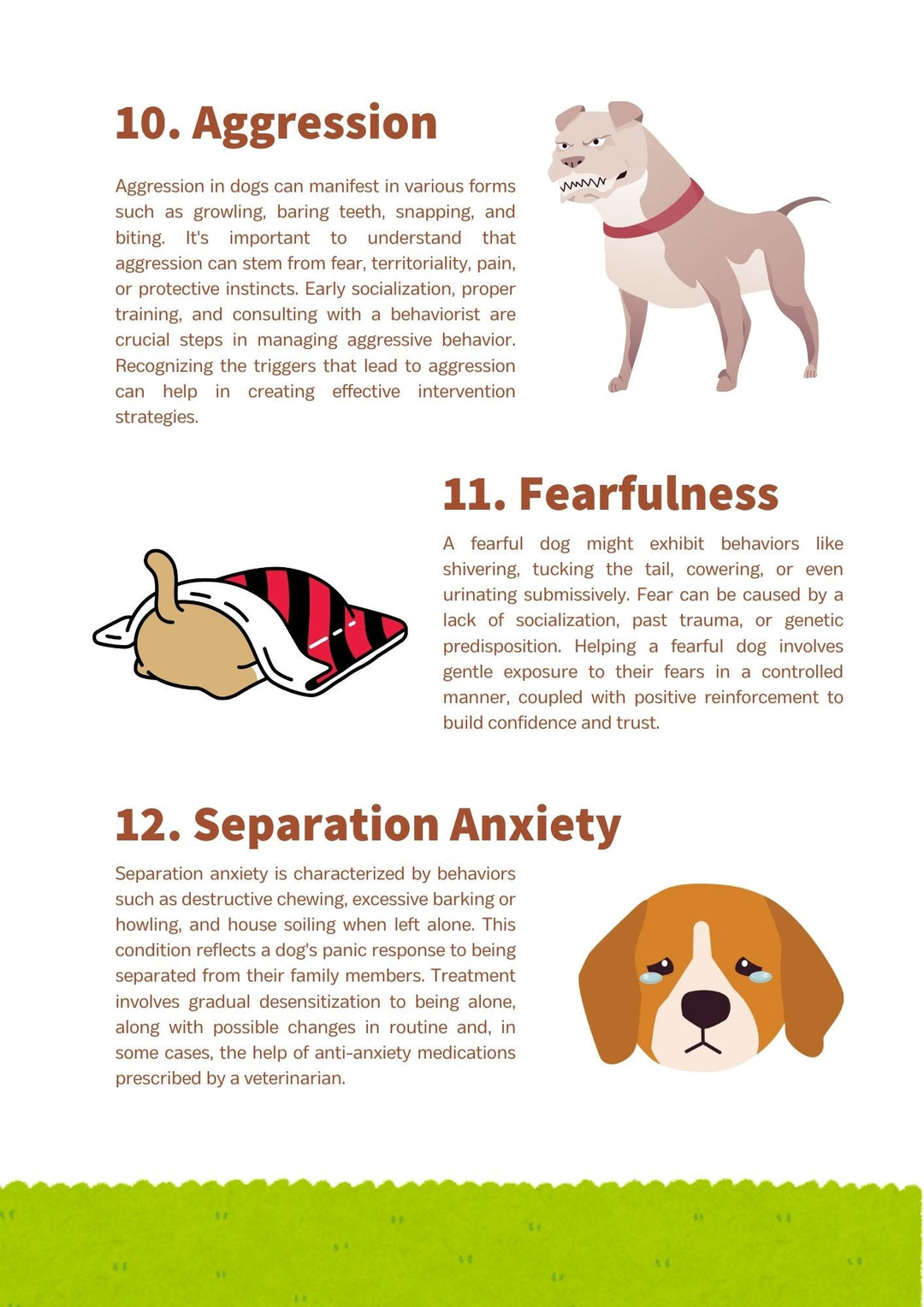
:strip_icc()/top-causes-of-aggression-in-dogs-1117877_final-01-b96150820d0644d4ba7f82621dce43d5.png)
Mistakes that can make barking worse
Many owners make reasonable choices that accidentally increase fear or conflict. Avoid these common errors:
• Yelling over the barking: Your dog may hear this as more alarm or engagement.
• Taking food or toys by force: This can strengthen resource guarding.
• Holding the dog down: Physical restraint may create panic and defensive biting.
• Staring at the dog: Direct eye contact can feel threatening to some dogs.
• Punishing the growl: You may remove an early warning sign.
• Moving too close too fast: This gives your dog no safe way to retreat.
• Using random online techniques: A method that helps one dog may harm another.
• Waiting for a bite: A bite is not required before seeking help.
In my experience, the biggest avoidable mistake is ignoring the early signals. Barking is often the final step after subtler signs such as turning away, freezing, hiding, or lip licking. Responding earlier gives both you and your dog more choices.

When to contact a dog behavior professional
Contact a certified veterinary behaviorist or a qualified reward-based dog behavior consultant when your dog has snapped, bitten, lunged, guarded resources, or cannot calm down around you.
Seek help quickly if:
• The behavior is sudden or rapidly worsening
• Your dog has bitten or broken skin
• Children live in the home
• You cannot safely move around the house
• Your dog guards food, people, beds, or doorways
• Your dog reacts even when you stand several feet away
A veterinary behaviorist can assess medical and emotional causes. A skilled trainer can help with management and behavior exercises. Ask about qualifications, methods, experience with aggression, and how safety will be handled.
Avoid professionals who promise a quick cure, rely on fear, or describe every case as dominance. Modern behavior science recognizes that aggression can arise from fear, pain, frustration, learning, genetics, and many overlapping factors.
No method can guarantee that every dog will become comfortable in every situation. The realistic goal may be safer routines, fewer episodes, better communication, and a higher quality of life.
Can medication help?
Medication may help some dogs, especially when anxiety, panic, pain, or severe reactivity prevents learning. It is not a substitute for training or management. It can lower the emotional intensity enough for behavior work to succeed.
Only a veterinarian should prescribe medication. Your veterinarian may recommend a daily medication, a situational option, pain treatment, or further testing. Follow instructions closely and report side effects.
Behavior changes can take time. Progress is often uneven, with good days and difficult days. Measure small improvements, such as a faster recovery, greater distance from a trigger, or fewer warning signs.

Frequently Asked Questions
Why does my dog bark at me aggressively but not at other people?
Your dog may connect you with specific triggers, such as feeding, grooming, rules, touch, or taking away objects. The behavior may also reflect a history or routine that other people do not share.
Why does my dog bark and growl when I pet him?
Pain, fear, overstimulation, or discomfort with certain types of touch may be involved. Stop petting and arrange a veterinary check, especially if this behavior is new.
Should I ignore my dog when he barks aggressively at me?
Do not simply ignore a dangerous situation. Calmly create space, protect everyone nearby, and address the trigger with professional guidance rather than waiting for the behavior to stop on its own.
Can aggressive barking be caused by separation anxiety?
Yes, separation anxiety can cause barking, but it usually occurs when the dog is left alone or expects separation. Barking directly at you during touch, feeding, or approach may have another cause.
Will neutering stop my dog from barking aggressively?
Neutering may affect some hormone-related behaviors, but it is not a reliable cure for fear, pain, guarding, or learned barking. Discuss the behavior with your veterinarian before making decisions.
Is aggressive barking a sign that my dog will bite?
Barking does not guarantee a bite, but barking with stiff posture, lunging, snapping, or guarding means bite risk should be taken seriously. Use barriers and seek qualified help rather than testing your dog.
Conclusion
The answer to why does my dog bark at me aggressively may involve fear, pain, guarding, frustration, overexcitement, or learned behavior. Your dog’s bark is a message, not a complete diagnosis. Look at the body language, identify the trigger, create distance, avoid punishment, and arrange veterinary or behavior support when needed.
With patience and a clear plan, many dogs can learn safer ways to communicate. Start by recording the next episode and protecting everyone from another stressful encounter. If this guide helped, share your experience in the comments or explore trusted veterinary behavior resources for the next step.