
Do Miniature Schnauzers Bark A Lot: What To Expect
Do miniature schnauzers bark a lot? Learn why they bark, how much to expect, and practical tips to help reduce excessive barking.
Yes, Miniature Schnauzers often bark a lot, but training can reduce it.
If you are asking, “do miniature schnauzers bark a lot,” the honest answer is yes, they can be quite vocal. This alert, clever breed was developed to watch farms and control pests, so barking is often part of its natural job. Still, a well-exercised Miniature Schnauzer with clear training does not have to bark at every sound, person, or passing squirrel.
Do Miniature Schnauzers Bark a Lot?
Yes, Miniature Schnauzers are known for frequent barking. They are alert watchdogs, and they tend to notice changes that many other dogs ignore. A delivery truck, a cat near the window, or a strange noise outside may all trigger a loud response.
However, barking does not mean every Miniature Schnauzer is noisy all day. Temperament, age, training, exercise, health, and home life all affect how much a dog vocalizes.
When people ask, “do miniature schnauzers bark a lot,” they often want to know whether the breed suits apartment living. The answer depends on your routine. A Miniature Schnauzer may live happily in an apartment if you provide exercise, mental work, and early training.
The breed standard describes the Miniature Schnauzer as alert, spirited, and intelligent. These traits are useful in a watchdog, but they can also make the dog quick to react. Think of the bark as a doorbell with a sensitive setting. Training helps your dog learn when the bell matters and when it does not.

Why Do Miniature Schnauzers Bark So Much?
To understand why do miniature schnauzers bark a lot, look at the reasons behind the sound. Barking is not always a behavior problem. It is a form of communication.
Common causes include:
- Alert barking: Your dog sees or hears something new.
- Territorial barking: Your dog believes someone is entering its space.
- Excitement barking: Your dog becomes highly aroused during play, greetings, or walks.
- Fear barking: Your dog feels unsure about a person, dog, sound, or place.
- Demand barking: Your dog wants food, attention, access, or play.
- Boredom barking: Your dog has too little activity or social contact.
- Frustration barking: Your dog cannot reach something it wants.
- Separation-related barking: Your dog becomes upset when left alone.
- Learned barking: Barking has worked before, so your dog repeats it.
Miniature Schnauzers are bright dogs. They learn quickly, including habits that owners do not want. If barking makes a person open the door, toss a toy, or give a treat, the dog may learn that barking gets results.
Fear also deserves special care. A frightened dog is not being stubborn. It is trying to create distance from something it views as unsafe. Punishing fear-based barking can increase stress and may make the behavior worse.

How Much Barking Is Normal?
There is no single number of barks that defines normal behavior. A dog may bark briefly when a visitor arrives and then settle. Another dog may bark at every sound for several minutes. The pattern, trigger, and recovery time matter more than the exact count.
A healthy level of watchdog barking usually has three parts:
- The dog notices a change.
- The dog gives a few warning barks.
- The dog can stop after you respond.
Frequent barking becomes a concern when your dog cannot settle, barks for long periods, disturbs neighbors, or seems distressed. It also needs attention when the behavior appears suddenly in an older dog.
Ask yourself these questions:
- Does barking happen at a clear trigger?
- Can your dog respond to its name?
- Can your dog stop within a reasonable time?
- Does your dog look relaxed or frightened?
- Does barking happen mostly when your dog is alone?
- Has the barking changed without an obvious cause?
These questions help separate normal communication from anxiety, poor impulse control, or a medical issue.
When considering do miniature schnauzers bark a lot, remember that breed averages do not predict every individual dog. Some Miniature Schnauzers are calm observers. Others are enthusiastic commentators on every event outside the home.
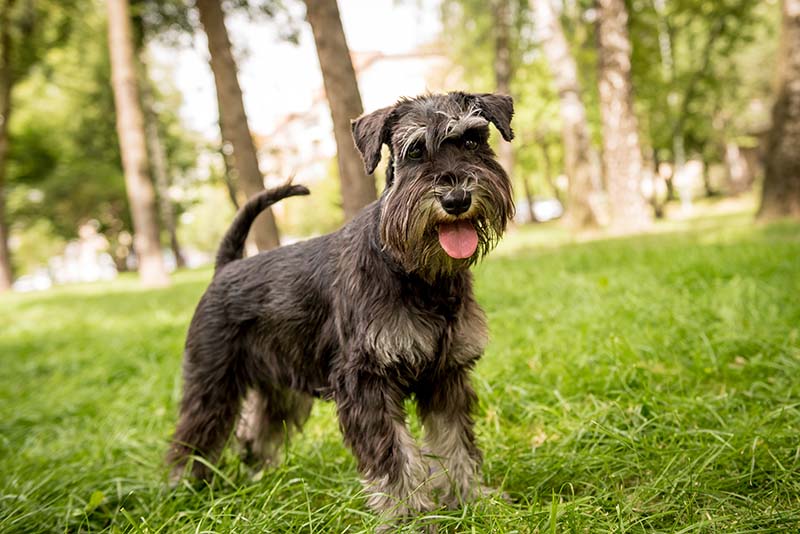
Do Miniature Schnauzers Bark More Than Other Dogs?
Miniature Schnauzers often bark more than quiet companion breeds, such as some Greyhounds or Cavalier King Charles Spaniels. They may be similar to other alert terriers and small watchdog breeds. Their high awareness and strong response to movement can make them seem louder than their small size suggests.
The Miniature Schnauzer is a terrier-type dog with a history of farm work. Its ancestors needed to notice intruders and react to small animals. Modern dogs may not work on farms, but many still carry the same alert nature.
That does not mean the breed is automatically unsuitable for families. It means owners should choose the breed with open eyes. If you want a dog that rarely reacts to noise, a Miniature Schnauzer may not be the best match. If you want an active, smart, responsive companion, its vocal nature may be manageable.
In my experience observing small, alert dogs in homes and training settings, the biggest mistake is waiting for barking to become severe before teaching calm behavior. Owners often laugh when a young puppy barks at the mail carrier. Months later, the same habit can become difficult to control.
Early guidance is much easier than trying to erase a deeply practiced behavior.

Factors That Affect Miniature Schnauzer Barking
Not every Miniature Schnauzer barks for the same reason. Several factors can raise or lower vocal behavior.
Age
Puppies may bark because they are curious, tired, lonely, or unsure. Adolescents often test boundaries and react strongly to new sights and sounds. Older dogs may bark more if they develop hearing loss, pain, confusion, or other health changes.
Exercise
A bored Miniature Schnauzer may search for its own activity. Barking at windows, chasing shadows, and reacting to every passerby can become a daily routine. Physical exercise helps, but mental exercise is just as important.
Socialization
A dog that meets many people, dogs, sounds, and places in a safe way is more likely to feel confident. Poor socialization can lead to fear, excitement, or defensive barking.
Environment
A home near a busy road may create more barking than a quiet rural home. Windows, fences, shared hallways, and doorbells can all act as strong triggers.
Health
Pain, skin disease, dental problems, thyroid disorders, vision loss, hearing loss, and cognitive changes can affect behavior. A sudden increase in barking deserves a veterinary check.
Daily routine
Dogs usually cope better when meals, walks, rest, and alone time follow a steady pattern. Unpredictable days can create stress in sensitive dogs.

How to Stop Excessive Barking
The goal is not to silence every bark. The goal is to teach your dog when barking is useful and when calm behavior is better.
1. Find the trigger
Keep a simple record for several days. Write down:
- What happened before the barking?
- Where was your dog?
- How long did the barking last?
- What did people do afterward?
- What helped your dog settle?
This record may reveal a clear pattern. For example, your dog may bark only when standing at the front window or only during evening walks.
2. Reduce access to triggers
Management is not a shortcut. It prevents your dog from practicing the unwanted behavior.
Try these changes:
- Close blinds during busy periods.
- Use a privacy film on lower windows.
- Move furniture away from lookout points.
- Play soft background sound near the door.
- Keep your dog away from the entry area during deliveries.
- Use a secure, quiet space when visitors arrive.
Every repeated barking episode strengthens the habit. Fewer rehearsals give training a better chance to work.
3. Teach a calm cue
Choose a simple word, such as “quiet.” First, allow one or two barks after a mild trigger. Then place a tasty treat near your dog’s nose. When your dog pauses to sniff, say “quiet,” praise the pause, and give the treat.
Repeat this in short sessions. Do not shout the cue. To a dog, a person yelling “quiet” may sound like another person joining the barking.
4. Reward calm behavior
Catch your dog being quiet. If your Miniature Schnauzer lies on a mat while a person walks past, calmly offer praise or a treat. This teaches that silence and self-control have value.
Training works best when rewards come quickly. Your dog should understand which behavior earned the reward.
5. Build a strong “go to mat” behavior
Teach your dog to walk to a bed or mat and remain there. Start in a quiet room. Add mild distractions slowly. Later, use the mat when the doorbell rings or guests enter.
This gives your dog a clear job. Instead of rushing to the window, your dog can move to a familiar place and wait.
6. Add physical and mental activity
A healthy adult Miniature Schnauzer often needs daily walks, play, and training. Exact needs vary by age, health, and personality.
Useful activities include:
- Sniff walks
- Food puzzle toys
- Short obedience sessions
- Trick training
- Hide-and-seek games
- Fetch in a safe area
- Supervised scent games
- Calm social outings
Avoid trying to exhaust your dog with nonstop high-energy play. Some dogs become more wound up. Balance active games with rest and calm work.

Mistakes That Can Make Barking Worse
Many loving owners accidentally reward barking. This is common and fixable.
One mistake is giving attention during demand barking. Looking at the dog, talking, or pushing the dog away may still feel rewarding. Wait for a short quiet pause, then offer attention if appropriate.
Another mistake is using punishment. Shock collars, yelling, and harsh corrections may stop a sound for a moment, but they do not teach your dog what to do instead. They can also increase fear and damage trust.
A third mistake is changing the rules. If barking at the window is allowed on Monday but punished on Tuesday, your dog receives a confusing message. Everyone in the home should follow the same plan.
A fourth mistake is expecting fast results. Barking habits often develop over weeks or months. Progress may begin with a two-second pause. That small pause is useful because it gives you a chance to reward calm behavior.
My practical lesson is simple: reward the behavior you want before you need it. Do not wait for a major barking episode. Practice calm greetings, door routines, and attention skills when the home is quiet.

Training a Miniature Schnauzer for Apartment Living
Apartment life can work well with a Miniature Schnauzer, but sound control matters. Shared walls make repeated barking stressful for both you and your neighbors.
Start with a daily plan:
- Take your dog outside for a sniffing walk.
- Practice three to five minutes of calm training.
- Give a food puzzle during a rest period.
- Manage window and hallway triggers.
- Practice quiet door routines.
- Schedule play and downtime.
- Reward calm behavior throughout the day.
Teach your dog that hallway sounds do not always require a response. Play a low-level recording of footsteps or door sounds. Feed treats while your dog remains calm. Increase the volume or duration very slowly.
If your dog reacts, the session moved too fast. Lower the sound and try again. Good desensitization feels boring, gentle, and controlled. It should not overwhelm the dog.
Never leave a barking dog alone for long periods without a plan. Separation-related barking can upset neighbors and may signal real distress. A camera can help you learn whether your dog sleeps, watches the door, paces, or barks soon after you leave.

When to Seek Professional Help
Contact your veterinarian if barking starts suddenly, becomes intense, or appears with other changes. Signs such as limping, appetite loss, confusion, restlessness, or sensitivity to touch may point to a health problem.
A certified veterinary behaviorist or qualified reward-based trainer can help with severe cases. Professional support is especially important when barking includes lunging, snapping, panic, destruction, or escape attempts.
Avoid trainers who promise instant results or rely mainly on fear and pain. Ask what methods they use, how they measure progress, and how they handle anxiety. Effective behavior work should protect both safety and trust.
Behavior advice has limits without seeing the dog. A short article cannot identify the exact cause of barking in your Miniature Schnauzer. A professional can assess body language, triggers, learning history, health, and the home setting.

Frequently Asked Questions About Do Miniature Schnauzers Bark a Lot
Do Miniature Schnauzers bark a lot at strangers?
They can bark at strangers because they are alert and protective of their home. Early socialization and calm visitor training can reduce this response.
Are Miniature Schnauzers good apartment dogs?
They can be good apartment dogs when they receive daily exercise, mental activity, and barking guidance. Without those needs, their alert nature may cause repeated noise.
Can you train a Miniature Schnauzer not to bark?
You can teach a Miniature Schnauzer to bark less and settle more quickly. You cannot always remove barking completely because it is a natural form of communication.
Why does my Miniature Schnauzer bark at everything outside?
Your dog may be reacting to movement, sounds, territorial triggers, excitement, or fear. Blocking the view and rewarding calm behavior can help change this pattern.
Do Miniature Schnauzers bark when left alone?
Some do, especially if they feel bored, anxious, or isolated. A gradual alone-time plan, enrichment, and professional help may be needed for separation-related distress.
Are male or female Miniature Schnauzers quieter?
There is no dependable rule that one sex is always quieter. Individual temperament, socialization, training, health, and daily routine usually matter more.
How can I stop my Miniature Schnauzer from barking at the door?
Teach a mat cue, manage the entry area, and practice with controlled door sounds. Reward your dog for turning away from the door and staying calm.
Conclusion
So, do miniature schnauzers bark a lot? They often do, especially when they notice a threat, feel bored, become excited, or lack clear guidance. Their barking comes from useful watchdog instincts, but it can become excessive without training and daily enrichment.
The best approach is to identify the trigger, limit practice, reward quiet behavior, and teach a clear alternative such as going to a mat. Start with small steps, stay consistent, and seek veterinary or behavior support when barking is sudden, fearful, or hard to manage.
With the right routine, a Miniature Schnauzer can be an alert companion without becoming the loudest voice in the neighborhood. Explore more positive dog-training resources, and share your own Miniature Schnauzer barking experience in the comments.

Pet Care Writer & Researcher
Daniel writes practical guides on daily care, feeding, and safety, turning complex topics into simple, actionable advice.