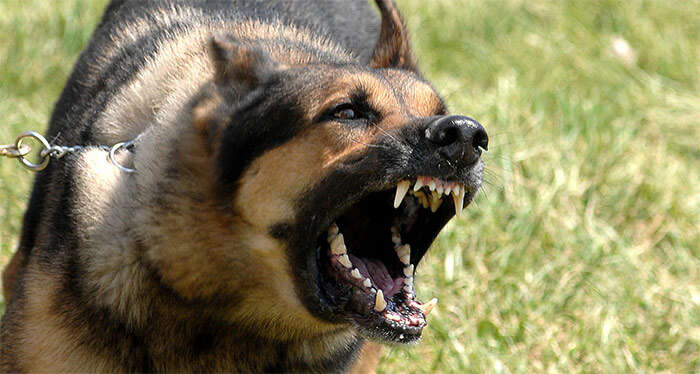
What Does It Mean When A Dog Barks At You: Explained
What does it mean when a dog barks at you? Learn the reasons behind barking and how to respond safely and confidently.
When a dog barks at you, it may be communicating fear, excitement, warning, frustration, or a simple greeting.
Understanding what does it mean when a dog barks at you requires more than listening to the sound. The bark’s pitch, rhythm, volume, body language, and setting all matter. This guide explains the most common reasons dogs bark, how to respond safely, and when barking may signal pain, stress, or a behavior problem.
What Does It Mean When a Dog Barks at You?
A dog’s bark is a form of communication. Dogs do not use words, so they rely on sounds, posture, facial expressions, scent, and movement to express needs and feelings.
What does it mean when a dog barks at you? In many cases, the dog wants you to notice something. It may be saying, “Stay back,” “Come closer,” “I am excited,” or “I need help.”
The same dog may bark for different reasons at different times. A short bark when you enter the room may show excitement. A deep, repeated bark at a stranger near the home may signal concern or territorial behavior.
Common reasons include:
• Alerting you to a person, animal, sound, or change
• Showing fear or discomfort
• Greeting you or asking for attention
• Protecting food, toys, space, or family members
• Feeling frustrated or unable to reach something
• Experiencing pain or illness
• Reacting to past experiences or poor socialization
A bark is best understood as part of a larger message. Think of it as one sentence in a conversation, not the entire conversation.
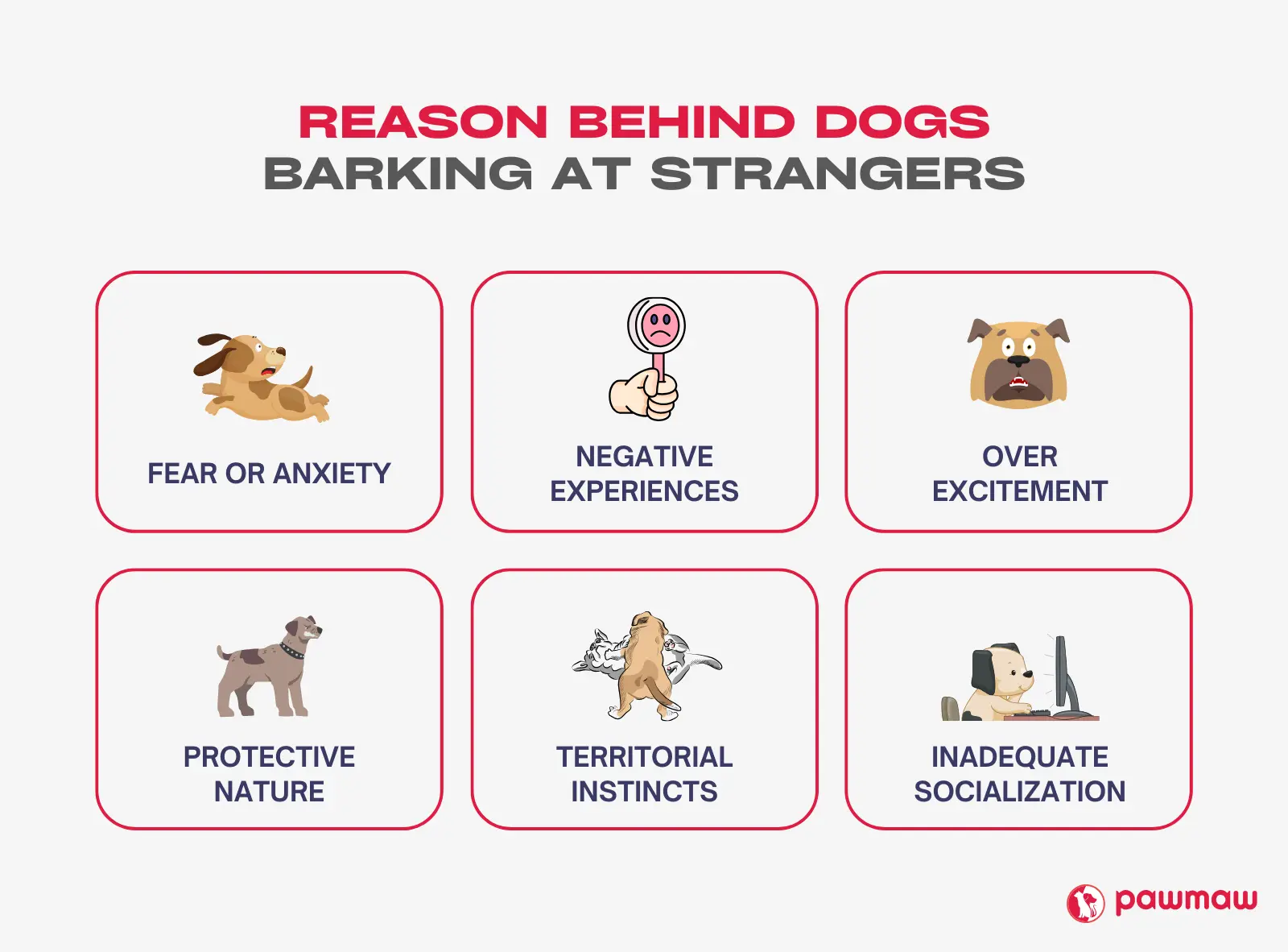
Common Reasons a Dog Barks at You
The dog is greeting you
Some dogs bark when they see a person they know. Their bark may sound sharp or excited, and their body may move loosely. You may also notice a wagging tail, relaxed ears, soft eyes, or playful movements.
This type of bark often means the dog is happy to see you. It may also be asking for a greeting, a game, or physical contact.
Still, a wagging tail does not always mean a dog feels friendly. Tail movement shows emotional arousal, not only happiness. A stiff body and fast tail can signal tension.
The dog wants attention
Dogs often learn that barking makes people look at them, speak to them, open a door, or give them food. If barking has worked before, the dog may repeat it.
This does not mean the dog is being spiteful. It means the behavior has been rewarded in some way. Even saying “Quiet!” can provide attention, which may keep the barking going.
The dog feels afraid
Fear is one of the most important answers to what does it mean when a dog barks at you. A fearful dog may bark to create distance between itself and a person.
Look for signs such as:
• Leaning away
• Lowering the body
• Tucking the tail
• Pinning the ears back
• Licking the lips
• Yawning when not tired
• Showing the whites of the eyes
• Hiding behind a person or object
A fearful bark is often louder and more urgent than a greeting bark. The dog may seem aggressive, but fear is often driving the behavior.
The dog is giving a warning
A dog may bark because it wants you to stop moving closer. It may be guarding its home, owner, food, bed, or personal space.
Warning signs can include a stiff posture, raised hackles, a fixed stare, a wrinkled nose, or a low growl mixed with barking. These signals deserve respect. Do not punish the dog for warning you, because punishment may remove the warning without removing the fear or concern.
The dog is excited or overstimulated
Some dogs bark when they see something exciting, such as another dog, a squirrel, a visitor, or a leash. Their bodies may bounce, pull forward, or move rapidly.
Excitement barking can look friendly, but an overstimulated dog may still nip, jump, or knock someone down. Give the dog space and allow it to settle before interacting.
The dog is frustrated
A dog may bark at you because it cannot reach a toy, go outside, greet another dog, or get through a gate. This is called frustration-related barking.
The dog may stare at the desired object, pace, pull toward it, or bark in a steady rhythm. Teaching calm behavior and rewarding quiet moments can help.
The dog is in pain or feels unwell
Sudden barking can sometimes be linked to pain, confusion, hearing loss, vision loss, or another medical problem. Older dogs may also bark more because of changes in sleep, memory, or awareness.
Contact a veterinarian if barking begins suddenly, becomes intense, happens at night, or appears with changes in appetite, movement, bathroom habits, sleep, or mood.
How to Read a Dog’s Bark and Body Language
The sound alone cannot tell you what does it mean when a dog barks at you. You need to watch the entire dog.
Bark pitch
A high-pitched bark may suggest excitement, distress, or fear. A low bark may signal a warning or defensive mood. However, pitch differs among breeds and individual dogs, so it should not be used by itself.
Bark pattern
A single bark may act as an alert. Several quick barks may show excitement or concern. Repeated barking with pauses may mean the dog is trying to maintain your attention.
A long, continuous bark often points to strong arousal, frustration, anxiety, or a perceived threat.
Posture
A relaxed dog usually has a loose body, natural ear position, and soft facial muscles. A tense dog may stand very still, lean forward, raise its shoulders, or keep its weight over the front legs.
Stillness can be more serious than movement. A dog that freezes may be close to snapping if pressure continues.
Eyes and mouth
Soft eyes and a relaxed mouth often suggest comfort. A hard stare, wide eyes, pulled-back lips, or repeated lip licking may signal stress.
Do not force eye contact. Direct staring can feel threatening to some dogs.
Tail position
A loose, natural tail may show calmness. A tucked tail may signal fear. A high, stiff tail can show alertness or tension.
Tail wagging means the dog is emotionally activated. It does not automatically mean the dog wants to be touched.
The situation
Ask what happened before the bark. Did you approach the dog’s food bowl? Enter its home? Reach toward its collar? Move quickly? Stand near a child? Context often provides the clearest answer.

What to Do When a Dog Barks at You
Your response can either lower tension or make it worse. Stay calm and avoid sudden movements.
If the dog is unfamiliar
Use these steps:
-
Stop moving toward the dog.
-
Turn your body slightly sideways.
-
Keep your hands low and still.
-
Avoid staring into the dog’s eyes.
-
Speak softly, or remain quiet.
-
Give the dog a clear path to move away.
-
Ask the owner for guidance before touching the dog.
Do not reach over the dog’s head. Do not corner it. Do not run, scream, or wave your arms.
If the dog is behind a fence
A barking dog behind a fence may be territorial, frightened, or frustrated. Do not put your fingers through the fence or tease the dog.
Walk away at a calm pace. If the dog stops barking when you create distance, that response gives useful information. The dog may have been asking you to move away.
If the dog is loose
Avoid running. Keep your body still and turn slightly to the side. If possible, place a barrier such as a car, bench, or tree between you and the dog.
If the dog attacks, protect your face and neck. Curl into a ball if you fall, and call for help when it is safe.
If it is your own dog
First, identify the trigger. Then reward calm behavior before the barking becomes intense.
Useful strategies include:
• Moving away from the trigger
• Closing blinds when outside movement causes barking
• Teaching “quiet” with reward-based training
• Giving the dog exercise and mental enrichment
• Teaching a reliable “come” or “place” cue
• Working below the dog’s stress limit
Reward-based methods are supported by major veterinary and animal behavior groups, including the American Veterinary Society of Animal Behavior. Punishment may increase fear and can damage trust.

Mistakes to Avoid When a Dog Barks at You
Many people make the right goal harder by reacting without understanding the behavior.
Do not yell
Yelling may sound like barking to the dog. It can increase excitement or fear. It may also teach the dog that loud noise is normal during stressful moments.
Do not punish warning signals
Growling and barking can warn you that a dog feels unsafe. Punishing those signs may make the dog less likely to warn next time. A dog that stops growling but remains afraid can become more dangerous because the early signal disappeared.
Do not assume every bark is aggressive
What does it mean when a dog barks at you cannot be answered with “aggression” every time. Dogs bark from joy, fear, pain, boredom, frustration, and habit.
Look at the body, the setting, and the dog’s history before deciding what the bark means.
Do not force an introduction
Some dogs need time before they accept a new person. Let the dog approach if it chooses. Tossing treats to the side can help the dog feel safer without forcing contact.
Avoid leaning over the dog or asking it to accept petting. Consent matters in dog interactions, too.
Do not reward frantic barking by accident
If a dog barks for food, wait for a brief quiet moment before giving the meal. If it barks to go outside, wait for calm behavior before opening the door.
The timing matters. Rewarding calm behavior teaches the dog what works.

How to Reduce Frequent Barking
Barking is normal, but nonstop barking may indicate that a dog’s needs are not being met or that it has learned an unwanted habit.
Start with a simple record. Write down:
• What triggers the barking
• Where the dog is
• Who or what is nearby
• How long the barking lasts
• What stops it
• What happens after the barking
This record can reveal patterns. For example, a dog may bark at delivery workers because they appear near the home and leave soon after. The dog may believe its barking made them go away.
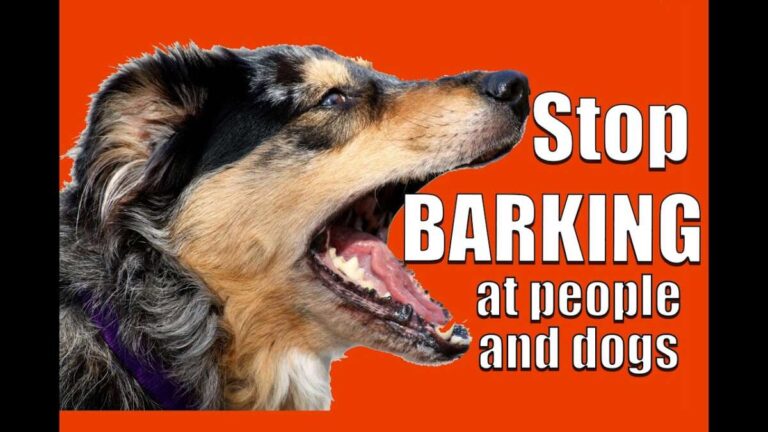
Training should begin at a low level of difficulty. If a dog barks at every person across the street, start by rewarding calm behavior when a person is far away. Slowly reduce the distance over time.
Desensitization means exposing the dog to a trigger at a level it can handle. Counterconditioning means pairing that trigger with something positive, such as small treats. Both methods work best when the dog remains calm enough to learn.
Seek help from a certified professional if:
• The dog has tried to bite
• Barking includes lunging or snapping
• The behavior is getting worse
• The dog guards people, food, or objects
• You cannot identify the trigger
• The dog seems panicked or unable to settle
Choose a reward-based trainer or a veterinary behaviorist. “Behaviorist” titles can vary, so check qualifications carefully.

When Barking May Need Veterinary Attention
A behavior change can be an early sign of a health problem. This is especially true when a normally quiet dog starts barking often.
A veterinarian should assess barking linked with:
• Limping or sensitivity to touch
• Confusion or staring
• Nighttime restlessness
• Sudden fear
• Changes in hearing or vision
• Loss of appetite
• Increased thirst or urination
• Vomiting or diarrhea
• Trouble standing or walking
• Changes in sleep
Pain, neurological disease, hormonal problems, sensory loss, and age-related cognitive changes can all affect behavior. Training cannot fix a medical problem, so a health check is a wise first step.
No guide can diagnose a dog from a bark alone. Breed, age, past experiences, environment, and individual temperament all affect behavior. When safety is uncertain, create distance and ask a qualified professional for help.

Frequently Asked Questions About What Does It Mean When a Dog Barks at You
What does it mean when a dog barks at you and wags its tail?
The dog may be excited, greeting you, or asking for attention. A wagging tail does not always mean the dog wants contact, so check whether the body is loose or stiff.
Why does a dog bark at me but not at other people?
The dog may react to your movement, voice, clothing, scent, size, or past association. It may also be responding to the setting, such as seeing you near its home or food.
Does a dog barking at you mean it wants to attack?
Not always. Barking can show fear, excitement, frustration, or a warning, but barking with stiff posture, lunging, a hard stare, or bared teeth should be treated as a safety concern.
Should I bark back at a dog?
No. Barking back may increase excitement or make a fearful dog feel threatened. Stay calm, avoid direct staring, and create space.
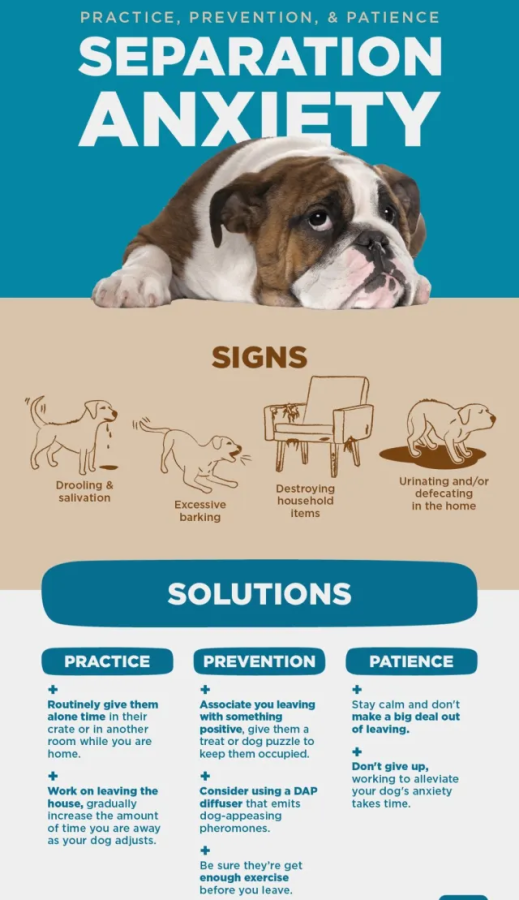
Why does my dog bark at me when I leave?
Your dog may be showing separation distress, frustration, or a learned demand for attention. If barking occurs with destruction, drooling, escape attempts, or panic, speak with a veterinarian or qualified behavior professional.
How can I stop my dog from barking at visitors?
Manage the situation first by using a leash, gate, or separate room. Then reward calm behavior and gradually teach the dog that visitors predict safe, positive experiences.
Conclusion
What does it mean when a dog barks at you? It may mean the dog is excited, afraid, alert, frustrated, protective, uncomfortable, or simply trying to communicate. The sound matters, but body language and context matter more.
Stay calm, give the dog space, and avoid punishment. Watch for sudden behavior changes or signs of illness, and seek qualified help when barking includes fear or aggression. With careful observation and reward-based training, you can understand the message behind the bark and build safer, kinder interactions.