Why Does My Puppy Bark At Me: Reasons And Solutions
Why does my puppy bark at me? Learn the common causes and gentle training tips to reduce barking and build a stronger bond with your puppy.
Your puppy may bark at you to seek attention, express fear, greet you, or tell you that something feels wrong.
If you are wondering, “why does my puppy bark at me,” you are not alone. Puppy barking is normal communication, but the meaning depends on your puppy’s body language, age, daily routine, and what happens after each bark. Understanding the message is the first step toward calmer behavior and a stronger bond.
:strip_icc()/puppy-barking-2804577-f7f6bffd80fa4edca1bd247ba52fc0a6.jpg)
Why does my puppy bark at me?
Puppies bark because they are trying to communicate. They may want food, play, comfort, access to a room, or your attention. Some puppies bark because they feel excited, confused, lonely, or afraid.
Unlike adult dogs, puppies are still learning how to manage strong feelings. A small event can feel huge to them. Your puppy may bark when you stand up, pick up a toy, walk past the crate, or stop petting them.
The most useful clue is what happens before and after the barking. Ask yourself:
• What was my puppy looking at?
• What was my puppy’s body doing?
• What did I do after the bark?
• Did the barking stop when my puppy got something?
For example, if your puppy barks and you immediately give a treat, your puppy may learn that barking works. This does not mean your puppy is being bad or manipulative. It means the behavior was rewarded.
A puppy’s bark is more like a sentence than a problem. Your job is to learn what that sentence means.
Common reasons puppies bark at their owners
Your puppy wants attention
Attention barking is one of the most common causes. Your puppy may bark because they want you to look at them, speak to them, touch them, or start a game.
Even saying “quiet” can reward the behavior if your puppy enjoys your voice and eye contact. From your puppy’s view, any response may feel like success.
Signs of attention barking include:
• Your puppy looks at you while barking.
• The bark stops when you walk over.
• Your puppy brings a toy or paws at you.
• The barking happens when you are busy or on the phone.
Wait for a brief moment of silence before giving attention. Then reward your puppy for sitting, touching your hand, or bringing a toy calmly.
Your puppy is excited
Puppies often bark when they feel joyful or overstimulated. They may bark when you come home, prepare dinner, pick up a leash, or begin a play session.
Excitement barking often comes with a loose body, a wagging tail, bright eyes, and quick movements. Your puppy may jump, spin, run, or grab your clothing.
The best response is calm and steady. Speak softly, move slowly, and reward calm behavior. If you become loud or move quickly, your puppy may become even more excited.
Your puppy is asking for something
Your puppy may bark to request food, water, a bathroom break, a toy, or access to another room. Young puppies have limited control and limited ways to make their needs clear.
A puppy that barks near the door may need to go outside. A puppy that barks near an empty bowl may be hungry or thirsty. A puppy that barks at a toy shelf may want to play.
Meet real needs first. Then teach a polite behavior, such as sitting, before giving the requested item. This helps your puppy learn that calm communication works better than repeated barking.
Your puppy feels afraid
Fear is another important answer to why does my puppy bark at me. A puppy may bark at you if your movements, voice, clothing, or actions seem frightening.
This can happen when you:
• Reach over your puppy’s head.
• Pick up a broom or vacuum.
• Wear a hat or bulky coat.
• Move suddenly.
• Bend close to your puppy.
Fear barking may come with a tucked tail, lowered body, pinned ears, lip licking, yawning, trembling, or attempts to hide. Do not punish this bark. Punishment can increase fear and may make your puppy less willing to trust you.
Give your puppy space. Turn your body sideways, soften your voice, and toss small treats nearby. Let your puppy choose whether to come closer.
Your puppy is frustrated
Frustration barking can happen when your puppy cannot reach something they want. They may bark behind a baby gate, inside a crate, near a closed door, or when a toy rolls under furniture.
The bark may sound sharp and repeated. Your puppy may paw, jump, pace, or bite the barrier.
Help your puppy practice small moments of waiting. Start with one or two seconds, then reward quiet behavior. Increase the time slowly. If you ask for too much too soon, frustration can grow.
Your puppy is bored or under-stimulated
A puppy with too little mental activity may bark at you because you are the most interesting thing in the room. Puppies need more than physical exercise. They also need safe chances to sniff, chew, explore, and learn.
Good enrichment includes:
• Food puzzles suited to your puppy’s age.
• Short training sessions.
• Sniff walks at a relaxed pace.
• Safe chew toys.
• Gentle games of tug and fetch.
• Simple scent games using treats.
Avoid trying to exhaust your puppy with nonstop exercise. Too much activity can create an overtired puppy who barks more and struggles to settle.
Your puppy needs sleep
Many puppies bark when they are tired but do not know how to rest. An overtired puppy may look wild, mouthy, jumpy, and unable to focus.
Puppies often need many hours of sleep each day, with exact needs varying by age, breed, and health. A quiet nap area can help your puppy learn to settle.
If your puppy becomes noisy after a busy period, offer a bathroom break, water, and a calm rest space. Think of an overtired puppy as a small child who has missed a nap.
Your puppy has learned that barking works
Dogs repeat behaviors that bring results. If barking leads to food, play, opening a door, or your attention, your puppy may use barking more often.
This learning process is normal. It is called reinforcement. You do not need to ignore every bark, especially when your puppy may need the bathroom or feel afraid. Instead, identify the need and reward a quieter way to communicate.
:strip_icc()/stop-your-dog-from-barking-3877988-v5-TT-350f8d51e1c24802bce9a0430dec82a8.jpg)
How to understand your puppy’s bark
The sound of a bark can offer clues, but body language gives a fuller picture. One bark does not have one fixed meaning. The same puppy may use different sounds in different situations.
Look at five parts of the message:
• Pitch: A high bark may show excitement, fear, or distress. A lower bark may signal concern or alertness.
• Speed: Fast, repeated barking often shows strong emotion or urgency.
• Pause: Short pauses may suggest your puppy is waiting for a response.
• Body posture: A loose body differs greatly from a stiff body.

• Context: A bark at the food bowl means something different from a bark near a stranger.
A relaxed puppy may have soft eyes, a loose mouth, and a sweeping tail. A worried puppy may turn away, lick their lips, crouch, or keep their tail low.
Do not rely on tail wagging alone. Dogs can wag when they feel excited, nervous, or conflicted. Always consider the whole body.

What to do when your puppy barks at you
When people ask why does my puppy bark at me, they often want one quick correction. In practice, the best response is a simple process.
Step 1: Check basic needs
Ask whether your puppy needs:
• A bathroom break.
• Water or a meal.
• Sleep.
• A safe chew.
• Relief from heat, cold, pain, or discomfort.
Young puppies need frequent bathroom breaks. A sudden change in barking may be an early sign that something is wrong.
Step 2: Stay calm
Yelling can sound like barking to your puppy. It may add energy to the moment or create fear.
Use a calm voice. Keep your hands still. Avoid grabbing your puppy, pushing them away, or chasing them.
Step 3: Wait for a small pause
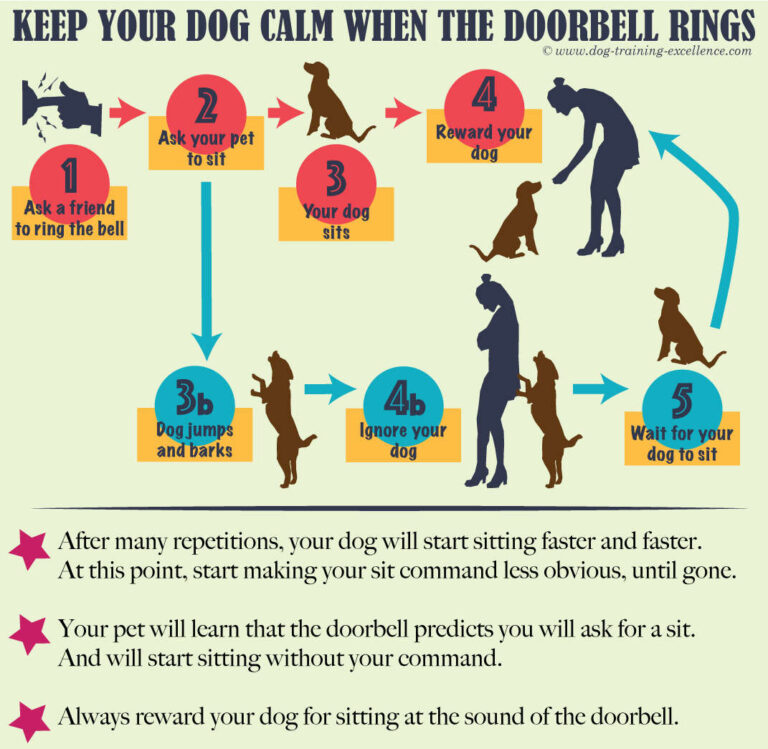
You do not need to wait for perfect silence. Start with one quiet second. The moment your puppy pauses, mark the behavior with a calm word such as “good,” then offer a treat or gentle attention.
This teaches your puppy what to do instead of barking.
Step 4: Reward an alternative behavior
Choose a behavior that is easy to repeat. Sitting, lying down, touching your hand, or going to a mat can replace barking.
For example:
-
Your puppy barks for attention.
-
You wait for a brief pause.
-
You ask for a sit.
-
Your puppy sits.
-
You give attention or begin a calm game.
Over time, your puppy learns that polite behavior brings better results.
Step 5: Change the situation
If your puppy is barking from fear or frustration, training may not work while the emotion is intense. Create more distance from the trigger or make the task easier.
A puppy who barks at a vacuum may first need to see the vacuum while it is turned off. Reward calm behavior, then slowly build up to movement and sound.

Training exercises to reduce puppy barking
Teach “quiet” with care
The word “quiet” works best when your puppy already understands that silence earns rewards. Do not shout the word over loud barking.
Try this:
-
Allow one or two barks.
-
Hold a treat near your puppy’s nose.
-
When your puppy pauses to sniff, say “quiet.”
-
Give the treat.
-
Repeat in short sessions.
Do not use “quiet” to punish fear. A frightened puppy needs safety and gradual exposure, not pressure.
Teach a settle on a mat
Place a comfortable mat near you. Reward your puppy for looking at it, stepping on it, sitting, and lying down.
Give treats slowly while your puppy stays relaxed. Over time, the mat becomes a signal for calm time.
This exercise helps during meals, work calls, and evening routines. Keep sessions short and end before your puppy becomes restless.
Use a predictable daily routine
Puppies often bark less when their day has a clear rhythm. A routine can include:
• Waking and going outside.
• Eating.
• Short play.
• Training.
• A nap.
• Another bathroom break.
A routine does not need to be exact. It simply gives your puppy useful clues about what comes next.
Practice calm greetings
If your puppy barks when you enter the room, avoid making the greeting highly exciting. Turn slightly away and wait for four paws on the floor.
Then offer a quiet hello. Reward sitting or standing calmly. Everyone in the home should follow the same rule.
Avoid reinforcing demand barking
If your puppy barks for a toy, do not toss the toy during the bark. Wait for a pause, then ask for a simple behavior.
Be consistent, but stay kind. Demand barking may become worse for a short time when it stops working. This is called an extinction burst. If you give in during that stage, the puppy may learn to bark longer next time.

Mistakes that can make puppy barking worse
Many caring owners accidentally teach more barking. These mistakes are common and understandable.
• Repeating “no” many times: Your puppy may hear attention without learning what to do instead.
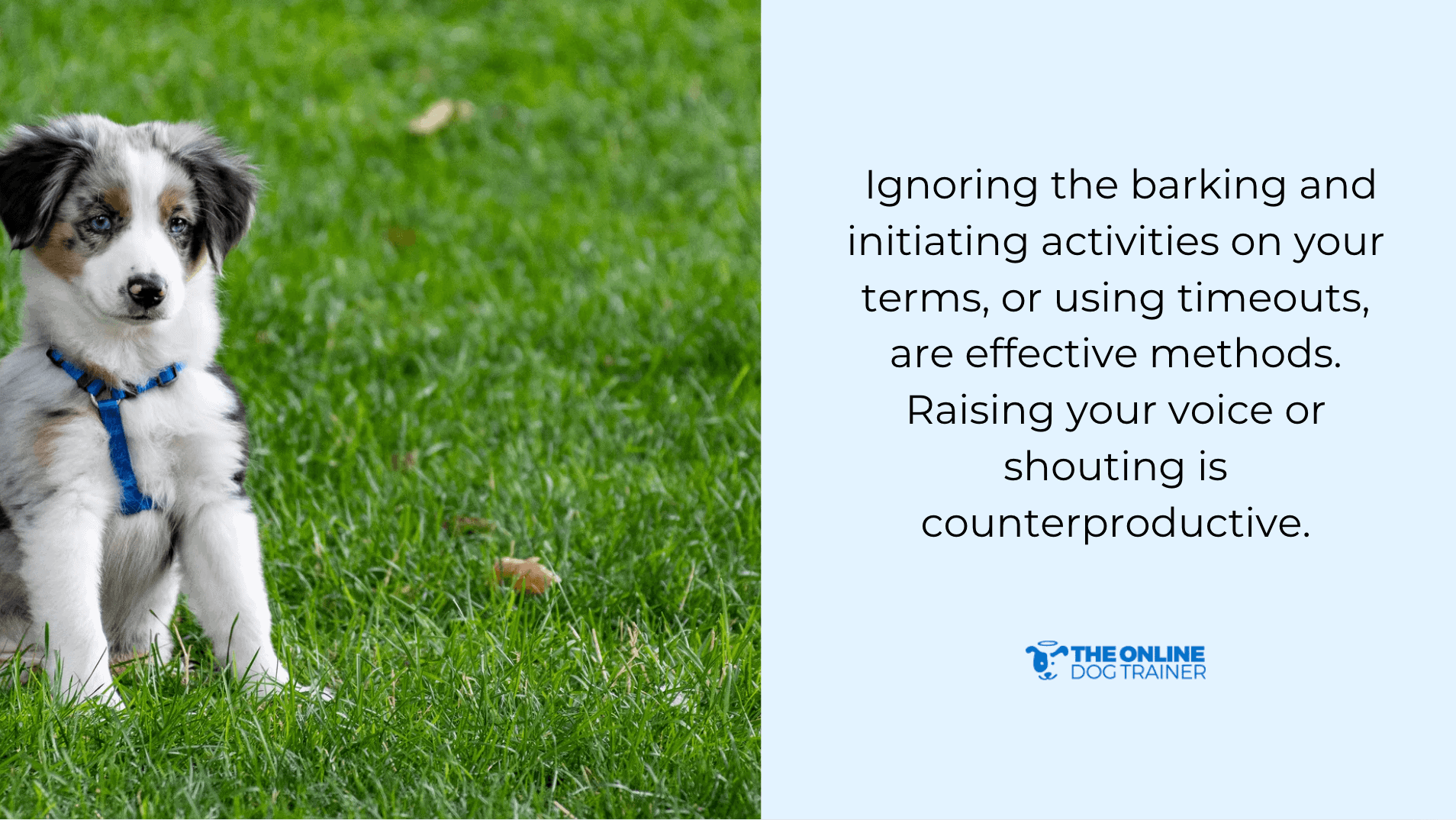
• Shouting: Loud reactions can increase excitement or fear.
• Using punishment: Pain and intimidation can harm trust and may increase defensive behavior.
• Giving rewards during barking: Food or play can make the bark stronger.
• Changing rules: A puppy becomes confused when barking earns attention one day but not the next.
• Expecting too much: A young puppy cannot focus for long periods.
• Skipping rest: An exhausted puppy may become noisier, not calmer.
Evidence-based veterinary behavior guidance supports reward-based training. Aversive tools and harsh corrections can create fear and stress, while reward-based methods teach clear skills and protect the human-animal bond.

When puppy barking may signal a health problem
Most puppy barking is normal, but a sudden or extreme change deserves attention. Contact a veterinarian if barking comes with signs such as:
• Loss of appetite.
• Vomiting or diarrhea.
• Limping or trouble moving.
• Constant panting.
• Trouble sleeping.
• Repeated whining or crying.
• Sensitivity when touched.
• Confusion or unusual staring.
• A major change in energy.
Pain can make a puppy vocal, restless, or unusually irritable. Hearing problems, stomach discomfort, injury, and other medical issues can also affect behavior.
Seek urgent veterinary care if your puppy has trouble breathing, collapses, has a seizure, shows severe pain, or may have swallowed something dangerous. Behavior training should not replace medical care.

When to contact a professional dog trainer
Ask a qualified professional for help if your puppy’s barking is intense, getting worse, or linked to fear or aggression. Early support can prevent a small concern from becoming a long-term habit.
Look for a trainer who uses reward-based methods and can explain each step clearly. A veterinary behaviorist may be appropriate when barking involves panic, serious fear, biting, or complex medical concerns.
Keep a short behavior log before your appointment. Record:
• The time of barking.
• What happened before it.
• The sound and body language.
• How long it lasted.
• What stopped it.
• Any changes in food, sleep, health, or routine.
This information can reveal patterns that are easy to miss during a busy day.

A simple plan for the next seven days
If you still wonder why does my puppy bark at me, use this short plan to find the answer.
Days one and two: Observe
Do not rush to correct every bark. Write down the setting, trigger, body language, and result.
Days three and four: Meet needs early
Add planned bathroom breaks, naps, enrichment, and calm play. Reduce situations that create fear or frustration.
Days five and six: Teach one replacement behavior
Choose “sit,” “touch,” or “go to your mat.” Practice for two to five minutes at a time.
Day seven: Review the pattern
Look for fewer barking episodes, shorter episodes, or faster recovery. Progress is not always silent behavior. A puppy who calms down sooner is also making progress.
If there is no improvement, or if fear is increasing, contact your veterinarian or a reward-based trainer.
Frequently Asked Questions About Why Does My Puppy Bark at Me
Why does my puppy bark at me when I pet them?
Your puppy may feel overstimulated, unsure, or eager to play. Stop briefly, watch the body language, and offer space; if the barking stops, resume only when your puppy is calm.
Why does my puppy bark at me but not other people?
Your puppy may associate you with food, play, rules, or daily routines. They may bark at you because they expect something from you, not because they dislike you.
Why does my puppy bark at me when I leave the room?
Your puppy may be frustrated, lonely, or worried about separation. Build alone time slowly with short absences, safe enrichment, and calm returns.
Should I ignore my puppy when they bark at me?
Ignore attention barking only after checking for bathroom, health, fear, hunger, thirst, and safety needs. Reward a brief pause or calm behavior instead of rewarding repeated barking.
Does barking mean my puppy is aggressive?
No. Barking can show excitement, fear, frustration, alertness, or a simple request. Aggression concerns are more likely when barking occurs with stiff posture, hard staring, snarling, lunging, snapping, or biting.
How long does puppy barking usually last?
The duration depends on the cause, the puppy’s age, their temperament, and the response they receive. With consistent training, enough sleep, and proper support, many puppies improve gradually rather than becoming quiet overnight.
Conclusion
The answer to why does my puppy bark at me is usually found in the situation around the bark. Your puppy may be asking for attention, expressing excitement, feeling afraid, needing rest, or trying to solve a problem.
Watch the body language, meet real needs, stay calm, and reward quiet replacement behaviors. Avoid yelling and punishment, since they can increase fear and confusion. If barking changes suddenly or comes with pain, illness, or serious fear, contact a veterinarian.
Start today by recording one barking episode and rewarding one calm pause. With patience and clear guidance, your puppy can learn that quiet, polite behavior is an effective way to communicate. Share your experience with a trusted trainer, veterinarian, or dog owner community as you continue learning.