Can Dogs Understand Other Dogs Barks: The Truth

Can dogs understand other dogs barks? Learn how dogs interpret vocal cues, tone, and body language to communicate with one another.

Yes, dogs can understand other dogs’ barks by reading pitch, rhythm, tone, and the situation around them.

If you have watched two dogs meet, you may have seen this skill in action. One bark can invite play, while another can warn, threaten, or call for help. Research on canine communication shows that dogs do more than hear barking. They connect each sound with body language, smell, past experience, and the surrounding scene. This guide explains how dogs understand other dogs’ barks, what different bark patterns may mean, and how you can read the exchange safely.

How Dogs Understand Other Dogs’ Barks

Dogs do not understand barks as humans understand words. Instead, they notice sound patterns and emotional signals. A bark can tell another dog, “Stay back,” “Come here,” or “Something is happening.”

When asking, “can dogs understand other dogs barks,” the best answer is that they understand the message more than the exact meaning. Dogs judge several parts of a bark:

• Pitch: High sounds may suggest excitement, fear, or play. Low sounds often signal confidence, warning, or threat.

• Duration: A short bark may show surprise. Long, repeated barking may signal stress, alertness, or strong excitement.

• Rhythm: Fast, steady barks can show urgency. Loose and changing sounds may happen during play.

• Volume: Loud barking often reflects high arousal. It does not always mean aggression.

• Context: A bark near a fence may mean something different from a bark during a friendly greeting.

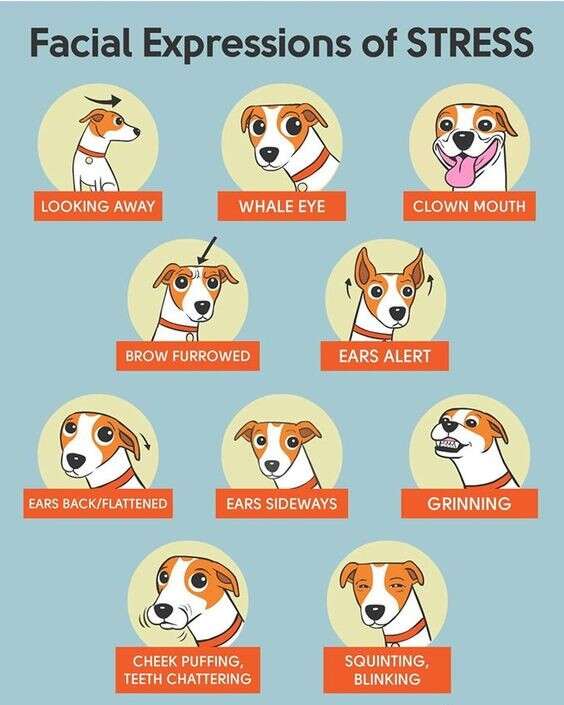
Dogs also use body language at the same time. A stiff body, hard stare, raised tail, and forward weight can make a bark more serious. A soft body, open mouth, play bow, and loose tail can make the same bark less threatening.

How Dogs Understand Other Dogs’ Barks
Source: dailypaws.com

What Different Dog Barks May Communicate

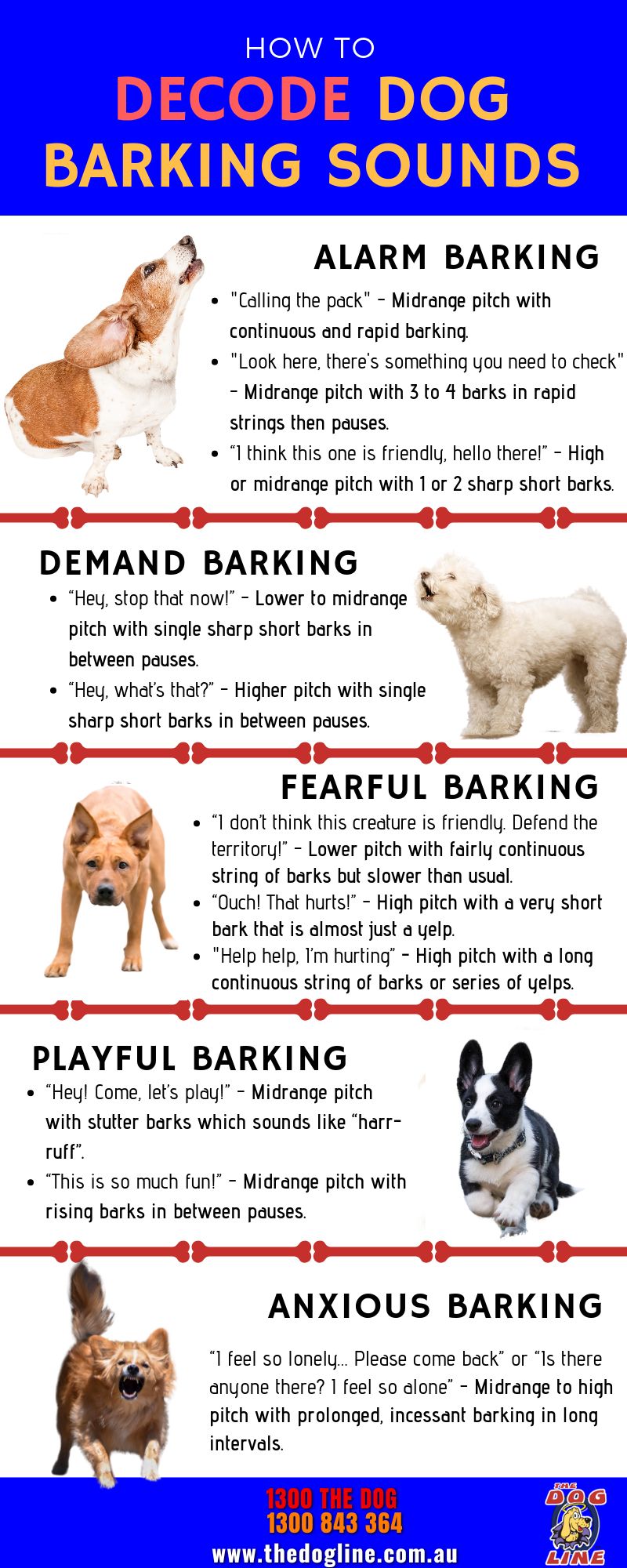
There is no perfect dog-to-dog bark dictionary. Still, common bark patterns can offer useful clues. Studies of dog vocal behavior have found that pitch, repetition, and context affect how dogs respond to barking.

Here are common examples:

• Alert barking: Dogs often use sharp, repeated barks when they notice a stranger, animal, or new sound.

• Fear barking: A fearful dog may bark while moving away, crouching, hiding, or keeping its tail low.

• Play barking: Play barks may sound high and quick. The dog may also bounce, bow, or run in loose circles.

• Warning barking: A deeper bark with a stiff posture may tell another dog to create space.

• Frustration barking: A dog behind a gate or leash may bark because it cannot reach another dog.

• Separation barking: This may sound repetitive and urgent. It can occur when a dog feels alone or distressed.

• Greeting barking: Some dogs bark when they see a familiar dog. Their body often stays loose, and the sound may stop after a short greeting.

Can dogs understand other dogs barks in these situations? Often, yes. They can usually detect the emotional state and level of urgency. However, they may not interpret the reason correctly.

For example, a dog may bark at a person carrying a large box. Another dog may hear the alarm and react, even though it cannot see the box. This is one reason barking can spread through a neighborhood like a ripple in water.
What Different Dog Barks May Communicate
Source: com.au

Do Dogs Recognize Individual Dogs by Bark?

Dogs can often tell one dog’s bark from another. Each dog has a unique voice shaped by its body size, age, breed, breathing pattern, and vocal habits. This difference is similar to how people recognize a friend by hearing “hello” on the phone.

Research using recorded barks suggests that dogs may identify familiar dogs from their vocal sounds. They may also respond more strongly to the bark of a nearby dog, a household dog, or a known social partner.

A dog may recognize:

• The voice of a housemate

• The bark of a dog from the same home

• A familiar neighbor

• The sound of a dog from a regular walking route

• A strange dog with an unfamiliar bark

This skill does not mean dogs understand every bark perfectly. A dog may know who is barking but still misunderstand why. It may hear a familiar dog bark and become excited, even when the other dog is reacting to something harmless.

Can dogs understand other dogs barks better when they know the dog? Usually, familiarity helps. Past experiences give the listening dog more information. A dog that often plays with another dog may recognize its playful bark more easily than the bark of a stranger.

Do Dogs Recognize Individual Dogs by Bark?
Source: usadogbehavior.com

How Body Language Changes the Meaning of a Bark

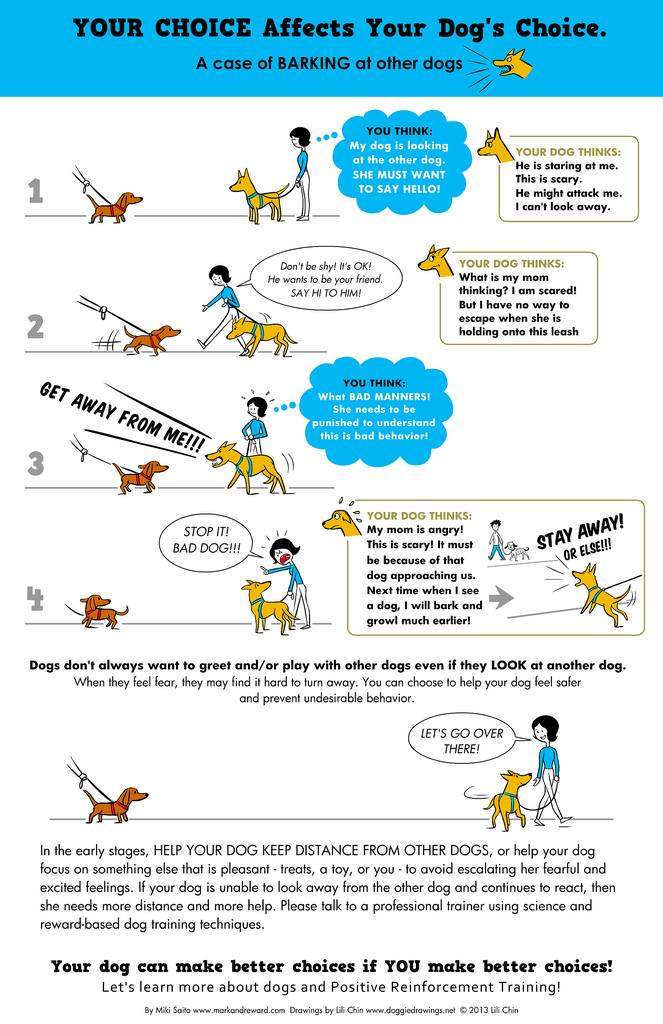
Barking is only one part of canine communication. Dogs also read posture, facial movement, tail position, ear position, and movement speed. To understand an interaction, watch the whole dog rather than focusing on sound alone.

A relaxed dog may show:

• A loose body

• Soft eyes

• A gently moving tail

• An open mouth

• Curved, flexible movement

A worried or defensive dog may show:

• A stiff body

• A closed mouth

• A hard stare

• Raised fur along the back

• A low or tucked tail

• Weight shifted backward

An aggressive display may include forward movement, a fixed stare, stiff legs, and a deep growl or bark. Yet even these signs need context. Pain, fear, poor social skills, or frustration can cause similar behavior.

This is why the question “can dogs understand other dogs barks” cannot be answered by sound alone. Dogs combine sound with visual and scent information. People should do the same when deciding whether an interaction is safe.

A practical mistake is to label every loud bark as aggression. I have seen many friendly dogs bark loudly during play, especially when they are excited. The safer approach is to look for loose movement, pauses, role changes, and the ability to disengage.
How Body Language Changes the Meaning of a Bark
Source: pawsintraining.com

Can Dogs Understand Barking Through Walls or Fences?

Dogs can hear barking through walls, windows, and fences. They may also smell the other dog and feel vibrations from movement. Yet barriers can make communication less clear.

A fence blocks important visual signals. One dog may hear barking but cannot see whether the other dog is relaxed or tense. This can create frustration and cause both dogs to bark more.

Fence barking often grows because:

• The dogs cannot approach or leave freely.

• The barrier increases excitement.

• Each dog reacts to the other dog’s sound.

• The dogs lack clear body language.

• Repeated barking becomes a learned habit.
Dogs may understand part of the message through a fence, but they may not understand the full situation. This explains why a dog can act calm during an open-field meeting but bark intensely at a dog behind a fence.

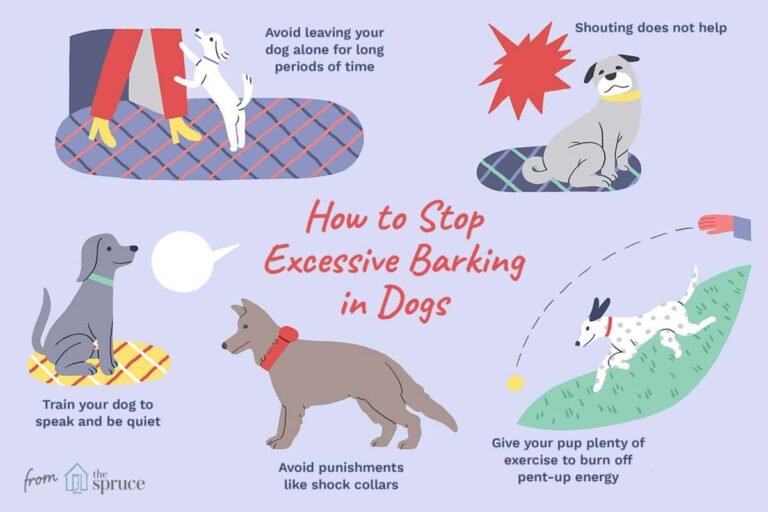
If your dog reacts at a fence, avoid shouting. Yelling can sound like you are joining the barking. Instead, calmly increase distance, call your dog away, and reward quiet behavior. A professional trainer can help if the response is strong or difficult to interrupt.

Can Dogs Understand Barking Through Walls or Fences?
Source: carbideprobes.com

How Puppies Learn to Understand Dog Barks

Puppies begin learning canine communication during early social development. They watch their mother and littermates. They learn that certain sounds predict play, feeding, correction, fear, or contact.

Healthy social experiences help puppies build a useful communication library. A puppy may learn that a short bark during play is safe when it also sees a relaxed body and a play bow.

Poor experiences can create confusion. A puppy frightened by repeated barking may later react to all barking as a threat. A puppy with limited social contact may also struggle to read normal dog signals.

Good social learning does not mean exposing a puppy to every dog. Safe practice works best when:

• The other dog is healthy and well mannered.

• The meeting happens in a calm, open area.

• Both dogs can move away.

• The interaction stays short.

• An adult watches body language closely.

Can dogs understand other dogs barks without early social contact? They may still understand basic emotional signals, but their responses can be less flexible. Genetics, temperament, hearing ability, and past experience all play a role.

Never force a puppy to greet a barking dog. Give the puppy space and let calm observation build confidence. Fear prevention is easier than repairing a strong fear response later.

How Puppies Learn to Understand Dog Barks
Source: northwoodveterinary.com

Do Breed, Age, and Hearing Affect Bark Understanding?

Dogs share many communication skills, but individuals differ. Breed may affect bark pitch, vocal habits, and sensitivity to sound. A small dog may produce a higher bark than a large dog, although pitch alone does not determine intent.

Age also matters. Puppies may react quickly but lack social judgment. Older dogs may ignore familiar barking or respond only when the sound seems urgent. Senior dogs with hearing loss may miss soft sounds and react more to visual cues.

Health can change communication as well. Ear disease, pain, anxiety, and cognitive decline may affect how a dog hears or responds. A sudden change in barking or sound sensitivity deserves attention from a veterinarian.

Keep these limits in mind:

• Dogs do not always agree on what a bark means.

• A fearful dog may treat a playful bark as a threat.

• A highly excited dog may react before processing the signal.

• Hearing loss can reduce sound-based communication.

• Humans can misread behavior when viewing short clips or isolated events.

So, can dogs understand other dogs barks equally well? No. Dogs have different histories, senses, personalities, and social skills. The general ability is common, but the accuracy of interpretation varies.

Do Breed, Age, and Hearing Affect Bark Understanding?
Source: kannananimalwelfare.org

How to Help Your Dog Respond Calmly to Barking

You cannot always stop another dog from barking. You can teach your dog that barking does not require panic or immediate action.

Try these steps:

  1. Create distance: Move away before your dog becomes overwhelmed.

  2. Find the trigger: Notice whether the sound comes from a dog, person, vehicle, or unknown source.

  3. Reward calm behavior: Offer a small treat when your dog looks at the trigger and then relaxes.

  4. Use a simple cue: Teach “look,” “this way,” or another easy signal at home first.

  5. Keep sessions short: End practice while your dog is still able to think.

  6. Avoid punishment: Shock collars, harsh leash corrections, and yelling can increase fear or frustration.

  7. Manage the setting: Use curtains, white noise, privacy screens, or a quieter walking route when needed.

A useful training goal is not total silence. The goal is a dog that can notice barking, assess the situation, and return attention to you. That skill takes practice.

One common mistake is waiting until the dog is already barking hard. At that point, learning becomes difficult. Start when your dog hears a distant, low-level bark and can still eat, look at you, and move away.

When Barking Signals a Problem

Normal communication can become a behavior problem when barking is constant, intense, or linked to unsafe behavior. Watch for signs that your dog cannot calm down after hearing another dog.

Contact a veterinarian or qualified behavior professional if your dog:

• Lunges or bites at barriers

• Cannot take treats near barking

• Shakes, hides, or tries to escape

• Stays aroused for a long time

• Suddenly becomes reactive

• Shows signs of pain or hearing change

A veterinarian should check sudden behavior changes. Medical issues can increase irritability or fear. A certified trainer or veterinary behaviorist can then build a plan based on the cause.

Do not arrange forced confrontations to “teach” your dog a lesson. Flooding a fearful dog with barking may make the fear stronger. Calm, controlled exposure is safer and more effective.

Frequently Asked Questions About Can Dogs Understand Other Dogs Barks

Can dogs understand what another dog is saying?

Dogs can understand emotional and social information in another dog’s bark. They may detect excitement, fear, warning, or urgency, but they do not translate barks into human-style sentences.

Do dogs know when another dog is scared?

Often, dogs can notice fear through a mix of sound, posture, movement, and scent. However, some dogs respond with curiosity or excitement rather than comfort, so recognition does not always lead to a gentle response.

Can dogs understand other dogs barks from far away?

Dogs can hear distant barking and may recognize its general tone or rhythm. Distance removes visual and scent clues, so the listening dog may understand less about the exact cause.

Why does my dog bark back when another dog barks?

Your dog may be responding to excitement, alarm, social contact, frustration, or habit. Watch the body language and consider the setting to learn whether the response is playful, fearful, or defensive.

Can dogs understand other dogs barks on television?

Some dogs react to barking on television, but many notice that the sound lacks real scent and movement. Their response depends on the volume, the individual dog, and how realistic the image and sound seem.

Do dogs understand each other better than humans understand barking?

Dogs have natural skills for reading canine sounds and body language. Humans can learn a great deal, but we should avoid assigning one fixed meaning to every bark without considering context.

Conclusion

Can dogs understand other dogs barks? Yes, dogs can read much of the emotional and social information in barking. They use pitch, rhythm, volume, body language, scent, and past experience to form a response.

Still, dogs do not interpret every bark perfectly. A familiar bark may be easier to recognize, while fences, fear, poor social learning, age, or hearing loss can create confusion. Watch the whole interaction, give your dog space, and reward calm choices instead of punishing noise.

Next time your dog reacts to another dog’s bark, pause and observe before stepping in. Note the sound, body posture, distance, and recovery time. With careful practice and support from a qualified professional when needed, you can help your dog become a calmer and more confident listener.

Similar Posts

Leave a Reply

Your email address will not be published. Required fields are marked *