How To Get A Dachshund To Stop Barking: Calm Your Dog
Learn how to get a dachshund to stop barking with gentle training tips, proven trigger solutions, and calming strategies for a quieter home.
Use calm training, reward quiet moments, reduce triggers, and meet your Dachshund’s needs every day.
Dachshunds are small dogs with big voices. They were bred to follow prey into burrows, so alert barking can feel like a built-in alarm system. Learning how to get a Dachshund to stop barking takes more than saying “quiet.” It requires finding the cause, changing the setting, and teaching a better response. This guide combines reward-based training, canine behavior principles, and practical home tips to help you build calm habits without fear or harsh punishment.
Why Dachshunds Bark So Much
Barking is normal dog communication. Your Dachshund may bark to warn you, seek attention, express fear, greet someone, or release extra energy. The first step in learning how to get a Dachshund to stop barking is to identify what happens just before the barking starts.
Common causes include:
• Territorial barking at people, dogs, cars, or outdoor sounds
• Attention barking when your dog wants food, play, or contact
• Fear barking caused by strangers, loud sounds, or new places
• Boredom barking from too little exercise or mental work
• Separation-related barking when you leave the home
• Excitement barking during play, walks, or greetings
• Pain or illness, especially when barking begins suddenly
Dachshunds are alert, clever, and persistent. These traits helped them work as hunting dogs, but they can make barking habits strong. A dog that barks and then gets attention may learn that barking works like pressing a button.
Watch the pattern for two or three days. Note the time, trigger, length, and your response. This simple log often reveals whether your dog needs better exercise, less access to a window, or help with fear.

Rule Out Health and Behavior Problems
A sudden change in barking deserves attention. Pain, hearing loss, age-related confusion, dental problems, and other health issues can affect how a dog vocalizes. Contact your veterinarian if the barking starts without a clear reason or comes with pacing, appetite changes, hiding, aggression, or changes in sleep.
Some Dachshunds develop separation anxiety. Signs may include barking soon after you leave, scratching at doors, drooling, house soiling, or frantic attempts to escape. This is not stubbornness. It is a stress response that may need a gradual behavior plan and veterinary support.
A certified veterinary behaviorist or qualified positive-reinforcement trainer can help with severe cases. Professional help is especially important if barking includes lunging, snapping, self-injury, or intense panic.
Reliable behavior guidance supports reward-based methods. Groups such as the American Veterinary Society of Animal Behavior advise against training methods based on fear, pain, or intimidation. Punishment may stop a sound for a moment, but it can increase fear and make the deeper problem worse.

Give Your Dachshund Enough Exercise and Mental Work
A tired mind often makes a quieter dog. This does not mean exhausting your Dachshund with intense activity. Dachshunds have long backs and short legs, so exercise should be steady and safe rather than extreme.
Good daily outlets include:
• Two or more easy walks with time to sniff
• Short games of fetch on a level surface
• Food puzzles and snuffle mats
• Treat searches around one room
• Basic training sessions lasting three to five minutes
• Safe chew items that match your dog’s size
Sniffing is especially useful. It lets your dog gather information and can lower stress. A slow “sniff walk” may help more than a rushed walk around the block.
Protect your Dachshund’s back while adding activity. Avoid repeated stair use, high jumps, and games that involve twisting. Ask your veterinarian for exercise advice if your dog has a history of back pain or intervertebral disc disease.
Mental work also helps prevent attention barking. Before a busy time, such as a delivery window or evening meal, offer a food toy and settle your dog on a mat. This gives your Dachshund a job before barking begins.

Reduce Barking Triggers at Home
Training works best when your dog does not rehearse the unwanted behavior all day. Each barking episode can strengthen the habit, much like practicing a song again and again.
Start by managing the environment:
• Close blinds or use window film if outside movement causes barking
• Move furniture away from windows and doors
• Use soft music or white noise to cover hallway sounds
• Keep your Dachshund away from the front door during deliveries
• Ask visitors to text instead of knocking
• Use a baby gate to create a calm space
• Give your dog a quiet bed away from busy areas
Do not shout from another room. Your Dachshund may hear your loud voice as joining the barking. Instead, walk calmly to your dog, guide them away from the trigger, and reward silence.
Management is not a shortcut or a failure. It is part of behavior change. If your dog barks at every person walking past the window, blocking the view gives you a chance to teach calm behavior before the habit becomes automatic.

Teach a Reliable “Quiet” Cue
A quiet cue works best when it is taught during mild barking, not during a full alarm. The goal is to teach your Dachshund that stopping brings a reward.
Follow these steps:
-
Choose a calm word such as “quiet” or “enough.”
-
Allow one or two barks when a mild trigger appears.
-
Hold a small, tasty treat near your dog’s nose.
-
When your Dachshund pauses to sniff, say “quiet” in a calm voice.
-
Give the treat at once.
-
Wait for a slightly longer pause before rewarding again.
-
Repeat for a few minutes, then stop the session.
At first, reward one second of silence. Later, build to three, five, and ten seconds. Do not demand a long quiet period too soon. Small wins create a strong habit.
Once your Dachshund understands the cue, practice in different rooms and with mild distractions. Avoid repeating “quiet, quiet, quiet.” Say it once, then help your dog succeed. Repeated cues can teach your dog that the first cue does not matter.
This is one of the most useful steps in learning how to get a Dachshund to stop barking because it replaces a vague command with a clear skill.

Reward Calm Behavior Before Barking Starts
Many owners reward silence only after a barking episode. That helps, but rewarding calm behavior before barking is even more powerful.
Look for quiet moments during normal life. Your Dachshund may lie down, watch a passerby without reacting, or hear a sound and look at you instead of barking. Mark that choice with a calm “yes” and offer a treat.
You can also teach a “settle” behavior:
• Place a mat near you.
• Toss a treat onto the mat.
• Reward your dog for standing or sitting on it.
• Reward relaxed body language, such as lying down.
• Add a release word such as “free.”
• Practice while the room is quiet.
Then slowly add distractions. Place the mat near a window, near the kitchen, or several feet from the front door. The goal is not to force stillness. It is to show your dog that calm behavior has value.
A simple rule helps: barking should not earn the thing your dog wants, but calm behavior should. If your Dachshund barks for play, pause the game. When your dog is quiet, restart it. If barking earns petting or eye contact, wait for silence before responding.

Use Desensitization and Counterconditioning
If your Dachshund barks from fear, simple obedience may not be enough. Desensitization means exposing your dog to a trigger at a low level. Counterconditioning means pairing that trigger with something good.
For example, if your dog barks when seeing another dog:
-
Find a distance where your Dachshund notices the dog but can still take treats.
-
The moment your dog sees the other dog, offer a treat.
-
Keep feeding small treats while the trigger remains in view.
-
Move away before your dog becomes tense or starts barking.
-
Repeat over many short sessions.
Over time, your Dachshund may learn that seeing another dog predicts food and safety. This process can take weeks or months. Progress is not always steady, so avoid moving closer too quickly.
Watch your dog’s body language. Lip licking, yawning, pinned ears, tucked posture, stiff muscles, and frantic scanning may signal stress. If your dog cannot eat, respond to their name, or look away from the trigger, the challenge is too hard.
Never force a fearful Dachshund to “face the fear.” Flooding can increase distress. A reward-based trainer can help you set safe distances and plan gradual steps.

Handle Doorbell and Visitor Barking
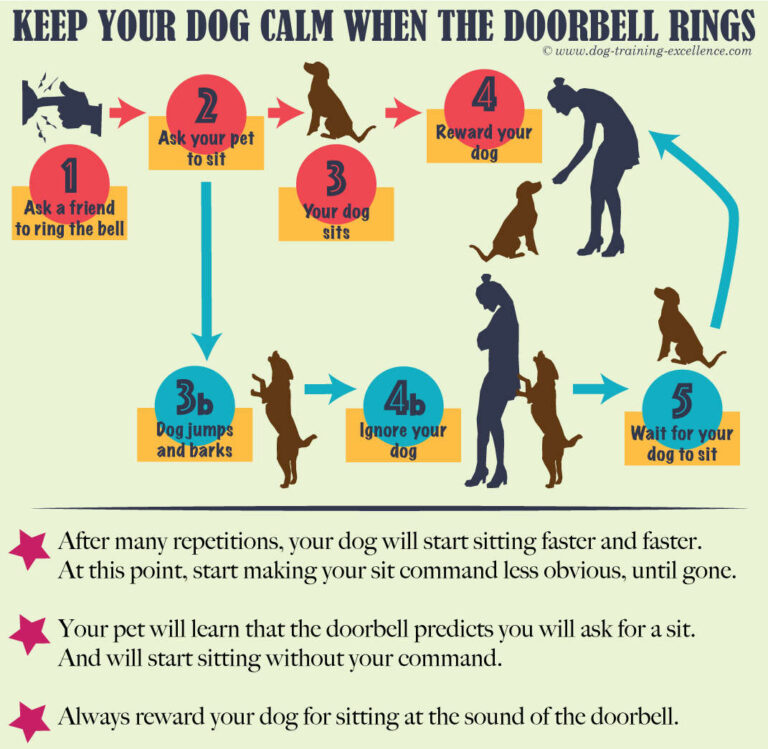
Doorbell barking is common because the sound predicts excitement, people, and movement. You can change that pattern with practice when no visitor is present.
Begin by playing a doorbell recording at a very low volume. Feed treats while your Dachshund remains calm. Stop the sound, then stop the treats. Repeat several times and slowly increase the volume over many sessions.
Next, teach a visitor routine:
• Send your Dachshund to a mat or safe area.
• Ask the visitor to ignore the dog at first.
• Reward your dog for staying quiet.
• Open the door only when your Dachshund is under control.
• Keep greetings brief and calm.
• Give your dog a break if excitement rises.
A leash or baby gate may help during real arrivals. Do not allow guests to reward jumping or barking with excited attention. Everyone in the home should follow the same plan.
If your dog cannot settle around visitors, use a separate room with a food puzzle. Calm management protects your guests and gives your Dachshund a chance to learn without becoming overwhelmed.

Address Barking When You Leave
To learn how to get a Dachshund to stop barking alone, first decide whether the barking comes from boredom or separation anxiety. A camera can show what happens after you leave, but do not use one to watch with panic. Look for patterns such as barking only during the first few minutes or continuing for most of the absence.
For mild distress, practice short departures:
-
Pick up your keys, then sit down.
-
Put on your shoes, then make coffee.
-
Walk outside for a few seconds and return calmly.
-
Slowly increase the time away.
-
Return before your dog becomes upset.
Keep departures and arrivals low-key. Offer a safe food toy before leaving, but avoid leaving items that could be chewed into dangerous pieces. Exercise and a toilet break can help, but they will not cure true separation anxiety by themselves.
If your Dachshund panics, scratches doors, injures the mouth or paws, or cannot handle even brief absences, contact your veterinarian. Severe separation anxiety often needs a structured plan, and some dogs benefit from medication alongside behavior work.

What Not to Do
Some methods appear to work because they stop barking quickly. The problem is that they may create fear, confusion, or aggression.
Avoid:
• Yelling or hitting
• Shaking the collar or leash
• Using shock, spray, or ultrasonic bark collars
• Punishing a dog for warning signals
• Forcing a fearful dog toward a trigger
• Leaving a Dachshund outside to bark for long periods
• Giving attention during demand barking
Anti-bark devices may suppress sound without teaching a better response. They can also punish barking caused by fear or pain. This is especially risky when the cause has not been identified.
A better approach is to prevent the trigger, teach an alternative behavior, and reward the choice you want. Think of training as building a new road. The old barking path may remain easy to find, but each calm repetition makes the new path stronger.
A Simple Seven-Day Training Plan
A short plan can make how to get a Dachshund to stop barking feel less confusing. Keep sessions brief and track progress.
Day 1: Find the pattern
Record the main triggers, time of day, and your response. Choose one barking problem to address first.
Day 2: Improve the setting
Block the most common visual trigger. Add white noise, a mat, or a baby gate if needed.
Day 3: Teach the quiet cue
Practice with a mild sound or low-level trigger. Reward one-second pauses.
Day 4: Teach the settle mat
Reward your Dachshund for choosing the mat. Practice in a quiet room.
Day 5: Add a small distraction
Practice near a window or with a soft doorbell recording. Lower the challenge if barking increases.
Day 6: Practice a visitor routine
Use a family member as the visitor. Keep the session calm and short.
Day 7: Review and adjust
Look for fewer barking episodes, faster recovery, or longer quiet pauses. These are real signs of progress, even if barking has not disappeared.
Training may take several weeks. Your goal is not to make your Dachshund silent. Your goal is to help your dog bark less, recover faster, and respond to your guidance.
How Long Does Training Take?
The timeline depends on the cause, your dog’s history, and how often the behavior is practiced. A healthy Dachshund with mild attention barking may show improvement within days or weeks. Fear, territorial behavior, and separation anxiety often need much longer support.
Consistency matters more than long sessions. Five calm minutes each day can beat one stressful training session each week.
Measure progress in practical ways:
• Your dog pauses after one cue
• Barking lasts less time
• Your dog takes treats near a trigger
• Your dog recovers faster
• Your dog chooses a mat instead of rushing the window
Expect setbacks during storms, illness, travel, or household changes. A setback does not erase training. Return to an easier step and rebuild confidence.
Frequently Asked Questions
How do I get my Dachshund to stop barking at everything?
Start by identifying the main trigger rather than treating all barking as one problem. Reduce access to triggers, provide exercise and mental work, then reward quiet behavior and teach a calm cue.
Should I ignore my Dachshund’s barking?
Ignore attention barking when it is safe, but do not ignore fear, pain, or distress. Wait for a brief quiet moment before giving attention, and address the cause instead of simply withholding interaction.
Do bark collars work for Dachshunds?
Bark collars may suppress barking, but they do not teach your dog what to do instead. They can increase fear and stress, so reward-based training and trigger management are safer first choices.
Why does my Dachshund bark at people outside?
Your Dachshund may be showing territorial or alert barking. Block the view, reward your dog for noticing people calmly, and teach your dog to move to a mat when someone passes.
How can I stop my Dachshund from barking at the doorbell?
Practice with a quiet doorbell recording and reward calm behavior. During real arrivals, place your Dachshund behind a gate or on a mat, then offer attention only after the dog settles.
Why does my Dachshund bark when left alone?
Barking alone may come from boredom, habit, or separation anxiety. Use a camera to observe the pattern, practice gradual departures, and seek veterinary help if your dog panics or tries to escape.
Is it normal for Dachshunds to bark a lot?
Dachshunds are naturally alert and vocal, so some barking is normal. Still, frequent or intense barking can improve when you meet your dog’s needs and use consistent, humane training.
Conclusion
The best way to learn how to get a Dachshund to stop barking is to look beyond the noise. Find the trigger, rule out health concerns, reduce daily rehearsals, and reward calm choices. Teach a quiet cue, provide safe exercise, and use gradual training for fear or separation problems.
Your Dachshund does not need to become completely silent. With patience and steady practice, your dog can learn when to alert you and when to relax. Start with one trigger today, track small improvements, and consider guidance from a veterinarian or reward-based trainer if the problem feels too large to manage alone.

Pet Care Writer & Researcher
Daniel writes practical guides on daily care, feeding, and safety, turning complex topics into simple, actionable advice.