Why Do Dogs Bark At My Dog: Causes And Solutions
Why do dogs bark at my dog? Learn the common reasons behind barking and simple ways to help your dog stay calm during encounters.
Dogs bark at your dog to communicate fear, excitement, stress, curiosity, or a desire for space.
If you keep wondering why do dogs bark at my dog, the answer usually depends on the barking dog’s body language, past experiences, and the situation. Barking is not always a sign of aggression. With the right clues and calm handling, you can understand the message, prevent tense encounters, and help your dog feel safer.

Why do dogs bark at my dog?
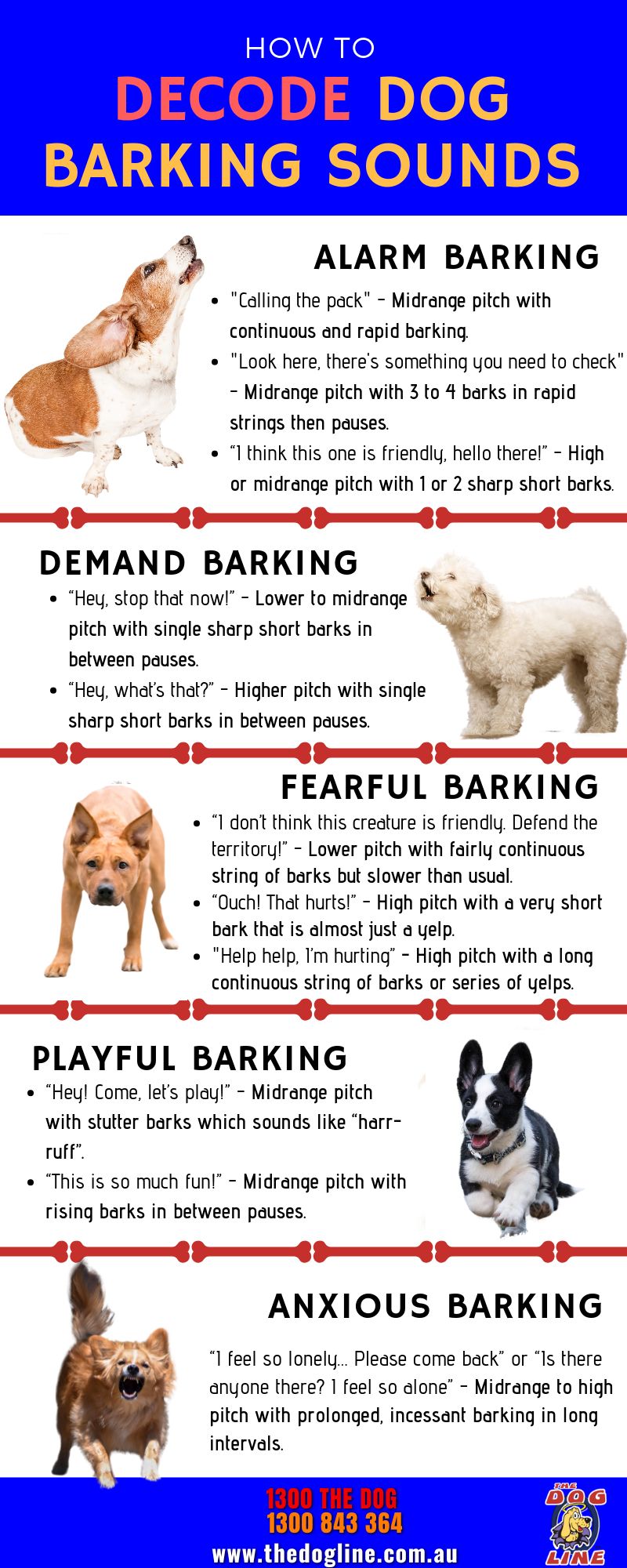
Dogs bark because barking is one of their main ways to send a message. A dog may bark to say, “Stay away,” “Come closer,” “I am excited,” or “I do not know what to do.” The same sound can carry very different meanings.
The setting matters, too. A dog behind a fence may bark because it feels trapped. A dog on a leash may bark because it cannot move away or greet another dog freely. At a dog park, barking may come from play or high excitement.
When people ask why do dogs bark at my dog, I first look at the whole picture rather than the noise alone. Watch the dog’s tail, ears, eyes, mouth, posture, and movement. These signs often reveal more than the bark itself.
A bark paired with a loose body and a wagging tail may show excitement. A bark paired with a stiff body, hard stare, raised fur, and forward weight may signal fear, threat, or a serious warning.
Common reasons another dog barks at your dog
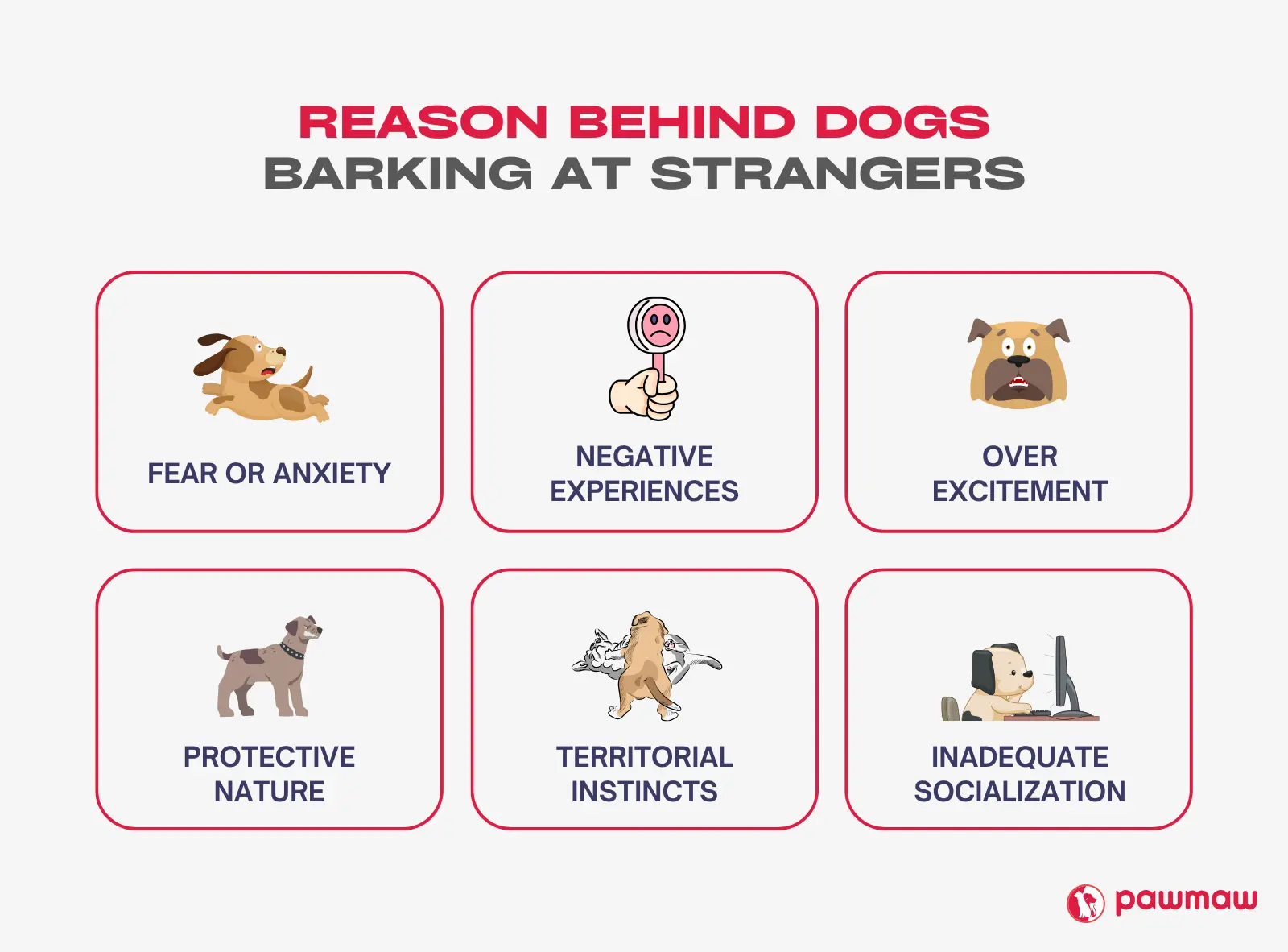
There is rarely one answer to why do dogs bark at my dog. Several causes can overlap. For example, a dog may feel afraid and excited at the same time, which can make its behavior hard to read.
Fear and uncertainty
Fear is one of the most common reasons dogs bark at unfamiliar dogs. Barking can make the other dog move away, so the fearful dog learns that barking works.
A nervous dog may:
• Keep its body low or lean backward
• Tuck its tail or hold it tightly
• Turn its head away
• Lick its lips or yawn
• Bark while trying to retreat
This dog may not want a fight. It may want more space. Allowing distance is often the safest response.
Territorial behavior
Dogs may bark when another dog enters their home, yard, car, or usual walking area. The dog may see your pet as an intruder.
Fence barking is a common example. The fence creates a clear boundary, and the resident dog feels responsible for defending it. Some dogs become more intense because they cannot approach or escape.
Leash frustration
A leash can prevent normal dog communication. Your dog may want to sniff, move away, or walk in a curve, but the leash keeps the meeting direct and tight.
This can create leash frustration. The dog barks, pulls, and spins because it cannot reach the other dog or escape from the situation. The behavior may look aggressive, even when the main feeling is frustration.
Excitement and play
Some dogs bark when they see a potential playmate. Their bodies often look loose, bouncy, and relaxed. They may use a play bow, move in wide curves, or pause between bursts of energy.
Excitement barking can still overwhelm another dog. A friendly dog can cause trouble if it rushes forward without giving the other dog time to respond.
Social discomfort
Dogs have different social preferences. Some enjoy meeting new dogs. Others prefer familiar friends or no direct greetings at all.
Your dog may be calm, but another dog may dislike its size, movement, scent, age, or play style. Dogs also react to past experiences. A dog that was once chased by a large black dog may feel uneasy around a similar-looking pet.
Pain or illness
Sudden barking can sometimes relate to pain, illness, hearing loss, or poor vision. A dog that feels unwell may become less tolerant and more defensive.
If the barking is new, extreme, or paired with other behavior changes, the dog’s owner should speak with a veterinarian. Behavior can be an early sign that something is wrong.

How to read the barking dog’s body language
Understanding body language helps explain why do dogs bark at my dog more accurately. Think of barking as one sentence in a longer conversation. The body tells you how to interpret that sentence.
Signs of fear
A fearful dog may bark while trying to create distance. Look for:
• A lowered body
• A tucked tail
• Ears held back
• Wide eyes
• Lip licking
• Repeated retreat
A fearful dog can still bite if it feels trapped. Never force a greeting with a dog that is trying to move away.
Signs of high arousal
High arousal means the dog’s emotions are intense. The emotion may be fear, excitement, frustration, or anger.
Common signs include:
• Fast movement
• Repeated barking
• Lunging
• Pacing
• A tense mouth
• Difficulty looking away
A dog in this state may not respond well to cues. The first goal is to lower the intensity, not demand perfect obedience.
Signs of relaxed interest
A relaxed dog may show:
• A loose, curved body
• Soft eyes
• Natural ear position
• A gently wagging tail
• Easy sniffing
• Smooth, flexible movement
Even a relaxed-looking dog should not be pushed into a meeting. Calm behavior means the dog may be ready to observe, not that it wants close contact.
Why a wagging tail does not always mean friendly
Many people assume a wagging tail means happiness. In fact, tail movement shows arousal, not one exact emotion. A stiff, high wag can signal tension. A low, loose wag may show uncertainty or calm interest.
This is why the answer to why do dogs bark at my dog should never rely on the tail alone. Read the entire body and the distance between the dogs.
What to do when another dog barks at your dog
Your response can either reduce the tension or add to it. Stay calm and act early. Dogs often notice tight leashes, fast movements, and worried voices.
1. Create space
Move away before the barking becomes intense. Cross the street, step behind a parked car, or turn down a quiet path.
Distance is not failure. It gives both dogs room to think. In behavior work, distance often acts like a volume control.
2. Keep the leash loose
Avoid snapping the leash or pulling your dog into a rigid position. A tight leash can increase stress and make your dog feel trapped.
Hold the leash securely, but keep your arm soft. Use a comfortable harness if your dog pulls or coughs with a collar.
3. Use a calm exit cue
Teach a simple cue such as “this way” at home. Say it in a pleasant voice, turn away, and reward your dog for following.
Practice when no other dog is nearby. Later, use the cue at a safe distance from barking dogs.
4. Reward calm attention
Give your dog a small treat when it notices another dog and stays calm. You can reward:
• Looking at you
• Sniffing the ground
• Turning away
• Walking beside you
• Relaxing the body
The reward should come before your dog reaches its limit. If your dog is already lunging or barking, move farther away first.
5. Avoid forced greetings
You do not need to let your dog greet every dog. A polite pass is often better than a stressful face-to-face meeting.
Ask the other owner before allowing contact. If either dog looks tense, keep walking.
6. Use visual barriers
A visual barrier can help your dog settle. Step behind a tree, hedge, vehicle, or building corner. This works especially well when the other dog is behind a fence or window.
Do not use barriers to trap dogs together. The goal is to block the view and create a safe path away.
Mistakes to avoid when dogs bark
Many well-meaning owners make the situation harder. These mistakes are common because they seem logical in the moment.
Punishing the barking
Yelling, leash corrections, or harsh tools may stop the sound for a moment. They do not always change the emotion behind it.
If a dog is afraid, punishment can confirm that other dogs are dangerous. If the dog is frustrated, punishment may increase anger and confusion. Reward-based training is usually safer and more effective for changing emotional responses.
Moving closer to “prove” nothing is wrong
A dog cannot learn calm behavior while overwhelmed. Walking closer to a barking dog may cause a stronger reaction and create a bad memory.
Work below the point where your dog loses control. This is often called the threshold. The exact distance differs for every dog and every day.
Holding a tense, short leash
A very short leash can restrict movement and increase pressure on the neck or harness. It can also make your dog feel that something alarming is about to happen.
Use enough leash for safe movement while keeping control. Your posture matters, too. Breathe slowly and avoid staring at the other dog.
Assuming every bark means aggression
The question why do dogs bark at my dog does not have an automatic answer of “aggression.” Barking may show fear, play, frustration, territorial behavior, or a request for space.
Treat every interaction seriously, but avoid labeling a dog too quickly. A behavior label should describe what the dog does, not guess its entire personality.
Allowing repeated fence confrontations
When dogs bark at each other through a fence every day, the behavior can become a habit. The repeated rush, bark, and retreat can make both dogs more reactive.
If possible, change walking routes, block the view, or pass at a greater distance. Fence owners can also use privacy screens and reward calm behavior.

How to help your dog stay calm around barking dogs
You can teach your dog that seeing another dog does not always lead to danger or conflict. This process takes patience and many short practice sessions.
Start at a safe distance
Find a distance where your dog can notice another dog without barking, lunging, or freezing. That may be across a street or farther away.
Let your dog look briefly. Then offer a treat or praise. Over time, your dog can learn that another dog predicts good things.
Use gradual exposure
Gradual exposure means increasing contact in small steps. Do not move closer until your dog can remain relaxed at the current distance.
Progress may look like this:
-
Your dog sees another dog from far away.
-
Your dog looks back at you.
-
You reward the calm response.
-
You repeat the exercise several times.
-
You reduce the distance slightly on another day.
Some days will go backward. That is normal. Weather, pain, fatigue, noise, and the other dog’s behavior can all affect progress.
Practice emergency turns
An emergency turn gives you a simple way to leave. Say “turn,” pivot, and walk in the opposite direction while rewarding your dog.
Practice indoors first. Then use a quiet sidewalk. This skill is valuable when the answer to why do dogs bark at my dog becomes clear only after a dog is already too close.
Give your dog an alternative behavior
Your dog cannot simply stop reacting without learning what to do instead. Teach behaviors such as:
• Looking at you
• Touching your hand with its nose
• Walking beside you
• Sniffing for treats
• Standing on a mat
Keep training sessions short and upbeat. A few successful minutes are more useful than one long, stressful walk.
When to contact a trainer or veterinarian
Professional help is wise when barking creates a safety risk or does not improve with careful training. Look for a qualified, reward-based dog trainer or a veterinary behavior professional.
Seek help if your dog:
• Lunges hard at dogs
• Has bitten or tried to bite
• Cannot calm down after seeing a dog
• Redirects aggression toward you
• Shows sudden behavior changes
• Stops eating or sleeping normally
• Reacts to dogs at very large distances
A veterinarian can check for pain or medical causes. A behavior professional can build a plan based on your dog’s history, triggers, and environment.
Be cautious with anyone who promises a fast cure or relies mainly on fear, pain, or intimidation. Behavior change is not always quick, and no ethical professional can guarantee that every dog will enjoy social contact.

Frequently Asked Questions
Why do dogs bark at my dog when he is quiet?
A quiet dog can still seem threatening, unusual, or unfamiliar to another dog. The barking dog may be reacting to scent, body shape, movement, past experiences, fear, or territorial concerns.
Why do dogs bark at my dog through a fence?
A fence can trigger territorial behavior and frustration. The dog may feel responsible for guarding the space while also becoming upset because the barrier prevents normal movement and communication.
Why do dogs bark at my dog on walks?
Leashes can limit a dog’s ability to approach or retreat. Barking may come from fear, excitement, frustration, or a learned habit that has developed during past walks.
Should I let my dog approach a barking dog?
Usually, no. Give the barking dog space and avoid a forced greeting, especially if its body is stiff, its hair is raised, or it is lunging.
How can I stop other dogs from barking at my dog?
You cannot control every other dog, but you can manage distance and your route. Reward your dog for staying calm, avoid forced greetings, and ask a qualified professional for help if reactions are intense.
Is barking at another dog always aggressive?
No. Barking can express fear, play, excitement, frustration, or a need for space. Body language, context, and the dog’s ability to relax help show what the bark means.
Conclusion
The answer to why do dogs bark at my dog is often found in the dog’s feelings and body language, not in the sound alone. Fear, excitement, frustration, territorial behavior, and poor past experiences can all cause barking.
Give dogs space, keep the leash calm, avoid forced greetings, and reward relaxed behavior. If the reactions are intense or unsafe, involve a veterinarian or reward-based behavior professional.
With patience and steady practice, walks can become calmer for both dogs. Try one small change on your next walk, and explore more trusted dog training resources for continued support.

Pet Care Writer & Researcher
Daniel writes practical guides on daily care, feeding, and safety, turning complex topics into simple, actionable advice.