How To Help A Dog Adjust To New Home: Stress-Free Guide
Help your pup settle fast with how to help a dog adjust to new home tips—routines, crate training, scent hacks, and calm cues for stress-free first weeks.
Create a calm routine, give space, use rewards, and keep change slow.
You want to know how to help a dog adjust to new home without drama or stress. You’re in the right place. I’ve helped many families bring dogs home, from shy rescues to bold pups, and I’ve seen what works. This guide on how to help a dog adjust to new home gives you clear steps, expert tips, and real stories so you can build trust fast and avoid common mistakes. Read on to set your dog up for a happy start.
Prepare before your dog comes home
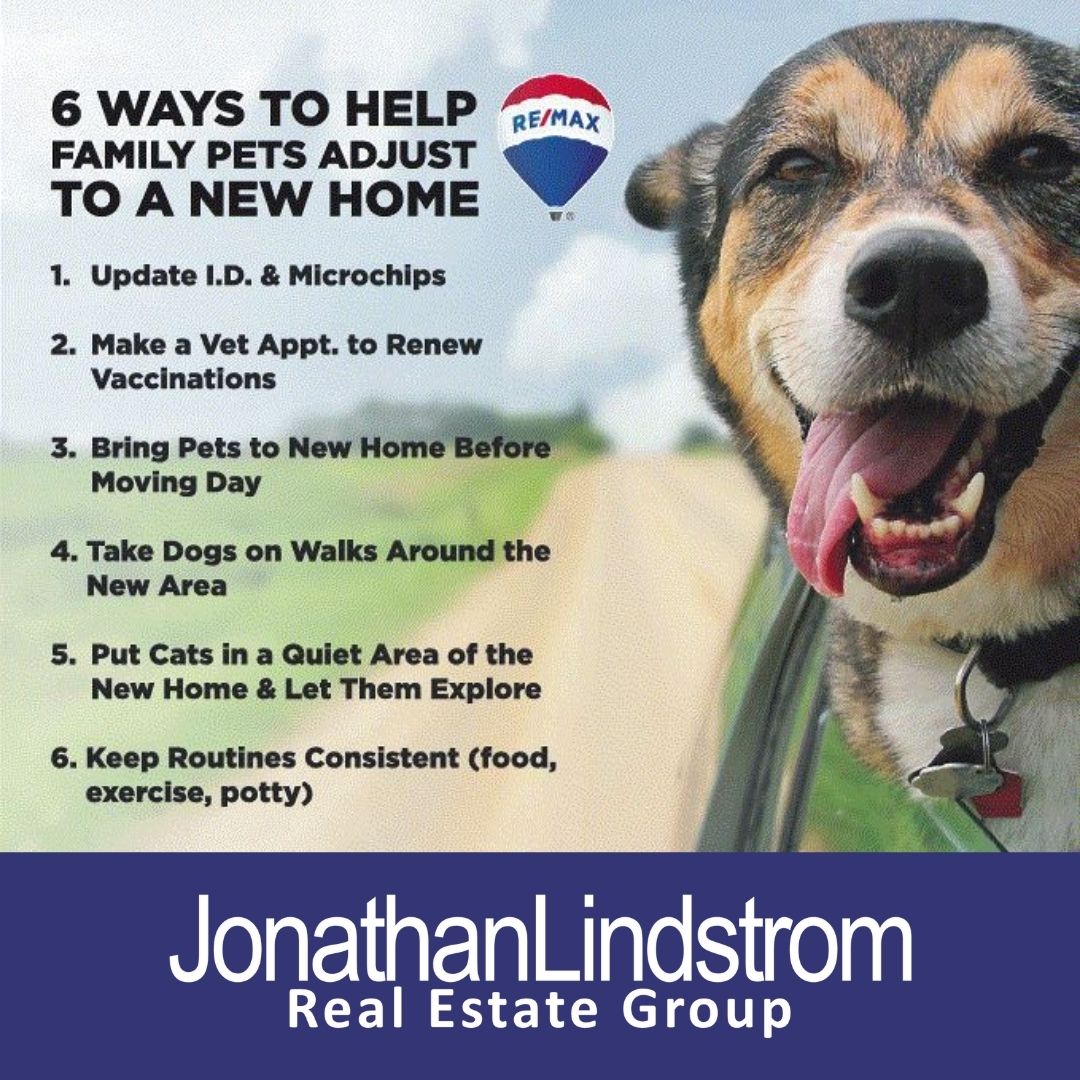
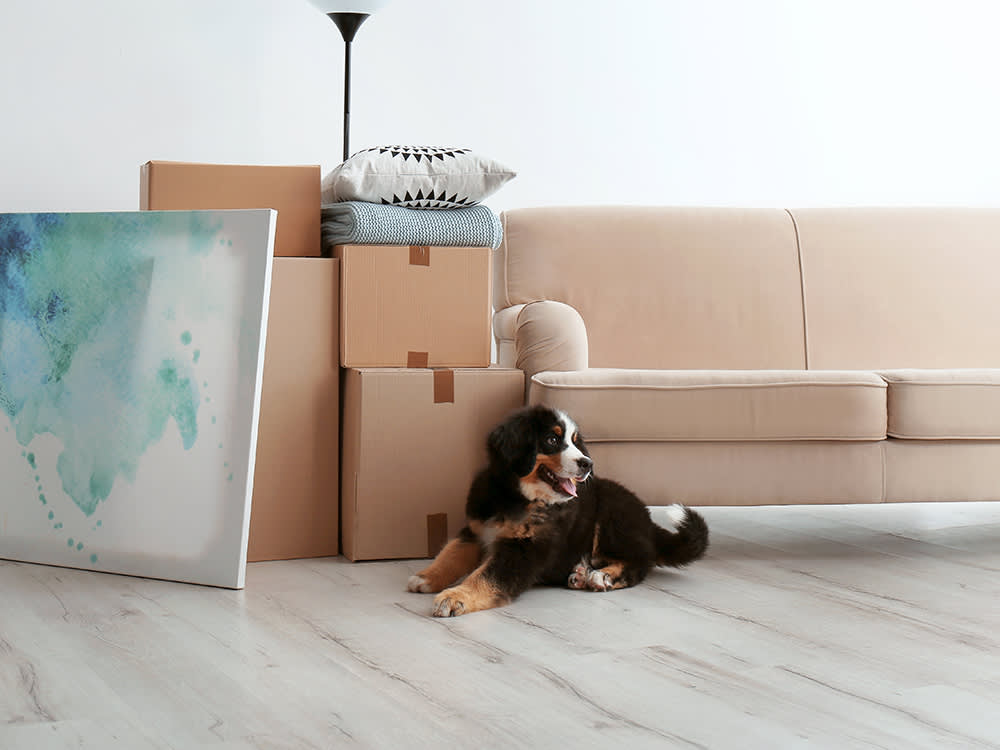
How to help a dog adjust to new home starts before day one. Set up a quiet base where your dog can rest and feel safe. Choose a room with a door or a baby gate. Add a crate or bed, water, and a chew.
- Stock the basics. Get a flat collar, ID tag, 4–6 ft leash, poop bags, two bowls, and a crate.
- Make it smell like home. Use a worn T-shirt in the bed. Familiar scents calm dogs.
- Decide the rules. Pick words for cues, potty spots, and off-limit areas. Share them with the family.
- Plan the first week. Keep your calendar light. Delay parties, errands, and big trips.
- Book a vet visit. Do it in the first week to check health, microchip, and vaccines.
This calm start lowers stress and sets the tone for the days ahead.
The first 24–72 hours
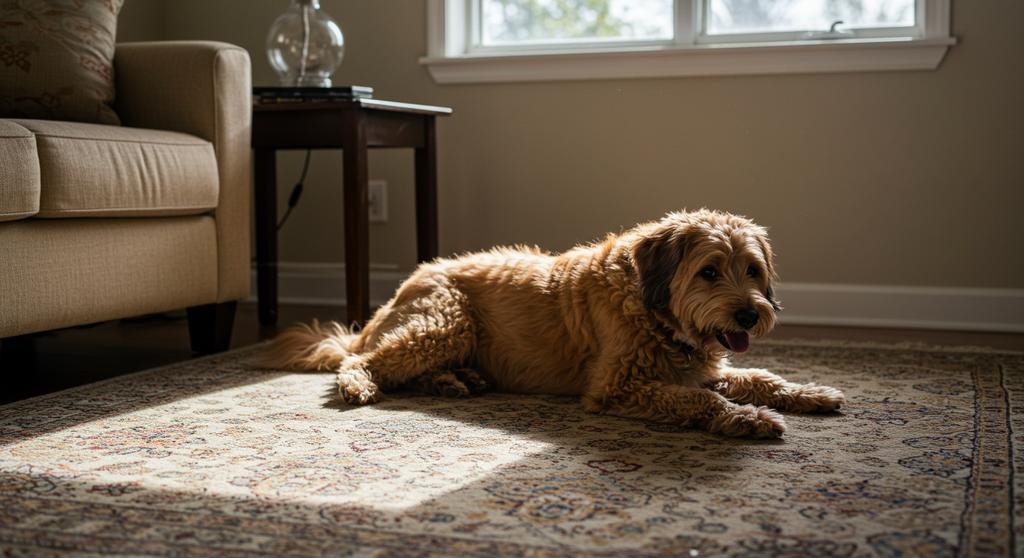
How to help a dog adjust to new home is about calm routine, not constant action. Think “quiet hotel check-in,” not “theme park.”
- Keep it simple. Short walks, potty trips, water, food, and lots of rest.
- Limit guests. Let your dog meet the house and you first.
- Follow a schedule. Feed, walk, train, and sleep at set times.
- Supervise. Use gates and leashes indoors at first. Prevent mistakes.
- Watch body talk. Yawns, lip licks, and turning away mean, “I need space.”
In these first days, less is more. Let safety and sleep do the heavy lifting.
Build trust with structure and play
A steady plan builds trust fast. How to help a dog adjust to new home gets easier when your dog can predict what comes next.
- Hand-feed part of meals. Trade food for eye contact, sit, or name check-ins.
- Keep training short. 3–5 minute sessions, 2–3 times daily. End on a win.
- Use play with purpose. Tug, fetch, or gentle chase, then settle on a mat.
- Add sniff walks. Let your dog choose the route for part of the walk. Sniffing lowers stress.
Behavior science shows clear rewards help dogs learn fast. Keep it fun and fair.

House training and boundaries
How to help a dog adjust to new home often begins with the potty plan. Even adult dogs need a refresher.
- Take out often. After sleep, play, food, and every 2–3 hours.
- Pick one spot. Praise when they go in the right place. Reward right away.
- Manage space. Use a crate or gate to prevent roaming. Freedom grows with wins.
- Chew the right stuff. Offer safe chews and toys. Swap, don’t chase.
- Clean well. Use an enzyme cleaner on any mess to stop repeat spots.
Accidents happen. Stay calm, clean up, and keep the schedule tight.
Socialization and new environments
Slow and steady wins here. How to help a dog adjust to new home means safe, short steps into the world.
- New people. One at a time. Let your dog approach. No crowding, no hugging.
- New places. Park far, watch from a distance, reward calm. Move closer next time.
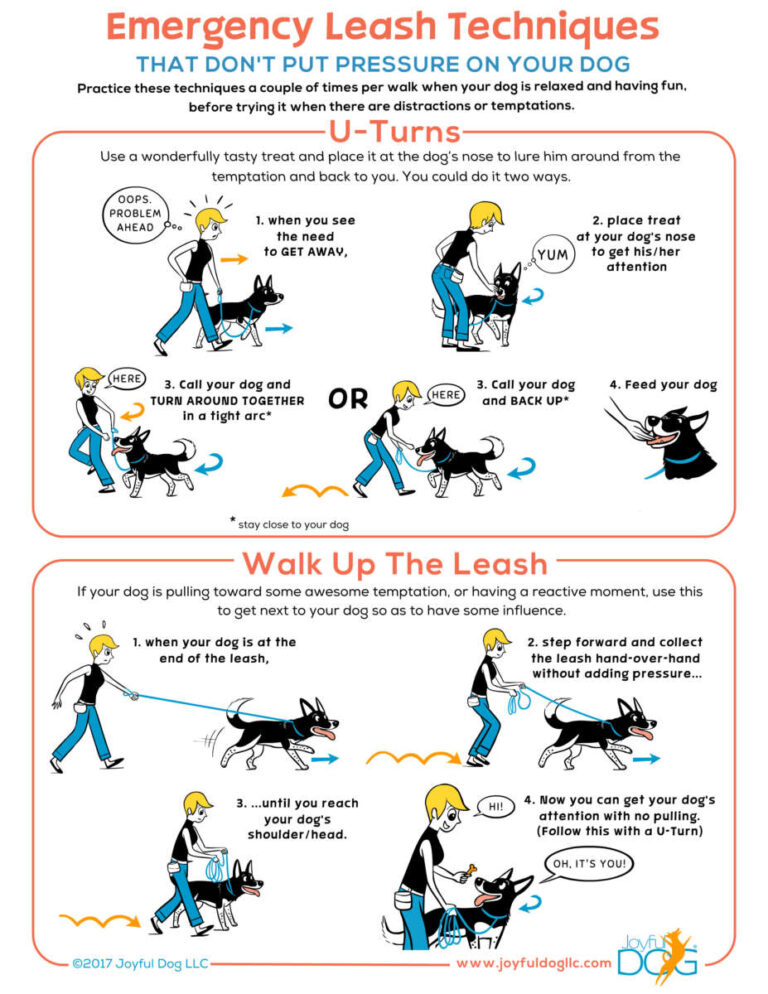
- Dog meets. Parallel walks first. Loose leashes. Curved paths. Short and sweet.
- Sounds. Play low-volume sounds, pair with treats, and turn it off while it’s still easy.
Your dog sets the pace. Confidence grows when they can choose and win.

Handling common challenges
Every dog hits a bump. How to help a dog adjust to new home also means spotting stress early and guiding with care.
- Separation stress. Start with short absences. Give a food puzzle. Come back before panic. Grow time slowly.
- Barking at windows. Block views, add white noise, and reward quiet on a mat.
- Resource guarding. Trade up with better treats. Avoid grabbing by force. Get pro help if it’s intense.
- Fearful reactions. Add distance, breathe, feed, and leave. Try again another day.
If issues last or worsen, call a certified trainer or veterinary behaviorist. Early help can save months.
Health, nutrition, and sleep
How to help a dog adjust to new home includes a healthy body plan. Good food, rest, and care reduce stress.
- Vet check. Do this in the first week. Ask about pain, teeth, skin, and weight.
- Food change. Transition slow over 7–10 days. Watch stool and energy.
- Treats and chews. Use small, soft bites. Keep total calories in check.
- Sleep. Aim for 16–20 hours a day for many dogs in week one. Protect naps.
Healthy dogs learn faster and cope better. Sleep is your secret tool.
Enrichment and mental work
A busy brain is a calm brain. How to help a dog adjust to new home gets easier with simple games.
- Food puzzles. Kongs, lick mats, and scatter feeding slow meals and soothe nerves.
- Scent games. Hide treats in boxes. Let your dog sniff and win.
- Training games. Sit, down, touch, and place are daily anchors.
Use these for five minutes at a time. You will see softer eyes and looser bodies soon.

Track progress and get help when needed
You cannot fix what you do not track. How to help a dog adjust to new home improves when you measure small wins.
- Keep a journal. Note meals, sleep, potty, walks, training, and moods.
- Set tiny goals. Five calm seconds at the door. One quiet pass by a dog.
- Spot red flags. No eating, no sleep, frozen still, or sudden growls. Call the vet or a trainer.
Progress is not a straight line. Look at the trend, not one tough day.
The 3-3-3 rule: a simple timeline
A helpful rescue rule says many dogs follow this path. It’s not strict, but it guides how to help a dog adjust to new home.
- Three days. Overwhelmed, shut down, or over-hyped. Keep life simple.
- Three weeks. Learning the routine. You may see more true behavior.
- Three months. Bond grows. Your dog knows the rules and relaxes more.
Use this as a map, not a deadline. Meet your dog where they are.
Real-life lessons from the field
I once worked with Milo, a timid hound. For week one, we used hand-feeding and sniff walks only. By week three, he slept near the family and could pass kids on scooters at a safe distance. The key was space, not pressure.
Luna, a bright herding mix, barked at every sound. We blocked the front window, taught a place cue, and paid her for calm. In two weeks, doorbell bark time dropped by half. How to help a dog adjust to new home can be as simple as removing triggers and paying for peace.
A simple 14-day adjustment plan
This plan turns how to help a dog adjust to new home into easy steps.
Days 1–3
- Keep it quiet. Short walks, set meal times, and lots of rest.
- Use hand-feeding for name, sit, and eye contact.
- Start a potty log. Reward outside. Manage inside.
Days 4–7
- Add one new place at a calm time. Stay far, reward calm, leave early.
- Teach place and settle. Practice once in the morning, once at night.
- Try one friend visit. One person, short time, toss treats.
Days 8–14
- Add longer sniff walks. Mix in five-minute training games.
- Try a puzzle feeder each day.
- Light alone-time training. Start with 2–5 minutes and build.
Small, steady steps beat big leaps. Keep wins easy and frequent.
Frequently asked questions on how to help a dog adjust to new home
How long does it take a dog to adjust to a new home?
Many dogs settle in about three months. You’ll see big changes by three days and three weeks along the way.
Should I let my new dog sleep in my bed right away?
It’s better to wait. Set a clear sleep spot first, then decide later when routines are solid.
How do I stop crying or whining at night?
Give a safe sleep area, a last potty trip, and a chew. Keep nights calm and short; most dogs adjust in a few days.
How much exercise does a new dog need at first?
Less than you think. Short walks, sniff time, and brain games help more than long runs in week one.
What if my new dog won’t eat?
Keep meals quiet, warm the food a bit, and try hand-feeding. If it lasts more than a day or two, call your vet.
How do I introduce my dog to my current pets?
Use gates and scent swaps first. Then do short, calm, parallel time with lots of space and breaks.
Is crate training necessary?
It’s helpful for safety and rest, but it’s not the only way. You can use a quiet room and gates if your dog hates the crate.
Conclusion
You now have a clear plan for how to help a dog adjust to new home: prepare the space, set a calm routine, reward the good, and move at your dog’s pace. Keep sessions short, track small wins, and get help early if you need it. With steady steps, your dog will feel safe, learn fast, and become the friend you pictured.
Try one tip today. Set a schedule, teach a simple cue, or prep a puzzle feeder. Want more guides like this? Subscribe, share your progress, or drop a question in the comments.

Pet Care Writer & Researcher
Daniel writes practical guides on daily care, feeding, and safety, turning complex topics into simple, actionable advice.