Why Do Great Pyrenees Bark So Much: Reasons And Solutions
Why do Great Pyrenees bark so much? Learn the common causes and practical training tips to reduce excessive barking and keep your dog calm.
Great Pyrenees bark so much because they were bred to guard livestock, notice threats, and warn people from a distance.
If you wonder why do Great Pyrenees bark so much, the answer lies in their history, instincts, and sensitive nature. This guide explains what their barking means, how to reduce needless noise, and when barking may signal fear, pain, or another problem.
Why Great Pyrenees Bark So Much
Great Pyrenees dogs are livestock guardian dogs. For centuries, people bred them to protect sheep, goats, and other animals from wolves, bears, thieves, and other dangers.
They often worked alone at night. Their job was not to wait for a human command. Their job was to spot danger and sound the alarm.
That history explains why do Great Pyrenees bark so much today. A family home may feel safe to you, but your dog may still patrol the yard and react to every sound, scent, animal, or person nearby.
Common triggers include:
• People walking past the home
• Cars, bicycles, and delivery trucks
• Other dogs barking
• Wildlife near the yard
• Wind moving trees or fences
• Unusual sounds at night
• Visitors entering the home
• Changes in the dog’s surroundings
A Great Pyrenees may bark even when you cannot see a clear threat. Their hearing and sense of smell are strong, and they may detect something long before you do.

The Guardian Instinct Behind the Bark
The Great Pyrenees guarding instinct is the main reason this breed can seem louder than other large dogs. These dogs were selected for independent thinking, courage, patience, and strong awareness of their surroundings.
A herding dog may look to a person for direction. A livestock guardian often makes its own choice. This difference matters during training.
When a Great Pyrenees barks, the dog may believe it is doing important work. From the dog’s point of view, the bark is a warning message:
• “Something is near.”
• “I hear movement.”
• “This area belongs to my group.”
• “Stay away.”
• “I need help.”
Punishing the bark may confuse the dog. The dog may understand that you dislike the sound, but it may not understand that the supposed threat is harmless.
This is why do Great Pyrenees bark so much even after basic obedience training. Barking is not always a learned bad habit. In many cases, it is a deep working instinct.
What Different Great Pyrenees Barks Mean
Not every bark has the same meaning. Learning the pattern can help you respond in a useful way.
Alert barking
Alert barking is often sharp, repeated, and directed toward a sound or object. Your dog may stand still, raise its head, point its ears forward, or stare toward a gate or window.
This type of bark often happens when someone approaches the house. It may stop after the dog decides the situation is safe.
Territorial barking
Territorial barking usually happens near fences, doors, windows, or property lines. Your dog may rush toward the boundary and continue barking while the person or animal remains nearby.
This behavior becomes stronger when the dog can see movement but cannot reach or inspect the source.
Fear barking
Fear barking may sound high, fast, or uneven. The dog may back away, lower its body, tuck its tail, or avoid eye contact.
Fear barking needs a gentle plan. Yelling can increase stress and may make the dog feel less safe.
Boredom barking
A lonely or bored Great Pyrenees may bark for long periods without a clear trigger. The dog may pace, dig, chew, or repeatedly move along the fence.
This often means the dog needs more mental activity, better companionship, or a calmer daily routine.
Demand barking
Demand barking occurs when the dog wants food, attention, access, play, or release from a room. It may involve staring at you, pawing, or barking in short bursts.
Giving the requested reward during barking can teach the dog that noise works. Wait for a quiet moment before offering attention or access.
Pain or distress barking
A sudden change in barking may indicate pain, illness, confusion, or distress. A dog that rarely vocalizes but starts barking at night needs careful observation.
A veterinary exam is wise when barking begins suddenly or appears with other changes.

Why Great Pyrenees Bark at Night
Many owners ask why do Great Pyrenees bark so much at night. The answer is partly linked to their original work.
Predators were more active after dark. A guardian dog had to stay alert while people slept. Even modern Great Pyrenees may patrol at night, listen to distant sounds, and respond to animals that people cannot detect.
Night also carries sound farther. A dog may hear a fox, raccoon, owl, coyote, or distant dog across the neighborhood.
Other nighttime triggers include:
• Motion lights turning on
• Outdoor cats crossing the yard
• Wind moving branches
• Neighbors arriving home
• Wildlife near trash cans
• Reflections in windows
• Separation from family members
A secure sleeping area can help. Some dogs rest better indoors, while others prefer a quiet covered space with a clear view of the yard.
Avoid leaving the dog outside for hours with no company or structure. This can turn normal alert barking into a long nightly habit.
Is Excessive Barking Normal for a Great Pyrenees?
Some barking is normal for this breed. Constant barking, however, deserves attention.
The key question is not whether the dog barks. The key question is whether the barking fits the situation and whether your dog can settle afterward.
Normal guardian barking may involve a few warning bursts followed by quiet. Excessive barking may continue for many minutes, happen at every sound, or interfere with sleep and daily life.
Watch for these warning signs:
• Barking begins suddenly
• The dog seems confused or restless
• Barking comes with limping or licking
• The dog pants, trembles, or hides
• Appetite or sleep changes
• The dog reacts more strongly than usual
• Barking continues despite removing the trigger
Age can also affect behavior. Older dogs may develop hearing loss, vision changes, pain, or cognitive decline. These issues can lead to nighttime vocalization or increased anxiety.
A veterinarian can help rule out medical causes. A qualified reward based trainer or veterinary behavior professional can then address the behavior itself.

How to Reduce Great Pyrenees Barking
You may not stop all barking, and that should not be the goal. A better goal is to reduce unnecessary barking and teach your dog when to settle.
1. Find the trigger
Keep a simple barking log for several days. Record:
• The time of day
• What happened before the bark
• Where the dog was
• How long the barking lasted
• What helped it stop
This log can reveal patterns. You may discover that barking happens mainly at sunset, during deliveries, or when the dog is left alone.
2. Reduce visual triggers
A fence that allows constant viewing may encourage territorial behavior. Try privacy panels, outdoor curtains, or planting areas that block low views.
Do not block the entire yard if your dog enjoys watching the environment. A partial barrier may provide a useful balance.
3. Teach a calm response
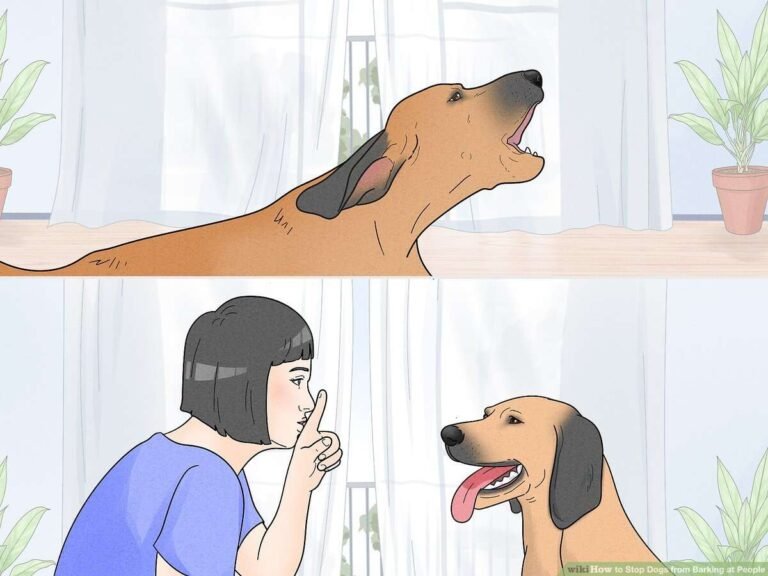
When your dog notices a trigger, calmly say a cue such as “thank you” or “quiet.” Then guide the dog away from the window or fence.
Reward the dog when it pauses. At first, reward one second of silence. Over time, ask for longer quiet periods.
Avoid repeating the cue many times. A cue that is repeated during barking can become background noise.
4. Reward quiet behavior
Notice calm moments before barking begins. Give praise, a small treat, or gentle attention when your dog rests quietly while people pass.
This teaches an important lesson: silence also gets noticed.
5. Use daily mental work
Great Pyrenees do not need endless high impact exercise, but they do need purposeful activity. Useful options include:
• Slow sniff walks
• Food puzzle toys
• Basic obedience practice
• Find the treat games
• Safe yard exploration
• Short recall sessions
• Calm leash walks
Mental work can lower frustration. It gives the dog a job without encouraging frantic activity.
6. Manage predictable events
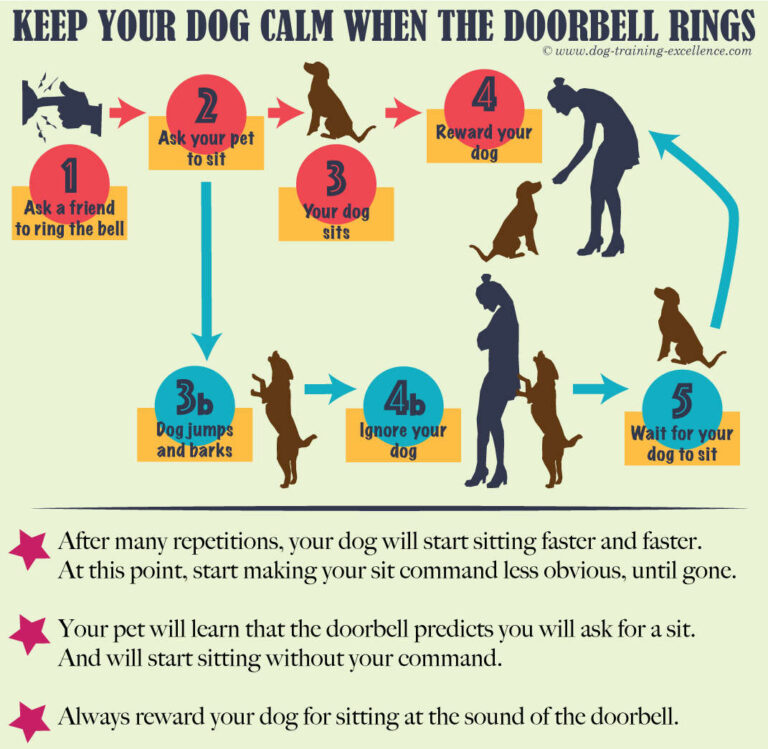
Before a delivery arrives, bring your dog inside or move it to a quiet room. Offer a food puzzle before the trigger starts.
Management is not failure. It prevents the dog from practicing the same barking routine again and again.
7. Teach an alternate behavior
Ask for a behavior that cannot happen easily while barking. A dog can touch your hand, lie on a mat, or look at you.
Practice when the house is calm. Then slowly use the skill around mild triggers.

Training Mistakes That Can Make Barking Worse
Many well meaning owners accidentally reward barking. They may open the door, let the dog outside, offer food, or shout across the yard.
From the dog’s point of view, the bark caused something to happen. That can make the behavior stronger.
Common mistakes include:
• Yelling “stop” from across the yard
• Using punishment without finding the trigger
• Allowing fence patrol for hours
• Waiting until the dog is fully aroused
• Rewarding the dog during active barking
• Using shock or spray collars without professional guidance
• Expecting instant silence from a guardian breed
Physical punishment can also damage trust. It may suppress warning signals without changing the fear or territorial concern beneath them.
A quieter dog is not always a calmer dog. Some punishment based methods make dogs stop barking while increasing stress. That can raise the risk of snapping or sudden reactions.
Reward based training is usually safer and clearer. It teaches the dog what to do instead of only showing what not to do.
Can Exercise Stop a Great Pyrenees From Barking?
Exercise can help, but it is not a complete answer to why do Great Pyrenees bark so much.
A tired dog may settle more easily, but exhausting the dog does not remove its guarding instinct. In fact, too much intense activity can make some dogs more excited.
Choose steady, low stress exercise. A relaxed walk where your dog can sniff may be more useful than a fast run around a busy park.
A balanced routine may include:
• A morning sniff walk
• Short training sessions
• Quiet time with the family
• A safe chew or puzzle
• An evening bathroom walk
• A comfortable sleep area
Great Pyrenees are large dogs with growing joints. Puppies should not be pushed into long runs, repeated jumping, or strenuous hikes before maturity. Ask your veterinarian for advice based on age, health, and body condition.

How Socialization Affects Barking
Early socialization helps a puppy learn that many normal sights and sounds are safe. It does not mean forcing the puppy to greet everyone.
Good socialization is calm and gradual. Let the puppy observe people, traffic, sounds, surfaces, and other healthy dogs from a comfortable distance.
Reward relaxed behavior. If the puppy becomes afraid, create more space and lower the intensity.
Adult Great Pyrenees can also learn new responses. The process may take longer, especially if the dog has practiced barking for years.
Socialization should focus on confidence, not constant interaction. A guardian dog does not need to love every stranger. It needs to remain controlled and recover after noticing one.
The Role of the Home and Yard
Your dog’s environment can either reduce or increase barking. A yard beside a busy sidewalk creates many daily triggers.
A secure fence is important, but a fence alone does not solve the problem. Long periods near the boundary can encourage repeated patrol behavior.
Helpful changes may include:
• Creating a quiet resting zone
• Adding shade and weather protection
• Limiting access to busy fence lines
• Bringing the dog indoors during peak activity
• Using steady background sound indoors
• Keeping gates and latches secure
• Removing food sources that attract wildlife
Never rely on a fence as the only safety plan. Great Pyrenees can dig, climb, or push through weak areas when motivated.
A calm home routine also matters. Dogs often respond better when meals, walks, rest, and training happen at predictable times.

When to Call a Veterinarian or Behavior Expert
A professional can help when barking is intense, sudden, or linked to fear. Start with a veterinarian if the behavior changed without an obvious reason.
Medical problems that may affect vocal behavior include pain, reduced hearing, vision loss, hormonal disease, and age related brain changes. This list is not a diagnosis, but it explains why a health check matters.
Seek qualified behavior help when:
• Your dog threatens or bites
• Barking comes with lunging
• The dog cannot settle after a trigger
• Training attempts increase fear
• Neighbors report long periods of barking
• The dog panics when left alone
• You feel unsafe handling the situation
Choose a professional who uses humane, reward based methods. Ask about credentials, training plans, safety steps, and expected progress.
Be cautious of anyone who promises a silent dog in one session. Great Pyrenees are individuals, and progress depends on genetics, age, health, history, and the home environment.
A Practical Seven Day Barking Plan
A short plan can make the problem feel more manageable. Start with observation, not correction.
Days one and two: Observe
Write down every barking episode. Note the trigger, location, time, body language, and recovery time.
Days three and four: Manage
Block the most common triggers. Bring the dog inside before predictable events and reduce time at the fence.
Day five: Teach a quiet cue
Use a mild trigger at a distance. When your dog pauses, say your cue and reward the silence.
Day six: Add an alternate behavior
Practice going to a mat, touching your hand, or looking at you. Reward calm movement away from the trigger.
Day seven: Review
Compare the barking log with the first two days. Look for shorter episodes, faster recovery, or more calm periods.
Repeat the plan for several weeks. Progress may appear as fewer barks, softer barks, or a quicker return to rest.
In cases I often see, owners focus only on stopping sound. The bigger improvement comes when they track the trigger and reward recovery. The dog learns that noticing something is allowed, but staying worked up is not required.

Frequently Asked Questions About Why Great Pyrenees Bark So Much
Why do Great Pyrenees bark so much at strangers?
Great Pyrenees often bark at strangers because they view unfamiliar people as possible risks to their home or family. This response comes from their livestock guardian history and may continue even when the visitor is friendly.
Do Great Pyrenees ever stop barking?
Most Great Pyrenees can learn to bark less and settle faster, but they may always bark more than a quiet companion breed. The goal is better control, not complete silence.
How can I stop my Great Pyrenees from barking at night?
Bring the dog to a comfortable sleeping area, reduce wildlife access, block visual triggers, and provide a calm bedtime routine. Sudden nighttime barking should receive a veterinary check, especially in an older dog.
Should I use a bark collar on a Great Pyrenees?
Bark collars are not the best first choice because they may suppress warning sounds without addressing fear, boredom, or territorial behavior. Reward based training and careful management are safer starting points.
Why does my Great Pyrenees bark at nothing?
Your dog may hear or smell something you cannot detect, such as wildlife or a distant sound. If the behavior is new or comes with confusion, restlessness, or pain, contact a veterinarian.
Can more exercise reduce Great Pyrenees barking?
Exercise can reduce boredom and tension, but it will not remove the breed’s natural guarding instinct. Calm walks, sniffing, training, and mental games often help more than intense physical exercise alone.
Is barking a sign that my Great Pyrenees is aggressive?
Barking alone does not prove aggression. Look at the whole body, including posture, tail, ears, facial tension, distance seeking, and ability to recover after the trigger passes.
Conclusion
Great Pyrenees bark so much because barking is part of their original job. They were bred to notice danger, protect their group, and warn others without waiting for instructions.
You can reduce unnecessary barking by finding triggers, limiting fence patrol, rewarding calm behavior, teaching an alternate response, and checking for medical problems when behavior changes. Patience matters because you are guiding a powerful instinct, not erasing a simple habit.
Start with a barking log today, make one environmental change, and reward every calm pause. With steady training and a clear plan, your Great Pyrenees can remain a confident guardian while becoming a more peaceful family companion.

Pet Care Writer & Researcher
Daniel writes practical guides on daily care, feeding, and safety, turning complex topics into simple, actionable advice.