How To Give A Dog Enough Exercise: 2026 Action Guide
Learn how to give a dog enough exercise with vet-backed routines, play ideas, and walking schedules to boost health, curb boredom, and fit busy lives.
Give your dog daily walks, play, sniff time, and brain games they enjoy.
If you want to know how to give a dog enough exercise, you’re in the right place. I’ve helped many dogs, from couch-loving seniors to turbo-charged herders. In this guide, I’ll show you how to give a dog enough exercise with simple plans, clear targets, and safe steps. You’ll learn what works, what to avoid, and how to tailor it to your dog’s age, breed, and health.

Why exercise matters for every dog
Dogs need movement and mental work to stay well. Regular activity keeps weight in check, supports joints, and protects the heart. It also eases stress and cuts problem behaviors.
Studies show that daily activity improves sleep and mood. It also boosts focus during training. That means fewer chewed shoes and more calm time at home.
Think of exercise like a pressure valve. Release a bit of energy often, and the rest of the day runs smooth. It is the base of a healthy, happy life.

How to give a dog enough exercise: know your dog
You can’t guess your dog’s needs. You match them. Here is what to look at when you plan how to give a dog enough exercise.
- Age Puppies need short bursts and lots of rest. Adults need steady, daily work. Seniors need gentle, low-impact moves.
- Breed group Herding and working dogs often need more. Brachycephalic breeds, like pugs, need less and cooler times.
- Health Check joints, heart, and weight. Ask your vet if you’re unsure.
- Temperament Some dogs love fetch. Others love scent games. Fit the plan to what lights them up.
A custom plan is how to give a dog enough exercise without risk. It keeps the work fun and safe.

Daily exercise targets and templates
Use these ranges as a start. Then tweak based on your dog’s joy, ease, and recovery.
- Puppies (under 12 months) 5 minutes of structured exercise per month of age, up to twice a day. Add free play and short training.
- Small adults 45–60 minutes daily, plus sniff time and training.
- Medium to large adults 60–90 minutes daily, split into two or three sessions.
- High-drive breeds 90–120 minutes daily with mix of aerobic work and brain games.
- Seniors 30–60 minutes daily, low impact, frequent breaks.
Sample day plan
- Morning 20–30 minute walk with sniff stops. Two minutes of basic cues.
- Midday 10-minute play or puzzle feeder.
- Evening 20–40 minute combo walk or fetch. Five minutes of training or scent work.
- Late 5-minute calm stroll or gentle tug.
These templates show how to give a dog enough exercise in real life. Keep sessions short. Stack them through the day.
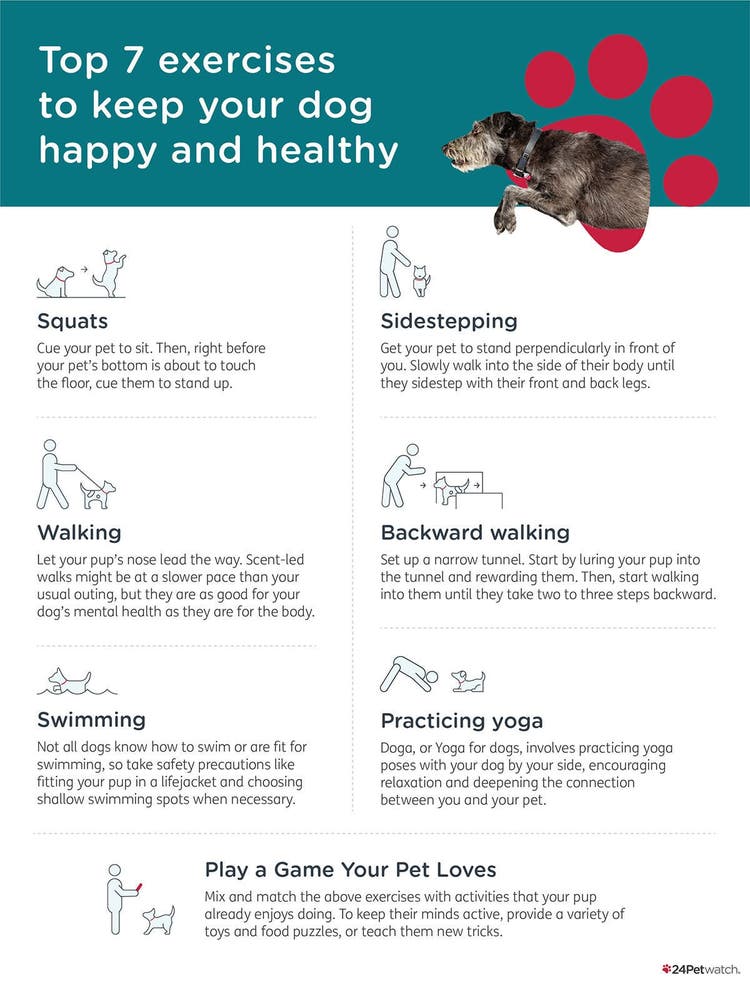
Best types of exercise (outdoor and indoor)
Mix heart work, strength, and brain games. Variety prevents boredom and injuries.
Outdoor ideas
- Sniff walks Slow walks that let your dog use their nose. Great for all ages.
- Fetch and tug Use soft arcs and rest breaks. Switch sides to balance the body.
- Hiking and trails Choose even ground at first. Add hills as fitness grows.
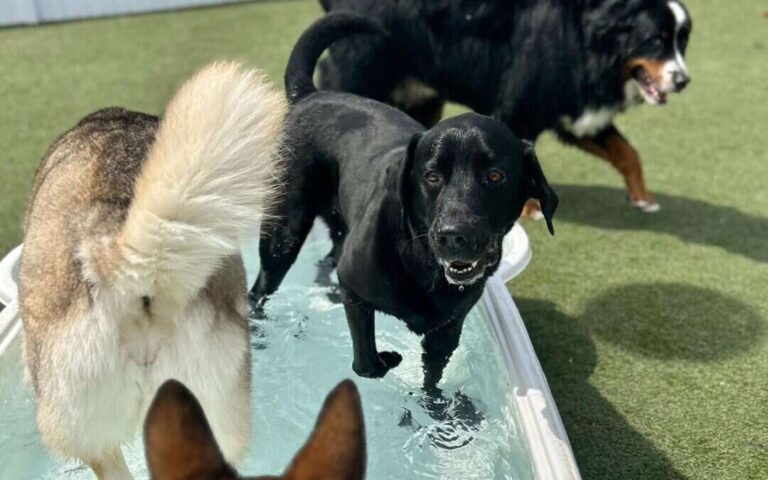
- Swimming Low impact and great for joints. Use a life vest if unsure.
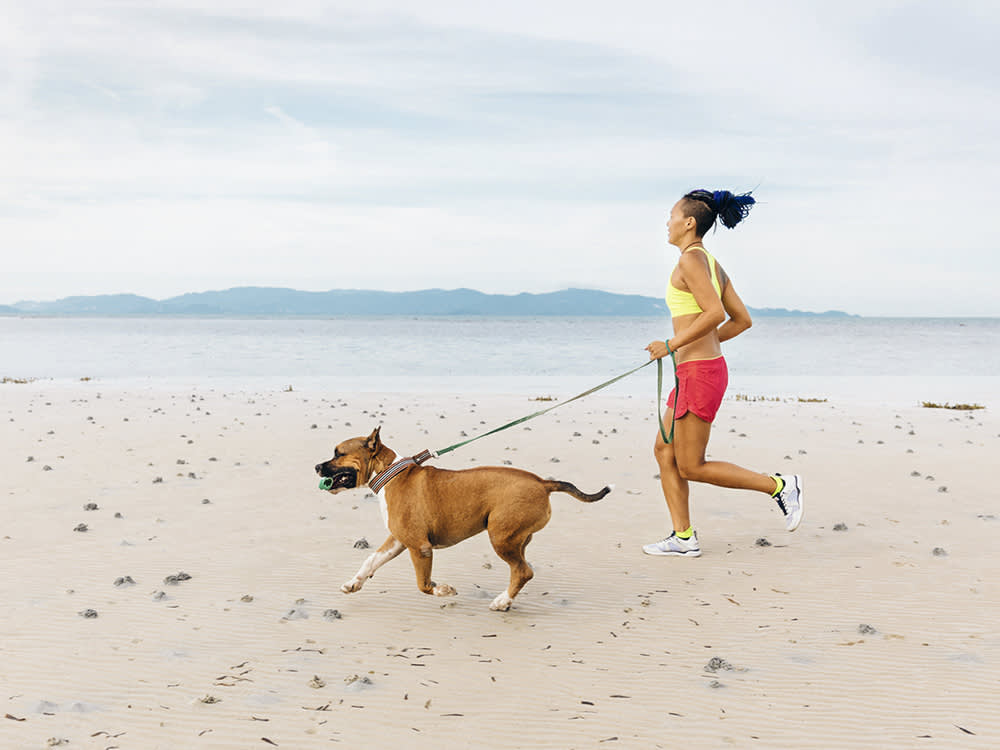
- Canicross or jogging Start slow. Keep pace at a light trot. Watch paws.
Indoor ideas
- Puzzle feeders and snuffle mats Feed with work. It soothes the brain.
- Scent games Hide treats or toys in easy spots, then harder spots.
- Trick training Teach spin, bow, middle, perch work. Two to five minutes at a time.
- Flirt pole Short sprints. Stop before your dog is gassed out.
- Stairs and obstacles Use slow, controlled steps. No wild sprinting.
This blend is how to give a dog enough exercise when space or time is tight. Make it playful. End while your dog still wants more.

Safe, smart progress: prevent injury and overexertion
Warm up for five minutes with a slow walk and easy turns. Cool down with a short stroll and light sniffing. Tiny habits prevent big issues.
- Surfaces Choose grass or dirt over hot pavement. Check heat with your hand.
- Paws Inspect for cracks or cuts. Rinse after salt or sand.
- Heat and cold Avoid mid-day heat. In winter, shorten sessions and use a coat if needed.
- Hydration Offer water before and after. For long outings, bring a collapsible bowl.
- Build load Add only 10–20 percent more time or distance per week.
Smart pacing is how to give a dog enough exercise without setbacks. If in doubt, scale back and watch recovery.

Weather, space, and time hacks
Bad weather and busy days happen. You can still meet needs.
- Do micro-sessions Three to five minutes, many times a day.
- Use “two-for-one” Walks with training reps. Heel for one block. Then sniff.
- Try hallway fetch Short tosses to avoid skids. Use a soft toy.
- Make meals work Food puzzles double as mental workouts.
- Rotate toys Keep only two or three out. Swap weekly to renew interest.
These tricks show how to give a dog enough exercise even in an apartment. Consistency beats big, rare outings.

Behavior and training gains from proper exercise
Exercise is not just for the body. It primes the brain for learning. Many dogs bark less and settle more when needs are met.
I’ve seen leash reactivity drop after we added scent walks and scatter feeding. The dog arrived calmer to training. That is how to give a dog enough exercise that supports behavior change.
Pair workouts with short skill sessions. You will see faster results.

How to tell if your dog is getting enough exercise
Watch your dog, not just the clock.
Signs you are on target
- Eats well and rests after sessions.
- Calm at home, playful by choice.
- Builds muscle and keeps a good waist.
Signs of too much
- Stiffness the next morning.
- Heat stress signs. Tongue wide and flat, drool, wobble.
- Slower on walks or refuses to start.
Use an easy score to guide weight. You should feel ribs with light pressure and see a waist from above. Fitness trackers can help, but your eyes and hands are key. This is the clearest way to judge how to give a dog enough exercise that suits them.
Common mistakes and how to fix them
- Weekend warrior Doing nothing all week, then a huge hike. Fix with short, daily work.
- Endless fetch High impact and one-sided load. Fix by mixing in sniff walks and tug.
- No sniff time Dogs need to read the world with their nose. Add pause-and-sniff zones.
- Monotony Same walk, same pace. Vary routes, speeds, and games.
- Ignoring pain Limping is not “just sore.” Rest and call your vet.
Avoiding these traps is a big part of how to give a dog enough exercise that is safe and fun.
Real-world case studies and personal tips
High-drive herding mix I coached a border collie who paced at night. We cut fetch by half and added two scent walks and trick sessions. He slept through the night in one week.
Senior beagle My senior beagle mix loved food hunts. We did 20-minute sniff walks and indoor hide-and-seek. Weight dropped, and his trot looked easy again.
Apartment terrier A client with a tiny space did four five-minute games a day. Hallway fetch, perch work, and a snuffle mat. This simple plan is how to give a dog enough exercise without a yard.
My go-to tips End on a win, switch games often, and protect paws. Keep sessions short and sweet.
Frequently Asked Questions of how to give a dog enough exercise
How many minutes should my dog exercise each day?
Most adult dogs do well with 60–90 minutes split into sessions. Adjust up or down based on age, breed, and recovery.
Can mental stimulation replace physical exercise?
It cannot replace it, but it is vital. Aim for both to meet needs and calm the mind.
Is daily fetch safe for my dog?
Fetch is fine in small doses with breaks and soft arcs. Mix in sniff walks and tug to balance strain.
What is the best way to exercise a puppy?
Use short, soft sessions and lots of rest. Think play, training, and controlled exploration, not long runs.
How do I exercise my dog when it’s too hot?
Go at dawn or dusk, use shade, and keep it short. Try indoor scent games and puzzles to fill the gap.
How can I tell if my dog is sore or overworked?
Watch for stiffness, lagging, or changes in mood. If it lasts more than a day, rest and call your vet.
What is the simplest plan for busy owners?
Do three 15-minute blocks. Morning walk-with-sniffs, midday puzzle, and evening mix of walk and light play.
Conclusion
You now know how to give a dog enough exercise with smart goals, safe steps, and fun games. Mix movement and brain work. Watch your dog’s signals. Adjust as you go.
Start today. Pick one morning walk, one puzzle, and one evening game. Track how your dog sleeps and acts for a week. Ready for more tips like this? Subscribe, share your wins, or drop a question in the comments.

Pet Care Writer & Researcher
Daniel writes practical guides on daily care, feeding, and safety, turning complex topics into simple, actionable advice.