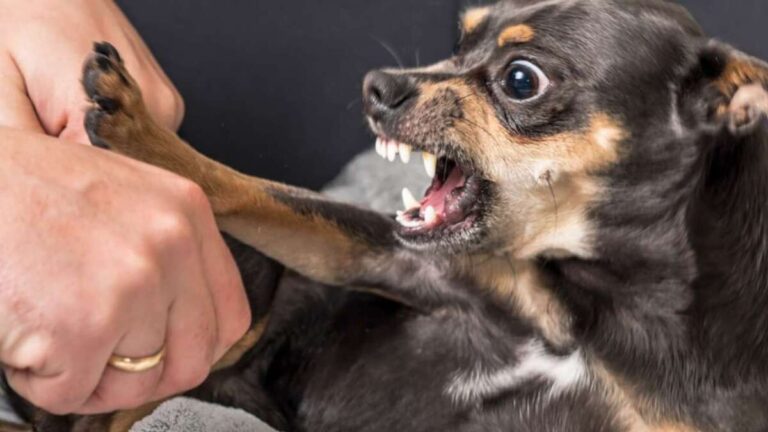
How To Get A Great Pyrenees To Stop Barking: Easy Tips
Learn how to get a Great Pyrenees to stop barking with practical training tips, calming strategies, and solutions for common triggers.
Use calm training, meet your Great Pyrenees’ needs, and reward quiet behavior instead of shouting.
Great Pyrenees dogs were bred to guard livestock, so barking is part of their natural work. The goal is not to silence this gentle giant completely. It is to teach your dog when barking matters, when to stop, and how to settle. Learning how to get a Great Pyrenees to stop barking takes patience, clear rules, daily practice, and a close look at the reason behind the noise. This guide explains the causes, training steps, common mistakes, and signs that professional help may be needed.
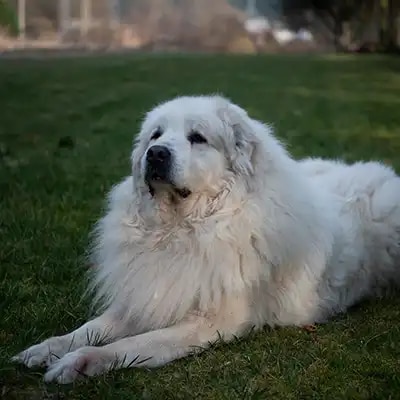
Why Great Pyrenees Dogs Bark
A Great Pyrenees often barks to alert you. Your dog may hear a car, smell a wild animal, or notice a person near the home long before you do. This strong watchdog instinct is one reason the breed is so valued on farms and in rural homes.
Barking can also come from boredom, fear, pain, frustration, or loneliness. A dog left alone for long periods may bark because the yard feels empty and stressful. A dog that sees people or animals through a window may bark because it cannot reach or inspect them.
Before you work on how to get a Great Pyrenees to stop barking, observe the pattern. Ask yourself:
• What happens just before the barking starts?
• Is your dog looking at the street, fence, door, or sky?
• Does the barking stop when the trigger leaves?
• Does your dog seem alert, afraid, excited, or upset?
• Does the barking happen mostly at night or when alone?
The trigger gives you the starting point. You cannot solve a warning bark in the same way you solve separation distress or pain.

How Much Barking Is Normal?
Some barking is normal for this breed. Great Pyrenees dogs often use a deep, steady bark to announce something unusual. They may also bark at night because cool, quiet hours make distant sounds easier to hear.
Normal does not mean every bark must continue. A healthy training goal is controlled alerting. Your dog can warn you, then respond to a cue such as “quiet,” move away from the window, and relax.
A sudden change deserves attention. If a quiet dog begins barking much more than usual, consider a health problem, stress, hearing changes, or a new source of fear. Pain can make any dog restless and vocal.
Breed traits also matter. A Great Pyrenees may never become as quiet as a Greyhound or a well-trained adult dog from a less vocal breed. Good training reduces needless barking, but it does not erase genetics.

How to Get a Great Pyrenees to Stop Barking
The most effective plan uses management and reward-based training. Management prevents your dog from rehearsing the barking. Training teaches a better response.
Follow these steps:
- Identify the trigger
Write down when the barking happens. Note the time, location, sound, and your dog’s body language. A simple log can reveal that the barking starts whenever school buses pass or animals enter the yard.
- Reduce the trigger
Close blinds during busy hours. Use privacy film on low windows. Move your dog’s bed away from the front door. A sturdy fence can block visual triggers, while soft background noise can cover outdoor sounds.
- Teach an attention cue
Say your dog’s name once in a calm voice. When your dog looks at you, give a small treat. Practice in a quiet room first, then slowly add mild distractions.
- Reward quiet moments
Wait for one or two seconds of silence. Mark the moment with “yes” and offer a treat. Gradually wait longer before rewarding. This teaches your Great Pyrenees that quiet behavior earns good things.
- Add a quiet cue
When your dog pauses, say “quiet” in a low, friendly voice. Do not repeat the word again and again. Reward the pause, then release your dog with a calm cue such as “all done.”
- Give your dog a new task
Ask for “come,” “sit,” or “go to bed.” A simple task helps your dog shift from guard mode to thinking mode. This is often more useful than saying “stop” loudly.
- Practice in short sessions
Train for three to five minutes at a time. End while your dog is still successful. Several brief sessions work better than one long session that creates frustration.
When people ask how to get a Great Pyrenees to stop barking, I explain that the quiet cue is not magic. It works because the dog first learns that calm behavior has value. The reward may be food, praise, access to the yard, or a chance to greet you.

Use Reward Based Training
Reward-based training is safer and more effective than punishment for most barking problems. Veterinary behavior experts warn that shouting, leash corrections, shock collars, and other harsh methods can increase fear and stress. A frightened dog may bark more, hide, or react aggressively.
Use rewards your dog truly wants. Many Great Pyrenees dogs enjoy small pieces of chicken, soft treats, play, praise, or time with their owner. Keep each treat tiny so training does not add too many calories.
Timing matters. Reward the quiet pause, not the bark. If you give food while your dog is barking, your dog may learn that loud behavior brings a treat.
A useful pattern looks like this:
• Your dog notices a person.
• You say your dog’s name.
• Your dog looks at you.
• You reward the calm response.
• You ask your dog to move to a mat.
• You reward again when your dog settles.
This approach changes the emotional response. Instead of thinking, “I must chase this away,” your dog begins to think, “I should check in with my person.”

Teach a “Place” or “Go to Bed” Cue
A place cue gives your Great Pyrenees a clear job. Choose a mat, bed, or rug away from the main window and door. Make that spot comfortable and easy to reach.
Start when the home is quiet. Toss a treat onto the mat. When your dog steps onto it, say “place” and reward. Repeat until your dog walks there without following the treat.
Next, build calm time:
• Reward one second on the mat.
• Wait two seconds, then reward.
• Add a gentle distraction.
• Take one step away and return.
• Slowly increase the distance and time.
Do not use the mat as punishment. It should feel like a safe station, not a time-out corner. If a visitor arrives, guide your dog to the mat before opening the door.
This method is especially useful for door barking. It replaces rushing the entrance with a predictable routine. With practice, your dog can alert you once, move to the mat, and wait for your signal.

Meet Your Great Pyrenees’ Daily Needs
Exercise alone will not solve every barking issue, but an under-stimulated dog may bark more. Great Pyrenees dogs usually need steady walks, time to sniff, gentle play, and mental work. They are not built for endless high-speed exercise, especially in hot weather.
Try activities such as:
• Slow walks that allow safe sniffing
• Food puzzles and treat scatters
• Basic obedience practice
• Tracking games in the yard
• Calm visits to dog-friendly places
• Supervised outdoor time
Avoid intense exercise in high heat. Great Pyrenees dogs have thick coats and can overheat. Provide shade, fresh water, and cool indoor areas. Ask a veterinarian about safe exercise if your dog is overweight, elderly, or has joint problems.
Mental work can tire the brain without placing heavy strain on the joints. For example, hide a few treats around one room and let your dog search. Start with easy hiding places, then make the game harder.
A tired dog may bark less, but calm routines matter just as much. Sleep, quiet time, and predictable meals help reduce stress.

Stop Window, Fence, and Yard Barking
Outdoor access can increase barking if your dog spends hours patrolling. A Great Pyrenees may treat every squirrel, bird, person, and passing car as a new security event.
Do not leave your dog outside alone for long periods when barking is a problem. Instead, use supervised yard time. Call your dog inside after a few minutes of calm behavior and reward the return.
You can also improve the setting:
• Add privacy screens to busy fence areas.
• Keep your dog away from the front boundary.
• Remove objects that allow climbing or fence watching.
• Use a covered porch or shaded rest area.
• Bring your dog inside during peak activity times.
Do not shout from the house while your dog is outside. Your dog may think you are joining the alarm. Calmly walk outside, call your dog away from the trigger, and reward the response.
For persistent fence barking, a secure solid fence may help. However, a barrier can sometimes increase frustration if the dog still hears everything. Pair visual blocking with training and supervised access.

Manage Doorbell and Visitor Barking
Door barking is common because the bell predicts exciting action. Your dog may hear the sound and rush to protect the home.
Practice without a real visitor. Ask a friend to knock softly or ring the bell once. Before your dog reaches the door, say “place” and reward. Keep the sound low enough that your dog can still think.
Increase difficulty slowly. Use more realistic knocks, longer pauses, and a friend who enters calmly. If your dog becomes frantic, make the exercise easier again.
When visitors arrive, use a leash, gate, or separate room if needed. Safety comes first. Let your dog approach only when the body is loose and calm.
Never force a nervous dog to greet a guest. A Great Pyrenees may need space, time, and the choice to remain at a distance. Ask guests to ignore the dog at first and avoid reaching over the head.
Reduce Barking When Your Dog Is Alone
Barking that occurs only when you leave may point to separation-related distress. Other signs can include pacing, drooling, scratching doors, destruction, accidents, or frantic greetings.
A camera can help you learn what happens after you leave. Do not rely on guesses. Some dogs bark for five minutes and settle, while others remain distressed for hours.
Begin with very short absences:
-
Pick up your keys, then sit down.
-
Walk to the door, then return.
-
Step outside for one second.
-
Return before your dog becomes upset.
-
Increase time in small steps.
Keep departures and arrivals calm. Provide a safe resting area and a food puzzle if your dog can eat when alone. Some dogs cannot eat during high stress, which is an important clue.
Severe separation distress needs a qualified veterinarian or behavior professional. Do not use a crate if your dog panics inside it. Confinement can worsen fear and may cause injury.
Mistakes That Can Make Barking Worse
Many owners feel exhausted by barking. That feeling is understandable, but quick fixes can create bigger problems. The most common mistake is yelling. From your dog’s point of view, you may sound like another large animal joining the alarm.
Avoid these errors:
• Rewarding barking by opening the door immediately
• Repeating “quiet” many times without teaching it
• Punishing warning signals
• Leaving the dog outside to bark for hours
• Using an anti-bark collar without professional guidance
• Training only after the dog is already frantic
• Expecting perfect behavior in one day
Another mistake is removing all barking without checking why it happens. A dog that stops warning because it fears punishment may still feel threatened. Suppressed warning behavior can make some situations less predictable.
In my experience, the biggest improvement comes when owners change the routine before changing the command. Block the window, shorten yard time, prepare treats, and teach a place cue. Training becomes much easier when the dog is below its stress limit.
When to Call a Veterinarian or Behavior Professional
Contact your veterinarian if barking starts suddenly, becomes extreme, or appears with other behavior changes. Medical issues can include pain, illness, hearing changes, cognitive decline, or hormone-related problems.
Seek professional help if your dog:
• Growls, lunges, snaps, or bites
• Cannot settle after the trigger is gone
• Panics when left alone
• Damages doors, windows, or teeth
• Shows fear around normal household sounds
• Barks through most of the night
A veterinarian can check for health causes and discuss treatment when anxiety is severe. A certified applied animal behaviorist or qualified reward-based trainer can create a plan for your home.
Ask any professional what methods they use. Choose someone who explains behavior clearly and avoids promises of instant results. Be cautious of anyone who says a dog must be dominated or physically corrected.
A Simple Seven-Day Barking Plan
A short plan can make training feel manageable. Track progress rather than expecting silence right away.
Day 1: Observe
Record each barking event. Note the trigger, time, location, and your response.
Day 2: Change the environment
Close blinds, move furniture, limit fence access, and prepare a quiet resting area.
Day 3: Teach attention
Practice your dog’s name and reward eye contact in a calm room.
Day 4: Teach the mat
Reward your dog for stepping onto and relaxing on the mat.
Day 5: Add mild triggers
Use low-level sounds or distant movement. Reward quiet attention.
Day 6: Practice the door routine
Use a soft knock or pretend visitor. Guide your dog to the mat before opening the door.
Day 7: Review
Look at what improved and what caused too much stress. Repeat the successful steps and make hard steps easier.
The purpose of this plan is not to finish training in one week. It is to create a repeatable routine. Most behavior change comes from steady practice over many weeks.
Frequently Asked Questions
How long does it take to get a Great Pyrenees to stop barking?
Many dogs show early improvement within a few weeks of consistent training. The full timeline depends on age, genetics, health, the trigger, and how long the barking habit has existed.
Should I yell at my Great Pyrenees to stop barking?
No. Yelling can sound like barking and may increase excitement or fear. Use a calm cue, redirect your dog, and reward the first quiet moment.
Will more exercise stop my Great Pyrenees from barking?
Exercise can help if boredom contributes to the problem, but it is not a complete solution. Your dog also needs sleep, mental work, trigger control, and reward-based training.
Are anti-bark collars safe for Great Pyrenees dogs?
Anti-bark collars can create fear and may not address the reason for barking. Reward-based methods and professional behavior support are safer first choices.
Why does my Great Pyrenees bark at night?
Night barking may come from distant sounds, wildlife, guarding instinct, loneliness, anxiety, or discomfort. Check the environment and health first, then limit outdoor patrol time and reward calm indoor behavior.
Can a Great Pyrenees ever stop barking completely?
Most Great Pyrenees dogs will still bark sometimes because guarding is part of their nature. A realistic goal is fewer unnecessary barks, faster recovery, and reliable quiet behavior on cue.
Conclusion
Great Pyrenees barking is usually a form of communication, not stubbornness. Find the trigger, reduce needless exposure, teach attention and place cues, and reward quiet behavior. Avoid yelling and harsh tools, and ask for veterinary help when barking is sudden, fearful, or linked to aggression.
Start with one small change today, such as blocking a busy window or rewarding three seconds of silence. With calm practice and realistic goals, you can learn how to get a Great Pyrenees to stop barking without taking away the confidence that makes this breed special. Track your progress, share your experience, and explore trusted reward-based training resources for continued support.

Pet Care Writer & Researcher
Daniel writes practical guides on daily care, feeding, and safety, turning complex topics into simple, actionable advice.