What Is The Best Dog Bed For Older Dogs: Best Guide
What is the best dog bed for older dogs? Find supportive, orthopedic options that ease joint pain and help your senior pet sleep comfortably.
The best dog bed for older dogs is a supportive orthopedic bed with a low entry, washable cover, and enough room to stretch.
Finding the best dog bed for older dogs takes more than picking the softest cushion. Senior dogs often need better joint support, easier access, steady warmth, and a surface that stays dry and clean. After years of seeing how small changes affect a dog’s comfort, I’ve learned that the right bed can make rest, movement, and daily life much easier.
What Is the Best Dog Bed for Older Dogs?
The best dog bed for older dogs is usually an orthopedic memory foam bed with a firm base and a soft, comfortable top. It should support the hips, shoulders, spine, and elbows without sinking so deeply that your dog struggles to stand.
A good senior dog bed should also have a low step-in edge. High sides may feel cozy, but they can be hard for dogs with arthritis, weak muscles, or poor balance to climb over.
Look for these key features:
• High-density memory foam or supportive orthopedic foam
• A low front entry
• A washable, water-resistant cover
• A nonslip bottom
• Enough space for your dog to lie flat
• Soft, breathable fabric
• Strong seams and durable construction
The best dog bed for older dogs should match your pet’s health, size, sleep style, and home setup. A small, curled-up dog may prefer a bolster bed, while a large dog with stiff hips may need a flat mattress with a wide open side.

Why Senior Dogs Need a Different Bed
Older dogs often sleep more than younger dogs. Many senior dogs rest for 14 to 18 hours each day, although sleep needs vary by breed, health, and activity level. Because your dog spends so much time resting, the bed becomes an important part of daily care.
A thin bed can place pressure on bony areas such as the elbows, hips, and shoulders. Over time, this may lead to discomfort and calluses. A supportive mattress spreads body weight more evenly, much like a good human mattress supports the spine.
Aging can also bring common changes such as:
• Arthritis and joint stiffness
• Reduced muscle strength
• Slower movement
• Less body fat
• Poor temperature control
• Urinary leaks or accidents
• Greater sensitivity to cold floors
The best dog bed for older dogs helps reduce these problems, but it cannot treat disease. If your dog suddenly avoids the bed, cries when lying down, limps, or struggles to rise, contact a veterinarian. Pain can be easy to miss because dogs often hide it.
Features to Look for in a Senior Dog Bed
Orthopedic support
Memory foam can help cushion pressure points and support a dog’s joints. Choose a mattress that feels firm and resilient, not one that collapses under your dog’s weight.
A foam bed should return to its shape after your dog gets up. Low-quality foam may flatten quickly, leaving your pet on the floor. For large dogs, dense foam is especially important because their weight places more stress on the mattress.
The best dog bed for older dogs should support the body without creating a deep hole. Your dog needs comfort, but also a stable surface for standing.
Low entry
A low entry is one of the most important features for a senior dog bed. Dogs with stiff knees or hips may not be able to step over a tall bolster.
A bed with three raised sides and one lower opening often works well. The opening gives easy access, while the raised sides provide a pillow-like place to rest the head.
Washable materials
Senior dogs may have accidents, drool more, or track dirt onto the bed. A removable cover that can go in the washing machine makes life much easier.
Water-resistant liners add another layer of protection. Still, do not assume every “waterproof” cover is fully leakproof. Check the product details and inspect the seams.
Nonslip base
A bed that slides across hardwood or tile can make an older dog nervous. It may also cause a slip when your dog tries to stand.
Choose a bed with rubber dots, a grippy fabric base, or another nonslip design. You can also place the bed on a rug for extra stability.
Safe warmth
Older dogs may feel cold more easily, especially if they have little body fat or short coats. A thick foam mattress can help keep them away from cold floors.
Use heated beds with care. They should have low, even heat and built-in safety controls. Never use a heating pad designed for people without veterinary advice, since it may cause burns.
Types of Beds for Older Dogs
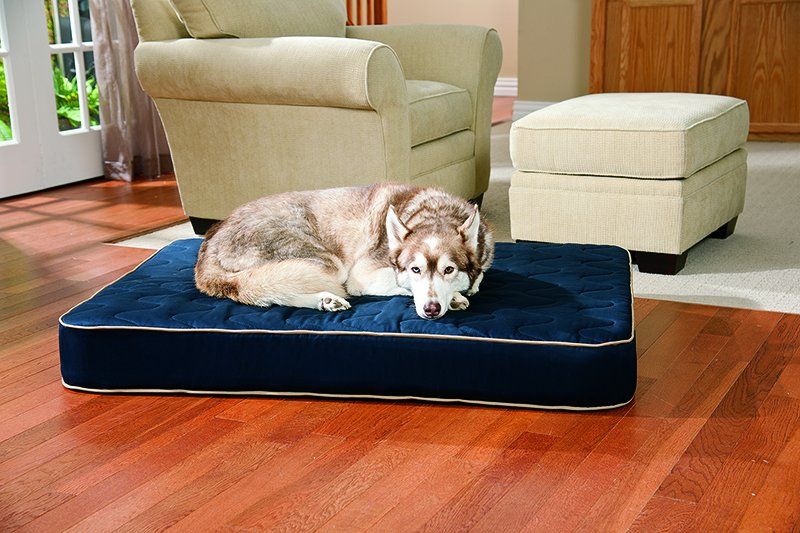
Orthopedic mattress beds
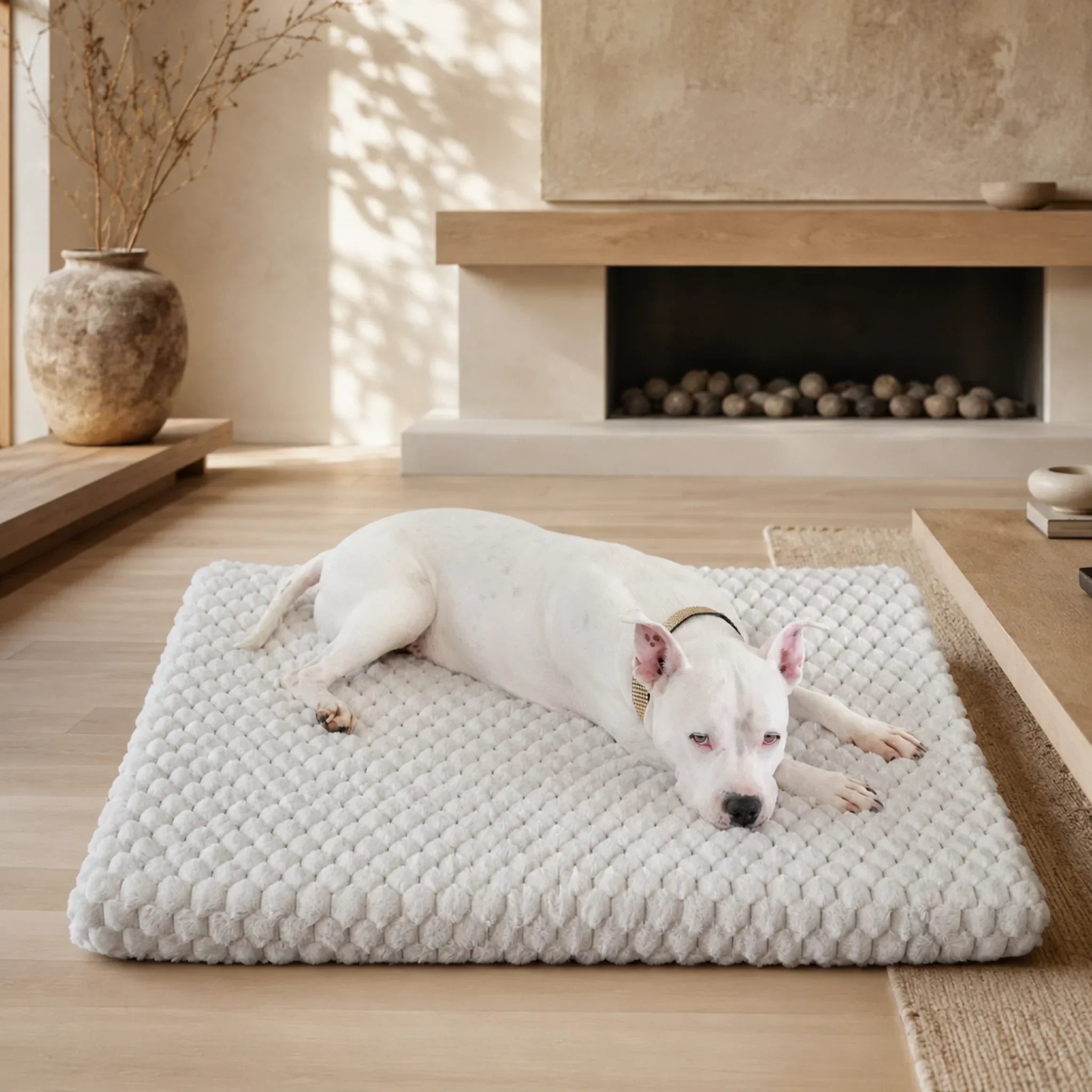
These beds have a flat, supportive surface. They are often the best choice for dogs with arthritis, hip pain, or limited mobility.
A mattress bed also makes it easy for a dog to stretch out. This can be more comfortable than curling tightly inside a small nest.
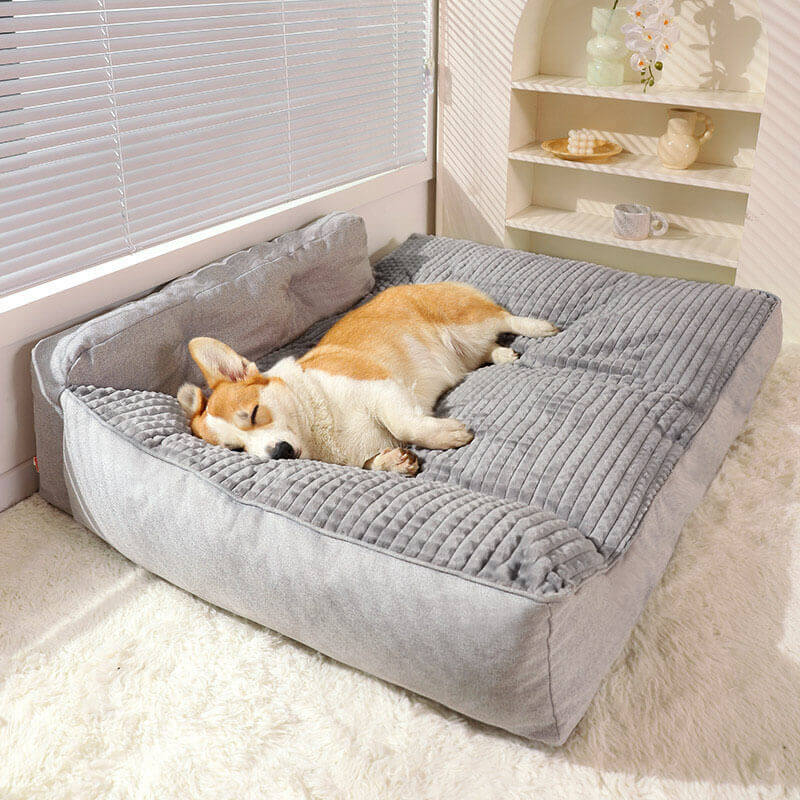
Bolster beds
Bolster beds have raised sides that support the head and neck. They can help dogs feel secure and offer a soft place to lean.
Choose one with a low front opening. A bolster that surrounds the entire bed may be difficult for a weak or painful dog to enter.
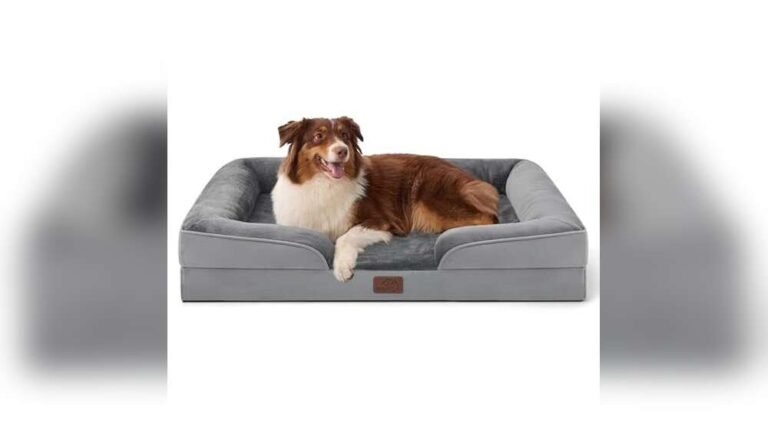
Memory foam sofa beds
These beds combine a flat sleeping area with padded sides. They may suit dogs that like to sleep against something but still need room to move.
Check the height of the front edge before buying. A stylish sofa design is not helpful if your dog cannot step inside.
Cooling beds
Older dogs can overheat, especially in warm climates or homes without strong air conditioning. Cooling gel or breathable fabric may help in summer.
Cooling beds should not replace water, shade, airflow, or veterinary care. If your dog pants heavily, seems weak, or has bright red gums, treat it as a possible heat emergency.
Elevated beds
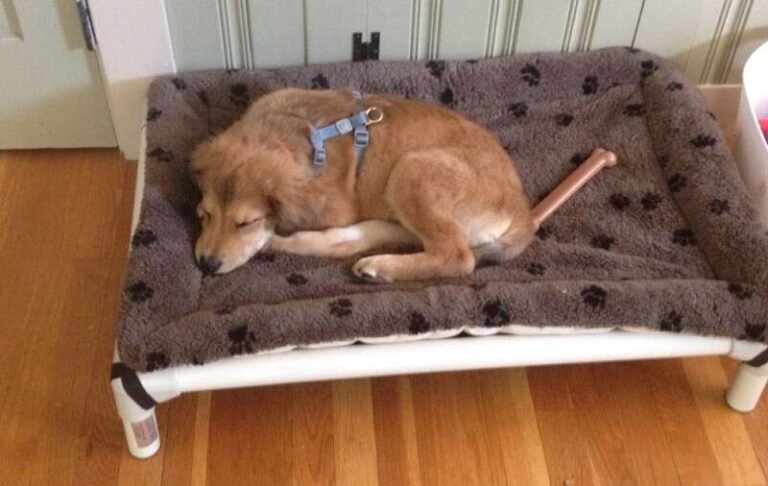
Raised cot beds allow air to move under the dog. They can stay cooler and keep pets away from damp floors.
However, some senior dogs find raised beds unstable or hard to climb onto. The best dog bed for older dogs is not always the most elevated option. Stability and easy access matter more than height.

How to Choose the Right Size
Measure your dog while they are lying in their favorite stretched-out position. Measure from the nose to the base of the tail, then add about 10 to 12 inches.
Your dog should be able to:
• Turn around without touching the sides
• Stretch the legs fully
• Rest the head comfortably
• Lie on the back or side
• Enter and leave without squeezing
Do not choose a bed based only on your dog’s weight. Two dogs with the same weight may have very different body shapes and sleeping habits.
For a dog that curls up, a round or oval bed may work well. For a dog that sprawls, a rectangular mattress is usually better. The best dog bed for older dogs gives the body room to relax without forcing a cramped position.

Where to Place the Bed
Place the bed in a quiet area where your dog already likes to rest. Many dogs want to be near family members, so a bed in the living room may be used more than one in a distant corner.
Keep the bed away from cold drafts, direct heat, and busy walkways. Your dog should be able to reach it without climbing stairs or crossing slippery floors.
For dogs with poor vision or balance, keep the surrounding area clear. A simple path can prevent trips. Night-lights may also help dogs that wake up after dark.
If your dog has accidents, place a washable mat under the bed. This protects the floor and makes cleanup faster.

Common Mistakes to Avoid
One common mistake is choosing a bed that is too soft. A fluffy cushion may look inviting, but it can allow an older dog’s body to sink and make standing difficult.
Another mistake is buying a bed with a tall rim. Raised sides are useful only when your dog can step over the entry without pain.
Avoid these problems:
• Buying by appearance instead of support
• Ignoring the cover and cleaning instructions
• Choosing a bed that slides on the floor
• Placing the bed far from water and family activity
• Using a damaged foam mattress
• Giving a heated bed to a dog that cannot move away from heat
• Keeping a wet or dirty bed in use
A lesson I’ve seen often is that dogs may reject a new bed because of its location, smell, or texture, not because the bed is poor. Place a new bed beside the old one for several days. Add a familiar blanket, then remove the old bed once your dog begins using the new one.
How to Help Your Dog Use a New Bed
Introduce the bed slowly. Let your dog sniff it before encouraging them to lie down. Reward calm interest with a small treat or gentle praise.
Never force an older dog onto the bed. Pressure can create fear and make the bed less appealing.
Try these steps:
-
Place the bed in a familiar resting area.
-
Add a blanket that smells like home.
-
Reward your dog for standing near the bed.
-
Offer a treat when your dog steps onto it.
-
Praise relaxed behavior without making a fuss.
-
Keep the room quiet during the first few naps.
Give your dog time. Some pets accept a bed in minutes, while others need a week or more. Comfort, scent, and routine all affect the choice.
Cleaning and Replacing the Bed
Wash the cover often, especially if your dog has allergies, incontinence, or skin problems. Follow the care label so the fabric does not shrink or lose its water resistance.
Use a mild, fragrance-free detergent when possible. Strong scents may bother dogs, and some cleaning products can irritate the skin.
Inspect the bed each month. Replace it when the foam stays flat, the cover tears, the filling clumps, or the base no longer stays stable.
The best dog bed for older dogs needs regular care to remain supportive. Even a high-quality bed loses value when it becomes damp, dirty, or misshapen.

When a Dog Bed Is Not Enough
A better bed can improve comfort, but it cannot solve every mobility problem. Persistent stiffness may point to arthritis, injury, spinal disease, or another medical condition.
Ask your veterinarian about changes such as:
• Difficulty rising
• New limping
• Repeated licking of a joint
• Restlessness at night
• Loss of appetite
• Sudden accidents
• Crying when touched
• A major change in sleep habits
Veterinary care may include weight support, controlled exercise, physical therapy, pain treatment, or joint supplements. Do not give human pain medicine unless a veterinarian specifically tells you to. Some common human drugs are dangerous or deadly to dogs.
Frequently Asked Questions About the Best Dog Bed for Older Dogs
What type of bed is best for a dog with arthritis?
An orthopedic memory foam mattress with a low entry is often a strong choice for a dog with arthritis. It should support the joints while making it easy for the dog to stand and leave.
Are memory foam beds good for senior dogs?
Yes, high-density memory foam can reduce pressure on the hips, shoulders, and elbows. Choose a firm, supportive model rather than a bed that lets the body sink deeply.
Should an older dog have a soft or firm bed?
Most older dogs need a supportive bed with a soft top, not an extremely soft cushion. A firm base helps the dog rise, while a comfortable surface protects pressure points.
How big should a senior dog bed be?
The bed should let your dog stretch out fully, turn around, and rest the head without hanging over the edge. Measure your dog while stretched out and add about 10 to 12 inches.
Do older dogs need heated beds?
Some senior dogs may enjoy gentle warmth, especially in cold homes. Use only a pet-safe heated bed with safety controls, and make sure your dog can move away from the heat.
How often should a dog bed be washed?
Wash the cover whenever it becomes dirty, wet, or smelly. For many senior dogs, weekly cleaning is practical, while the foam should be protected with a washable liner.
Can a dog bed help with hip dysplasia?
A supportive orthopedic bed may reduce pressure and improve rest for a dog with hip dysplasia. It does not cure the condition, so veterinary evaluation and a full care plan are still important.
Conclusion
The best dog bed for older dogs combines orthopedic support, easy entry, stable footing, washable materials, and the right size. Memory foam mattresses often work well, but the ideal choice depends on your dog’s joints, body shape, sleep style, and health.
Watch how your dog moves before and after resting. If the bed makes standing easier and encourages deeper, calmer sleep, it is doing its job. Choose carefully, introduce it slowly, and ask your veterinarian about any signs of pain. Share your dog’s bed needs or experience in the comments, and explore more senior pet-care guides for practical ways to help your companion stay comfortable.

Pet Care Writer & Researcher
Daniel writes practical guides on daily care, feeding, and safety, turning complex topics into simple, actionable advice.