What Fresh Foods Can I Feed My Dog: Safe Choices
Learn what fresh foods can i feed my dog safely, from healthy fruits and vegetables to protein-rich options your pup will love.
Safe fresh foods for dogs include lean meats, cooked eggs, plain vegetables, and small portions of dog-safe fruit.
If you are asking, “what fresh foods can I feed my dog,” the best choices are simple, plain, and easy to digest. This guide explains safe options, serving sizes, health benefits, foods to avoid, and how to add fresh foods without upsetting your dog’s diet.

What fresh foods can I feed my dog safely?
Fresh foods can add taste, moisture, and useful nutrients to your dog’s meals. Still, they should support a complete and balanced dog food, not replace it unless a veterinary nutritionist creates the recipe.
When choosing what fresh foods can I feed my dog, use foods that are plain and cooked when needed. Avoid salt, butter, oil, sauces, spices, and sweeteners.
Good choices include:
- Cooked chicken or turkey with no bones or seasoning
- Lean beef in small amounts
- Cooked salmon or sardines with bones removed
- Plain cooked eggs
- Carrots
- Green beans
- Cucumber
- Pumpkin
- Sweet potato
- Apples without seeds or the core
- Blueberries
- Bananas in small portions
- Watermelon without seeds or rind
- Plain rice or oatmeal
Introduce one new food at a time. This makes it easier to spot signs of an allergy or stomach upset.
Best fresh protein foods for dogs
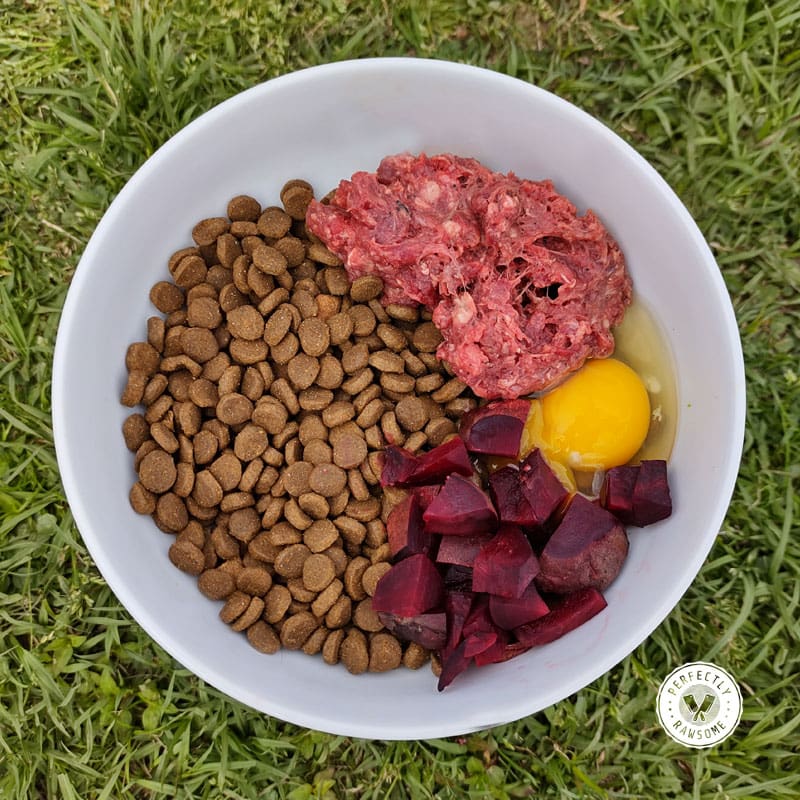
Protein helps support muscles, skin, hair, and daily energy. Fresh animal proteins can be useful toppers, but they must be prepared safely.
Chicken and turkey
Plain cooked chicken and turkey are common choices for dogs. Remove the skin, bones, and visible fat before serving.
Boiled or baked meat is best. Do not use deli turkey, rotisserie chicken, or seasoned meat because these may contain excess salt, onion, garlic, or rich fats.
Lean beef
Lean ground beef can provide protein, iron, and vitamin B12. Cook it fully, drain excess fat, and serve it without seasoning.
Fatty beef may cause stomach trouble in some dogs. It can also raise the risk of pancreatitis, especially in dogs that have had this problem before.
Fish
Cooked salmon, whitefish, and sardines can provide protein and omega 3 fatty acids. These fats support healthy skin and may help maintain a shiny coat.
Remove all bones before serving. Avoid raw fish from uncertain sources, smoked fish, and fish packed in salty sauces.
Eggs
Fully cooked eggs are a nutritious fresh food for many dogs. They provide protein, vitamins, and healthy fats.
Serve eggs plain. Do not add salt, cheese, butter, or cooking spray. Start with a small amount because rich foods may cause loose stools.
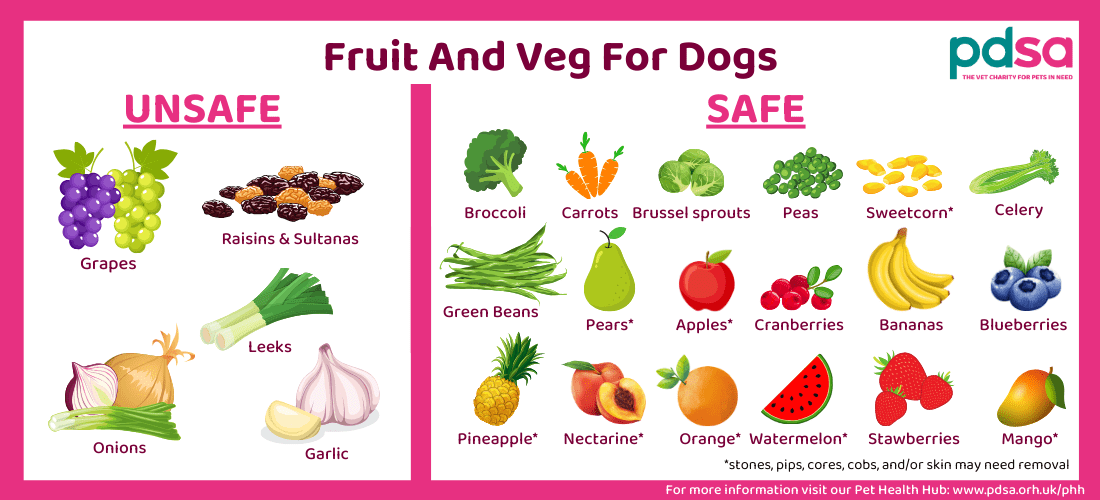
Fresh vegetables dogs can eat
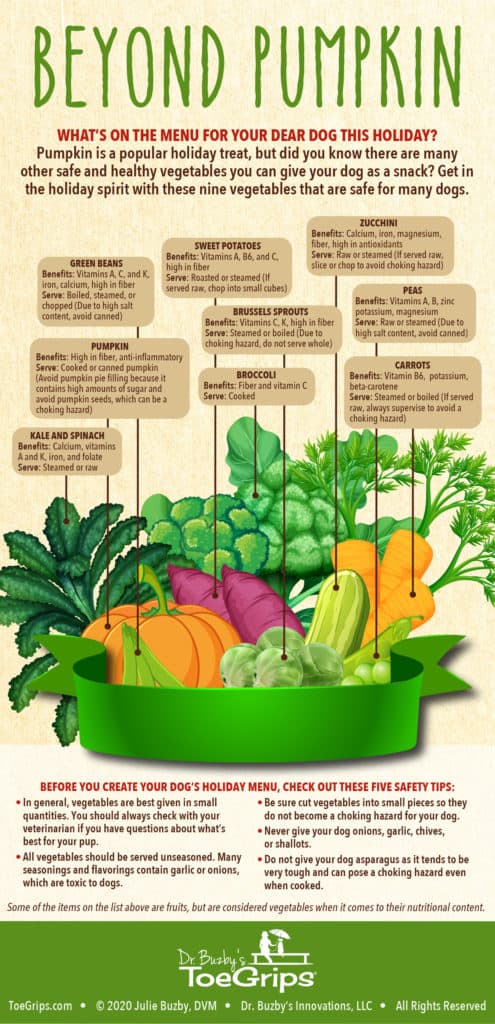
Vegetables are often low in calories and can add fiber and water to a dog’s diet. They may work well as training treats or meal toppers.
Carrots
Carrots can be served raw in small, bite-size pieces or cooked until soft. Large chunks may become a choking risk, especially for small dogs.
Carrots are useful for dogs that enjoy crunchy treats. Their natural sweetness also makes them appealing without added sugar.
Green beans
Plain green beans are a good low-calorie option. They contain fiber and can help add volume to a meal.
Use fresh or frozen green beans without salt. Cut long beans into smaller pieces for small dogs.
pumpkin
plain canned pumpkin can provide fiber. It is often used in small amounts to support normal stool quality.
Choose pure pumpkin, not pumpkin pie filling. Pie filling may contain sugar, spices, or xylitol, which is dangerous to dogs.
Sweet potato
Cooked sweet potato offers fiber and several vitamins. Remove the skin if it is tough, and serve the soft inside in small portions.
Never give raw sweet potato chunks. They can be hard to chew and digest.
Cucumbers and zucchini
Cucumber and zucchini are mild, water rich foods. They can be useful for dogs that need a light snack.
Wash them well and cut them into small pieces. Skip pickles because they contain high levels of salt and may include harmful spices.

Fresh fruits dogs can eat
Fruit can be a tasty treat, but it contains natural sugar. Small portions are usually enough.
Apples
Dogs can eat apple flesh after you remove the seeds, stem, and core. Apple pieces provide water and fiber.
Apple seeds contain compounds that can release cyanide when chewed in large amounts. A few accidental seeds are unlikely to cause harm, but removing them is the safest choice.
Blueberries
Blueberries are small and easy to portion. They contain fiber and plant compounds called antioxidants.
Wash fresh berries before serving. Frozen blueberries can also work, but make sure they are not mixed with sweeteners.
Bananas
Bananas are safe for most dogs in small amounts. They contain potassium and fiber but also have more sugar than many vegetables.
A few slices are enough for a small dog. Too much banana may cause constipation or stomach upset.
Watermelon
Seedless watermelon can provide water on a warm day. Remove the rind and all visible seeds before serving.
The rind is hard to digest and may cause an intestinal blockage. Give only bite size pieces.
Strawberries and pears
Small pieces of strawberries or ripe pear may be safe treats. Remove pear seeds, stem, and core, and wash all fruit first.
Avoid fruit packed in syrup. Fresh fruit is a better choice than sweetened or processed fruit.
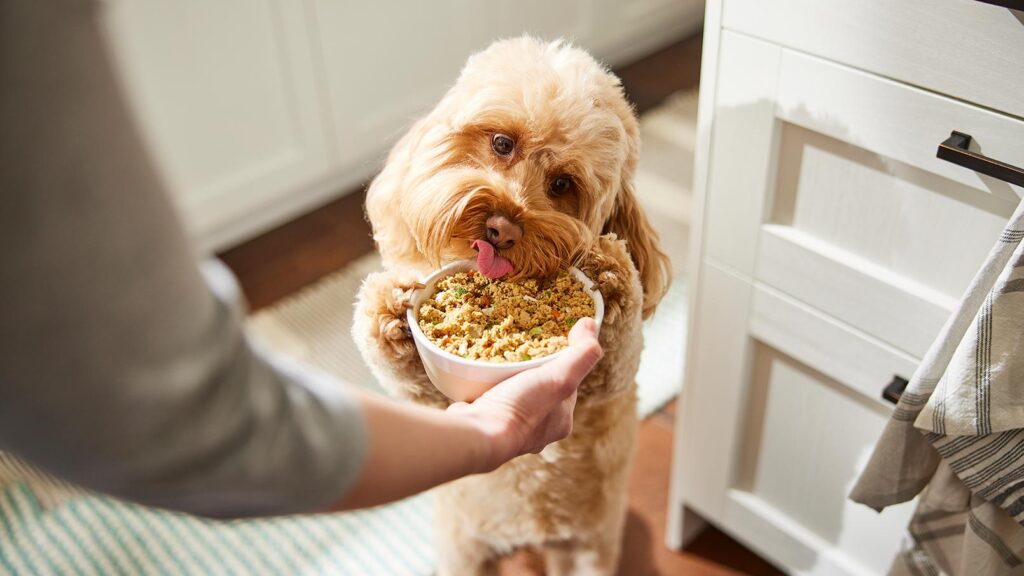
How much fresh food should I give my dog?
Fresh food should usually make up no more than about 10 percent of your dog’s daily calories. The remaining 90 percent should come from a complete and balanced diet made for your dog’s life stage.
This guideline includes treats, table scraps, chews, and toppers. It is easy to overfeed fresh foods because they seem healthy.
Use these practical steps:
- Start with one teaspoon for a small dog or one tablespoon for a large dog.
- Watch for vomiting, diarrhea, gas, itching, or changes in appetite.
- If your dog remains well, increase the amount slowly.
- Reduce the portion of regular food if the fresh food adds many calories.
- Keep a simple food record when testing new ingredients.
A veterinary professional can help calculate exact portions. This matters more for puppies, senior dogs, overweight dogs, and dogs with diabetes, kidney disease, food allergies, or pancreatitis.

How to prepare fresh foods for dogs
Safe preparation matters as much as food choice. Fresh ingredients can carry bacteria, contain choking hazards, or become unsafe when cooked with human ingredients.
Follow these rules:
- Wash fruits and vegetables before serving.
- Cook meat, fish, and eggs thoroughly.
- Remove bones, pits, cores, stems, and tough rinds.
- Cut food into pieces that match your dog’s size.
- Store leftovers in the refrigerator.
- Throw away food that has been left out for more than two hours.
- Use separate boards and utensils for raw meat and ready to eat food.
- Never add onion, garlic, heavy spices, sauces, or artificial sweeteners.
Raw diets need extra care. Raw meat may contain bacteria such as Salmonella and E. coli. Freezing does not reliably remove every risk, and raw bones can break teeth or cause choking and intestinal injury.
For most families, gently cooked fresh food is the simpler and safer choice.
Fresh foods dogs should never eat
Knowing what fresh foods can I feed my dog also means knowing what to avoid. Some foods are toxic, while others can cause choking, stomach problems, or organ damage.
Never give your dog:
- Grapes or raisins, which may cause sudden kidney failure
- Onions, garlic, leeks, chives, or foods made with them
- Chocolate, cocoa powder, or coffee
- Xylitol, also called birch sugar, found in some gum, candy, toothpaste, and baked foods
- Alcohol
- Macadamia nuts
- Raw yeast dough
- Cooked bones
- Avocado pits and large amounts of avocado
- Foods with heavy salt, sugar, or spice
- Moldy food or spoiled leftovers
Do not wait for symptoms after a possible poisoning. Contact your veterinarian or a pet poison service right away, and keep the package or ingredient list available.
Signs of an emergency may include repeated vomiting, weakness, tremors, seizures, trouble breathing, collapse, or severe belly pain.

Can fresh food replace commercial dog food?
Fresh food can be part of a healthy feeding plan, but random ingredients rarely provide complete nutrition. Dogs need the right balance of protein, fat, calcium, phosphorus, vitamins, minerals, and essential fatty acids.
For example, feeding only chicken and rice for weeks can lead to serious nutrient deficiencies. This meal may be useful for a short period when a veterinarian recommends it, but it is not a complete long term diet.
If you want to feed a fully fresh diet, work with a board certified veterinary nutritionist. A professional can create a recipe and recommend the correct supplements.
Look for a commercial food labeled complete and balanced for your dog’s life stage. This label means the food meets established nutritional standards when fed as directed.
Common mistakes when adding fresh food
Many feeding problems begin with good intentions. Owners want to offer healthy foods, but small extras can quickly become a large part of a dog’s calories.
Here are common mistakes to avoid:
- Adding several new foods at once
- Giving fatty meat or greasy leftovers
- Ignoring calories in cheese, peanut butter, and treats
- Offering large pieces that may cause choking
- Feeding cooked bones
- Using canned foods with added salt
- Replacing balanced food with meat alone
- Continuing a food after signs of intolerance appear
- Forgetting that small dogs need very small portions
One lesson I often share with dog owners is to treat new foods like a careful experiment. Add one simple ingredient, use a small amount, and observe your dog for two or three days.
A dog may love a food that does not agree with its stomach. Enjoyment is not proof of safety or tolerance.
A simple fresh food plan for dogs
If you are still wondering what fresh foods can I feed my dog, begin with a simple plan rather than a large mix of ingredients.
Try this approach:
- Pick one safe food, such as cooked chicken, pumpkin, carrot, or blueberry.
- Prepare it without oil, salt, seasoning, or sauce.
- Offer a small portion with your dog’s regular food.
- Monitor stool, appetite, skin, and energy.
- Wait before adding another food.
- Keep fresh extras within about 10 percent of daily calories.
For example, you might add a spoonful of plain pumpkin to a large dog’s meal or a few small carrot pieces to a small dog’s training routine. These are examples, not fixed prescriptions.
Dogs with chronic illness need a more careful plan. Ask your veterinarian before changing food if your dog has kidney disease, liver disease, diabetes, allergies, pancreatitis, or a history of urinary stones.
Frequently asked questions about what fresh foods can I feed my dog
Can dogs eat fresh chicken every day?
Dogs can eat plain, fully cooked chicken in small amounts, but chicken alone is not a complete diet. Keep it as a topper or treat unless a veterinary nutritionist designs a balanced chicken based recipe.
What vegetables are healthiest for dogs?
Carrots, green beans, pumpkin, zucchini, and cooked sweet potato are common safe choices. Serve them plain, cut into small pieces, and introduce one at a time.
Can dogs eat fresh fruit every day?
Small amounts of dog safe fruit may fit into a balanced diet. Because fruit contains natural sugar, vegetables often make better daily treats for dogs that need weight control.
Is fresh food better than dry dog food?
Neither is automatically better for every dog. A complete and balanced dry, canned, or fresh diet can work well when it matches the dog’s age, health, calorie needs, and lifestyle.
Can I feed my dog raw meat?
Raw meat carries bacterial and parasite risks for dogs and people in the home. Cooked meat is usually the safer option, and a raw diet should only be planned with qualified veterinary guidance.
How do I know if fresh food is upsetting my dog?
Watch for vomiting, diarrhea, gas, itching, ear problems, reduced appetite, or low energy. Stop the new food and contact your veterinarian if signs are severe, last more than a day, or affect a puppy or senior dog.
Conclusion
The best answer to what fresh foods can I feed my dog is simple: choose plain, safe foods such as cooked lean meat, eggs, fish, vegetables, and small portions of dog safe fruit. Keep fresh extras limited, introduce them slowly, and avoid toxic ingredients, bones, rich leftovers, and unbalanced homemade meals.
Start with one small ingredient and watch how your dog responds. For a fully fresh diet or a dog with health concerns, ask your veterinarian or a board certified veterinary nutritionist for a personalized plan. Share your dog’s favorite safe fresh food in the comments or explore more evidence based pet nutrition guides.

Pet Care Writer & Researcher
Daniel writes practical guides on daily care, feeding, and safety, turning complex topics into simple, actionable advice.