Why Does My Dog Bark At People Walking By: Causes And Fixes
Why does my dog bark at people walking by? Learn the common causes and gentle training tips to reduce barking and help your dog stay calm.
Your dog may bark at people walking by because of alertness, fear, excitement, frustration, or a desire to protect its space.
If you are asking, “why does my dog bark at people walking by,” the answer is rarely as simple as bad behavior. Dog barking is communication, and the sound, timing, body language, and setting can reveal what your dog feels. This guide explains the most common causes and shows you how to reduce the barking with calm, humane training.

Why does my dog bark at people walking by?
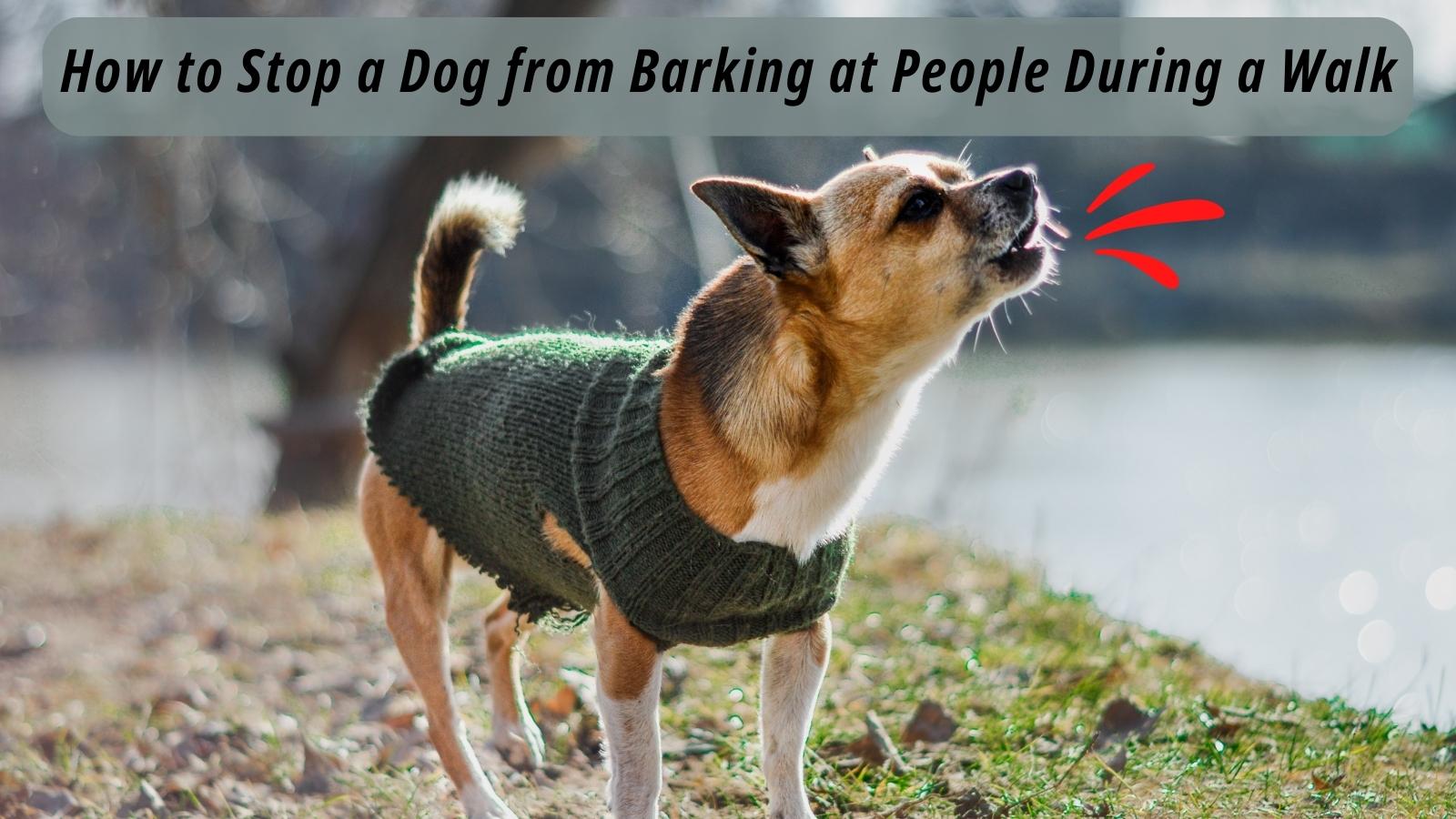
Dogs bark at passersby for many reasons. Some dogs see a person near the window and feel responsible for warning the household. Others bark because they are worried, excited, bored, or unable to reach the person.
The key is to look at the full picture. Ask yourself:
• Is your dog stiff or relaxed?
• Does your dog growl, lunge, hide, or wag?
• Does the barking happen only at home, or also on walks?
• Does your dog stop when the person disappears?
A dog that barks at people walking by may be reacting to movement, sound, scent, or a learned pattern. The person may be harmless, but your dog does not always know that.
Barking is a form of communication
Dogs use barking much like people use words, gestures, and facial expressions. A sharp bark may mean, “Something changed.” A series of fast barks may signal excitement or alarm. A low bark may come with discomfort or fear.
Barking does not always mean aggression. In fact, many dogs bark to create distance from something they do not understand. Others bark because they want to greet the person but feel blocked by a window, fence, leash, or door.
Common reasons dogs bark at passersby
Understanding the cause is the first step toward changing the behavior. Training works best when it addresses the emotion behind the bark, not just the sound.
Territorial behavior
Your home, yard, porch, and car can feel like important territory to your dog. When someone walks past, your dog may believe that person is entering its space.
This is common when a dog barks through a front window or along a fence. The dog sees the person approach, barks, and then watches the person leave. From the dog’s point of view, barking may appear to have worked.
Fear or uncertainty
Some dogs bark because people make them nervous. A stranger’s height, clothing, hat, voice, or quick movement may feel threatening.
Fear barking often comes with signs such as:
• Ears pulled back
• Tail tucked or held low
• Body leaning away
• Lip licking or yawning
• Hiding behind furniture
• Growling or snapping when the person comes closer
A fearful dog needs safety and distance. Punishment can make the fear stronger and may remove warning signals without removing the underlying worry.
Excitement and frustration
A friendly dog may bark because it wants to say hello. The window, fence, or leash blocks access, creating frustration.
You may see a loose body, wagging tail, forward movement, and a high, rapid bark. This dog may not want to chase a person away. It may want to reach the person but lack the skill to stay calm.
attention seeking
Dogs repeat behaviors that produce results. If barking makes you look at your dog, talk to it, open the door, or move toward the window, your dog may learn that barking gets attention.
Even yelling can reward barking because your dog may see it as engagement. To a dog, negative attention can still be attention.
Herding or chasing instincts
Some breeds are highly sensitive to movement. Herding breeds may watch feet, bikes, strollers, and joggers with intense focus. Terriers and other dogs with strong chase instincts may react to quick motion.
This does not mean the breed is “bad.” It means the dog may need more structured outlets, impulse control, and careful management around moving people.
Boredom and excess energy
A bored dog often creates its own job. Watching the street can become a daily activity, and barking can turn into a habit.
Dogs need more than a quick bathroom trip. Exercise, sniffing, play, training, rest, and social contact all help support healthy behavior. Mental activity is especially useful for dogs that spend long hours near a window.
Pain, aging, or health changes
A sudden change in barking deserves attention. Pain, hearing loss, vision changes, cognitive decline, and some medical problems can alter how a dog responds to people.
If your dog suddenly barks more, seems confused, startles easily, or behaves differently at night, schedule a veterinary exam. Training should not be the only response to a sudden behavior change.
How to read your dog’s body language
The bark itself gives only part of the answer. Body language helps you identify whether your dog is afraid, excited, or trying to guard the home.
Signs of fear
A fearful dog may:
• Keep its body low
• Avoid eye contact
• Tuck its tail
• Flatten its ears
• Move away while barking
• Tremble or pant
Fear-based barking often becomes worse when a person gets closer. Give the dog space, block the view, and avoid forcing a greeting.
Signs of excitement
An excited dog may:
• Bounce or spin
• Pull toward the person
• Hold its tail high
• Use a high-pitched bark
• Bring a toy
• Recover quickly after the person passes
Excitement still needs training. A friendly dog can scare people if it jumps, lunges, or barks loudly.
Signs of defensive behavior
A dog that feels defensive may:
• Stand stiffly
• Shift its weight forward
• Raise its hackles
• Stare at the person
• Show its teeth
• Growl or snap
Take these signs seriously. Do not test the dog or invite strangers to approach. Use distance and seek help from a qualified behavior professional.
How to stop a dog from barking at people walking by
The best plan combines management, calm practice, and rewards. You do not need to silence every bark instantly. The goal is to help your dog notice people without feeling the need to react.
1. Reduce the chance to rehearse barking
Every intense barking episode can strengthen the habit. Start by making the environment easier.
Try these steps:
• Close blinds during busy times
• Use privacy film on lower windows
• Move furniture away from the front window
• Use a white noise machine
• Keep your dog away from the fence when unsupervised
• Walk your dog during quieter periods if needed
Management is not a failure. It gives your dog fewer chances to practice the behavior while training takes effect.
2. Find your dog’s trigger distance
Your dog has a distance at which it can notice a person and still think. This may be 10 feet, 30 feet, or the other side of the room.
If your dog is already barking, lunging, or unable to eat, the person is too close. Move farther away until your dog can look at the person and respond to you.
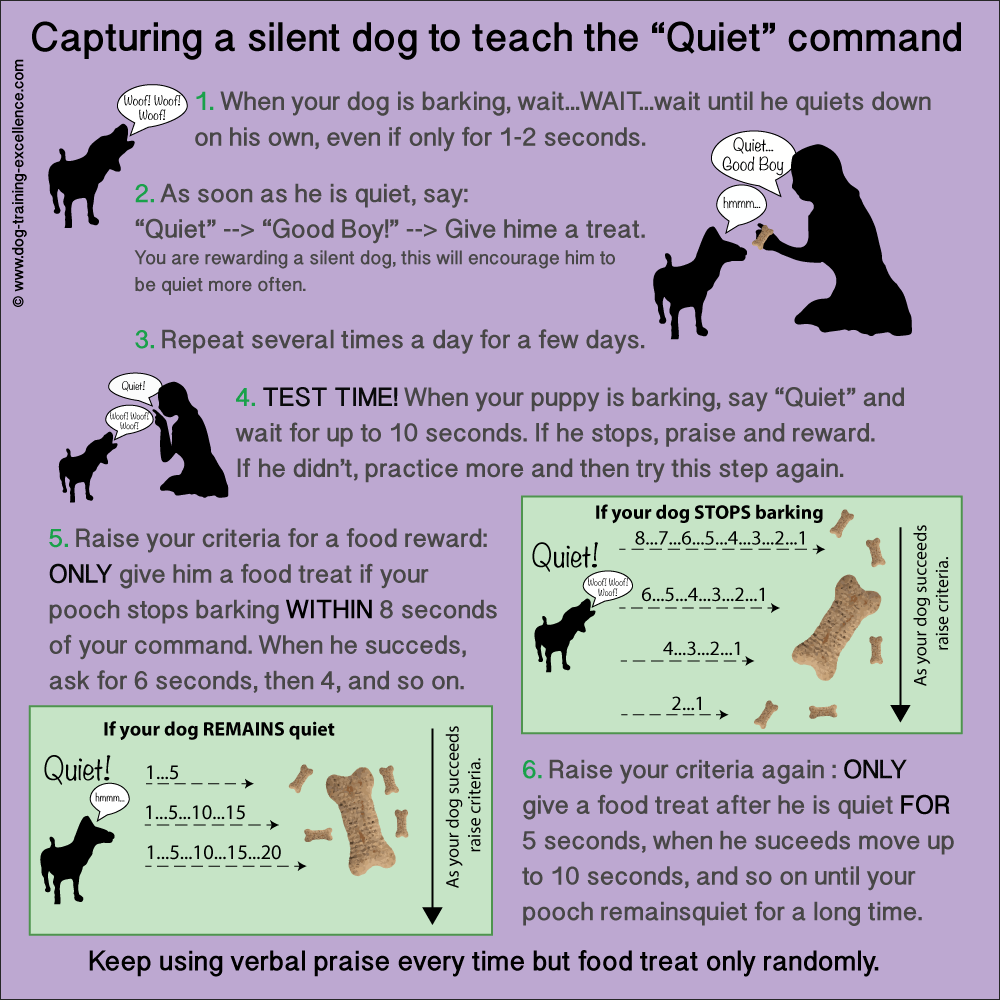
3. Reward calm noticing
When your dog sees a person, say a calm marker such as “yes” and give a small, tasty treat. Deliver the treat while the person is still visible.
Over time, your dog can learn this pattern:
-
A person appears.
-
The dog looks at the person.
-
The dog looks back at you.
-
The dog receives a reward.
This changes the emotional meaning of the trigger. The person no longer predicts danger or frustration. The person predicts good things and a chance to check in with you.
4. Teach an alternative behavior
Do not only tell your dog what not to do. Teach a behavior that can replace barking.
Useful choices include:
• “Look at me”
• “Place”
• “Touch,” where the dog touches your hand with its nose
• “Find it,” where the dog searches for treats on the floor
• Walking to a mat
Practice these skills when no one is passing. Then use them at a low level of distraction.
5. Use short training sessions
Start with sessions of two to five minutes. End while your dog is still successful.
Long sessions can lead to frustration. Several calm sessions each day are usually more helpful than one difficult session each week.
What not to do when your dog barks
Some common responses can increase stress or make the behavior less predictable. Avoid methods that rely on fear, pain, or confusion.
Do not yell
Yelling may sound like barking to your dog. It can also add excitement to an already intense moment.
Use a calm voice, guide your dog away from the window, and reward quiet behavior after the trigger has passed.
Do not punish warning signals
Growling, barking, and stiff posture are important information. Punishing these signals may stop the noise for a moment, but it does not always change the dog’s feelings.
A dog that no longer growls may still feel afraid. In some cases, it may skip the warning and move to a snap or bite.
Do not force greetings
Never push a fearful dog toward a stranger. Forced contact can confirm the dog’s belief that people are unsafe.
Let your dog choose whether to approach. A calm dog should be able to move away at any time.
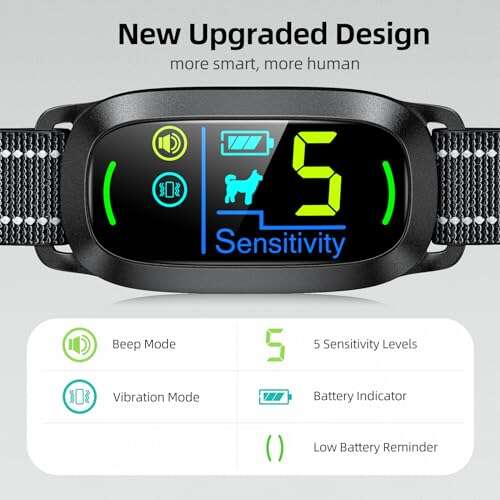
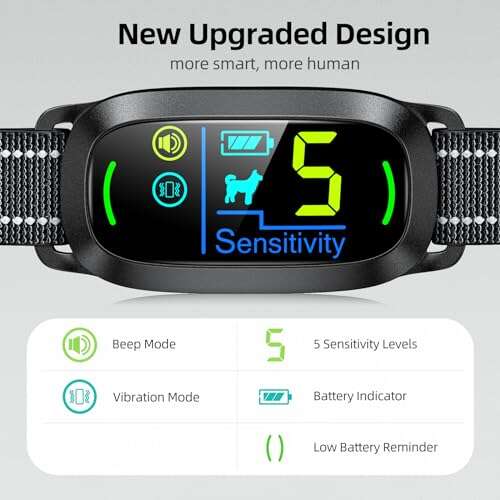
Do not use shock or harsh tools without professional guidance
Aversive tools can create fear and may worsen reactions around people. Major veterinary and animal behavior groups support reward-based training because it teaches skills without adding pain or fear.
If your dog is difficult to control or has shown aggression, work with a certified trainer or veterinary behaviorist who uses humane methods.
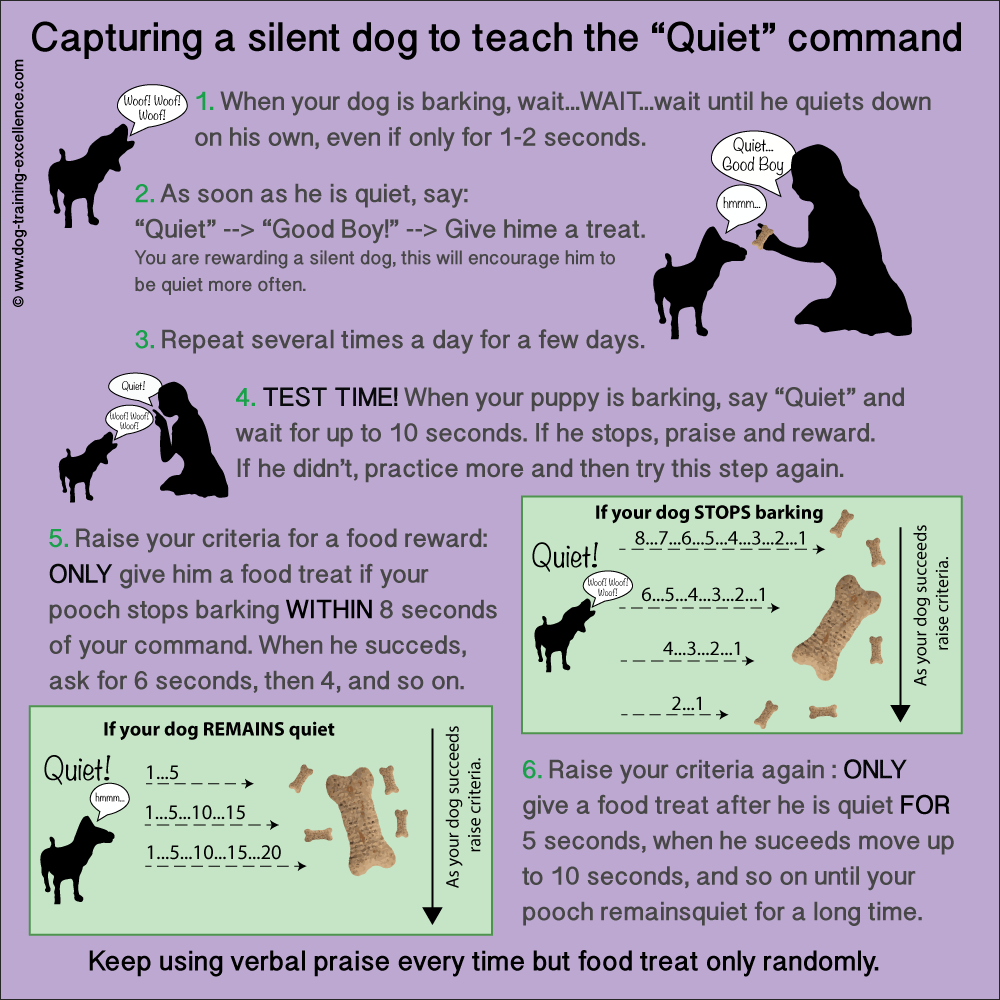
A practical training plan for home and walks
A clear routine makes training easier for both you and your dog.
At home
-
Identify the busiest barking times.
-
Block part of the view before barking begins.
-
Keep treats near the window or door.
-
Reward your dog for noticing a person quietly.
-
Ask for a simple behavior, such as “look at me.”
-
Give your dog a chew, food puzzle, or rest period afterward.
On walks
-
Scan ahead for people, runners, bikes, and dogs.
-
Create space before your dog reacts.
-
Feed small treats as the person passes.
-
Turn away if your dog becomes tense.
-
Practice again from a greater distance.
-
Gradually reduce the distance over several sessions.
Progress is rarely perfectly straight. Your dog may do well one day and bark the next. Weather, fatigue, pain, noise, and a stressful event can affect behavior.
Personal lessons from behavior training
One of the most useful lessons in dog behavior work is that timing matters more than many owners expect. People often wait until the dog is barking hard, then offer a treat. At that point, the dog may be too upset to learn.
The better approach is to reward the first quiet glance. That small moment may last only one second, but it is the doorway to calm behavior.
Another common mistake is trying to train too close to the trigger. A dog cannot learn well while overwhelmed. Moving away is not giving in; it is creating the conditions needed for learning.
I also encourage owners to keep a simple behavior log. Record the time, trigger, distance, body language, and recovery time. Patterns often become clear within a week, and those details can help a veterinarian or behavior professional build a safer plan.

When to ask for professional help
Some barking problems need more than basic training. Contact a qualified professional if your dog:
• Has bitten or tried to bite
• Lunges hard at people
• Cannot calm down after the person leaves
• Guards windows, doors, or fences
• Shows severe fear
• Suddenly changes behavior
• Barks for long periods despite management
Start with your veterinarian, especially when the behavior is new or intense. A veterinarian can check for health issues and refer you to a veterinary behaviorist if needed.
Look for a trainer with recognized education, humane methods, and experience with reactivity or aggression. Ask what tools and techniques they use before booking a session.

How long does it take to reduce barking?
Some dogs improve within a few weeks, while others need several months of steady practice. The timeline depends on the cause, the dog’s history, the trigger distance, and how often the dog rehearses barking.
You may notice small changes first. Your dog may recover faster, bark fewer times, or look at you sooner. These are meaningful signs of progress, even if the barking has not stopped completely.
Avoid promises of a perfect cure. Dogs may always alert you to unusual sounds or people. A realistic goal is a dog that can notice a passerby, stay safe, and return to calm behavior.
Frequently Asked Questions
Why does my dog bark at people walking by the window?
Your dog may feel territorial, excited, fearful, or frustrated by the barrier. The window gives your dog a clear view but no way to investigate, which can increase the reaction.
Why does my dog bark at people walking by but not at people inside the house?
People inside the house are familiar and already accepted as part of the environment. Passersby appear suddenly, move away quickly, and may seem like visitors near your dog’s territory.
Should I ignore my dog when it barks at people walking by?
Ignoring the barking alone may not solve the cause. Block the view, calmly guide your dog away, and reward quiet behavior so your dog learns what to do instead.
Is my dog aggressive if it barks at strangers?
Not necessarily. Barking can come from fear, excitement, frustration, or alertness. However, stiff posture, lunging, growling, snapping, or biting should be treated seriously with professional guidance.
Can exercise stop my dog from barking at passersby?
Exercise can help if boredom or excess energy contributes to the behavior. It works best when combined with trigger management, reward-based training, rest, and mental enrichment.
Should I let my dog greet people who walk by?
Only if your dog is relaxed and the person agrees. Do not allow greetings when your dog is barking, lunging, hiding, or showing signs of fear.
Conclusion
If you are still wondering, “why does my dog bark at people walking by,” focus on the feeling behind the behavior. Your dog may be guarding its space, asking for attention, reacting to fear, feeling excited, or simply repeating a habit that has worked before.
Watch body language, reduce visual triggers, reward calm moments, and teach a useful alternative behavior. Avoid yelling and punishment, and get professional help when the reaction is intense or unsafe. Start with one small training session today, then share your progress with your veterinarian, trainer, or fellow dog owners for continued support.

Pet Care Writer & Researcher
Daniel writes practical guides on daily care, feeding, and safety, turning complex topics into simple, actionable advice.