What Is The Most Nutritious Food For Dogs: Best Choices
Learn what is the most nutritious food for dogs, from balanced diets to wholesome ingredients that support energy, digestion, and long-term health.
The most nutritious food for dogs is a complete, balanced diet with quality protein, healthy fats, fiber, vitamins, and minerals.
Many pet parents ask, “what is the most nutritious food for dogs?” The best answer is not one magic ingredient. It is a safe, complete, and balanced diet that matches your dog’s age, size, health, and activity level. This guide explains how to choose that diet, which foods help most, what foods to avoid, and how to feed your dog with confidence.

What Is the Most Nutritious Food for Dogs?
The most nutritious food for dogs is a complete and balanced dog food made for their life stage. It should provide the right amounts of protein, fat, carbohydrates, vitamins, and minerals. This balance matters more than whether the food is dry, canned, fresh, or homemade.
Dogs need more than meat alone. Meat can supply protein, but it may not provide enough calcium, iodine, zinc, vitamin D, or other key nutrients. A diet that looks healthy can still cause problems if it lacks one or more essential nutrients.
Look for a nutritional statement on the package. In the United States, a food labeled “complete and balanced” should meet standards set for a specific life stage, such as:
• Growth and reproduction
• Adult maintenance
• All life stages
The label should also list feeding directions and the food’s calorie content. These details help you compare products and prevent overfeeding.
When people ask what is the most nutritious food for dogs, I often explain it this way: the ideal meal is like a well-built house. Protein forms the frame, fats provide energy, fiber supports the gut, and vitamins and minerals keep the whole structure strong.
Why Complete and Balanced Nutrition Matters
A dog can appear healthy while slowly developing a nutrient shortage. Dull fur, poor muscle tone, weak bones, digestive problems, and low energy may all have many causes. Diet is one factor that should never be ignored.
A complete diet should contain the following nutrients.
Protein
Protein supports muscles, skin, hair, enzymes, hormones, and immune function. Good sources include chicken, turkey, beef, fish, eggs, lamb, and carefully selected plant proteins.
Dogs do not always need the highest possible protein level. They need enough high-quality protein that they can digest and use. Puppies, pregnant dogs, working dogs, and senior dogs may have different needs.
Healthy fats
Fat is a concentrated source of energy. It also helps the body absorb vitamins A, D, E, and K. Omega-3 fatty acids from fish oil or certain fish can support the skin, coat, joints, and normal immune function.
Too much fat may cause weight gain or stomach upset. Dogs with a history of pancreatitis may need a low-fat diet recommended by a veterinarian.
Carbohydrates and fiber
Carbohydrates can provide energy and help food hold its shape. Healthy sources may include rice, oats, barley, potatoes, sweet potatoes, and peas.
Fiber supports regular bowel movements and healthy gut bacteria. Pumpkin, green beans, carrots, and beet pulp are common fiber sources in dog foods. However, excessive fiber can reduce calorie and nutrient absorption.
Vitamins and minerals
Calcium and phosphorus help build bones and teeth. Zinc supports the skin and immune system. Iron helps carry oxygen in the blood. Vitamin A supports vision and immune health.
These nutrients must be balanced. Adding random supplements to a complete food can create excesses. For example, too much calcium may harm growing puppies, while too much vitamin D can be toxic.

The Best Foods to Include in a Dog’s Diet
When considering what is the most nutritious food for dogs, focus on the whole diet first. You can then use safe whole foods as small additions or treats.
Animal proteins
Lean, cooked animal proteins can be useful toppers or training rewards. Examples include:
• Plain cooked chicken
• Lean turkey
• Cooked beef with visible fat removed
• Fully cooked eggs
• Sardines packed in water
• Plain cooked salmon
Remove bones, heavy seasoning, sauces, and excess fat. Never feed cooked bones because they can splinter and injure the mouth or digestive tract.
Dog-safe vegetables
Vegetables can add moisture, texture, and fiber without many calories. Good choices include:
• Carrots
• Green beans
• Cucumber
• Zucchini
• Plain pumpkin
• Broccoli in small amounts
• Cooked sweet potato
Cut food into pieces that suit your dog’s size. A large chunk can become a choking hazard, especially for small dogs or fast eaters.
Fruit in small portions
Fruit contains natural sugar, so it should remain an occasional treat. Safe options include:
• Blueberries
• Apple slices without seeds or core
• Strawberries
• Seedless watermelon
• Banana in small amounts
Grapes and raisins are unsafe and may cause sudden kidney injury. Avoid them completely.
Water
Fresh water is one of the most important parts of canine nutrition. A dog may eat an excellent diet but still become unwell without enough water.
Place clean water in more than one easy-to-reach spot. Dogs eating dry food may need to drink more than dogs eating canned food because dry food contains less moisture.

Dry Food, Wet Food, Fresh Food, or Homemade Meals?
There is no single format that is best for every dog. The most nutritious food for dogs is the food that is complete, balanced, safe, suitable for the dog, and fed in the right amount.
Dry dog food
Dry food is convenient, easy to measure, and often less expensive. It can also be useful for food puzzles and training.
Its main limitation is low moisture. Some dry foods are also calorie-dense, which makes overfeeding easy.
Wet dog food
Canned food has a high water content and may be easier for dogs with dental pain or low appetite. Many dogs enjoy its smell and soft texture.
Wet food can cost more after opening. It should be stored safely in the refrigerator and discarded according to the package directions.
Fresh or refrigerated food
Fresh foods may be appealing because they often contain visible whole-food ingredients. They can work well when the recipe is complete and balanced for your dog’s life stage.
Do not assume that “fresh” means nutritionally complete. Always check the label and feeding statement.
Homemade dog food
Homemade meals can be appropriate in some cases, but they require careful formulation. Meat, rice, and vegetables alone usually do not meet all canine nutrient needs.
If you want to prepare a long-term homemade diet, ask a board-certified veterinary nutritionist to create or review the recipe. Small changes in ingredients can change the calorie, calcium, and vitamin content.
How to Read a Dog Food Label
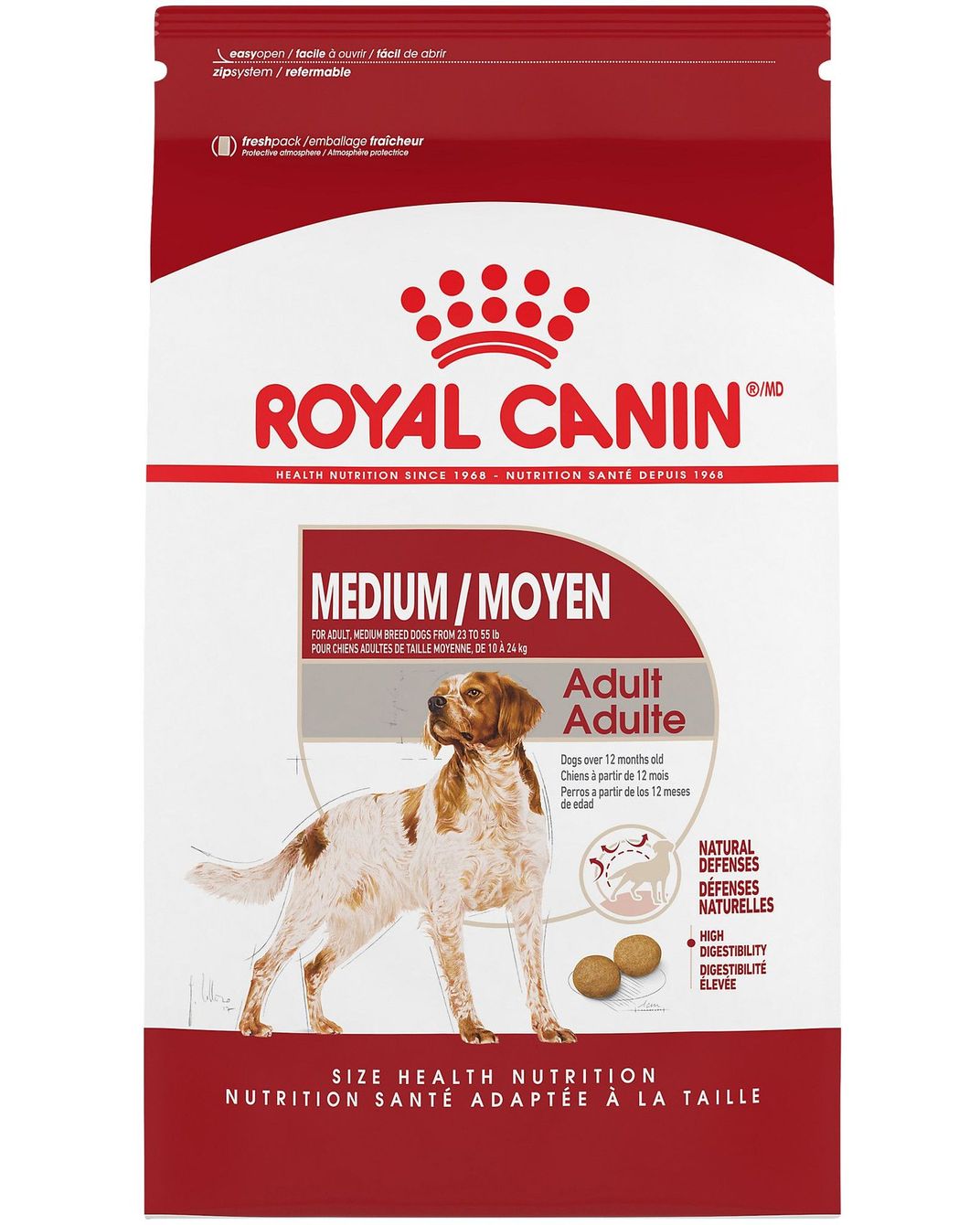
A label can help you decide what is the most nutritious food for dogs without relying only on marketing words. Focus on evidence, not attractive pictures or claims such as “natural,” “premium,” or “holistic.”
Check these parts of the package:
-
The nutritional adequacy statement
Confirm that the food is complete and balanced for your dog’s life stage. -
The intended life stage
Puppy food, adult food, and senior food do not always have the same nutrient profile. -
The calorie content
Compare calories per cup, can, pouch, or gram. Feeding amounts can vary widely between brands. -
The ingredient list
Ingredients appear by weight before cooking. The first few ingredients can offer useful clues, but the list alone does not prove that a food is balanced. -
The manufacturer’s quality information
Look for clear contact details and answers about testing, formulation, and quality control. -
The feeding guide
Use it as a starting point, then adjust based on body condition, weight changes, and veterinary advice.
A food does not need to contain expensive ingredients to be nutritious. A simple formula made with reliable testing can be a better choice than a trendy food with a long ingredient list.

How Much Food Should Your Dog Eat?
Portion size is just as important as food quality. Even the most nutritious food for dogs can lead to obesity if your dog eats too much.
Start with the package feeding guide. Then consider your dog’s:
• Current weight
• Ideal body condition
• Age
• Breed size
• Activity level
• Neuter or spay status
• Health conditions
• Treat intake
Keep treats to about 10% or less of daily calories when possible. The remaining 90% should come from a complete and balanced diet.
You should be able to feel your dog’s ribs under a thin layer of fat. From above, your dog should have a visible waist. From the side, the belly should tuck upward behind the ribs.
Weigh your dog every few weeks during a diet change. Small gains can become large gains over time. Measuring food with a kitchen scale is often more accurate than using a cup, especially for small dogs.
A lesson I have seen repeatedly is that loving owners often overfeed because the bowl looks too empty. Dogs do not judge a meal by how full the bowl appears. They need the right calories for their body.

Foods Dogs Should Never Eat
Knowing what is the most nutritious food for dogs also means knowing which foods are dangerous. Some human foods can cause serious illness even in small amounts.
Keep these foods away from dogs:
• Chocolate and cocoa
• Grapes and raisins
• Onions, garlic, leeks, and chives
• Xylitol, also called birch sugar
• Alcohol
• Caffeine
• Macadamia nuts
• Raw yeast dough
• Cooked bones
• Very fatty foods
• Foods covered in salt or spices
Xylitol may be found in sugar-free gum, candy, toothpaste, baked goods, and some medications. It can cause a dangerous drop in blood sugar and liver injury.
If your dog eats a toxic food, do not wait for symptoms. Contact your veterinarian or a pet poison service at once. Do not make your dog vomit unless a professional tells you to do so.

Choosing Food for Puppies, Adults, and Senior Dogs
Nutritional needs change throughout a dog’s life. The most nutritious food for dogs depends partly on their current age and development.
Puppies
Puppies need enough energy, protein, calcium, and other nutrients for growth. Large-breed puppies need special control of calories and minerals because rapid growth can harm developing bones and joints.
Choose a food labeled for growth or all life stages. Follow portion guidance closely, and avoid adding calcium unless your veterinarian prescribes it.
Adult dogs
Adult dogs need food that supports a stable body weight, strong muscles, and normal daily activity. A healthy adult dog may do well on a standard maintenance diet.
Active dogs may need more calories, while less active dogs may need a weight-control formula. Watch body condition rather than feeding by habit.
Senior dogs
Older dogs do not all need the same diet. Some need fewer calories, while others lose weight and need more energy or a more appealing food.
Senior dogs may also develop kidney disease, arthritis, dental pain, or other conditions. A veterinarian can recommend a diet based on blood tests and the dog’s medical history.

Nutrition for Dogs With Health Problems
Some dogs need more than a general healthy diet. Medical nutrition should be guided by a veterinarian.
Dogs with kidney disease may need controlled phosphorus and carefully managed protein. Dogs with diabetes may benefit from a consistent feeding schedule and a diet chosen for their condition.
Dogs with food allergies may need a strict elimination diet or a prescription hydrolyzed-protein diet. Randomly switching foods or adding treats can make diagnosis much harder.
Dogs with urinary problems, obesity, pancreatitis, or heart disease may also need special diets. Do not use a therapeutic food for another condition without professional advice.
One mistake I would urge owners to avoid is changing food every few days because a dog seems picky. Frequent changes can cause diarrhea and make it difficult to identify the real problem. Change foods slowly over seven to ten days unless your veterinarian recommends a different plan.
How to Change Your Dog’s Food Safely
A gradual transition can reduce vomiting, diarrhea, and refusal to eat.
- Days 1 and 2: Feed about 75% old food and 25% new food.
- Days 3 and 4: Feed about 50% old food and 50% new food.
- Days 5 and 6: Feed about 25% old food and 75% new food.
- Day 7: Feed the new food if your dog is doing well.
Some dogs need a slower change over two weeks. Watch for loose stool, vomiting, gas, itching, or a loss of appetite.
If symptoms are severe, continue, or include blood, weakness, repeated vomiting, or dehydration, call your veterinarian. A food change should not be used to explain away signs of illness.
Common Mistakes Pet Parents Make
Even careful owners can make nutrition mistakes. These are common problems I have seen in everyday feeding routines.
• Feeding based on the bowl size rather than calorie needs
• Giving too many treats during training
• Adding several supplements without veterinary advice
• Assuming grain-free food is automatically healthier
• Feeding raw meat without understanding infection and nutrient risks
• Using internet recipes that lack calcium or essential vitamins
• Changing food too quickly
• Ignoring dental pain or swallowing problems
• Choosing food based only on the ingredient list
• Failing to adjust portions after weight gain or weight loss
A complete commercial diet is not the only good choice. It is simply one of the easiest ways to provide consistent nutrition when the product is properly formulated and safely made.
Raw diets also have limitations. Raw meat can carry bacteria such as Salmonella and E. coli, and unbalanced raw diets may cause nutrient deficiencies. These risks can affect both pets and people in the home, especially children, older adults, pregnant people, and those with weak immune systems.
A Simple Daily Nutrition Plan
A practical feeding routine can make healthy nutrition easier.
• Choose a complete and balanced food for your dog’s life stage.
• Measure each meal instead of guessing.
• Split daily food into two meals if that suits your dog.
• Keep fresh water available.
• Use small portions of safe foods as treats.
• Keep treats within about 10% of daily calories.
• Check body condition every month.
• Make food changes slowly.
• Review your dog’s diet during yearly veterinary visits.
• Ask for professional advice if your dog has a medical condition.
If you are still wondering what is the most nutritious food for dogs, start with your dog rather than the marketing label. A food that supports a healthy weight, firm stool, bright behavior, and a good coat is often working well.
Frequently Asked Questions About What Is the Most Nutritious Food for Dogs
What is the most nutritious food for dogs?
The most nutritious food for dogs is a complete and balanced diet that fits their life stage, health, size, and activity level. It may be dry, wet, fresh, or properly formulated homemade food.
Is meat the healthiest food for dogs?
Meat is a valuable protein source, but meat alone is not a complete diet. Dogs also need balanced amounts of fat, calcium, vitamins, minerals, and other nutrients.
Are eggs good for dogs?
Fully cooked eggs can be a nutritious treat for many dogs. Serve them plain, without butter, salt, onion, or seasoning, and keep portions small.
Should dogs eat grain-free food?
Most dogs can digest grains such as rice, oats, and barley. Grain-free food is not automatically healthier, and it should be chosen only for a clear medical or dietary reason discussed with a veterinarian.
Can dogs eat homemade food every day?
Dogs can eat homemade food every day only when the recipe is complete and balanced. A veterinary nutritionist should formulate long-term homemade diets to reduce the risk of nutrient deficiencies.
How many treats can a dog have each day?
Treats should usually provide no more than about 10% of a dog’s daily calories. Reduce meal portions slightly when treats add extra calories.
Is wet food better than dry food for dogs?
Neither is always better. Wet food adds moisture and may suit dogs with dental or appetite issues, while dry food is convenient and easy to measure; the key is nutritional balance and portion control.
Conclusion
The answer to what is the most nutritious food for dogs is a complete and balanced diet served in the right amount. Choose food for your dog’s age, health, activity, and body condition, then use safe whole foods as small additions rather than replacements.
Read the nutritional statement, measure portions, avoid toxic foods, and change diets slowly. Your veterinarian can help when your dog has allergies, weight concerns, digestive symptoms, or another health issue.
Start by reviewing your dog’s current food and daily portions today. Then discuss any needed changes with your veterinarian, and share your experience or questions in the comments.

Pet Care Writer & Researcher
Daniel writes practical guides on daily care, feeding, and safety, turning complex topics into simple, actionable advice.