How Long Can Dogs Bark For Before They Get Tired: Facts
How long can dogs bark for before they get tired? Learn what affects barking stamina, when to worry, and practical ways to help your dog settle.
Most dogs can bark for minutes to hours, but fatigue depends on health, stress, breed, and motivation.
Knowing how long can dogs bark for before they get tired is not as simple as setting a timer. A dog may bark in short bursts, rest, and start again for hours. The cause of the barking, the dog’s age, health, voice, and surroundings all shape the answer. This guide explains what barking does to a dog’s body, when it becomes unsafe, and how to reduce nonstop barking in a kind, practical way.
How long can dogs bark for before they get tired?
There is no fixed time limit for barking. Some dogs tire after 10 to 20 minutes of loud barking. Others may continue on and off for several hours, especially when they are guarding a home, reacting to noise, or feeling anxious.
A dog may not bark at full strength the whole time. Many dogs pause to breathe, sniff, listen, or rest their throat. This stop-and-start pattern allows them to keep barking much longer than a person might expect.
In general:
• Short barking bursts may last a few seconds to several minutes.
• Continuous loud barking may cause tiredness within 30 minutes to a few hours.
• Intermittent barking can continue for much of the day.
• Severe stress may drive a dog to bark despite signs of fatigue.
The answer to how long can dogs bark for before they get tired also depends on the dog’s physical condition. A fit adult dog may have more stamina than a young puppy, senior dog, or dog with heart or breathing problems.

Why some dogs bark for hours
Barking is a form of communication. Dogs bark to alert, invite play, show fear, seek attention, protect space, or release tension. If the cause remains, the barking may continue.
Common reasons include:
Alarm barking
A dog may bark at people, animals, cars, doorbells, or sounds outside. Guarding breeds often stay alert for long periods. Each new sound can restart the barking cycle.
Separation anxiety
Dogs with separation anxiety may bark, howl, pace, scratch doors, or destroy objects when left alone. This is not simple disobedience. It is a distress response, and punishment often makes it worse.
Boredom and excess energy
A dog with too little exercise or mental activity may bark because the day feels empty. Barking can become a self-rewarding habit, much like tapping your foot when you feel restless.
Attention seeking
If barking leads to food, eye contact, play, or a person opening the door, the dog may learn that barking works. Even yelling can reward the behavior because the dog receives attention.
Fear or frustration
A dog behind a fence may bark at another dog because it wants to approach but cannot. This is called barrier frustration. Fearful dogs may bark to make something scary move away.
Pain or illness
A sudden change in barking can signal pain, confusion, hearing loss, or another health issue. Older dogs may vocalize more because of canine cognitive dysfunction or nighttime confusion.
Understanding the cause is more useful than counting minutes. The answer to how long can dogs bark for before they get tired changes when the dog is barking from fear instead of excitement.

What happens to a dog’s body during prolonged barking?
Barking uses the muscles of the chest, throat, mouth, and abdomen. It also raises the dog’s heart rate and breathing rate. Long periods of barking can be tiring, much like repeated shouting is tiring for people.
A dog may develop:
• A hoarse, raspy, or weak bark
• Coughing or throat irritation
• Heavy panting
• Drooling
• Muscle fatigue
• Dehydration
• Increased stress
• Reduced appetite or energy
A tired dog may lie down but continue barking from that position. This does not always mean the dog is comfortable. Stress hormones can keep a dog active even when the body needs rest.
Dogs also cool themselves mainly by panting. If barking happens in hot or humid weather, the combined strain of barking and panting can raise the risk of overheating. Flat-faced breeds, such as Pugs, Bulldogs, and French Bulldogs, may struggle sooner because their airways are already less efficient.
This is why how long can dogs bark for before they get tired should never be treated as a safe endurance challenge. A dog can become distressed before it becomes quiet.
 prolonged barking?”
style=”max-width: 100%; height: auto; border: 2px solid black; border-radius: 10px; display: block; margin: 0 auto;”
loading=”lazy”
/>
Signs your dog is tired from barking
Fatigue can appear slowly. Watch the whole body, not just the sound of the bark.
Signs may include:
• Frequent pauses
• Slower movement
• Lying down while vocalizing
• Heavy or rapid panting
• A rough or quiet bark
• Drooling more than usual
• Red or pale gums
• Weakness or wobbling
• Less interest in food, play, or people
• Trouble settling after the trigger is gone
A hoarse bark often means the vocal tissues are irritated. It does not prove that the dog is dangerously tired, but it is a reason to stop the barking cycle and allow quiet rest.
Seek urgent veterinary care if your dog has trouble breathing, collapses, vomits repeatedly, has blue or gray gums, seems confused, or cannot cool down. Heatstroke and breathing problems can become life-threatening quickly.
Never force a dog to keep barking to find out how long can dogs bark for before they get tired. There is no useful lesson in pushing an animal to exhaustion.

Factors that affect barking endurance
Dogs vary widely. Two dogs of the same breed may have very different barking patterns and stamina.
Age
Puppies may bark often because they are learning about the world. Their bodies are still developing, so they may tire quickly but recover fast. Senior dogs may bark for medical or cognitive reasons and may not have the stamina of a healthy adult.
Breed and body shape
Some breeds were developed to alert, guard, herd, or hunt. They may be more vocal or more persistent. Small dogs are not always quieter, and large dogs are not always louder. Body shape and breathing ability matter more than size alone.
Health
Heart disease, lung disease, obesity, pain, throat problems, and anxiety can change barking endurance. A dog that suddenly barks much longer or shorter than normal should receive a health check.
Weather
Heat and humidity increase panting and fluid loss. Cold weather may also cause discomfort, especially for dogs with thin coats or joint pain.
Environment
A busy street, shared apartment wall, wildlife, or constant hallway noise can keep restarting the barking. A calm room may reduce it without any training at all.
Motivation
A dog barking at a real threat may persist longer than a dog barking during a brief play session. Strong emotion often matters more than physical fitness.
These factors explain why how long can dogs bark for before they get tired cannot be answered with one number for every dog.

Is nonstop barking harmful to dogs?
Occasional barking is normal and healthy. Nonstop or repeated barking can become harmful when it causes stress, sleep loss, overheating, dehydration, or throat irritation.
Long-term stress may affect a dog’s behavior and health. A constantly alert dog may become more reactive, restless, or difficult to settle. It may also sleep poorly, which can increase irritability.
Barking itself does not usually damage a healthy dog after one short event. The concern is repeated, intense barking without enough rest, water, or relief from the trigger.
The risk is greater when the dog is:
• Outside in hot weather
• Barking behind a barrier
• Left alone with separation anxiety
• Very young or elderly
• Overweight
• Flat-faced
• Living with heart or breathing disease
• Showing panic or physical distress
A dog’s voice may recover after rest, but persistent hoarseness should be checked by a veterinarian. Throat irritation can have causes beyond barking, including infection, allergies, foreign material, or airway disease.

How to stop a dog from barking for long periods
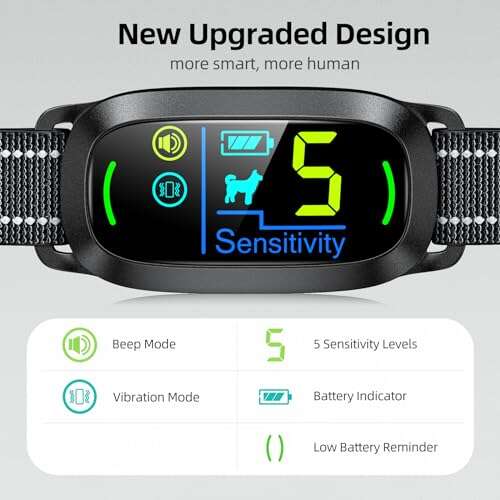
The best solution starts with the reason for the barking. A bark collar or punishment may suppress sound, but it does not teach the dog how to feel safe or what to do instead.
Try these steps:
-
Identify the trigger. Note when the barking starts, what the dog sees or hears, and how long it lasts.
-
Reduce exposure. Close blinds, use white noise, move the dog away from the window, or create a quiet resting area.
-
Meet daily needs. Provide walks, sniffing time, play, training, food puzzles, and safe social contact.
-
Reward quiet behavior. Give a treat or calm praise during brief moments of silence.
-
Teach an alternative cue. Train “quiet,” “place,” or “look at me” with rewards.
-
Keep sessions short. Practice before the dog becomes highly excited.
-
Avoid yelling. Many dogs hear yelling as more barking, which can increase the noise.
-
Consult a professional. A certified positive reinforcement trainer or veterinary behaviorist can help with difficult cases.
For separation anxiety, record your dog when you leave. Some dogs bark for five minutes and then settle. Others remain distressed for hours. A professional behavior plan may include gradual absences and, when needed, medication prescribed by a veterinarian.
A useful lesson from real-world behavior cases is that owners often wait too long before changing the setup. Moving a dog away from a front window can prevent hundreds of barking episodes each day. Training works better when the dog is calm enough to learn.

How to calm a barking dog safely
First, check for danger. Make sure the dog has water, shade, fresh air, and a safe temperature. Look for signs of injury, illness, panic, or a trapped collar.
Then lower stimulation:
• Speak in a calm voice.
• Guide the dog to a quiet room.
• Block views of people, animals, or traffic.
• Offer a familiar bed or mat.
• Use gentle background sound.
• Give a safe chew or food puzzle if the dog can eat calmly.
Do not grab a fearful dog, pin it down, or force it to stop. A frightened dog may bite when it feels trapped. Give it space and use barriers when needed.
If a dog has been barking for a long time, offer water and a chance to rest. Avoid intense exercise right away, especially in warm weather. The goal is to lower arousal, not replace barking with another form of physical strain.

When to call a veterinarian or behavior expert
Call your veterinarian when barking is sudden, extreme, or linked to physical changes. Medical problems can look like behavior problems.
Arrange an appointment if your dog:
• Develops a hoarse bark
• Coughs or gags
• Pants heavily at rest
• Shows pain
• Barks more at night
• Seems confused
• Has changes in hearing or vision
• Becomes aggressive or unusually fearful
• Cannot settle when alone
A veterinary behaviorist is especially helpful when anxiety, reactivity, aggression, or compulsive barking is involved. Your veterinarian may also check the heart, lungs, throat, pain level, and cognitive health.
Behavior assessments have limits. A short video can help, but it cannot replace an in-person exam. Record the setting, trigger, duration, body language, and recovery time to give the professional a clear picture.

How to track your dog’s barking
A simple log can reveal patterns that are hard to notice in the moment.
Write down:
• Date and time
• Location
• Trigger
• Type of bark
• Length of each episode
• What stopped it
• Your dog’s body language
• Weather and temperature
• Food, exercise, and sleep that day
For example, you may learn that your dog barks from 7:00 to 8:00 a.m. when delivery trucks arrive. That finding gives you a clear training target. You might use window film, background sound, treats for quiet behavior, and a morning enrichment activity.
Tracking also helps answer how long can dogs bark for before they get tired in your dog’s specific case. It replaces guesswork with useful evidence.
Frequently Asked Questions About How Long Can Dogs Bark for Before They Get Tired
Can a dog bark all night?
A dog can bark on and off throughout the night, but this does not mean it is healthy or comfortable. Night barking may result from fear, outside noises, loneliness, pain, or cognitive changes, so the cause should be investigated.
How long can a dog bark continuously?
Some dogs may bark continuously for several minutes, while others may continue for 30 minutes or longer before taking a real break. There is no safe universal limit because heat, health, stress, and breathing ability change the risk.
Do dogs lose their voice from barking?
Yes, repeated barking can make a dog’s bark weak, raspy, or hoarse. If the voice does not return after rest or if coughing and breathing trouble occur, contact a veterinarian.
Will a tired dog eventually stop barking?
A tired dog may stop, but exhaustion is not a safe or reliable training method. Dogs driven by fear or anxiety may continue barking even when physically tired.
Should I ignore my dog’s barking?
Ignoring attention-seeking barking can help when the dog is safe and the behavior is mild, but it is not right for every case. Do not ignore signs of pain, panic, overheating, separation anxiety, or a medical problem.
Can barking hurt a dog’s throat?
Frequent, intense barking may irritate the throat and vocal tissues. Rest, water, and removal of the trigger can help, but ongoing hoarseness needs veterinary advice.
Are bark collars safe?
Bark collars may stop sound without treating the reason for barking. They can increase fear or stress in some dogs, so reward-based training and professional guidance are safer first choices.
Conclusion
How long can dogs bark for before they get tired depends on the dog, the trigger, the environment, and overall health. A dog may tire after minutes of intense barking or continue on and off for hours. Quiet pauses do not always mean the dog is calm, so watch for panting, hoarseness, weakness, panic, and overheating.
Start by finding the cause, reduce the trigger, reward calm behavior, and seek veterinary help when barking changes suddenly or comes with physical signs. Track your dog’s episodes for a week, then use that information to build a kinder plan. Share your experience with a trainer or veterinarian, and explore trusted behavior resources for the next step.

Pet Care Writer & Researcher
Daniel writes practical guides on daily care, feeding, and safety, turning complex topics into simple, actionable advice.