Why Do Dogs Like Raised Beds: Key Benefits
Why do dogs like raised beds? Learn how they improve comfort, airflow, support, and relaxation, plus tips for choosing the right bed.
Dogs like raised beds because they offer comfort, airflow, support, cleanliness, and a safe view.
If you have watched your dog choose a raised cot over a soft blanket, you have seen this preference firsthand. Understanding why do dogs like raised beds involves canine comfort, body support, temperature control, cleanliness, and natural sleeping instincts. This guide explains the benefits, limits, and best ways to choose a raised bed for your dog.
Why do dogs like raised beds?
Dogs like raised beds for several simple reasons. The bed lifts them off the cold, hot, damp, or dirty floor. It also gives air space under the body, which can help them stay cooler.
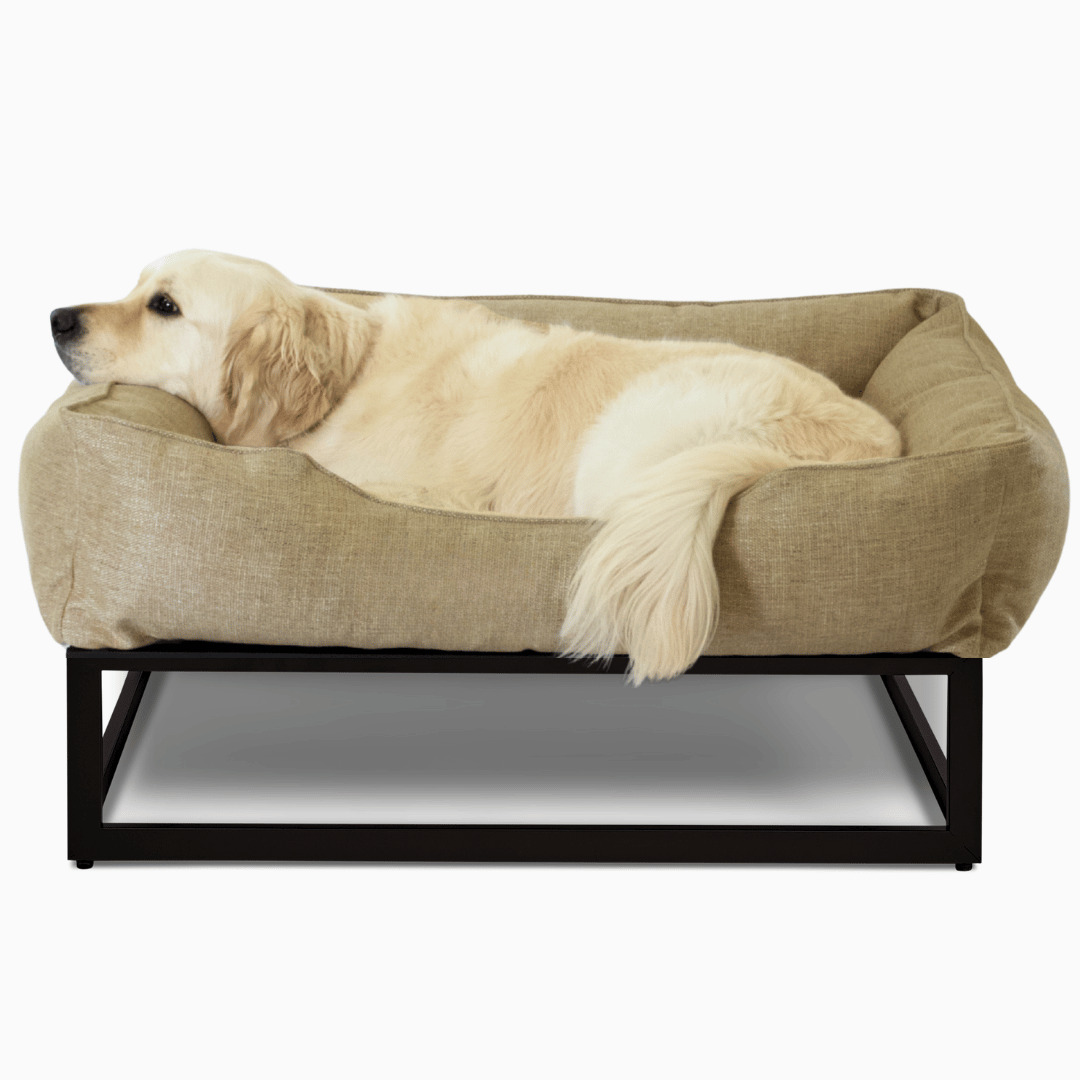
A raised dog bed usually has a firm fabric surface stretched over a frame. This design feels different from a plush bed. It supports the body without trapping as much heat.
Here are the main reasons dogs enjoy raised beds:
• Better airflow: Air can move under the dog and around the body.
• Gentle support: The fabric spreads body weight across the sleeping surface.
• A clear view: Many dogs like resting where they can watch the room.
• Cleaner rest: The bed stays above dust, spills, and small bits of debris.
• Easy movement: Dogs can step onto and off the bed without sinking into deep padding.
In simple terms, a raised bed can feel like a cool, clean lookout. It gives a dog comfort without making the dog feel hidden or stuck.

The comfort and support of a raised dog bed
Support is one of the strongest answers to why do dogs like raised beds. A good cot supports the chest, belly, hips, and legs while allowing the dog to change position.
The surface is often firm but flexible. This can suit dogs that do not enjoy sinking into thick foam. Some dogs also find it easier to stand up from a raised cot than from a soft bed on the floor.
This feature may help older dogs, but it is not a cure for joint disease. A dog with arthritis, hip dysplasia, or back pain may need a veterinary exam and a carefully chosen orthopedic mattress.
How raised beds support different sleeping styles
Dogs sleep in many positions. They may curl up, stretch out, lie on their side, or rest on their stomach. A strong raised bed should allow these positions without sagging too much.
Look for:
• A tight, stable sleeping surface
• Rounded edges or a low step-up area
• A frame that does not wobble
• A size that lets the dog stretch fully
• Fabric that does not rub the elbows or belly
A bed that is too small can cause pressure on the joints. A bed that is too large may feel less secure to a small dog.
In my experience, dogs often reject a raised bed because it moves, not because they dislike the height. Stability matters. Place the bed on a level floor and check that all feet sit firmly.

Raised beds help dogs stay cool
Temperature control is another major reason why do dogs like raised beds. Dogs do not sweat across their entire skin as humans do. They mainly cool themselves through panting and heat release through the paw pads.
A bed that lifts the body allows air to pass underneath. This can feel much cooler than a thick cushion or carpet. The difference may be especially clear during warm weather.
Raised beds can help dogs that:
• Have thick coats
• Spend time outdoors
• Live in warm or humid areas
• Get hot while sleeping
• Prefer tile, wood, or other cool surfaces
Still, a raised bed cannot prevent heatstroke. Give your dog shade, fresh water, and a cool indoor space. Never leave a dog in a hot car, even for a short time.
Watch for heavy panting, weakness, confusion, vomiting, or collapse. These can signal a heat emergency and need immediate veterinary care.

Dogs like the clean, dry sleeping surface
Why do dogs like raised beds when they could sleep on the floor? Cleanliness is part of the answer. A raised surface keeps the dog away from wet ground, dirt, insects, and household debris.
This is useful for dogs that spend time in yards, garages, patios, or camping areas. The bed also dries faster than many thick cushions after cleaning.
Raised beds may reduce contact with:
• Damp grass
• Cold concrete
• Dust and hair
• Small insects
• Mud and outdoor debris
However, a raised bed does not stay clean by itself. Wash the fabric as directed by the maker. Wipe the frame often, and inspect the corners for dirt or moisture.
A clean bed can also help reduce skin irritation. It will not treat allergies or infections, but removing dirt and dampness can support better skin care.

A raised bed gives dogs a safe view
Many dogs like to rest while keeping an eye on their surroundings. A raised bed can offer a small lookout point without putting the dog on furniture.
This may explain why a dog chooses a cot near a doorway, window, or family seating area. The dog can relax and still track movement, sounds, and people.
This does not mean every dog wants a high bed. Some dogs prefer a quiet corner or a covered space. The best location depends on the dog’s personality.
Try placing the bed where your dog already likes to rest. Avoid busy walkways, loud machines, and areas where people may step over the dog. A calm location can make the raised bed feel safe.

Are raised beds good for older dogs?
A raised bed can suit a senior dog, but the design must match the dog’s needs. A high frame with a narrow step may be hard for a dog with weak legs or poor balance.
For an older dog, choose:
• A low entry height
• A non-slip surface nearby
• A firm frame with no wobble
• Soft fabric that does not press on bony areas
• Enough room to turn and stretch
Some senior dogs need a thick orthopedic foam bed instead. Others enjoy a raised cot during the day and a padded mattress at night. There is no single perfect bed for every dog.
If your dog struggles to rise, cries while moving, limps, or changes sleeping habits, speak with a veterinarian. Pain can look like laziness or bed refusal.
Raised beds may help dogs with joint concerns
A raised dog bed can reduce direct contact with a hard, cold floor. That may make rest more comfortable for some dogs with stiff joints. The even surface may also help a dog settle without pressure from floor bumps.
Research on canine osteoarthritis supports weight control, suitable exercise, pain management, and comfortable rest areas. A raised bed may support daily comfort, but it does not replace diagnosis or treatment.
Pay attention to your dog’s behavior. A dog that repeatedly gets on and off the bed may be searching for a better position. A dog that avoids stairs, hesitates to jump, or licks a joint may need medical advice.
One mistake I often see is choosing a bed only because it looks sturdy. A sturdy bed can still have a rough mesh surface or a high step. Always judge the bed from the dog’s point of view.

When a raised bed may not be the best choice
Raised beds are useful, but they are not right for every dog. Puppies, toy breeds, injured dogs, and dogs with poor balance may have trouble climbing onto a tall frame.
A raised bed may not suit your dog if:
• The dog slips while stepping onto it
• The frame makes loud sounds
• The fabric sags under the body
• The dog has open sores or pressure points
• The dog cannot safely get down
• The dog fears unstable surfaces
Some dogs also prefer warmth. In a cold room, a breathable cot may feel too cool. Offer a blanket or place the cot near a comfortable indoor area, while keeping the surface safe and dry.
Never force a dog onto a raised bed. Fear can make the bed unpleasant. Instead, let the dog investigate at its own pace.

How to choose the best raised bed for your dog
Choosing the right bed starts with your dog’s size, age, health, and habits. Measure your dog from nose to tail base, then add enough space for a full stretch.
Use this checklist:
-
Measure the dog while relaxed and lying down.
-
Check the bed’s weight limit.
-
Choose a frame that stays stable on your floor.
-
Look for strong, breathable fabric.
-
Select a low entry for puppies and senior dogs.
-
Pick a washable or replaceable cover.
-
Avoid sharp corners and exposed screws.
-
Check that the feet have non-slip grips.
A large dog may need a reinforced steel frame. A small dog may prefer a lower cot with a softer cover. For a chewer, inspect the fabric often and avoid beds with loose pieces.
Think about where the bed will sit. An outdoor bed needs weather-resistant materials. An indoor bed may focus more on quiet movement, comfort, and easy washing.
How to teach a dog to use a raised bed
Some dogs climb onto a raised bed at once. Others need time to trust it. The surface may feel strange under the paws, especially if the dog has only used floor beds.
Try this gentle method:
-
Place the bed near a familiar resting spot.
-
Add a safe blanket with a familiar scent.
-
Reward your dog for looking at or touching the bed.
-
Place a treat on the bed when your dog shows interest.
-
Praise calm behavior on the surface.
-
Keep early sessions short and positive.
Do not push, lift, or hold your dog on the bed. Let the dog choose. If the bed slides, fix that problem before trying again.
A common mistake is moving the bed too soon. Give your dog several days to learn that the bed is stable, comfortable, and safe.
Raised bed care and safety tips
Good care keeps a raised bed comfortable and safe. Check the fabric, frame, and feet at least once a week.
Look for:
• Torn mesh or loose threads
• Bent metal or cracked plastic
• Rust or sharp edges
• Weak stitching
• Missing screws
• Slippery feet
Wash the cover based on its care label. Use a mild, pet-safe detergent and let the fabric dry fully before use. Damp fabric can smell, grow mold, and irritate the skin.
Keep the bed away from heaters, open flames, and unstable platforms. Do not place it near a balcony edge or on top of furniture. A raised dog bed should lift the dog slightly off the floor, not create a fall risk.
Raised beds and dog behavior
Why do dogs like raised beds from a behavior point of view? The bed can become a clear personal space. It gives the dog a place to rest without competing with people or other pets.
You can also use the bed as part of calm training. Reward your dog for settling there while you cook, work, or answer the door. Keep this practice positive and avoid using the bed as punishment.
A raised bed will not solve fear, separation anxiety, or aggression by itself. It can support a wider behavior plan that includes routine, exercise, enrichment, and professional help when needed.
A dog that guards the bed may be protecting a valued resource. Manage the space calmly, keep children from disturbing the dog, and ask a qualified trainer or veterinary behaviorist for help if guarding becomes unsafe.
Frequently Asked Questions About Why Do Dogs Like Raised Beds
Why do dogs like raised beds more than floor beds?
Dogs may prefer raised beds because they offer airflow, cleaner support, and a better view of the room. Some dogs also find it easier to stand from a firm cot than from a soft bed.
Are raised beds comfortable for dogs?
Yes, many dogs find raised beds comfortable when the fabric is firm, smooth, and large enough. Comfort depends on the dog’s age, body shape, health, and personal preference.
Do raised beds help dogs stay cool?
Raised beds allow air to move under the dog, which can reduce heat buildup. They still need shade, water, and a cool environment during hot weather.
Are raised beds good for dogs with arthritis?
They may help some dogs by keeping the body off a hard floor and providing even support. Dogs with arthritis need veterinary guidance, and some may do better with an orthopedic foam bed.
Can puppies use raised dog beds?
Puppies can use raised beds if the bed is low, stable, and easy to enter. Avoid tall frames for puppies that chew, slip, or have poor balance.
How do I get my dog to use a raised bed?
Place the bed near a familiar resting area and reward your dog for showing interest. Never force the dog onto it, because positive learning works better than pressure.
How high should a raised dog bed be?
The bed should be high enough to allow airflow but low enough for safe access. For senior dogs, puppies, and dogs with mobility problems, a low entry is usually the safer choice.
Conclusion
Why do dogs like raised beds? They offer cool airflow, clean support, easy movement, and a useful view of the home. Many dogs enjoy this mix of comfort and security, while others may need a padded floor bed or a lower design.
Choose a stable bed that fits your dog’s body and health needs. Watch how your dog steps on, settles down, rises, and moves away. If the bed feels safe and comfortable, it may become your dog’s favorite resting place. Explore suitable options, test the fit carefully, and share your dog’s raised-bed experience in the comments.

Pet Care Writer & Researcher
Daniel writes practical guides on daily care, feeding, and safety, turning complex topics into simple, actionable advice.