Why Do Dogs Like To Cuddle In Bed: The Real Reason
Why do dogs like to cuddle in bed? Learn how warmth, bonding, comfort, and instinct explain this cozy behavior—and when it may signal anxiety.
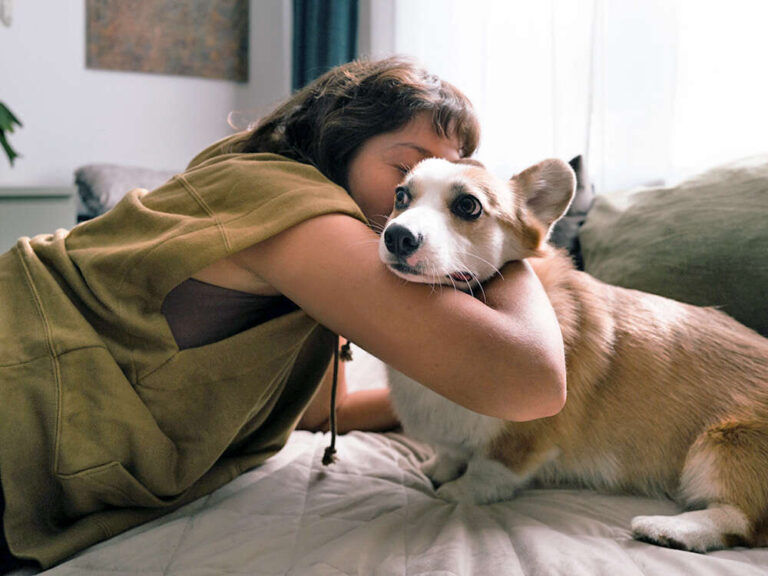
Dogs like to cuddle in bed for warmth, security, social bonding, comfort, and the familiar scent of their favorite person.
If you have ever woken up with a dog pressed against your legs, you may wonder why do dogs like to cuddle in bed so much. The answer combines canine instinct, attachment, body warmth, routine, and emotional comfort. Understanding these reasons can help you enjoy bedtime while still protecting your sleep, health, and dog’s well-being.
Why Do Dogs Like to Cuddle in Bed?
Dogs are social animals. Their wild ancestors often rested close to their group for safety and warmth. Your bed may feel like the safest version of that shared sleeping space.
When a dog sleeps beside you, several needs may be met at once:
• Warmth: Your body heat helps your dog stay cozy.
• Safety: Your presence can make the room feel less threatening.
• Bonding: Close contact strengthens the relationship between you and your dog.
• Familiar scent: Your smell can help your dog feel calm.
• Routine: A regular bedtime can create a strong comfort habit.
This is why do dogs like to cuddle in bed even when they have a soft dog bed nearby. Your mattress may not be the most practical place to sleep, but it carries your scent and offers direct access to you.
Dogs also learn through repetition. If cuddling in bed feels pleasant, your dog may begin to expect it every night. Over time, bedtime becomes a shared ritual, much like a favorite blanket or a calming bedtime song.

Dogs Seek Warmth and Physical Comfort
Warmth is one of the simplest reasons why do dogs like to cuddle in bed. Dogs have different coat types, body sizes, and temperature needs. Small dogs, short-haired breeds, puppies, and older dogs may feel cold more easily.
Your bed acts like a large nest. Blankets hold heat, mattresses cushion the body, and your presence adds steady warmth. A dog may curl against your back, tuck under your arm, or rest near your feet because these spots feel warm and secure.
Some dogs also enjoy gentle pressure. The feeling of resting against your body can be calming, much like a weighted blanket may help some people relax. This does not mean every dog wants close contact all night. A dog may cuddle for a while and then move to a cooler spot.
Watch your dog’s body language. Comfortable signs include:
• Loose muscles
• Slow breathing
• Soft eyes
• A relaxed mouth
• Gentle sighs
• Sleeping on the side or back
Signs of discomfort include heavy panting, repeated position changes, stiff muscles, or trying to leave. If your dog feels too warm, provide an open space nearby and avoid covering the dog’s face with blankets.

Cuddling Helps Dogs Feel Safe
Safety is another major reason why do dogs like to cuddle in bed. Dogs notice sounds, smells, and movement that people may miss. A strange noise outside, a storm, fireworks, or a new home can make your dog seek extra contact.
Your presence can work like an emotional anchor. The familiar sound of your breathing and the scent of your skin may signal that everything is safe. This can be especially helpful for dogs that are nervous, newly adopted, or recovering from a stressful event.
However, cuddling should not be the only way your dog learns to cope. If a dog becomes unable to relax unless it is touching you, it may be developing overdependence. This does not always mean separation anxiety, but it is worth watching.
Support healthy independence by giving your dog several safe resting places:
• A comfortable bed near your bed
• A quiet mat in the living room
• A covered crate if crate trained
• A cool floor area during warm weather
• A familiar blanket with your scent
Offer these spaces without forcing your dog to use them. The goal is not to reject your dog. The goal is to teach your dog that comfort can exist in more than one place.

Cuddling Strengthens the Human-Dog Bond
Many dogs cuddle because physical closeness helps them connect with their people. Dogs use touch, eye contact, scent, and shared routines to build social bonds. Bedtime offers a quiet period with fewer distractions, so your dog may choose it for connection.
This is one reason why do dogs like to cuddle in bed after you have been away all day. Your dog may be seeking reassurance and attention. A few calm minutes together can feel rewarding for both of you.
Research on human-animal relationships has linked positive interaction with changes in oxytocin, a hormone involved in social bonding. The exact effect varies between individuals, and cuddling is not a cure for anxiety or illness. Still, calm touch can support a warm and trusting relationship.
Try making bedtime contact calm and predictable:
-
Invite your dog up instead of allowing jumping.
-
Use slow strokes along the shoulder or chest.
-
Stop if your dog turns away or becomes tense.
-
Give your dog room to change position.
-
End the routine with a quiet cue, such as “bedtime.”
Cuddling works best when it is a choice. A dog that can leave the bed but chooses to stay is showing comfort, not helplessness.

Your Scent and Daily Routine Matter
Scent plays a powerful role in a dog’s world. Your dog may recognize you partly through smell, even when you are not in the room. Bedding, pajamas, and pillows carry familiar scents that may help your dog relax.
This helps explain why do dogs like to cuddle in bed more than on a new dog bed. The new bed may be soft, but it lacks the familiar smell of home and family. You can make a dog bed more appealing by placing a clean shirt or pillowcase with your scent nearby.
Routine matters, too. Dogs often thrive on predictable patterns. If you eat dinner, take a walk, dim the lights, and go to bed at similar times, your dog learns that these events lead to rest.
A predictable routine may include:
• A final bathroom break
• A short drink of water
• Gentle play earlier in the evening
• Quiet petting
• A clear sleep cue
• The same sleeping area
Avoid exciting games just before bed. Rough play can make some dogs restless instead of sleepy. If your dog struggles to settle, increase daytime exercise and mental enrichment, but avoid sudden increases that may cause soreness.

Why Some Dogs Become More Cuddly at Night
A dog’s desire for cuddles can change with age, health, weather, and life events. Puppies may cuddle because they miss their littermates and need help settling. Older dogs may seek more contact because they feel cold, stiff, confused, or less secure.
This is why do dogs like to cuddle in bed more during certain periods. Cold weather may increase contact, while hot weather may cause your dog to sleep across the room. A move, a new baby, a household change, or a recent illness can also increase clingy behavior.
Pay attention to sudden changes. A dog that suddenly wants constant contact may be experiencing:
• Pain or joint discomfort
• Hearing or vision loss
• Fear caused by noise or change
• Digestive problems
• Anxiety
• Cognitive changes related to aging
A new behavior does not prove that your dog is sick. Still, a sudden shift deserves observation. Contact your veterinarian if increased clinginess comes with appetite changes, limping, vomiting, panting, confusion, restlessness, or unusual bathroom habits.
Dogs cannot explain what hurts. Behavior is often their first form of communication.
Is It Healthy to Let Your Dog Sleep in Your Bed?
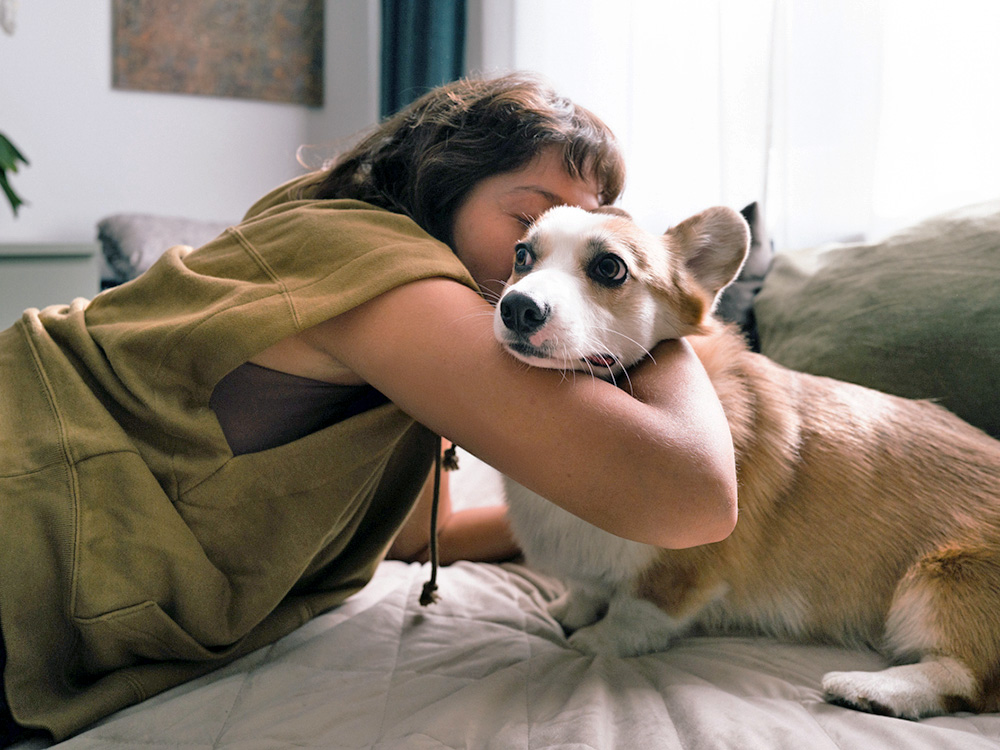
For many healthy households, allowing a dog to sleep in bed can be perfectly reasonable. It may support bonding and provide comfort. A 2015 study found that many people still sleep well with a dog nearby, although the effect differs from person to person.
There are also limits. Dogs can carry dirt, allergens, parasites, and germs into bedding. The risk is higher when a dog has fleas, intestinal parasites, open wounds, diarrhea, or poor grooming.
People with weakened immune systems, severe allergies, asthma, or certain health conditions may need extra caution. Children should also sleep separately from dogs. Even a gentle dog can react if startled, trapped, or disturbed during sleep.
Consider these practical rules:
• Keep flea and tick prevention current.
• Follow your veterinarian’s deworming advice.
• Wash bedding often.
• Keep your dog clean and dry.
• Do not allow bed access when your dog guards space.
• Use a ramp for dogs with joint problems.
• Keep young children and dogs in separate sleeping spaces.
The best answer to why do dogs like to cuddle in bed must include both emotional and practical factors. Cuddling can be pleasant, but safety and hygiene matter just as much.

When Bed Cuddling Becomes a Problem
Cuddling is not automatically healthy or unhealthy. The key question is whether both you and your dog remain comfortable. Problems may appear when your dog guards the bed, prevents you from sleeping, or panics when you create distance.
Resource guarding may look like growling, freezing, showing teeth, snapping, or blocking access to the bed. Do not punish these warnings. Punishment can increase fear and may remove the warning without removing the underlying concern.
Instead, manage the situation carefully:
-
Keep your dog off the bed for now.
-
Provide a comfortable alternative sleeping space.
-
Reward calm behavior on the dog bed.
-
Avoid physically dragging your dog away.
-
Ask a qualified veterinary behaviorist or reward-based trainer for help.
Sleep disruption is another concern. Dogs may kick, snore, lick, scratch, or wake you often. Poor sleep can affect mood, focus, and health. If your dog’s movements or noises disrupt you every night, a nearby dog bed may be the kindest choice for everyone.
There is no rule that says a loving owner must share a mattress. Your dog can feel deeply bonded to you while sleeping on a bed beside yours.
How to Create Safe and Comfortable Bedtime Cuddles
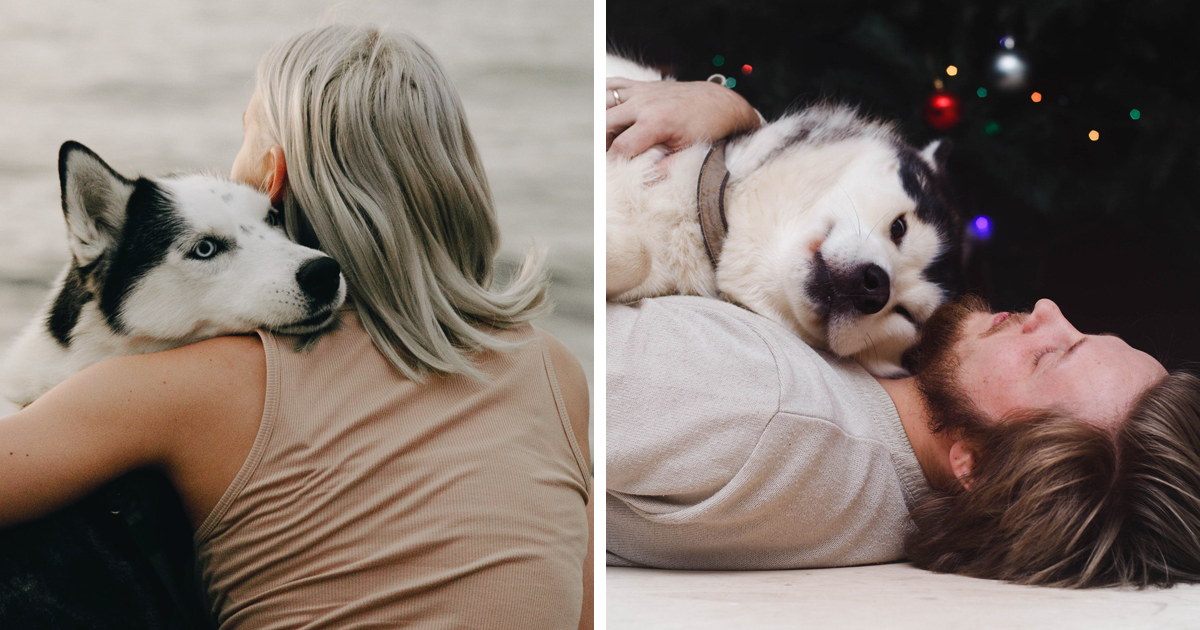
If you enjoy cuddling, a few simple habits can make the routine safer and calmer. Start by checking whether your dog can get on and off the bed without strain. Small dogs, senior dogs, and dogs with back problems may need steps or a ramp.
Keep the bedroom cool enough for your dog’s coat and size. Never force a dog under heavy blankets, and make sure your dog can leave easily. A trapped dog may panic or react defensively.
You can use this bedtime plan:
• Take your dog outside for a final bathroom break.
• Check paws and coat for dirt, burrs, or pests.
• Invite your dog onto the bed with a calm cue.
• Keep cuddling gentle and brief at first.
• Let your dog move away whenever it wants.
• Place a dog bed beside your bed as another option.
• Reward calm settling with quiet praise.
One mistake I often see in homes is treating cuddling as a test of love. People may hold a dog tightly because they want affection, while the dog wants space. Watch the dog, not just your own feelings. Consent matters in animal handling, too.
Another common mistake is letting a dog sleep in the bed one night and banning it the next without teaching an alternative. Clear rules are easier for dogs to understand. If the bed is off limits, calmly guide your dog to its own bed and reward that choice.

How to Help a Dog Sleep in Its Own Bed
Some owners enjoy closeness but need better sleep or cleaner bedding. You can teach your dog to sleep nearby without making the dog feel rejected.
Place the dog bed beside your bed. Add a comfortable blanket and, if safe, a shirt that carries your scent. Reward your dog for stepping onto the bed, lying down, and staying calm.
Move in small steps:
-
Begin with the dog bed next to your mattress.
-
Reward your dog for resting there.
-
Keep the bedtime routine consistent.
-
Move the dog bed farther away only after your dog settles well.
-
Return it closer if your dog becomes distressed.
Do not shove your dog off the bed or yell. Calm teaching builds trust. If your dog cries briefly, check basic needs first, such as bathroom needs, pain, heat, or fear. Do not assume every vocal dog is simply being stubborn.
The aim is a flexible dog that can sleep close to you or in its own space. That flexibility helps during travel, illness, house guests, and veterinary recovery.
Frequently Asked Questions
Why do dogs like to cuddle in bed with their owners?
Dogs often cuddle in bed because they feel warm, safe, and socially connected near their owners. Your scent and the familiar bedtime routine can also help your dog relax.
Does cuddling mean my dog loves me?
Cuddling can be one sign of trust and attachment, but dogs show love in many ways. Following you, relaxing near you, checking on you, and seeking gentle interaction can also reflect a strong bond.
Should I let my dog sleep in my bed every night?
You may let your dog sleep in your bed if both of you remain comfortable and healthy. Use good hygiene, prevent parasites, and choose another sleeping plan if your dog guards the bed or disrupts your sleep.
Why does my dog suddenly want to cuddle more?
A sudden increase in cuddling may come from cold weather, stress, a change at home, or a need for reassurance. If it occurs with pain, appetite changes, panting, confusion, or other unusual signs, speak with your veterinarian.
Can cuddling cause separation anxiety?
Cuddling alone does not cause separation anxiety. However, a dog that cannot relax away from you may need gradual independence training and professional guidance if distress occurs when you leave.
Why does my dog leave the bed after cuddling?
Your dog may become too warm, need more space, hear a sound, or prefer a firmer sleeping surface. Leaving the bed is normal and does not mean your dog dislikes you.
How can I stop my dog from guarding the bed?
Keep your dog off the bed while guarding occurs and avoid punishment. Reward calm behavior on a separate bed, then seek help from a reward-based trainer or veterinary behaviorist.
Conclusion
Why do dogs like to cuddle in bed? They often want warmth, safety, familiar scents, routine, and closeness with a trusted person. For many dogs, bedtime cuddling is a peaceful social ritual rather than a sign of dominance or manipulation.
Enjoy the contact when it works for both of you. Keep your dog healthy, watch body language, protect your sleep, and teach a comfortable alternative bed when needed. With clear rules and gentle care, you can build a strong bond without sacrificing safety or rest. Share your dog’s favorite bedtime habit in the comments, and explore more evidence-based dog care guides for practical advice.

Pet Care Writer & Researcher
Daniel writes practical guides on daily care, feeding, and safety, turning complex topics into simple, actionable advice.