How To Stop Yorkies From Barking: Proven Tips
Learn how to stop yorkies from barking with gentle, effective training tips that reduce noise and help your dog stay calm and well-behaved.
Introduction
Yorkies are small dogs with big voices. In a U.S. home, barking can quickly lead to stress, sleep loss, apartment complaints, or tension with neighbors. The good news is that most Yorkshire Terriers can learn to bark less when you find the cause, reduce the trigger, and reward calm behavior.
The goal is not to stop every bark. Barking is normal dog communication. The goal is to reduce barking that is repeated, triggered by common events, or hard for your dog to stop. Use reward-based training, daily exercise, and careful management. If the barking starts suddenly or comes with fear, pain, confusion, or other behavior changes, contact a veterinarian.
Why Yorkies Bark So Much
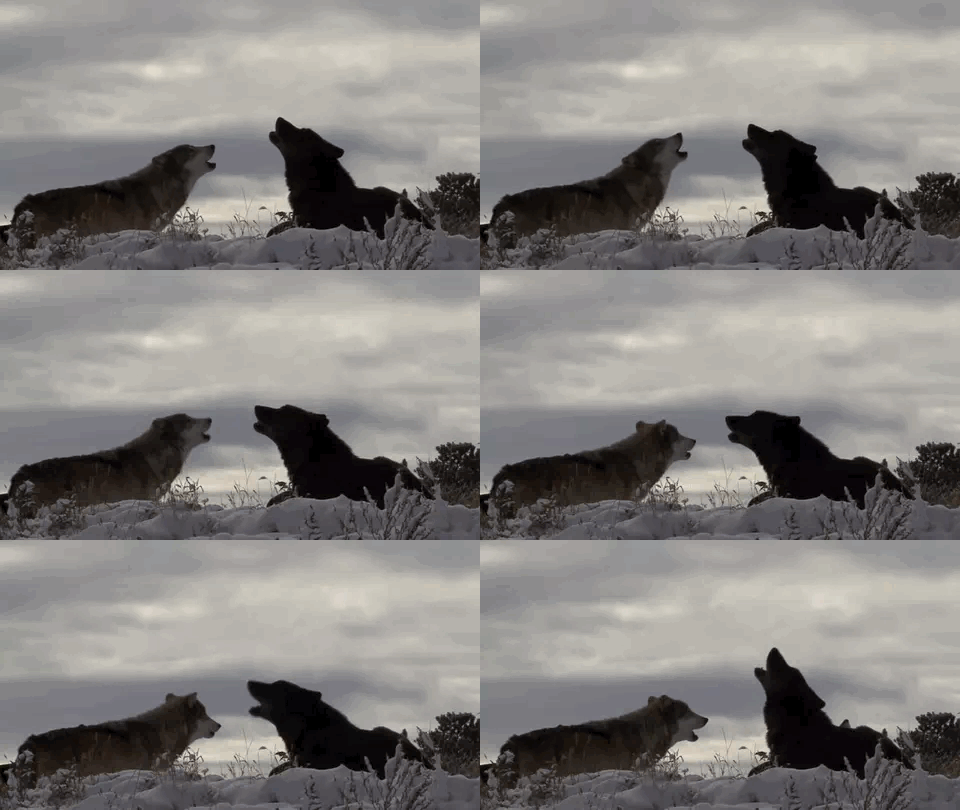
Yorkies often bark because they notice something, feel unsure, want access to something, or have learned that barking works. Their small size does not make their hearing, alertness, or need for mental activity small.
Common causes include:
- Alert barking: Your Yorkie reacts to people, dogs, cars, sounds, or movement.
- Fear or anxiety: The dog barks because a trigger feels unsafe.
- Attention barking: Barking brings eye contact, talking, petting, food, or play.
- Demand barking: The dog wants a door opened, a toy, a walk, or access to you.
- Boredom: Too little activity can lead to barking at sounds or movement.
- Frustration: The dog sees a person or animal but cannot reach it.
- Separation-related distress: Barking happens when you leave or when your dog is alone.
- Pain or illness: A sudden change in vocal behavior can signal a medical problem.
- Age-related change: Older dogs may bark more because of hearing loss, confusion, or discomfort.
Start by asking, “What happens right before the barking?” This event is the trigger. Then ask, “What happens after the barking?” If barking makes the door open, earns a treat, or makes a person move away, the behavior may become stronger.
A simple log can reveal the pattern:
| What to record | Example |
|---|---|
| Time | 7:30 a.m. |
| Trigger | Delivery worker at the door |
| Dog’s behavior | Runs to window and barks |
| Your response | Says “Stop” and opens the door |
| Result | Dog keeps barking during the delivery |
This log does not need to be perfect. Three to five days of notes may show whether your Yorkie mainly barks at windows, during alone time, during play, or when asking for something.
The key training idea
Reward the behavior you want before barking becomes intense. A calm dog can learn. A dog that is already frantic may not be able to respond well to cues or food.
Training works best when you:
- Prevent needless practice of the barking.
- Teach a clear replacement behavior.
- Reward quiet behavior quickly.
- Change the dog’s emotional response to the trigger.

Before You Train: Rule Out Health and Environment Problems
Book a veterinary visit if barking starts suddenly, becomes much worse, or appears with other changes. Signs that need attention include limping, panting at rest, reduced appetite, sleep changes, confusion, hiding, aggression, house-soiling, or trouble hearing or seeing.
Pain can make a dog more reactive. So can skin problems, stomach upset, breathing trouble, changes in vision, or age-related brain changes. Training cannot fix a medical cause.
Also check the home environment. A Yorkie may bark because the trigger is easy to see or hear:
- A window faces a busy sidewalk.
- A doorbell or alarm is too loud.
- A crate is placed near household traffic.
- Outdoor animals pass close to the fence.
- The dog has no quiet place to rest.
- The dog is left alone for longer than it can manage.
- Family members respond differently each time.
Reduce the trigger first
Management is not a shortcut. It helps your Yorkie stay calm enough to learn.
Try these steps:
- Close blinds or use a window film that blocks the lower part of the view.
- Move furniture away from windows.
- Use a fan or soft background sound to cover outdoor noise.
- Place a bed in a quiet area away from the front door.
- Ask visitors to text instead of knocking during training.
- Keep your Yorkie away from the door before opening it.
- Use a baby gate to create distance from busy areas.
- Offer a food puzzle, chew, or stuffed toy before predictable triggers.
Do not use a crate as punishment. A crate should be a safe rest area. If your Yorkie panics in a crate, use a larger safe space and seek help from a qualified behavior professional.

How to Stop a Yorkie From Barking Step by Step
The most useful plan combines management and reward-based training. Work in short sessions of two to five minutes. Several easy sessions each day are usually better than one long session.
1. Find your Yorkie’s calm distance
Start far enough from the trigger that your dog can notice it without barking. This may mean standing across the room, staying well away from a window, or practicing with a quiet recording at low volume.
If your Yorkie will not eat, cannot look at you, lunges, or barks nonstop, the trigger is too strong. Increase distance or reduce the sound. This process is called desensitization. It means exposing the dog to a mild version of the trigger without pushing the dog into panic.
2. Pair the trigger with something good
The moment your Yorkie sees or hears the trigger, give a small, high-value treat. Chicken, turkey, or another safe food may work better than a daily biscuit.
Use this pattern:
- Trigger appears.
- You say a calm marker such as “Yes.”
- Treats arrive.
- Trigger goes away.
- Treats stop.
At first, do not demand silence or a sit. Your first goal is to teach, “That sound predicts good things.”
If your Yorkie barks, the session was too hard. Do not scold. Lower the volume, increase distance, or wait for a calmer time.
3. Teach “quiet” without yelling
The word “quiet” works best when it predicts a reward. Do not shout it over barking. Loud voices can sound like more barking and may increase excitement.
Try this:
- Allow one brief bark at a mild trigger.
- Hold a treat near your Yorkie’s nose.
- When the dog pauses to sniff, say “Quiet.”
- Give the treat after one second of silence.
- Slowly increase the quiet period to three, five, and then 10 seconds.
- Add the cue before the pause becomes long.
Once your Yorkie understands the cue, practice in different rooms. Later, practice with mild real-life triggers. If the barking becomes intense, return to an easier step.
4. Teach a replacement behavior
“Quiet” tells your dog what not to do. A replacement behavior tells your dog what to do instead.
Useful choices include:
- Go to a mat.
- Touch your hand with the nose.
- Sit and look at you.
- Find treats on the floor.
- Carry a toy.
- Move away from the window.
For door barking, teach “go to mat”:
- Place a mat several feet from the door.
- Reward your Yorkie for looking at the mat.
- Reward one step toward it.
- Reward standing on it.
- Reward staying there for one second.
- Add a gentle knock or door sound.
- Reward the dog for going to the mat.
- Gradually increase the time and sound level.
At first, use a helper. The helper can knock softly, wait, and stop while you reward calm behavior.
5. Reward quiet moments you did not ask for
Many owners notice barking but miss calm behavior. Quiet moments are training opportunities.
When your Yorkie rests, watches a sound without barking, or chooses to move away from a window, calmly place a treat on the floor. You can also praise softly if praise does not excite the dog.
Avoid making a big event of calm behavior. A quiet reward helps the dog learn that calm choices pay.
6. Handle attention and demand barking
If barking reliably earns attention, change the pattern. First meet real needs. Make sure your Yorkie has access to water, bathroom breaks, exercise, rest, and social contact.
Then:
- Turn away during demand barking.
- Avoid arguing, repeating “no,” or pushing the dog away.
- Wait for one brief pause.
- Ask for a simple behavior, such as sit.
- Reward the sit with attention, play, or the requested item when appropriate.
Do not ignore barking that may signal fear, pain, or severe distress. The correct response depends on the cause.
7. Practice alone time in small steps
A Yorkie that barks only when left alone may have separation-related distress. Signs can include barking soon after departure, scratching doors, pacing, drooling, accidents, or escape attempts.
Use a camera to learn what happens after you leave. Start with absences so short that your dog stays calm. This may be only a few seconds for a distressed dog.
Return before distress rises. Slowly increase the time over many sessions. Keep departures and arrivals calm, and provide a safe food toy if your Yorkie can eat when alone.
Do not use “cry it out” for a dog in panic. Repeated panic can make alone-time training harder. A veterinarian or certified behavior professional can help create a safer plan. The American Veterinary Society of Animal Behavior supports reward-based methods and advises against aversive training techniques.

Daily Habits That Can Reduce Barking
Training works better when your Yorkie has a balanced daily routine. Exercise alone will not cure barking, but too little activity can make self-control harder.
Use both physical and mental activity
A Yorkie may benefit from:
- Sniff walks at a comfortable pace.
- Short training games.
- Food puzzles suited to small dogs.
- Find-it games with treats.
- Toy play with clear pauses.
- Gentle indoor obstacle games.
- Chewing and rest periods.
Small dogs can tire quickly, especially in heat or cold. Use safe surfaces and avoid forcing intense exercise. Ask your veterinarian about a suitable routine if your Yorkie has heart, joint, airway, or weight concerns.
Protect sleep
Overtired dogs may become more reactive. Puppies and young dogs need frequent rest. Older dogs may also need a quiet schedule.
Give your Yorkie a predictable place to sleep away from loud activity. Avoid waking the dog for repeated play or training. A rested dog is more able to notice a trigger without reacting.
Build predictable routines
A simple routine can reduce uncertainty:
- Bathroom break.
- Walk or sniff time.
- Meal or food puzzle.
- Rest.
- Short training session.
- Calm play.
- Rest again.
Predictability does not mean every day must be identical. It means your Yorkie can often tell what comes next.

What Not to Do When Your Yorkie Barks
Avoid methods that cause pain, fear, or confusion. This includes shock collars, prong collars used to suppress barking, hitting, leash jerks, and yelling in the dog’s face.
Bark collars may stop a sound without fixing the cause. A fearful dog may become more afraid. A frustrated dog may redirect aggression. A dog may also learn to stay quiet while remaining highly distressed.
Do not punish a growl. A growl is a warning signal. Punishing warnings can remove an early sign and leave you with a dog that goes straight to a snap or bite.
Also avoid these common mistakes:
- Repeating “quiet” many times without teaching it.
- Rewarding your Yorkie after a long barking spell.
- Opening the door while the dog is rushing and barking.
- Changing the rules from one family member to another.
- Training only during major real-life events.
- Expecting silence after one session.
- Using treats when the dog is too upset to eat.
- Exercising the dog until exhaustion instead of addressing the trigger.
A calm response does not mean allowing unsafe behavior. If your Yorkie may bite, use distance, barriers, and professional help.

How Long Does It Take to Stop a Yorkie From Barking?
Many owners see small changes within days or weeks when they prevent practice and reward calm behavior. A lasting change may take longer, especially when barking has continued for months or is linked to fear or separation distress.
Progress is easier to measure when you track:
- How often barking starts.
- How long each episode lasts.
- How close your Yorkie can be to the trigger.
- How quickly the dog returns to calm.
- Whether your dog can eat and respond to you.
Success does not always mean zero barking. A useful goal may be one alert bark followed by turning away, going to a mat, or looking at you.
If progress stops, lower the difficulty. Increase distance, shorten the session, use a stronger reward, or choose a quieter setting. If the problem remains severe, ask your veterinarian for a referral to a veterinary behaviorist or a qualified reward-based trainer.
The American College of Veterinary Behaviorists explains the role of veterinary behavior specialists in behavior problems that may involve medical causes, anxiety, aggression, or complex treatment needs.

Key Takeaways
- Find the cause before choosing a training method.
- Reduce access to common triggers while your Yorkie learns.
- Reward calm behavior early and often.
- Teach “quiet” and a replacement behavior such as “go to mat.”
- Do not yell, hit, or use painful tools.
- Contact a veterinarian for sudden barking or signs of illness.
- Get professional help when barking involves panic, aggression, or severe separation distress.
FAQs
Should I ignore my Yorkie’s barking?
Ignore attention-seeking barking only when you have ruled out fear, pain, hunger, bathroom needs, and other real needs. Wait for a brief pause, then reward a calm behavior. Do not ignore a dog that is panicking or showing signs of illness.
Why does my Yorkie bark at the window?
Your Yorkie may be alerting to people, dogs, cars, birds, or sounds outside. Block the view, add distance from the window, and reward the dog for noticing the trigger without barking. Teach a mat behavior near—but not directly beside—the window.
How do I stop my Yorkie from barking at the door?
Keep your Yorkie away from the door before opening it. Practice with a helper who makes soft knocks while you reward calm behavior. Teach your dog to go to a mat, then slowly increase the strength of the knock and the length of the stay.
Will more exercise stop my Yorkie from barking?
Exercise may help when boredom or excess energy contributes to barking, but it does not treat fear, pain, or separation distress by itself. Combine walks and play with trigger management and reward-based training.
Why does my Yorkie bark when left alone?
Barking during alone time may result from separation-related distress, boredom, outside sounds, or a need for a bathroom break. Use a camera to observe the pattern. If your dog panics, scratches doors, drools, or tries to escape, contact a veterinarian or behavior professional.
Are bark collars safe for Yorkies?
Bark collars can suppress vocal sounds but may not address the reason for barking. Devices that use shock, spray, vibration, or sound can increase fear or frustration in some dogs. Reward-based training and professional guidance are safer starting points.
Conclusion
To stop a Yorkie from barking, first identify the trigger and rule out health problems. Then prevent repeated barking, work below the dog’s stress limit, reward quiet behavior, and teach a clear alternative such as going to a mat.
Keep sessions short and consistent. If your Yorkie cannot stay calm enough to learn, or if barking involves panic, pain, or aggression, seek help from a veterinarian or qualified behavior professional. The next practical step is to record three barking episodes today and write down what happened before and after each one.

Pet Care Writer & Researcher
Daniel writes practical guides on daily care, feeding, and safety, turning complex topics into simple, actionable advice.