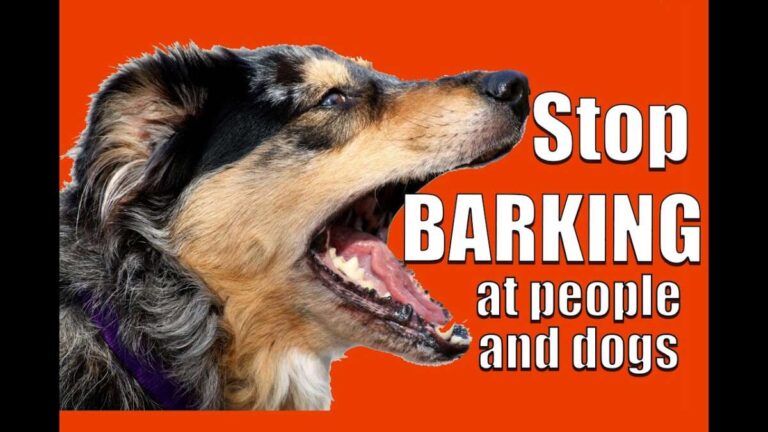
What Does A Dog Bark Sound Like: Meaning And Examples
What does a dog bark sound like? Learn what different barks mean, how dogs communicate, and when barking may signal a problem.
Introduction
In the United States, people usually write a dog’s bark as “woof,” “ruff,” “arf,” or “bow-wow.” The sound itself may be deep, sharp, short, loud, soft, single, or repeated. A small dog may make a high “yap,” while a large dog may produce a low “woof.”
A dog bark does not have one fixed sound. Dogs change their bark based on their size, breed, age, mood, surroundings, and reason for barking. A bark at the front door may sound very different from a bark during play.
In simple terms, a dog bark sounds like a quick burst of sound made with the mouth open. It often has a clear vowel-like tone, noise, or both. Humans use words such as “woof” to copy the sound, but those words are only rough imitations.

What Does a Dog Bark Sound Like in Words?
A dog bark sounds like “woof,” “ruff,” “arf,” or “bow-wow” in written English. These words are called onomatopoeia, which means a word that imitates a sound.
The best word depends on the bark:
- “Woof” often represents a common, medium-pitched bark.
- “Ruff” suggests a rough or husky bark.
- “Arf” often describes a short, sharp bark.
- “Yap” usually suggests a small, high-pitched bark.
- “Yip” may describe a quick, thin bark or a sound of excitement.
- “Bow-wow” is a traditional phrase used in children’s books and songs.
- “Bark bark” simply describes repeated barking.
These spellings do not capture the full sound. English spelling has limits, and people in different countries may write animal sounds in different ways. The American English forms “woof” and “ruff” are common, but neither is an exact recording of what a dog hears.
How Does a Dog Bark Sound?
A typical bark is a short, forceful sound. It may begin with a burst of air and end with a clear tone, a rough growl, or a sharp cutoff.
You might hear a bark as:
“Woof!”
Or as a series:
“Woof! Woof! Woof!”
Some barks sound more like:
- “Wuff!”
- “Arf!”
- “Ruff!”
- “Yap-yap!”
- “Bow-wow!”
- “Bark-bark-bark!”
The sound can range from a low rumble to a high squeak. It can also change during one barking event. For example, a dog may start with a low “woof,” then move into faster and higher “yap” sounds as excitement grows.
A bark may contain both tonal and noisy parts. A tonal sound has a more musical pitch. A noisy sound is rougher and less even. This mix helps explain why one dog’s bark can sound smooth while another’s sounds harsh or raspy.

Why Do Dogs Bark?
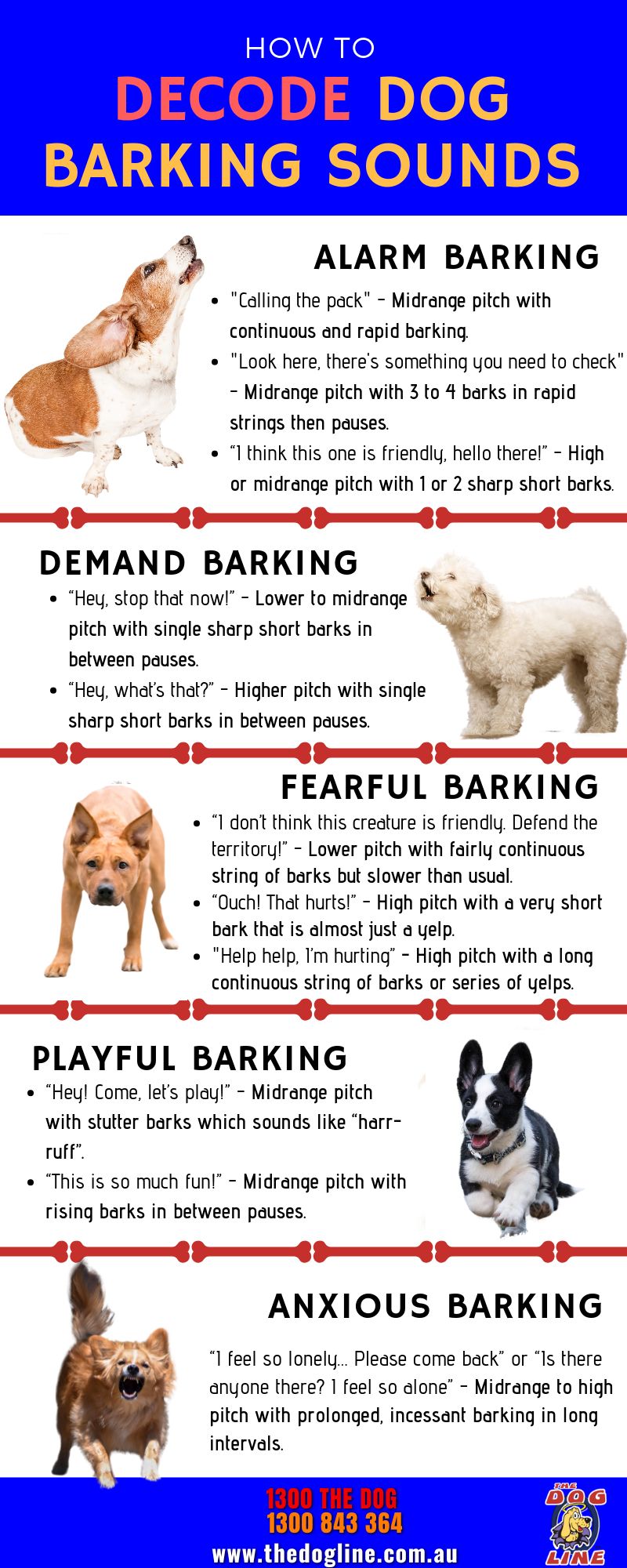
Dogs bark to communicate and react to events. Barking is not a language with one exact translation for each sound. Instead, people must read the bark along with the dog’s body language and the situation.
Common reasons include:
Alert barking
A dog may bark when it hears a delivery truck, sees a stranger, or notices movement outside. Alert barks are often loud and repeated. The dog may stand still, face the source, and raise its ears.
Greeting barking
Some dogs bark when a person or another dog arrives. Greeting barks may come with a loose body, a wagging tail, or jumping. The bark can sound excited rather than threatening.
Play barking
play barks are often short, bright, and repeated. The dog may bow with its front legs down and its rear end up. A relaxed, open mouth can also suggest play.
Fear or stress barking
A frightened dog may bark while backing away, crouching, hiding, or keeping its tail low. The bark may sound sharp or frantic. A fearful dog can bite if it feels trapped, so give it space.
Frustration barking
A dog may bark when it cannot reach a toy, person, animal, or outdoor area. This bark often repeats in a steady pattern. The dog may pace, pull, or stare at the object it wants.
Loneliness or separation-related barking
Some dogs bark when left alone. The barking may continue for a long time and may occur with pacing, whining, scratching, or attempts to escape. This pattern can need help from a veterinarian or qualified behavior professional.
Pain or illness-related barking
A sudden change in barking may signal discomfort. A dog that begins barking more, cries out, or reacts when touched should receive veterinary attention, especially if other signs appear.
What Is the Difference Between a Bark, Growl, Howl, and Yelp?
A bark is usually short and abrupt. Other dog sounds have different patterns and may serve different purposes.
| Dog sound | What it usually sounds like | Common context |
|---|---|---|
| Bark | “Woof!” or “Arf!” | Alert, greeting, play, fear, or demand |
| Growl | Low, rough vibration | Warning, discomfort, guarding, or play |
| Howl | Long, rising or falling tone | Response to sirens, distance calls, or group behavior |
| Yelp | High, sudden cry | Pain, surprise, fear, or rough contact |
| Whine | Soft, thin, rising sound | Stress, need, excitement, or seeking attention |
| Bay | Long, deep bark or howl | Often heard from hounds during tracking |
These categories can overlap. A dog may bark and growl at the same time. It may also whine before barking or howl after hearing another dog.
Do not judge a sound by tone alone. A low growl can occur during friendly play, while a high bark can come from fear. Body posture and the setting provide important clues.

Does a Dog’s Size Change Its Bark?
Yes. Body size often affects the pitch and tone of a dog’s bark, but it does not determine the sound perfectly.
Larger dogs often produce lower sounds because they usually have larger vocal structures. Smaller dogs often produce higher sounds. Still, a small dog may have a surprisingly deep bark, and a large dog may make a sharp or high sound.
Other factors matter too:
- Breed and vocal anatomy
- Age
- Sex and individual body structure
- Health of the throat and airway
- Emotional state
- Distance from the listener
- Whether the dog is barking indoors or outdoors
A dog’s bark may also change with age. Puppies often make higher, less steady sounds. Older dogs may bark less, bark more, or develop a different tone.
How Can You Tell What a Dog’s Bark Means?
Listen to the bark, then watch the dog. The safest interpretation uses four clues:
- The sound: Is it low, high, rough, sharp, or soft?
- The pattern: Is it one bark, a fast series, or a long repeated session?
- The body: Is the dog loose, stiff, crouched, or moving away?
- The setting: Is there a stranger, toy, food bowl, loud noise, or closed door?
A simple guide can help:
| Bark pattern | Body language | Possible meaning |
|---|---|---|
| One or two low barks | Alert posture, ears forward | Notice of something new |
| Fast repeated barks | Stiff body or forward movement | High arousal, warning, or frustration |
| Short bright barks | Loose body and play bow | Play or excitement |
| Sharp barks with retreat | Low body, tucked tail | Fear or stress |
| Long barking when alone | Pacing or scratching | Distress, boredom, or separation problem |
This guide is not a diagnosis. The same bark can mean different things in different dogs. A dog that barks at a visitor may be excited, afraid, protective, or frustrated by a barrier.

Why Does a Dog Bark at Some Sounds?
Dogs hear many sounds that people may miss. A siren, doorbell, smoke alarm, truck, or other dog can trigger barking. The sound may be startling, familiar, or linked to past events.
Some dogs bark at sounds because they are alert. Others bark because the sound predicts something exciting. A doorbell may mean a visitor is coming. A leash clip may mean a walk is near.
If a sound causes fear, do not force the dog to approach it. Lower the sound when possible, increase distance, and reward calm behavior. A veterinarian or qualified behavior professional can help if the reaction is intense.
Can You Write a Dog Bark in a Story or Comic?
Yes. Use a spelling that matches the sound and mood.
Examples:
- “Woof!” — a normal or friendly bark
- “Ruff!” — a rough, strong bark
- “Yap!” — a small, high bark
- “Arf!” — a short, comic bark
- “WOOF!” — a loud bark
- “Woof, woof!” — repeated barking
- “Grrrr…” — a growl, not a bark
- “Awooo!” — a howl, not a typical bark
For a realistic description, add detail instead of repeating the sound:
The dog gave one deep bark from behind the fence.
A small terrier answered with three quick, high yaps.
The old dog let out a rough bark, then went quiet.
This approach helps readers imagine the sound without treating “woof” as a precise translation.
When Should a Change in Bark Concern You?
A new bark is worth attention when it appears with other changes. Contact a veterinarian if your dog suddenly becomes hoarse, stops barking normally, coughs, gags, has trouble breathing, or seems painful.
Seek urgent veterinary care for breathing trouble, blue or pale gums, collapse, choking, or severe distress. Do not put your fingers into a struggling dog’s mouth.
A change in barking can have a simple cause, such as excitement or a new noise. It can also relate to pain, throat irritation, aging, anxiety, or another medical issue. A veterinarian can assess the dog instead of guessing from the sound alone.
If barking is causing conflict with neighbors, avoid punishment that frightens or harms the dog. First reduce triggers, block the view when safe, provide exercise and quiet activities, and seek reward-based behavior help.
Key Takeaways
- A dog bark is commonly written as “woof,” “ruff,” “arf,” or “bow-wow.”
- Dogs do not all bark the same way.
- Pitch, volume, length, and repetition can change with breed, size, age, and mood.
- A bark’s meaning depends on the sound, body language, and situation.
- A bark is different from a growl, howl, yelp, or whine.
- A sudden change in barking, especially with illness signs, may need veterinary care.
Frequently Asked Questions
Is a dog bark called a “woof”?
“Woof” is a common English word for a dog bark. It is not the name of every bark. “Ruff,” “arf,” “yap,” and “bow-wow” can also describe or imitate dog barking.
What does a small dog bark sound like?
A small dog may have a high, sharp bark, often written as “yap” or “yip.” Size does not guarantee a certain sound. Some small dogs have deep or rough barks.
What does a big dog bark sound like?
A large dog often has a deeper, fuller bark, which people may write as “woof” or “ruff.” Individual anatomy, breed, age, and emotion can change the sound.
Does barking always mean a dog is angry?
No. Dogs bark when they are alert, excited, playful, afraid, frustrated, lonely, or uncomfortable. Body language and context are needed to understand the likely reason.
How can I stop my dog from barking?
Start by finding the trigger. Reduce exposure when possible, reward quiet behavior, and meet the dog’s exercise and mental needs. Do not punish fear-based barking. If barking is sudden, extreme, or hard to manage, ask a veterinarian or qualified reward-based behavior professional for help.
Conclusion
A dog bark may sound like “woof,” “ruff,” “arf,” or “yap,” but no single word describes every bark. The real sound changes with the dog and the situation.
To understand it, listen for pitch, length, volume, and repetition. Then check the dog’s posture and surroundings. If the bark changes suddenly or comes with signs of pain or breathing trouble, contact a veterinarian.

Pet Care Writer & Researcher
Daniel writes practical guides on daily care, feeding, and safety, turning complex topics into simple, actionable advice.