
Why Do Dogs Bark At Strangers: Causes And Fixes
Learn why do dogs bark at strangers, what triggers it, and easy training tips to calm your dog. Practical advice for safer walks and peace at home.
Dogs bark at strangers mainly to warn, protect territory, and express fear or curiosity.
I’ve spent over a decade working with dogs and studying their behavior, and this article answers why do dogs bark at strangers with clear, practical guidance. You’ll learn the roots of barking, how to read different barks, proven training steps, and when to seek help — all explained in plain language so you can act with confidence.
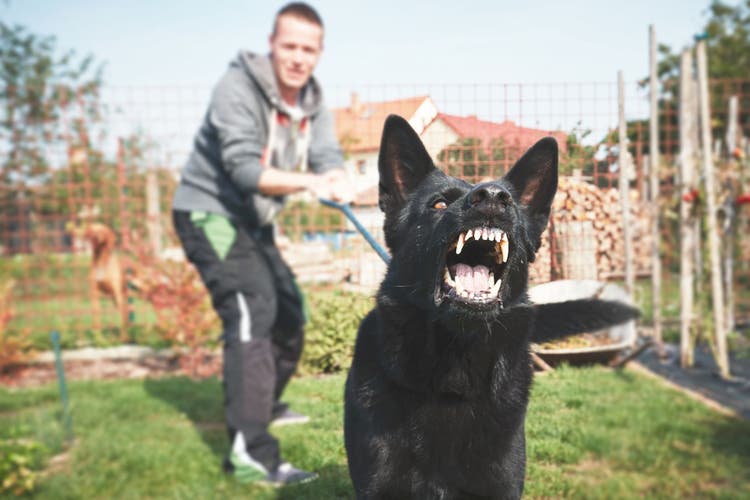
Why do dogs bark at strangers?
Understanding why do dogs bark at strangers starts with one simple fact: barking is normal dog language. Dogs use bark sounds to share information. They can warn, ask for help, signal stress, or show excitement. The same dog may bark for very different reasons depending on context, past experience, and breed traits.
Common motives include:
- Alerting their family to an unfamiliar presence.
- Guarding territory or resources like food and toys.
- Expressing fear or anxiety when a stranger approaches.
- Attempting to control a situation or get attention.
- Responding to learned behavior that was rewarded in the past.
Recognizing the motive matters because the solution changes with the cause. If you know why do dogs bark at strangers, you can choose the right training and management approach.

Common types of barking and what they mean
Not all barks are the same. Learning to tell them apart helps answer why do dogs bark at strangers in real situations.
Bark types and clues:
- Single, sharp barks
- Often alerting or alarm. The dog wants you to notice something.
- Rapid, repeated barks
- Usually territorial or protective. The dog is saying “stay away.”
- High-pitched, continuous barking
- Frequently indicates fear, stress, or excitement.
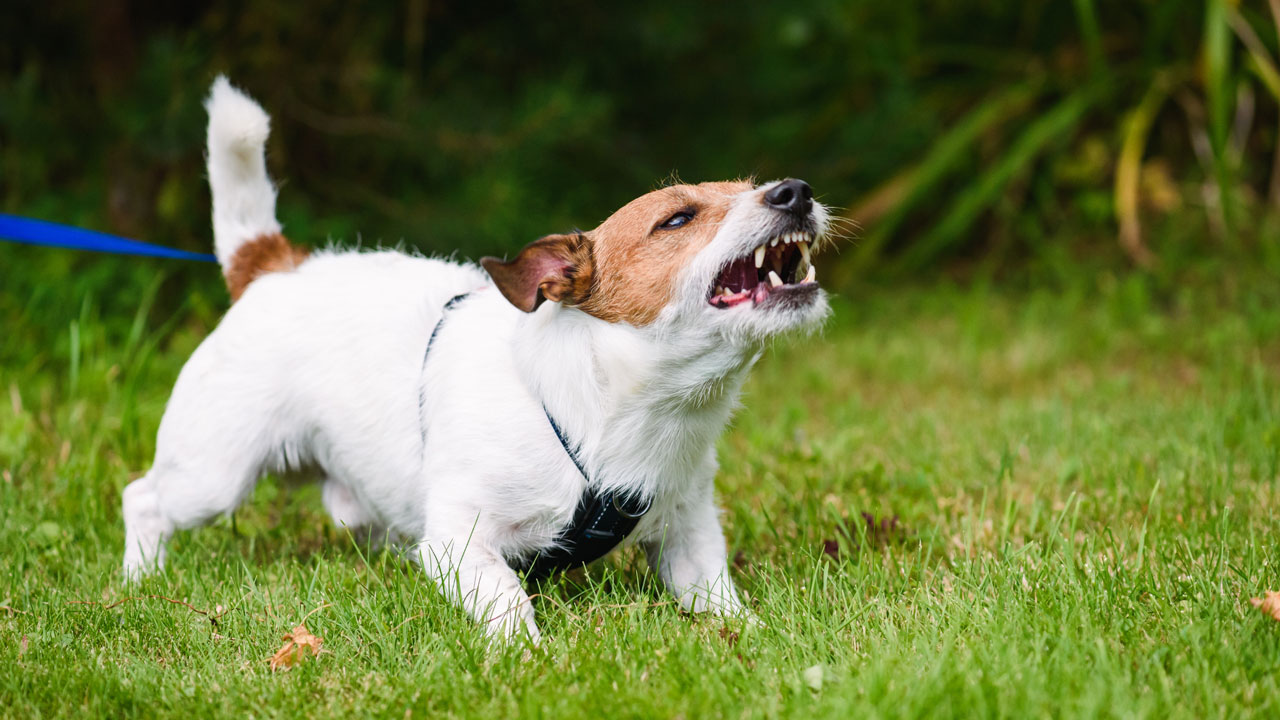
- Low, growly barks mixed with lunges
- Threat display. This is a clear sign the dog feels threatened or wants space.
- Short barks with tail wag
- Sometimes a greeting bark or excited curiosity.
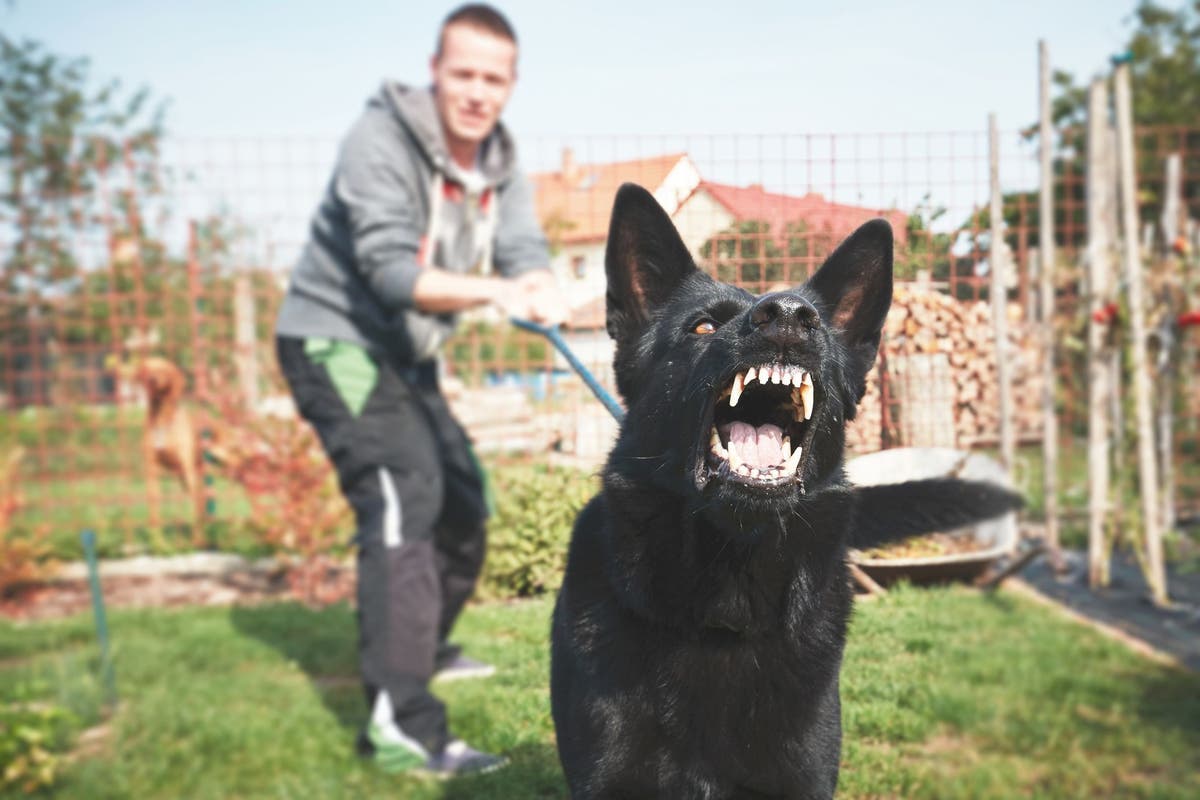
Watch body language with the bark. Relaxed ears and loose body mean curiosity. Stiff posture, raised hackles, and fixed stare mean the dog feels threatened. Patterns of barking over time also reveal learned triggers.
Causes and triggers: practical examples
To solve why do dogs bark at strangers, list triggers clearly. Below are common causes with examples and quick fixes.
Fear and anxiety
- Trigger example: A dog that was badly socialized might bark when someone reaches to pet them.
- Quick fix: Gradual desensitization and positive reinforcement for calm behavior.
Territorial instincts
- Trigger example: A dog barks at delivery drivers near the front gate.
- Quick fix: Teach an alternative routine like "go to mat" and reward calmness.
Protective behavior
- Trigger example: A dog positions itself between you and a stranger and barks.
- Quick fix: Structured training to build trust and impulse control.
Attention-seeking and boredom
- Trigger example: A dog barks at pedestrians because past barking brought attention.
- Quick fix: Increase exercise, provide enrichment, and ignore demanding barks.
Medical causes
- Trigger example: Sudden onset barking in an older dog might signal pain or cognitive decline.
- Quick fix: Veterinary checkup to rule out medical issues.
Environmental triggers
- Trigger example: Dogs accustomed to quiet indoor life may bark at unusual sounds or costumes.
- Quick fix: Controlled exposure and rewards for calm responses.
Knowing the trigger narrows the answer to why do dogs bark at strangers and points you to the right training method.

How to reduce barking at strangers: training and management
Preventing and reducing barking takes consistent steps. Here are practical, proven strategies I’ve used with many dogs.
Basic steps to follow
- Assess and record
- Note when and where barking occurs and what triggers it.
- Create distance first
- Move the dog away from the trigger so you can train without high stress.
- Teach an alternate behavior
- Train a reliable cue like "place" or "look" and reward calm compliance.
- Use desensitization and counter-conditioning
- Introduce strangers at a distance the dog tolerates. Reward calm and slowly decrease distance.
- Reinforce calm more than punishing barking
- Rewards for quiet are more effective than scolding.
Training tips that work
- Short, frequent sessions of 5 to 10 minutes.
- High-value treats for dogs that are food-motivated.
- Practice with a variety of people: men, women, kids, different clothing styles.
- Wear the same marker (cue word or clicker) to signal the exact moment the dog is calm.
Tools and safety
- Use a secure harness and leash during training.
- For reactive dogs, a head halter or front-clip harness gives better control.
- Avoid harsh corrections; they often increase fear and barking.
Timeline and expectations
- Small improvements can appear in days; reliable change takes weeks to months.
- Progress may stall; adjust distance or reward value and consult a trainer if needed.
Following these steps helps explain why do dogs bark at strangers and gives you a clear path to change behavior.
PAA-style quick questions
How fast can training reduce barking?
- Most owners see initial improvement in a week, but consistent progress takes 4–12 weeks with daily practice.
Will punishing barking stop it?
- Punishment can suppress barking short-term but often increases fear or causes the dog to bark in secret, so positive training is better.
Can all dogs learn to be calm with strangers?
- Most dogs can improve significantly, but genetics, early experience, and medical issues set limits on how much change is realistic.

Source: youtube.com
When barking becomes a problem: medical and behavioral red flags
Knowing when barking is a normal response and when it is a problem is crucial. This helps you decide if professional help is needed.
Red flags to consult a vet or behaviorist
- Sudden change in barking patterns, especially in older dogs.
- Barks accompanied by signs of pain, limping, or changes in appetite.
- Biting or escalation toward people or other animals.
- Barking that disrupts daily life or the household consistently.
- No improvement after consistent, positive training.
A veterinary exam rules out medical causes. A certified behaviorist offers tailored plans for complex or aggressive cases. Both are valid and often necessary steps when barking persists.
Personal experience and lessons learned
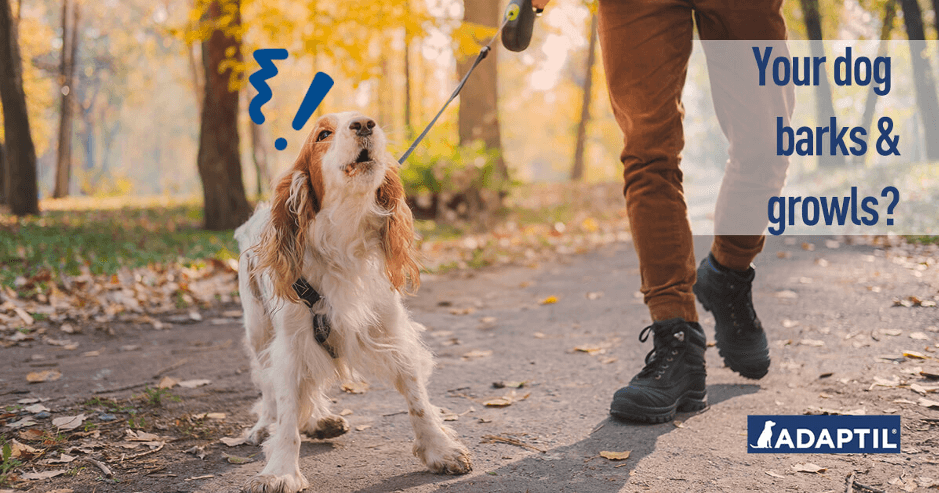
I’ve helped families manage dogs that barked at strangers many times. A common case: a medium-sized rescue who barked whenever a visitor came. We used a place-training method, rewarded calm, and gradually introduced visitors at a distance. After eight weeks the dog greeted visitors quietly and chose the mat when asked.
Lessons I learned:
- Patience beats intensity. Small wins build trust.
- Involving the whole family prevents mixed signals.
- Tracking progress with notes helps identify triggers and patterns.
- Safety and consistency are the best short-term tools.
A mistake I often saw owners make was expecting overnight change. That expectation led to frustration and inconsistent handling. The better approach is steady, short practice sessions and celebrating small improvements.

Frequently Asked Questions of why do dogs bark at strangers
Why do dogs bark at strangers more than family members?
Dogs bark more at strangers because family members are predictable and part of the dog’s social group, while strangers are unknown and may trigger alert or defensive responses.
Can socialization stop barking at strangers?
Early and consistent socialization reduces fear-based barking, but socialization alone may not end barking if the dog has learned to bark for protection or attention later in life.
Is barking at strangers a sign of aggression?
Not always. Barking can be a warning or fear signal without intent to bite. Aggression is more indicated by growling, snarling, lunging, or attempts to bite.
When should I see a professional for my dog’s barking?
See a professional if barking suddenly changes, is linked to pain, includes aggressive behavior, or doesn’t improve with consistent training over several weeks.
Are some breeds more likely to bark at strangers?
Yes, breeds bred for guarding, herding, or alerting often bark more. But individual temperament and training are equally important.
How can I stop my dog from alert barking at the gate?
Teach an alternative behavior like "go to place," reward quiet, and practice with staged approaches at increasing realism. Consistency and rewards for calm behavior make the change stick.
Conclusion
Understanding why do dogs bark at strangers gives you the power to respond calmly and effectively. Focus on identifying triggers, using positive training, and seeking professional help when medical or safety issues appear. Start small, be consistent, and track progress — that approach changes behavior and builds trust.
Take action today: pick one trigger, practice a short training routine for five minutes daily, and note improvements over two weeks. If you found this helpful, try these steps and share your results or questions below — I’m happy to help.

Pet Care Writer & Researcher
Daniel writes practical guides on daily care, feeding, and safety, turning complex topics into simple, actionable advice.