What Dog Doesn’t Bark: Silent Dog Breeds & Reasons
Find out what dog doesn’t bark, why some dogs are silent, and the best quiet breeds to consider – expert tips to choose a calm companion.
A hot dog doesn't bark because it's a food item, not an animal.
I’ve spent years studying dog behavior, training quiet breeds, and solving common pet puzzles, so I know how puzzling the question "what dog doesn't bark" can be. This article unpacks that phrase from every angle — riddles and wordplay, real breeds that rarely bark, medical reasons, training tips, and cultural meanings — so you’ll leave with clear answers and practical steps whether you’re solving a brainteaser or caring for a quiet dog.
Understanding the riddle: what dog doesn't bark
Many people asking "what dog doesn't bark" mean a riddle. The classic riddle answer is playful: a hot dog. That answer uses wordplay to remind us language can trick us.
But "what dog doesn't bark" can also mean something literal. Some dog breeds rarely bark. Some dogs are unable to bark due to health or anatomy. Others are trained to be quiet.
Exploring both the riddle and real-life examples gives a full picture. We’ll move from the playful answer to practical, evidence-based details you can use with pets or puzzles.
Common answers and meanings
People give several common answers to "what dog doesn't bark." Here are the most typical ones and why they make sense.
- Hot dog — The classic riddle answer. It’s a pun: "dog" as food cannot bark.
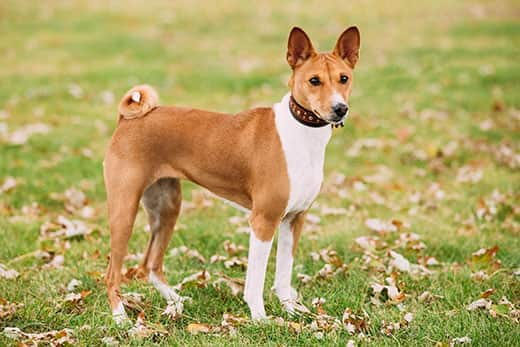
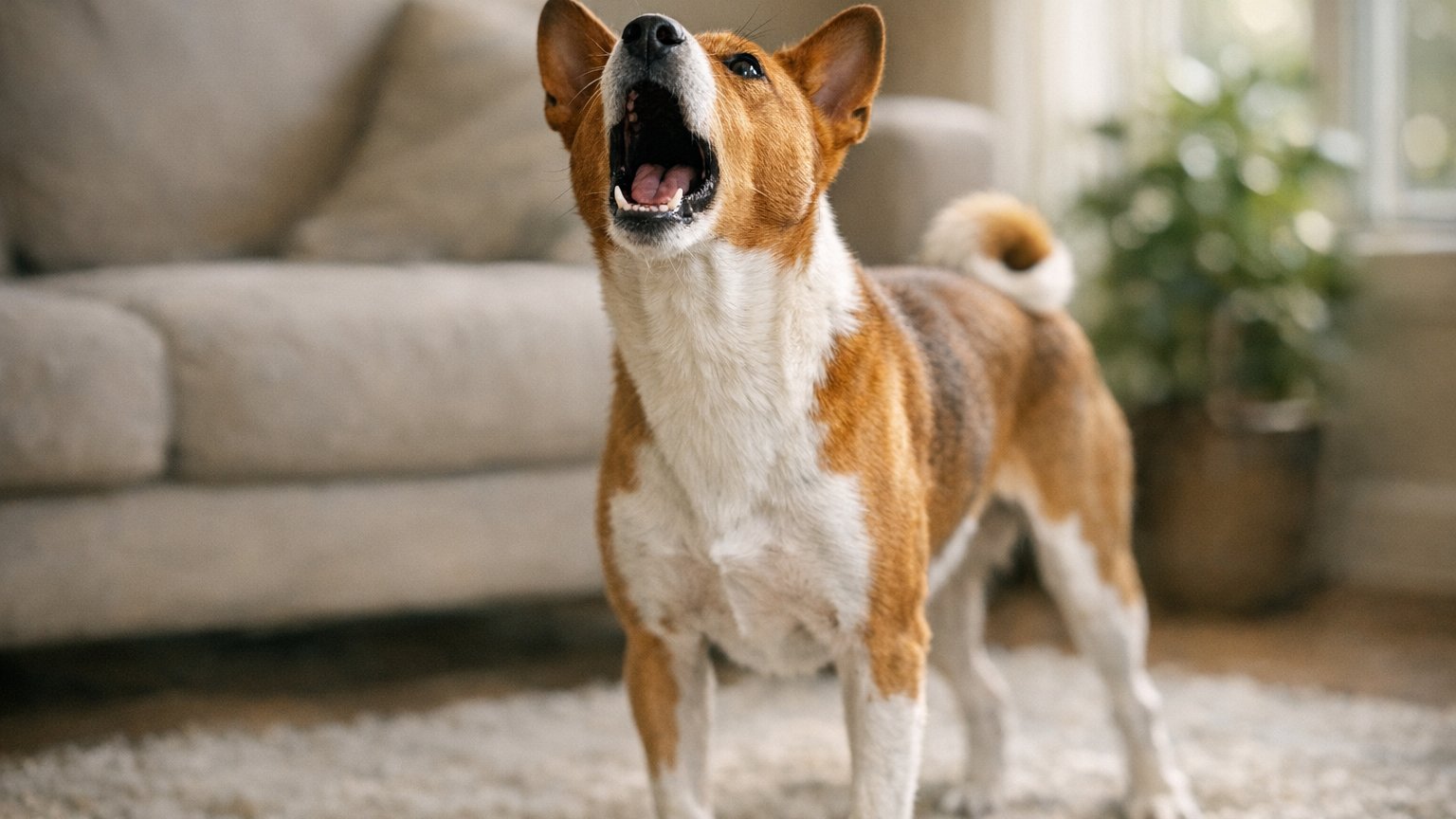
- Basenji — A real breed famous for being largely bark-free; it makes a yodel-like sound instead.
- Silent watchdog — In idioms, a "watchdog" may be quiet yet effective. This is figurative, not literal.
- Mute or deaf dog — Health or genetics can limit barking ability.
- Toy or decorative object — A stuffed or robotic dog will not bark naturally.
These answers show how the phrase "what dog doesn't bark" shifts between humor, breed traits, and real behavior. Each answer fits a different context.

The Basenji and truly "barkless" dogs
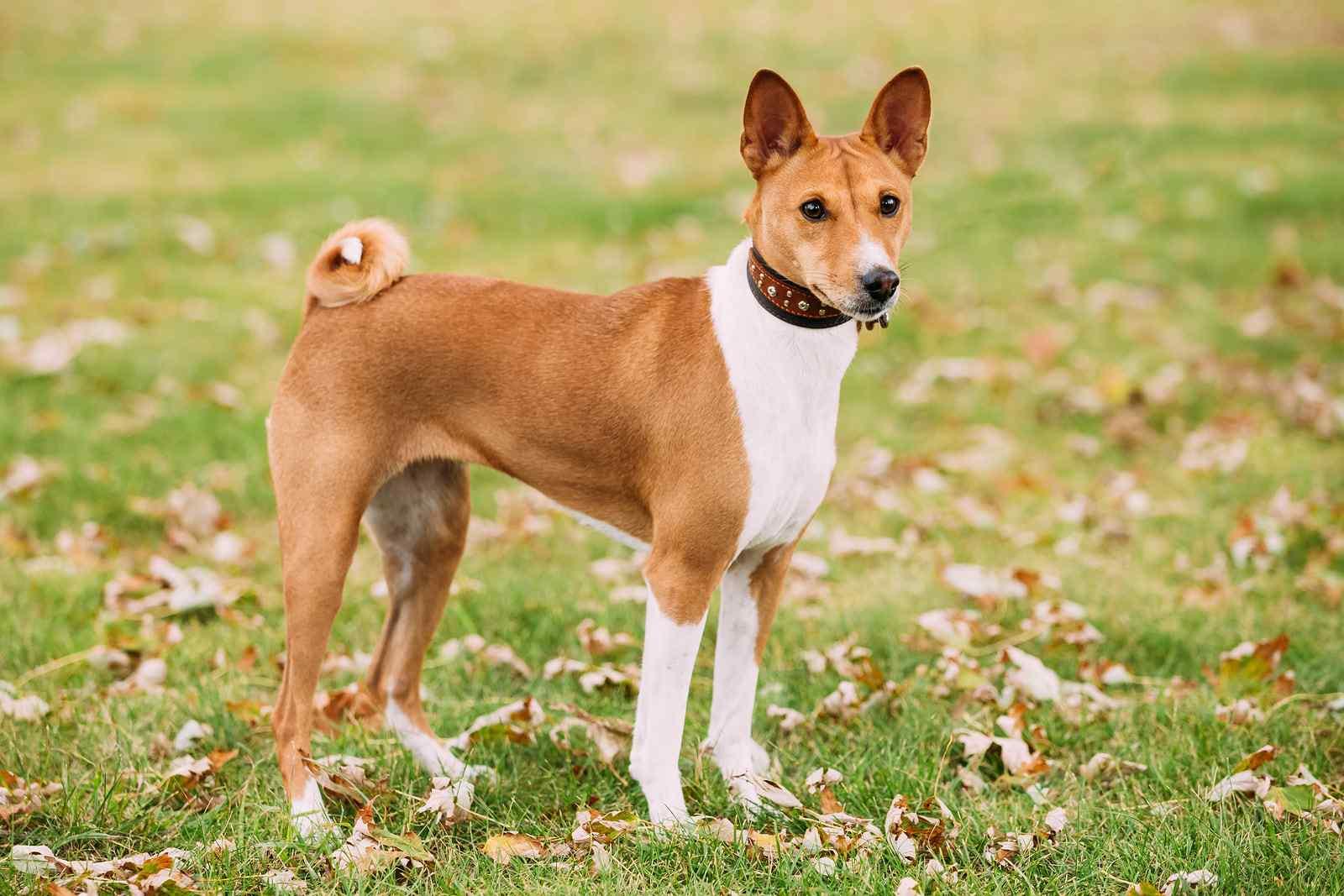
If you want a real dog that rarely barks, look at breeds and biology. The Basenji is the best-known so-called barkless dog. It produces a vocalization called a baroo or yodel.
Other breeds can be quiet due to temperament. But nearly all dogs can vocalize. The Basenji’s unique larynx shape and breed history make it less bark-prone.
When people search "what dog doesn't bark," many are actually asking which breeds are quiet. Basenjis, some hounds, and companion breeds often bark less. Still, individual variation matters. Breed is a guide, not a guarantee.

Medical, sensory, and developmental reasons a dog might not bark
Not barking can be normal or a sign of a problem. Here are common causes.
- Anatomical differences — Some dogs have congenital issues that affect vocal cords.
- Laryngeal paralysis — A condition that reduces or changes vocal sound.
- Deafness — Deaf dogs may bark less because they can’t hear themselves or cues.
- Trauma or surgery — Injury to the throat or neck can impair barking.
- Age and illness — Senior dogs or sick dogs may lose vocal strength.
If you notice a sudden or persistent lack of barking, consult a veterinarian. A quick exam can rule out treatable issues and protect the dog’s health.
Training and behavior: intentionally quiet dogs
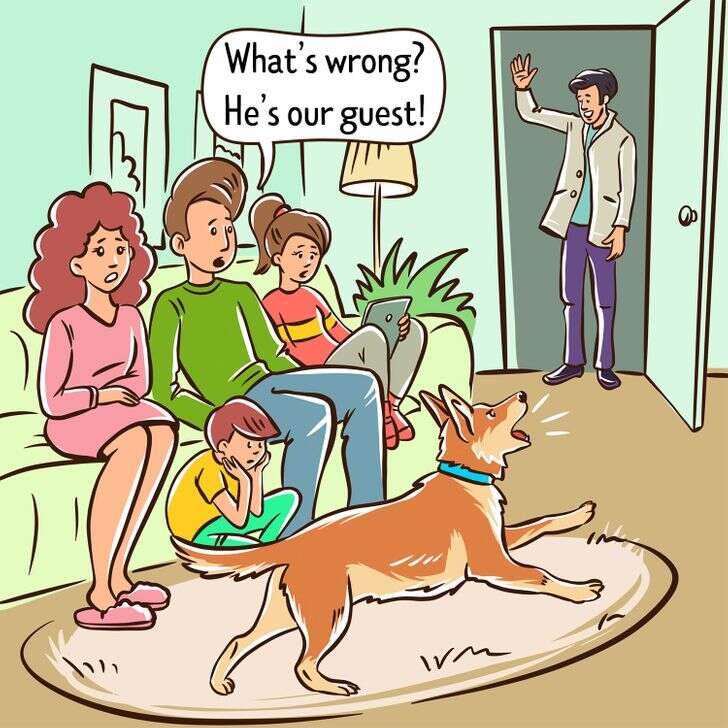
Owners sometimes ask "what dog doesn't bark" because they want a quieter dog at home. Training can reduce unwanted barking. Here are practical, humane tactics.
- Identify triggers — Note what prompts vocalization: visitors, other dogs, boredom, or fear.
- Reward quiet — Use treats or praise when the dog is calm and silent.
- Teach a "quiet" cue — Reward the dog for a brief pause, then add a verbal cue for longer silence.
- Enrich the environment — Toys, walks, and mental games reduce boredom-related barking.
- Avoid punishment — Scolding can increase anxiety and barking. Positive methods work best.
In my experience, consistent short sessions of training beat infrequent long ones. Quiet is a behavior you can shape.

When lack of barking is a concern
Sometimes not barking is a problem. Here’s when to pay attention.
- Safety signals — Dogs alert owners to danger. A silent dog may not signal emergencies.
- Social isolation — A dog avoiding vocalization might be fearful or stressed.
- Pain indicator — Reduced vocalizing can mean illness or pain, especially if paired with other signs.
- Behavioral changes — A normally vocal dog that becomes quiet needs assessment.
If you’re unsure, documenting changes and checking with a vet or behaviorist is wise. Quick action can prevent escalation.

Cultural, linguistic, and riddle-based angles
Language shapes how we ask "what dog doesn't bark." Riddles use double meanings. Cultural tales may mention quiet dogs as loyal or mysterious.
Understanding idioms helps. For instance, "silent as a dog" varies by culture. Puns like "what dog doesn't bark" highlight playful language. These angles make the phrase popular in puzzles and conversations.
When answering the riddle, context matters. A child expects humor. A pet owner may want practical info. Tailoring your response helps the listener.
My personal experience and lessons learned
I once fostered a Basenji mix named Kiko. People asked "what dog doesn't bark" and expected silence. Kiko yodeled instead. That taught me to listen to the dog’s natural sounds, not force silence.
I also worked with a rescue that barely vocalized after trauma. Patience, routine, and vet care helped her regain confidence and a normal vocal range. The key lessons I learned:
- Observe before acting. Note triggers, health, and history.
- Use positive training. Small, consistent rewards change behavior.
- Seek professional help when needed. Veterinarians and trainers can diagnose and treat root causes.
These experiences made me better at answering both the riddle and real-life questions about quiet dogs.
Practical tips: if you want a quieter dog or need to help a silent dog
Here are short, actionable tips whether you mean the riddle or real life.
- If you want quiet, consider breeds known for calm temperament and research breeders or rescues.
- For existing dogs, track when and why they vocalize. Then use targeted training.
- If a dog stops barking suddenly, get a vet check for medical issues.
- Use enrichment toys and regular exercise to reduce boredom-based barking.
- Be patient. Behavior change takes time and consistency.
These steps help resolve the common query "what dog doesn't bark" in practical terms.
Frequently Asked Questions of what dog doesn't bark
What does the riddle "what dog doesn't bark" mean?
The riddle plays on words. The classic answer is "a hot dog," because it’s food and cannot bark. It shows how language can be funny and misleading.
Which dog breed truly does not bark?
No breed is absolutely silent, but the Basenji is famous for being nearly barkless and produces yodel-like sounds. Individual dogs vary even within a breed.
Could a dog stop barking due to health reasons?
Yes. Conditions like laryngeal paralysis, injury, deafness, or illness can reduce or change barking. A veterinarian should evaluate sudden changes.
How can I train my dog to be quieter?
Identify triggers, reward quiet moments, teach a "quiet" cue, and increase mental and physical exercise. Avoid punishment, and keep training consistent and short.
Is a quiet dog always a problem?
Not always. Many calm dogs are healthy and content. But sudden or unusual silence can signal fear, pain, or medical issues that need attention.
Conclusion
Whether you were asking the riddle or wondering about a pet, "what dog doesn't bark" has playful and practical answers. The classic riddle answer is a hot dog, while real-life answers include quiet breeds like the Basenji, medical causes, and trained behavior. Watchful observation, gentle training, and vet checks resolve most concerns.
Takeaway: listen closely, ask why, and act with patience. If you liked this guide, try a training session, check your dog’s health, or leave a comment about your quiet dog story.

Pet Care Writer & Researcher
Daniel writes practical guides on daily care, feeding, and safety, turning complex topics into simple, actionable advice.