How Do You Stop A Dog Barking At Visitors: Easy Tips
Learn how do you stop a dog barking at visitors with proven training tips to reduce barking, build calm behavior, and welcome guests peacefully.
Teach calm behavior, manage the doorway, and reward your dog before barking becomes a habit.
Learning how do you stop a dog barking at visitors takes more than saying “quiet.” The best results come from finding the reason for the barking, preventing repeated outbursts, and teaching a calm response through kind, steady training. This guide explains the steps trainers and veterinary behavior experts use in real homes.
Why Dogs Bark at Visitors
Before asking how do you stop a dog barking at visitors, identify what your dog is trying to say. Barking is normal dog communication, but the trigger may be fear, excitement, territorial behavior, frustration, or a learned habit.
A dog may bark when the doorbell rings because the sound predicts action. Someone enters, people speak, and the dog gets attention. From the dog’s view, barking may seem successful.


Common causes include:
• Fear of unfamiliar people or sudden movement
• Excitement about greeting guests
• Guarding the home, yard, or family
• Frustration caused by a leash, gate, or closed door
• A lack of early social exposure
• Excess energy, boredom, or stress
• A past reward for barking, such as attention or a visitor leaving
Look at your dog’s body language. A fearful dog may tuck its tail, lower its body, lick its lips, or move away. An excited dog may bounce, wag loosely, whine, and pull toward the guest. A dog showing serious defensive behavior may stiffen, stare, growl, raise its hackles, or show its teeth.
These signs matter because the training plan should match the emotion. A fearful dog needs distance and safety. An excited dog needs impulse control. A territorial dog needs careful management and a calm routine.
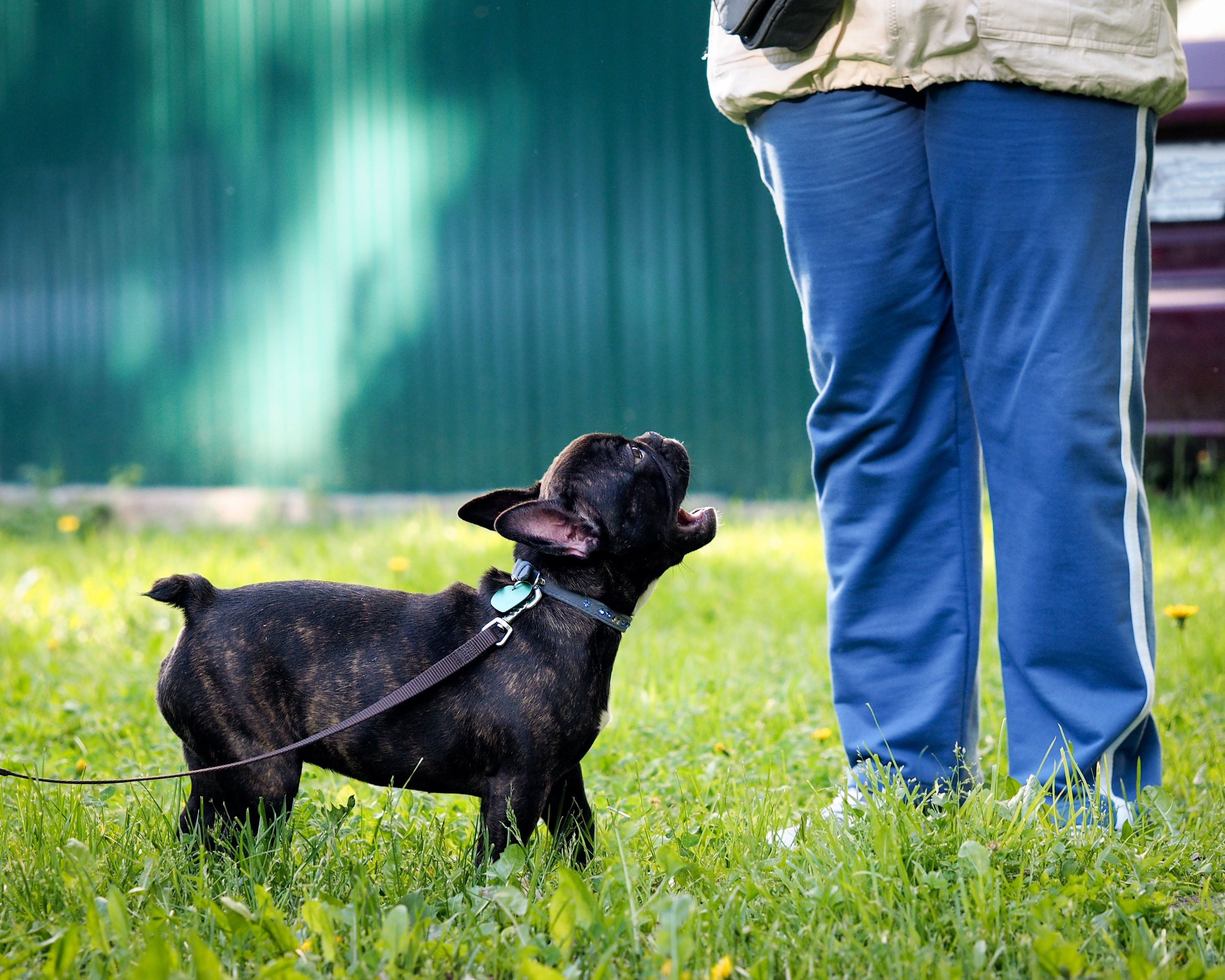


How Do You Stop a Dog Barking at Visitors Safely?
The first step is to stop your dog from practicing the behavior. Each loud greeting can make the habit stronger, much like repeating a song makes the words easier to remember.
Use management before training begins:
• Put your dog behind a baby gate before opening the door.
• Keep your dog on a leash if visitors are entering.
• Place your dog in a quiet room with a food puzzle when needed.
• Ask guests to ignore your dog at first.
• Close curtains if outside movement causes barking.
• Turn off or soften the doorbell while you train.
• Keep high-value treats near the entrance.
Management is not a failure. It is a safety tool. It gives your dog time to learn without the pressure of a real visitor standing in the doorway.
Never force a nervous dog to greet someone. Do not hold the dog in place while a stranger reaches toward it. This can increase fear and may lead to a bite. Children should not take part in visitor training unless an adult can closely supervise every interaction.
If your dog has snapped, bitten, lunged hard, or cannot settle near people, contact a certified professional trainer or a veterinary behaviorist. Choose someone who uses reward-based methods and has experience with fear and aggression.

Teach a Calm Doorway Routine
A predictable routine can answer the question, how do you stop a dog barking at visitors, more effectively than repeated corrections. Dogs learn faster when each event follows the same pattern.
Practice when no one is visiting:


-
Ask your dog to go to a mat or bed.
-
Wait for your dog to stand or sit there.
-
Reward the calm behavior at once.
-
Add a quiet sound, such as a soft knock.
-
Reward your dog for staying on the mat.
-
Slowly increase the sound and movement.
-
Release your dog only when calm.
Start with tiny steps. Tap the door once, feed a treat, and stop. Later, knock twice. Then touch the handle. After that, open the door a little. If your dog barks, the step is too hard. Make it easier and try again.
Use a release word such as “all done” or “free.” This tells your dog when the exercise ends. Without a clear release, your dog may leave the mat too soon.
The goal is not perfect silence at once. The goal is a new habit: hear a sound, move to the mat, and wait for good things. This is an example of replacing an unwanted response with a useful one.

Train “Quiet” Without Shouting
Many owners wonder how do you stop a dog barking at visitors when the dog will not stop barking long enough to listen. Begin in a calm setting, not during a full doorway outburst.
Try this method:
-
Allow one or two soft barks.
-
Hold a treat near your dog’s nose.
-
When your dog pauses to sniff, say “quiet.”
-
Give the treat immediately.
-
Wait for two seconds of silence.
-
Slowly increase the quiet time.


Your voice should stay calm. Shouting can sound like barking, and some dogs become more excited when people raise their voices.
Do not repeat “quiet” ten times. Say it once, then help your dog succeed. If your dog cannot pause, move farther from the door or use a barrier.
Reward small improvements. A dog that stays quiet for two seconds today may manage ten seconds next week. Training works like building a muscle: short, regular practice is better than one long session.
You can also reward natural quiet moments. When your dog hears a noise and looks at you without barking, mark the behavior with “yes” and offer a treat. This teaches your dog that checking in with you is useful.

Use Desensitization and Counterconditioning
If you want to know how do you stop a dog barking at visitors because of fear, use desensitization and counterconditioning. These methods change the dog’s emotional response instead of simply suppressing the bark.
Desensitization means showing the trigger at a low level. Counterconditioning means pairing that trigger with something pleasant, such as chicken, cheese, or a favorite toy.
For example:
• Ask a friend to stand far from your home.
• Give your dog treats before barking starts.
• Ask the friend to move away.
• Stop the treats when the person disappears.
• Repeat several times.
• Reduce the distance only when your dog stays relaxed.
Your dog should still eat, think, and respond to you. If your dog freezes, barks hard, lunges, or refuses food, increase the distance. The exercise has become too difficult.
This process may take days or months. The timeline depends on the dog’s age, history, genetics, and level of fear. Progress is not always straight. A stressful day can cause temporary setbacks.
Punishment can make fear worse. Studies and professional behavior groups have warned that aversive tools and harsh corrections may increase stress and aggressive responses. Reward-based training is a safer choice for visitor barking, especially when fear is involved.

Practice With a Calm Helper
Real-life practice is essential when learning how do you stop a dog barking at visitors. Choose a friend who can follow instructions and avoid sudden movements.
Before the helper arrives, prepare:
• Small, soft treats
• A leash and harness
• A mat or bed
• A baby gate
• A quiet room
• A simple plan
Tell the helper not to knock at first. Start outside, with the person standing far enough away for your dog to remain calm. Reward your dog for looking at the person, then looking back at you.
Next, have the helper walk past the home. Later, the helper can approach the door. Only after your dog succeeds with these steps should the person enter.
When the guest comes inside, ask them to:
• Avoid eye contact at first
• Turn their body slightly away
• Keep hands low and still
• Avoid reaching over the dog
• Wait for your instruction before petting
• Toss treats away from their body if the dog feels unsure
Tossing treats behind the dog can help it move away and reduce pressure. It also prevents the dog from rushing toward the guest for food.
A common mistake is allowing the helper to enter too soon. I have seen many training sessions fail because the owner jumps from “person outside” to “person sitting on the couch.” Small steps protect confidence and create better results.

Give Your Dog Enough Exercise and Mental Work
Exercise alone will not solve visitor barking, but it can lower excess energy. A dog that has spent the day bored may react more strongly to every sound.
Before expected visitors, try:
• A sniffing walk
• A short training session
• A food puzzle
• Treat searches around the yard
• Safe chewing time
Sniffing is especially useful because it lets dogs explore at their own pace. Ten minutes of calm scent work may help more than a rushed walk around the block.
Avoid exhausting your dog with intense play right before a guest arrives. Some dogs become more aroused after chasing, wrestling, or fast ball games. Choose quiet activities if excitement is the main cause of barking.
Also check your dog’s basic needs. Pain, poor sleep, hunger, and digestive discomfort can reduce tolerance. A sudden change in barking deserves a veterinary check, especially in an older dog or a dog with other behavior changes.

Mistakes That Can Make Visitor Barking Worse
Knowing how do you stop a dog barking at visitors also means knowing what not to do. Some common responses seem logical but can increase stress or reward the barking.
Avoid these mistakes:
• Yelling from across the room
• Spraying water at the dog
• Using a shock, prong, or choke collar without expert guidance
• Forcing greetings
• Rewarding the dog only after a long barking episode
• Letting every guest follow a different rule
• Opening the door while the dog rushes forward
• Punishing growling
Growling is a warning signal. If you punish it, the dog may stop warning while still feeling afraid. That can make future reactions harder to predict.
Do not reward barking by opening the door right away. Instead, use a barrier, wait for a brief pause, and then continue. If your dog cannot pause, end the greeting and try a simpler practice later.
Consistency matters. Every person in the home should use the same cue, the same safe setup, and the same reward plan. Mixed signals slow learning.

When to Get Professional Help
Some cases need more than home training. Seek professional help if your dog:
• Has bitten or tried to bite a visitor
• Lunges at people with strong force
• Cannot eat near the trigger
• Shows severe fear or panic
• Guards one family member
• Escalates despite careful training
• Barks for long periods and cannot settle
A veterinary behaviorist can check for medical factors and create a treatment plan. A qualified reward-based trainer can help with setup, timing, and safety.
Ask a professional about their methods before booking. Good questions include:
• Do you use reward-based training?
• Have you worked with fearful or reactive dogs?
• How will you keep visitors safe?
• What equipment do you recommend?
• Will you work with my veterinarian if needed?
Be cautious of anyone who promises a quick cure or says every dog needs dominance-based handling. Behavior has many causes, and honest professionals explain both the likely progress and the limits of training.

How Long Does It Take to Stop Visitor Barking?
The answer depends on why the dog barks and how often the behavior occurs. A young dog with mild excitement may improve within a few weeks of daily practice. A fearful adult dog with a long history may need several months of careful work.
Track progress with simple notes:
• What caused the bark?
• How far away was the visitor?
• How long did the dog stay calm?
• Did the dog accept food?
• How quickly did the dog recover?
Recovery time is important. A dog that barks once but settles in ten seconds is making progress. A dog that continues barking for twenty minutes may need more distance and better management.
Expect setbacks. Guests may arrive unexpectedly, or a delivery person may move too fast. Do not treat one difficult day as proof that training failed. Return to an easier step and rebuild.
The most useful question is not only how do you stop a dog barking at visitors, but also how do you help your dog feel safe and know what to do instead. That change creates lasting behavior.
Frequently Asked Questions About How Do You Stop a Dog Barking at Visitors
Should I ignore my dog when it barks at visitors?
Ignoring barking may help when your dog wants attention, but it is not enough for fear or territorial behavior. Use distance, a barrier, calm training, and rewards to teach a better response.
Should I punish my dog for barking at the door?
Punishment can increase fear and excitement, especially if your dog does not understand what behavior you want. Teach a replacement behavior, such as going to a mat, and reward quiet pauses.
How do I stop my dog from barking when the doorbell rings?
Practice the doorbell at a very low volume or use a recording. Pair the sound with treats, then teach your dog to go to a bed before slowly increasing the sound level.
Should visitors give my dog treats?
Visitors can toss treats from a distance if your dog feels comfortable. They should not reach toward, corner, or force contact with a nervous dog.
Can exercise stop my dog from barking at guests?
Exercise and mental work can reduce excess energy, but they do not fix fear or poor visitor habits by themselves. Combine enrichment with doorway management and reward-based training.
Is a bark collar a good solution for visitor barking?
A bark collar may suppress noise without changing the reason for the behavior. It can increase fear or stress, so reward-based training and professional guidance are safer options.
Why does my dog bark at visitors but not family members?
Family members are familiar, while visitors may seem unpredictable or threatening. Your dog may also have learned that barking makes unfamiliar people move away or brings extra attention.
Conclusion
The best way to stop a dog barking at visitors is to combine safety, management, and steady reward-based training. Find the cause, prevent repeated rushing and barking, teach a mat or quiet cue, and practice with calm helpers in small steps.
Do not expect instant silence. Aim for a dog that can notice a visitor, look to you, and settle with support. Start today with one quiet doorway exercise, and consider working with a qualified trainer if fear or aggression is present. Share your progress with your veterinarian or training professional, and keep building the calm routine your dog can trust.

Pet Care Writer & Researcher
Daniel writes practical guides on daily care, feeding, and safety, turning complex topics into simple, actionable advice.