How Much Food Should I Feed My Large Breed Dog: Feeding Guide
Learn how much food should I feed my large breed dog with easy portion tips, feeding schedules, and guidance for healthy growth and weight.
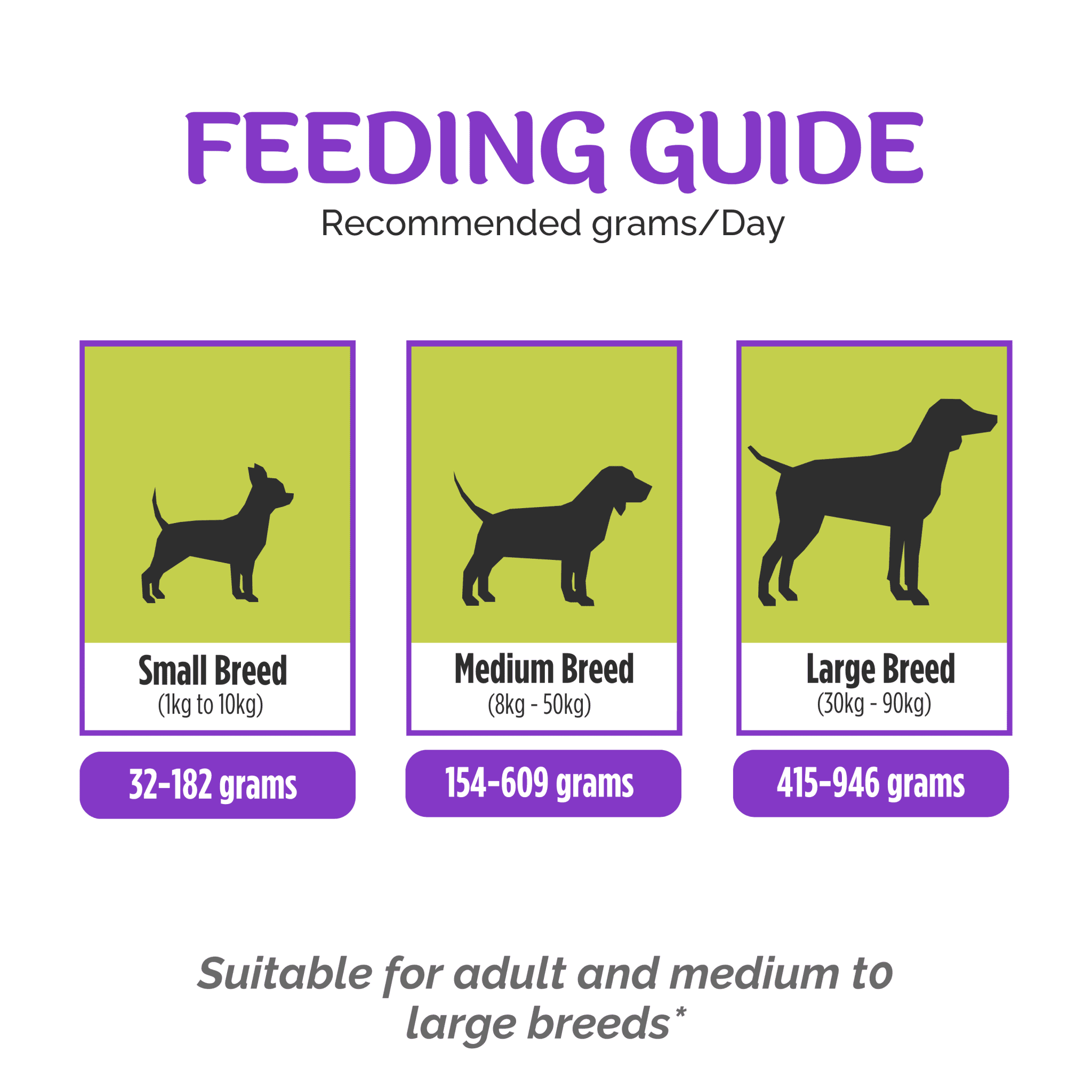
A large-breed dog often needs about 1,800 to 2,500 calories per day as an adult, but the right amount depends on body weight, age, activity, health, and the food’s calorie content. A 90-pound Labrador may need a different portion than a 90-pound Great Dane.
Start with the feeding guide on your dog food label. Then adjust the portion to keep your dog at a healthy body condition. Most adult dogs should have a visible waist, ribs that you can feel without pressing hard, and a light tummy tuck.
For a more accurate estimate, use your dog’s weight in kilograms and the calorie information on the food label. This guide explains how.

Quick answer: large-breed dog feeding chart
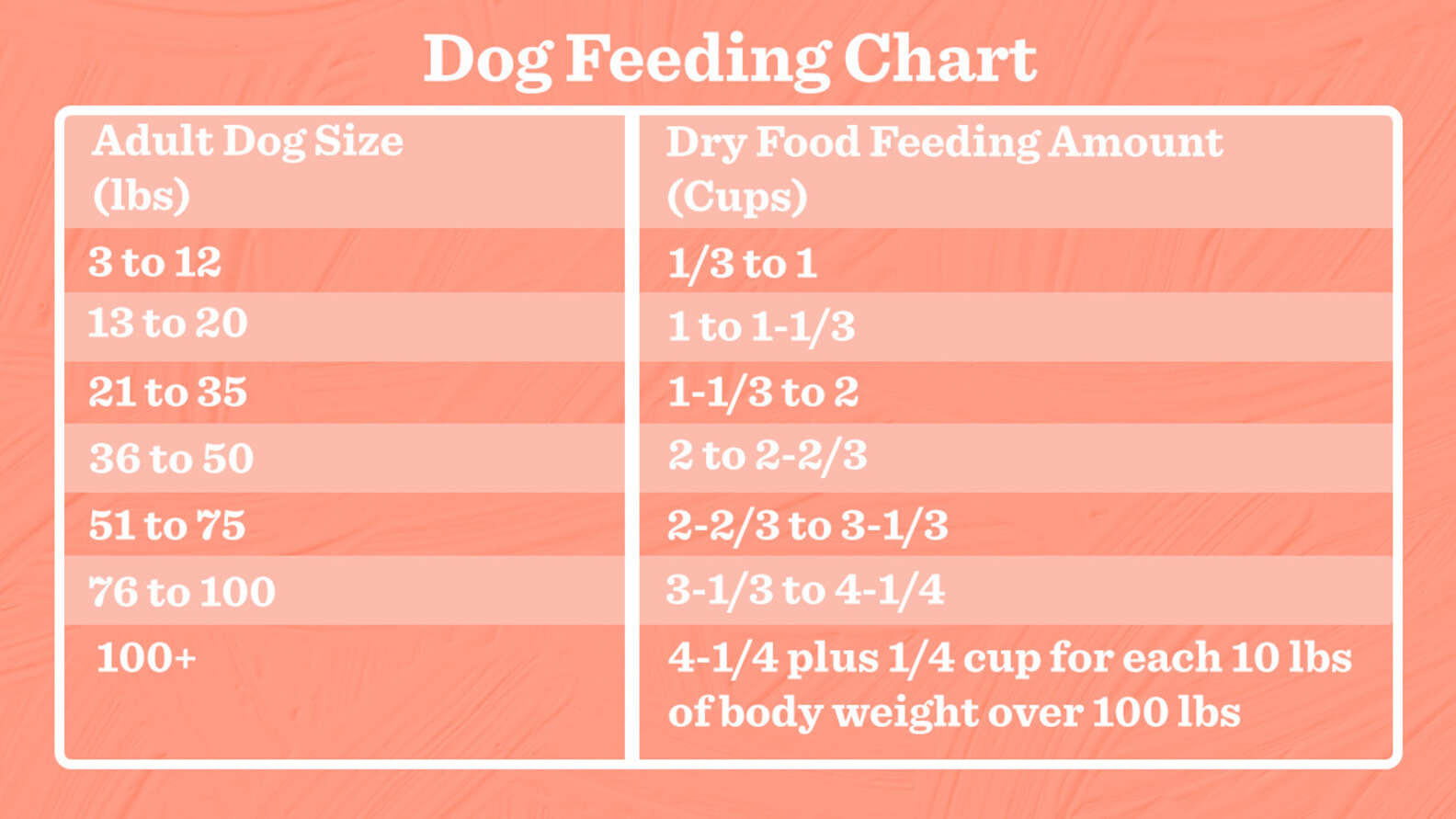
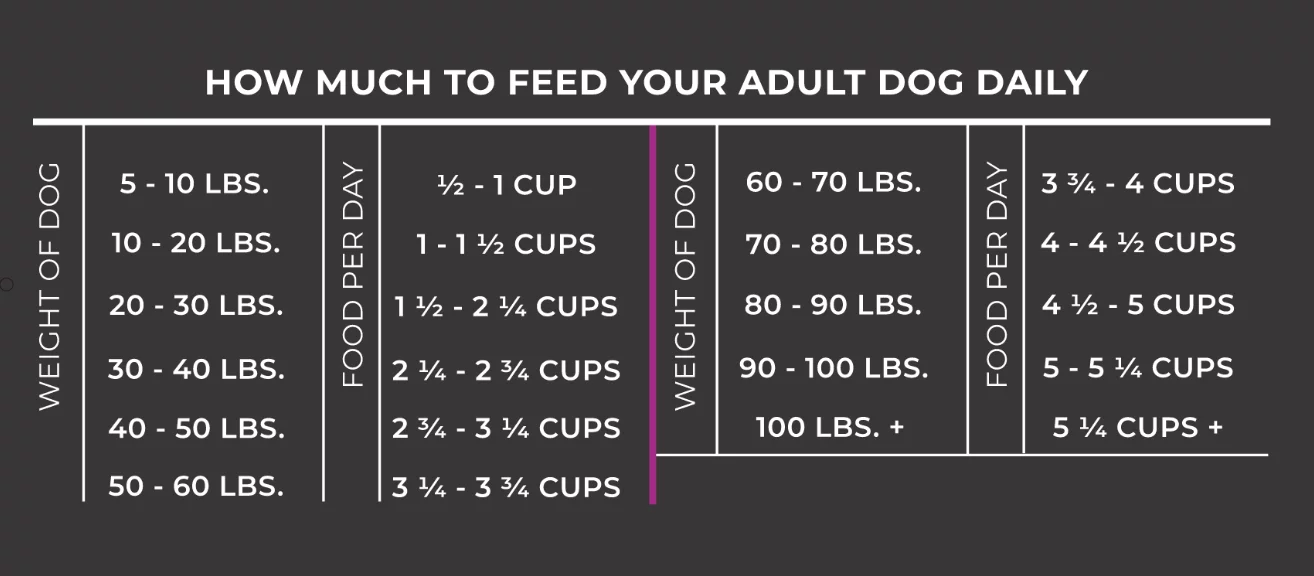
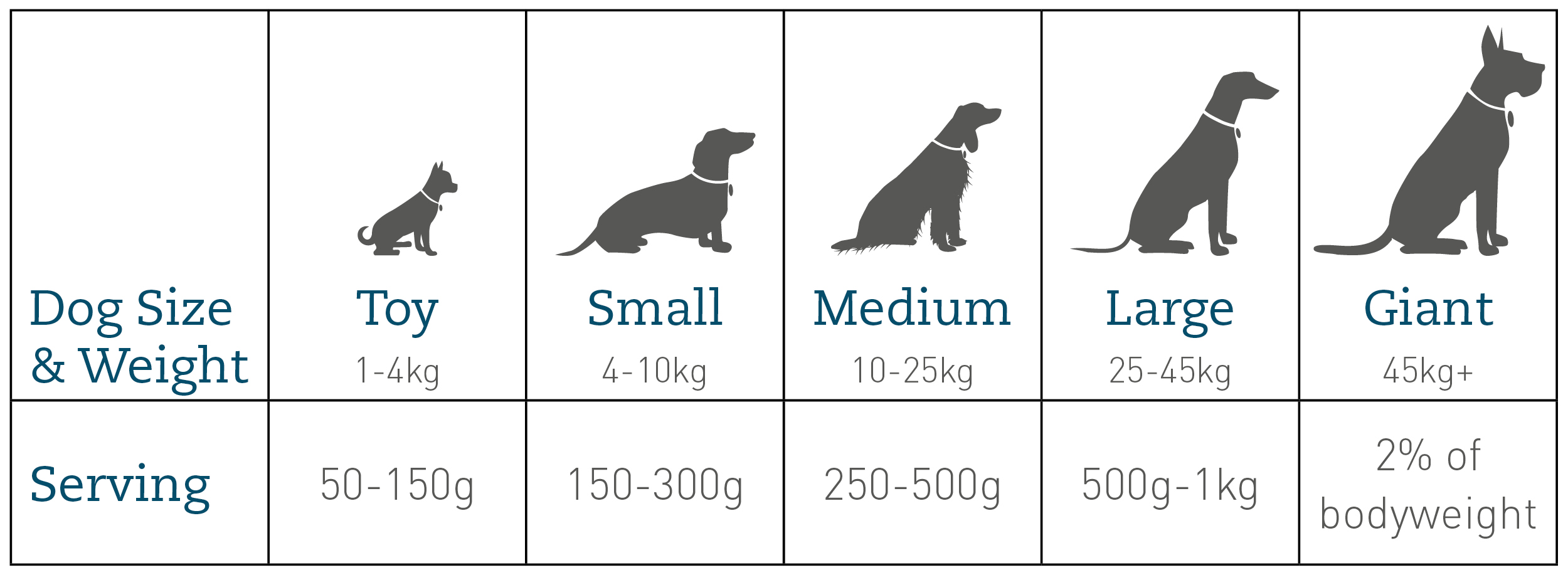
The table below gives a starting estimate for a healthy adult dog with normal activity. It is based on roughly 1,600 to 2,400 calories per day, but real needs can vary widely.
| Dog’s body weight | Approximate daily calories | Food at 350 kcal per cup | Food at 400 kcal per cup |
|---|---|---|---|
| 50 lb | 1,150–1,450 kcal | 3.25–4.1 cups | 2.9–3.6 cups |
| 60 lb | 1,300–1,650 kcal | 3.7–4.7 cups | 3.25–4.1 cups |
| 70 lb | 1,450–1,850 kcal | 4.1–5.3 cups | 3.6–4.6 cups |
| 80 lb | 1,600–2,050 kcal | 4.6–5.9 cups | 4–5.1 cups |
| 90 lb | 1,750–2,250 kcal | 5–6.4 cups | 4.4–5.6 cups |
| 100 lb | 1,900–2,450 kcal | 5.4–7 cups | 4.75–6.1 cups |
| 120 lb | 2,150–2,800 kcal | 6.1–8 cups | 5.4–7 cups |
| 140 lb | 2,400–3,100 kcal | 6.9–8.9 cups | 6–7.75 cups |
These are starting ranges, not fixed prescriptions. Some calm, neutered dogs need much less. Active working dogs may need more. A dog with a medical condition may need a diet and amount set by a veterinarian.
The calorie value matters because one cup of food may contain 300 calories, while another may contain 500 calories. A cup is a volume measure, not a nutrition measure.
How to calculate your dog’s daily food amount
The most useful method is to estimate daily calories first, then convert calories into cups or grams.
Step 1: Convert pounds to kilograms
Divide your dog’s weight in pounds by 2.2.
For example:
- 70 pounds ÷ 2.2 = about 31.8 kilograms
- 90 pounds ÷ 2.2 = about 40.9 kilograms
- 120 pounds ÷ 2.2 = about 54.5 kilograms
Step 2: Estimate resting energy needs
A common veterinary formula is:
RER = 70 × body weight in kilograms^0.75
RER means resting energy requirement. It estimates the calories needed for basic body functions while resting.
A 90-pound dog weighs about 40.9 kilograms:
70 × 40.9^0.75 = about 1,130 calories per day
This is not usually the final daily amount for a healthy adult dog. Most adult dogs need more than their resting requirement.
Step 3: Apply an adult-life-stage factor
Common starting factors include:
- Neutered adult dog: about 1.6 × RER
- Intact adult dog: about 1.8 × RER
- Low-energy or obesity-prone dog: sometimes 1.2–1.4 × RER
- Puppy under 4 months: about 3 × RER
- Puppy over 4 months: about 2 × RER
- pregnant or nursing dog: needs vary by stage and litter size
For the 90-pound example:
- RER: about 1,130 calories
- Neutered adult estimate: 1,130 × 1.6 = about 1,810 calories
- Intact adult estimate: 1,130 × 1.8 = about 2,035 calories
These formulas are useful starting points. They do not replace monitoring or veterinary advice.
Step 4: Convert calories into cups
Find the food’s calorie statement on the package. It may say something like:
400 kcal per cup
If your dog needs about 1,800 calories:
1,800 ÷ 400 = 4.5 cups per day
Split that into two meals:
- Morning: 2.25 cups
- Evening: 2.25 cups
A kitchen scale is more accurate than a measuring cup. If the package lists calories per kilogram, weigh the food in grams and calculate from that value.
How much food does a large-breed puppy need?
Large-breed puppies need enough food to grow, but overfeeding can make them grow too fast. Rapid growth may increase stress on developing bones and joints.
Choose a food labeled for growth of large-size dogs or for all life stages that includes growth of large-size dogs. In the United States, the Association of American Feed Control Officials (AAFCO) nutrient profile statement can help you identify whether the food is intended for large-breed growth.
Feed large-breed puppies according to their age, current weight, expected adult size, and body condition. The package chart is a starting point, but it may not match your puppy’s exact needs.
General puppy feeding schedule
Most large-breed puppies do well with:
- 8 to 12 weeks: 3 to 4 meals per day
- 3 to 6 months: 3 meals per day
- 6 to 12 months: 2 meals per day
- After 12 months: often 2 meals per day, depending on breed and maturity
Some giant breeds mature later than large breeds. Your veterinarian can help decide when to change from puppy food to adult food.
Keep large-breed puppies lean
You should be able to feel the puppy’s ribs with a thin layer of fat over them. The puppy should have a waist when viewed from above and a gentle abdominal tuck from the side.
Do not add calcium or vitamin supplements unless your veterinarian prescribes them. A balanced commercial diet already contains carefully measured nutrients. Extra calcium can be harmful during large-breed growth.
Avoid free-choice feeding, where food stays available all day. Scheduled meals make it easier to track intake and reduce overeating.

How much should senior, active, or overweight large dogs eat?
The correct amount changes with lifestyle and health.
Senior dogs
Senior dogs may need fewer calories if they move less or lose muscle. However, age alone does not mean a dog should eat very little. A senior dog that loses weight, muscle, or appetite may have a health problem.
Ask your veterinarian to check for conditions such as:
- Dental pain
- Kidney disease
- Diabetes
- Thyroid problems
- Cancer
- Digestive disease
- Arthritis or other pain
A senior dog may benefit from a diet with a different calorie level, protein profile, or fiber content. The right diet depends on the dog, not just the age printed on the calendar.
Active or working dogs
Dogs that hike, run, hunt, compete, or work outdoors may need more calories. Increase food slowly and watch body condition rather than making a large change at once.
Dogs exercising in cold weather may also need more energy. Heat, stress, and intense exercise can change appetite and hydration needs. Always provide clean water.
Overweight dogs
Do not sharply cut food without a plan. A sudden large reduction can leave a dog hungry and may reduce important nutrients.
A safer approach is to:
- Confirm the dog’s body condition with a veterinarian.
- Weigh the current daily food.
- Count treats, chews, table scraps, and supplements.
- Set a measured calorie target.
- Recheck weight every two to four weeks.
A common veterinary goal is gradual weight loss, often about 1% to 2% of body weight per week. The appropriate rate may differ for an individual dog.
How to tell if you are feeding the right amount
Your dog’s body condition is more useful than the bowl alone.
Use these checks:
- You can feel the ribs with light pressure.
- The waist is visible from above.
- The abdomen rises slightly toward the back legs.
- The dog has good energy for its age and health.
- Weight stays fairly stable over time.
- The coat, stool, and appetite remain normal.
The Body Condition Score system from the World Small Animal Veterinary Association commonly uses a 1-to-9 scale. A score of 4 or 5 out of 9 is often considered ideal.
If your dog is gaining weight
Check the full daily intake first. Include:
- Main meals
- Training treats
- Dental chews
- Pill pockets
- Peanut butter
- Leftover meat
- Supplements with calories
- Food given by other family members
Then reduce calories gradually or ask your veterinarian for a weight-loss plan. Do not rely only on smaller-looking portions, because different foods have different calorie densities.
If your dog is losing weight
First check whether the food amount, appetite, and feeding routine changed. Weight loss can also signal illness, especially when it occurs with thirst, vomiting, diarrhea, fatigue, or a poor appetite.
Contact your veterinarian if weight loss is unexplained or continues despite normal eating.
How many meals should a large dog eat each day?
Most adult large dogs do well with two measured meals per day. Two meals can help control hunger and make it easier to monitor how much the dog eats.
Avoid feeding one very large meal, especially in dogs with a deep chest. Large meals may increase the risk of gastric dilatation-volvulus, also called bloat. Bloat is a life-threatening emergency.
To reduce risk:
- Feed two or more smaller meals.
- Avoid vigorous exercise before and after meals.
- Slow down dogs that gulp food.
- Do not raise the food bowl unless your veterinarian recommends it.
- Keep the feeding routine calm.
- Ask your veterinarian about your dog’s individual risk.
Call an emergency veterinarian at once if your dog has a swollen belly, repeated unsuccessful attempts to vomit, heavy drooling, restlessness, weakness, or collapse.

How much should treats count toward daily food?
Treats and extras should generally provide no more than 10% of daily calories. The remaining 90% should come from a complete and balanced diet.
For a dog eating 1,800 calories per day:
- Treat budget: about 180 calories
- Main food budget: about 1,620 calories
A large biscuit, dental chew, or piece of fatty meat may contain more calories than expected. Check the package when calories are listed.
You can also use part of your dog’s regular kibble as training rewards. This avoids adding as many extra calories. If you give high-calorie treats, reduce the meal slightly, but do not remove so much food that the overall diet becomes unbalanced.

Dry food, wet food, and homemade food
The feeding method changes with the type of food.
Dry food
Dry food is often measured in cups, but weighing it in grams gives better control. Use the calorie statement on the bag, not the cup size alone.
Wet food
Wet food may contain fewer calories per can because it has more water. Compare the calories per can or pouch, then calculate the total daily amount.
Do not compare one cup of dry food with one cup of wet food without checking calories. The water content can make the comparison misleading.
Mixed feeding
If you feed both wet and dry food, count the calories from both. For example:
- Daily target: 1,800 calories
- Wet food: 500 calories
- Calories left for dry food: 1,300 calories
- Dry food: 400 calories per cup
- Dry food amount: 1,300 ÷ 400 = 3.25 cups
Homemade diets
A homemade diet can be difficult to balance, especially for a growing large-breed puppy. Recipes from social media or general websites may lack the right levels of calcium, phosphorus, vitamins, or trace minerals.
If you want to feed homemade food, ask your veterinarian for a referral to a board-certified veterinary nutritionist. Use a recipe designed for your dog’s life stage and follow it exactly.
Common feeding mistakes to avoid
The most common problem is treating the package feeding chart as an exact prescription. The chart cannot account for every dog’s metabolism, activity, health, or body condition.
Other mistakes include:
- Measuring food by sight
- Filling the bowl several times without tracking the total
- Ignoring treat calories
- Feeding puppy food to an adult dog for too long
- Giving large-breed puppies extra calcium
- Making sudden diet changes
- Letting several people feed the dog
- Using a regular adult diet for a large-breed puppy
- Cutting food sharply without veterinary guidance
- Assuming a hungry dog always needs more food
Change diets over about seven days unless your veterinarian gives different instructions. A gradual change may reduce digestive upset.
When should you call a veterinarian?
Ask your veterinarian for help if your dog:
- Gains or loses weight without a clear reason
- Has ongoing vomiting or diarrhea
- Drinks or urinates much more than usual
- Stops eating for a day
- Eats normally but keeps losing weight
- Becomes weak, tired, or painful
- Has trouble chewing
- Is a large-breed puppy with poor growth
- May have swallowed a foreign object
- Shows signs of bloat
Puppies, pregnant dogs, nursing dogs, dogs with chronic disease, and dogs on prescription diets need more individualized feeding plans.
Your veterinarian can assess body condition, muscle mass, dental health, activity, and medical history. That information is more useful than weight alone.
Key takeaways
- Start with the dog food label, but treat its chart as an estimate.
- Calculate calories when possible because cups differ by food.
- Most healthy adult large dogs need two measured meals per day.
- Keep treats near 10% or less of daily calories.
- Feed large-breed puppies a diet made for large-size growth.
- Keep puppies lean and avoid extra calcium unless prescribed.
- Adjust food based on body condition and weight trends.
- Contact a veterinarian for unexplained weight change or digestive symptoms.
Frequently asked questions
Is 4 cups of food a day too much for a large dog?
Not always. Four cups may be too much for a calm 70-pound dog if the food is very calorie-dense, but too little for an active 100-pound dog eating a low-calorie food. Check the calories per cup and your dog’s body condition.
Should large dogs eat once or twice a day?
Twice daily is a common choice for adult large dogs. Smaller meals may help reduce the size of each meal and can support a steady routine. Dogs at risk of bloat should follow a feeding plan made with a veterinarian.
How do I know whether my dog is overweight?
Feel the ribs and look at the waist. You should be able to feel the ribs without pressing hard, see a waist from above, and see a slight tummy tuck from the side. A veterinarian can confirm the body condition score.
Can I feed my large-breed puppy adult dog food?
Use a diet that meets the nutritional needs of large-breed growth. Many adult foods do not provide the nutrient balance needed for a growing large or giant breed. Check the AAFCO nutritional adequacy statement and ask your veterinarian if you are unsure.
Should I use a measuring cup or a food scale?
A food scale is more precise. It helps you measure grams and maintain the same portion each day. This matters when your dog needs a controlled calorie intake or when the food has small, dense pieces.
Final recommendation
For a practical starting point, weigh your dog, check the food’s calories per cup or kilogram, and divide the daily amount into two meals. Watch body condition for two to four weeks, then adjust in small steps.
If your large-breed dog is a puppy, overweight, underweight, pregnant, nursing, elderly, or affected by illness, use a veterinarian-guided calorie plan instead of relying on a general chart.
Sources and evidence
- Association of American Feed Control Officials: Pet Food and Labeling Information
- World Small Animal Veterinary Association: Global Nutrition Guidelines
- Merck Veterinary Manual: Nutritional Requirements of Small Animals
- American College of Veterinary Surgeons: Gastric Dilatation-Volvulus

Pet Care Writer & Researcher
Daniel writes practical guides on daily care, feeding, and safety, turning complex topics into simple, actionable advice.