What Foods Can You Feed Your Dog: Safe And Healthy Choices
Learn what foods can you feed your dog safely, from healthy treats to foods to avoid. Get practical feeding tips for a happier, healthier pet.
Dogs can eat lean meats, cooked eggs, plain vegetables, some fruits, and other safe foods in small amounts.
Knowing what foods can you feed your dog helps you add variety without upsetting their stomach or harming their health. A dog’s main diet should be complete and balanced, but the right human foods can provide tasty training rewards and useful nutrients. This guide explains safe choices, serving sizes, foods to avoid, and simple ways to feed them responsibly.
What foods can you feed your dog safely?
The best people foods for dogs are plain, fresh, and cooked without salt, butter, oil, sauces, or spices. Introduce one new food at a time so you can spot signs of an allergy or stomach upset.
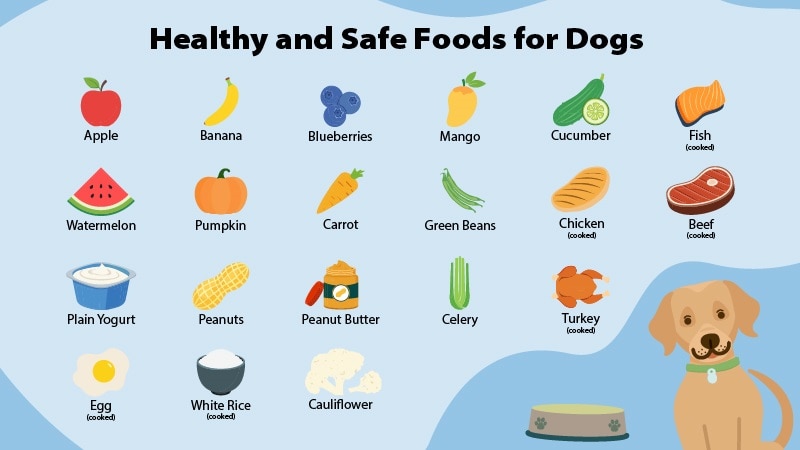
Here are safe options for most healthy dogs:
• Lean meat, such as cooked chicken, turkey, beef, or pork without bones
• Plain cooked eggs
• Cooked fish with all bones removed
• Carrots, green beans, peas, and pumpkin
• Apples without seeds or the core
• Blueberries, strawberries, and bananas in small portions
• Plain white rice or oatmeal
• Plain, unsweetened yogurt if your dog tolerates dairy
• Peanut butter without xylitol
• Small amounts of cooked sweet potato
These foods should support your dog’s normal diet, not replace it. Commercial dog food labeled complete and balanced is designed to provide the vitamins, minerals, protein, fat, and calories dogs need each day.

What foods can you feed your dog for protein?
Protein helps maintain muscles, skin, organs, immune function, and energy. Dogs can safely eat several cooked protein foods, but the preparation matters as much as the ingredient.
Cooked chicken and turkey
Plain chicken and turkey are popular choices because they are lean and easy to digest. Remove the skin, fat, seasoning, and all bones before serving.
Do not feed cooked poultry bones. They can splinter into sharp pieces and cause choking, mouth injuries, intestinal blockage, or internal damage.
Beef and pork
Lean cooked beef can be a useful treat. Trim away excess fat and avoid bacon, sausage, ham, and other processed meats because they often contain high levels of salt and fat.
Plain, fully cooked pork may be safe in a small amount, but raw or undercooked pork carries food safety risks. Fatty meat may also trigger pancreatitis in some dogs.
Eggs
Cooked eggs provide protein and other nutrients. Scramble or boil them without butter, oil, salt, or seasoning.
Avoid raw eggs as a routine treat. Raw animal foods can carry bacteria, and frequent raw egg white consumption may interfere with nutrient use.
Fish
Fully cooked salmon, whitefish, or sardines can provide protein and omega 3 fats. Remove every bone, and choose fish packed in water rather than oil or salty brine.
Never feed raw fish as a casual choice. Some raw fish may contain parasites or harmful bacteria.
What foods can you feed your dog for protein? Plain cooked meat, eggs, and boneless fish are among the safest choices when served in small portions.

What foods can you feed your dog from the fruit bowl?
Many dogs enjoy fruit, but fruit should be an occasional treat because it contains natural sugar. Wash the fruit, remove unsafe parts, and cut it into small pieces.
Dog safe fruits
• Apples, with the core and seeds removed
• Bananas, in small slices
• Blueberries
• Strawberries, with the leafy top removed
• Seedless watermelon, without the rind
• Cantaloupe, without the rind and seeds
• Mango, without the pit and skin
• Pears, without the core and seeds
• Pineapple, in small pieces without the tough outer parts
Fruit seeds, pits, and cores can create a choking or blockage risk. Some pits also contain compounds that are unsafe when chewed or eaten.
Grapes and raisins are different. Even small amounts can cause sudden kidney injury in some dogs, and there is no dependable safe dose. Do not feed grapes, raisins, currants, or foods that contain them.
What foods can you feed your dog from the fruit bowl? Apples without seeds, berries, melon, and small banana pieces are usually good options for healthy dogs.
What foods can you feed your dog from the vegetable drawer?
Vegetables can add fiber and texture with fewer calories than many processed treats. They are often useful for dogs that need weight control, but they should still be introduced slowly.
Good vegetable choices
• Carrots, raw or lightly cooked
• Green beans, plain and chopped
• Cucumber, in small pieces
• Zucchini, cooked or raw
• Peas, without added salt
• Pumpkin puree, plain and not pie filling
• Cooked sweet potato, with the skin removed if needed
• Broccoli, in tiny portions
• Celery, chopped into safe pieces
Pumpkin may help some dogs with mild loose stool because it contains fiber. It is not a cure for ongoing diarrhea, vomiting, blood in the stool, or pain. Those signs need veterinary advice.
Onions, garlic, leeks, and chives are unsafe for dogs. They can damage red blood cells and may cause anemia, even when they are cooked, dried, or included in seasoning blends.
What foods can you feed your dog from the vegetable drawer? Plain carrots, green beans, pumpkin, cucumber, and cooked sweet potato are practical choices.

What foods can you feed your dog as healthy snacks?
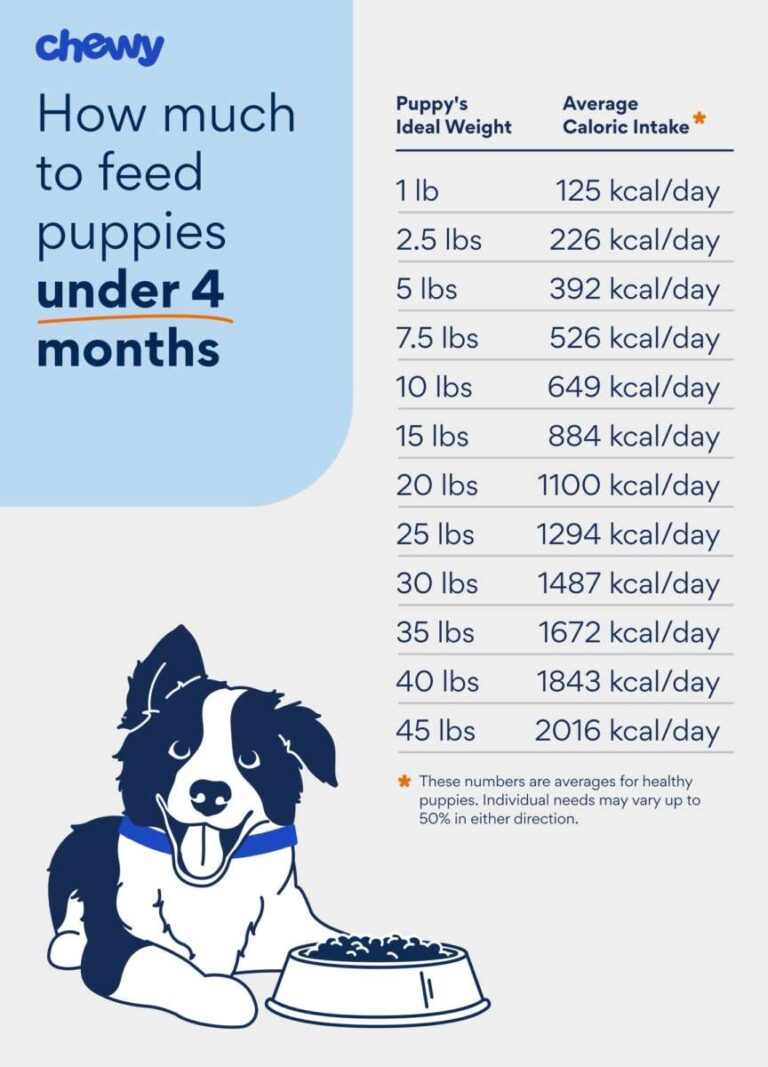
A snack should be small enough that it does not replace a balanced meal. Veterinary nutrition guidance commonly recommends keeping treats and extra foods to about 10% or less of a dog’s daily calories. The remaining calories should come from a complete and balanced diet.
Try these simple snack ideas:
• A few blueberries during training
• Small carrot pieces for a crunchy reward
• A spoonful of plain pumpkin mixed into food