What Food Should A Dog Eat: Best Healthy Diet Guide
Learn what food should a dog eat for balanced nutrition, better health, and more energy. Find safe foods, feeding tips, and expert guidance.
Most dogs should eat complete, balanced food with the right mix of protein, fat, carbohydrates, vitamins, and minerals.
Knowing what food should a dog eat helps you protect your dog’s health from puppyhood through old age. The best diet depends on age, size, activity, health, and personal needs, not just the picture on a bag. This guide explains how to choose safe dog food, read labels, plan treats, avoid harmful foods, and work with your veterinarian when special diets are needed.
What Food Should a Dog Eat?
A dog should eat a complete and balanced diet made for their life stage. This food should provide enough protein, fat, vitamins, minerals, and calories to support healthy growth, strong muscles, energy, skin, and digestion.
In the United States, look for a nutritional adequacy statement on the package. It should say the food is complete and balanced for one or more life stages, such as:
• Growth and development
• Adult maintenance
• All life stages
• Gestation and lactation
The right choice also depends on your dog’s body condition. A small, active terrier may need a different calorie level than a large, calm senior dog. Breed matters, but body shape, activity, and health matter more.
A good diet often includes:
• Named animal protein, such as chicken, turkey, beef, fish, or lamb
• Safe carbohydrates, such as rice, oats, barley, potatoes, or sweet potatoes
• Healthy fats that provide energy and support the skin and coat
• Fiber from vegetables, grains, or other plant sources
• Essential vitamins and minerals
• Adequate moisture, especially from canned food or added water
Dogs are flexible eaters. They can digest many plant foods, but they still need key nutrients in the correct amounts. Think of their diet like a sturdy table: protein, fat, carbohydrates, vitamins, minerals, water, and calories all need to work together.

How to Choose Healthy Dog Food
When deciding what food should a dog eat, start with the label rather than marketing words. Terms such as “premium,” “natural,” and “holistic” may sound appealing, but they do not always prove that a food is nutritionally superior.
Check these parts of the package:
1. The nutritional adequacy statement
This statement is one of the most important parts of the label. It confirms whether the food meets established nutrient standards for a specific life stage.
A puppy needs food for growth. An adult dog needs food for maintenance. A pregnant or nursing dog has different needs. Senior dogs may benefit from a lower calorie diet, but there is no single nutrient profile that suits every senior dog.
2. The calorie content
Two foods may look similar but contain very different calories. Follow the feeding guide as a starting point, then adjust based on your dog’s weight and body condition.
Your dog may need less food if they:
• Spend much of the day indoors
• Have been spayed or neutered
• Gain weight easily
• Receive many treats
• Have a health condition that limits activity
3. The ingredient list
Ingredients are listed by weight before cooking. A named meat near the top can be useful, but the first ingredient alone does not determine food quality.
For example, a food may list chicken first because fresh chicken contains water. After cooking, its position may change. Look at the whole formula, the nutrient statement, the company’s quality controls, and your dog’s response.
4. The manufacturer’s quality practices
Reliable companies should be able to answer questions about:
• Where ingredients come from
• Who formulates the food
• Whether finished products are tested
• How they manage contamination risks
• Whether they follow recognized manufacturing standards
A company that gives clear answers is usually more reassuring than one that relies only on emotional advertising.
Protein, Fat, Carbohydrates, and Fiber
Understanding basic nutrients makes it easier to know what food should a dog eat every day.
Protein
Protein supplies amino acids for muscles, organs, skin, hair, hormones, and immune function. Dogs need enough protein, but “more” is not always better.
Healthy protein sources may include:
• Chicken
• Turkey
• Beef
• Fish
• Eggs
• Lamb
• Pork
• Soy or other plant proteins in a properly balanced recipe
Dogs with kidney disease or other medical problems may need a carefully planned diet. Never reduce protein on your own after reading something online. Ask your veterinarian first.
Fat
Fat is a concentrated energy source. It also helps the body absorb vitamins A, D, E, and K. Essential fatty acids can support the skin, coat, brain, and immune system.
Too much fat may cause weight gain or stomach upset. Some dogs are also prone to pancreatitis, a painful condition that may require a low fat diet.
Carbohydrates
Dogs do not have a strict biological need for carbohydrates in the same way they need certain amino acids and fatty acids. Still, safe carbohydrates can provide energy, fiber, vitamins, and minerals.
Common sources include:
• Rice
• Oats
• Barley
• Corn
• Peas
• Potatoes
• Sweet potatoes
Grain free does not automatically mean healthier. Some grain free diets have been linked with diet associated canine dilated cardiomyopathy concerns, and research is still developing. Discuss grain free food with your veterinarian, especially if there is no clear medical reason to avoid grains.
Fiber
Fiber helps support regular bowel movements and healthy gut function. Pumpkin, beet pulp, oats, and some vegetables can provide fiber.
Too much fiber may reduce calorie density or cause gas and loose stools. A dog with chronic digestive issues may need a diet chosen with veterinary guidance.

Wet Food, Dry Food, Fresh Food, or Raw Food?
There is no single format that is best for every dog. What food should a dog eat may include dry kibble, canned food, fresh cooked food, or a combination.
Dry food
Dry food is convenient, easy to measure, and often less expensive per serving. It can also be useful in food puzzles and training toys.
However, dry food has low moisture. A dog that drinks little may benefit from added water or some canned food. Kibble does not replace regular dental care, and ordinary dry food should not be considered a complete dental treatment.
Canned food
Canned food contains more water and may help dogs that need extra moisture. It can be useful for picky eaters, dogs with poor appetite, and some dogs with urinary or kidney concerns.
It is usually more expensive and spoils faster after opening. Refrigerate leftovers and follow the storage instructions on the label.
Fresh cooked food
Fresh cooked diets can work when they are complete and balanced. The main risk is nutritional imbalance when meals are built from internet recipes without professional formulation.
A meal of chicken, rice, and vegetables may seem healthy, but it does not provide every nutrient a dog needs over time. Calcium, essential fatty acids, zinc, iodine, and several vitamins can be missing.
Raw food
Raw diets carry risks from harmful bacteria, broken bones, choking, intestinal injury, and nutrient imbalance. Freezing may reduce some parasites, but it does not remove every safety concern.
Raw meat can also expose people in the home to bacteria. This matters even more when children, older adults, pregnant people, or anyone with a weak immune system lives in the house.
My practical view is simple: choose the diet that your dog digests well, that meets recognized nutrient standards, and that your household can handle safely. A fancy format is not automatically a better diet.

How Much Food Should a Dog Eat?
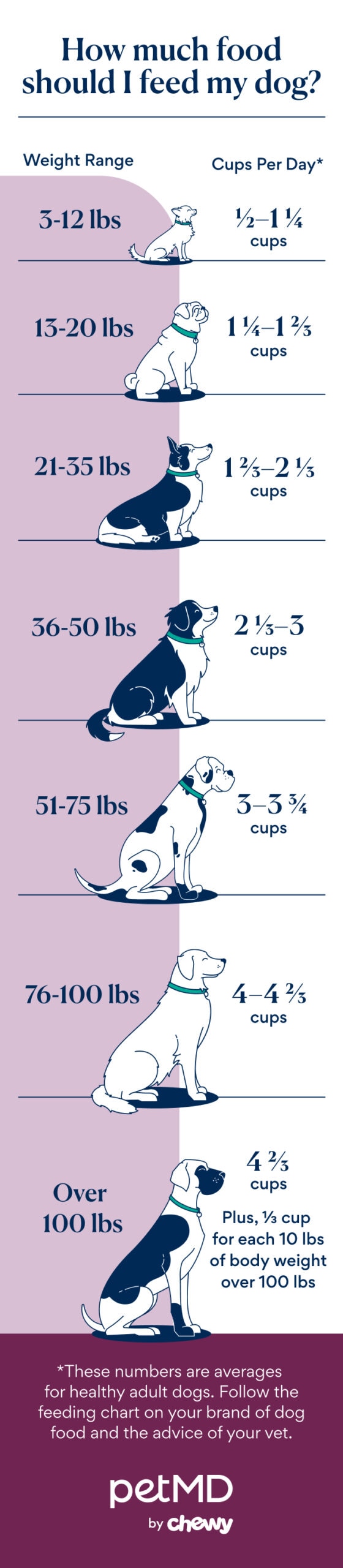
The correct amount depends on calories, body size, age, activity, metabolism, and health. Feeding charts are useful, but they are only a starting point.
Use this process:
- Check the calorie content on the package.
- Measure the food with a standard measuring cup or kitchen scale.
- Divide the daily amount into one or two meals.
- Count treats, chews, table scraps, and food used for medication.
- Check your dog’s weight and body shape every few weeks.
- Adjust portions slowly when needed.
A healthy dog should have ribs that are easy to feel but not sharply visible. There should be a visible waist when viewed from above and a slight belly tuck when viewed from the side.
Many dogs gain weight because of small extras. A bite of cheese, a dental chew, and several training treats can add more calories than expected. I have seen owners measure meals carefully while forgetting that treats can make up a large part of the daily intake.
As a general guide, treats should provide no more than about 10 percent of daily calories. The remaining 90 percent should come from a complete and balanced diet.
What Food Should Puppies, Adults, and Senior Dogs Eat?
Life stage changes what food should a dog eat. Nutrient needs are not the same for a growing puppy and an older dog.
Puppies
Puppies need food made for growth. Large breed puppies need special control of calories, calcium, and phosphorus because rapid growth can harm developing bones and joints.
Choose a puppy food that clearly states it supports growth. For large breed puppies, look for wording that includes growth of large size dogs or follow your veterinarian’s advice.
Puppies often need three or four meals each day. As they grow, meals can usually decrease to two daily meals.
Adult dogs
Adult dogs need food for maintenance. Their diet should provide enough nutrients without excess calories.
Active working dogs may need more energy than a calm companion dog. Pregnant and nursing dogs have special needs and should eat a diet designed for reproduction or all life stages under veterinary guidance.