How To Keep Dog Bed Warm: Cozy Tips For Winter
Learn how to keep dog bed warm with safe, cozy ideas for winter. Help your pup stay comfortable, snug, and warm all night long.
Keep your dog’s bed warm with insulation, soft layers, a draft-free spot, and safe heat made for pets.
Cold floors, winter drafts, thin bedding, and age can make a dog bed feel chilly. Learning how to keep dog bed warm helps your pet rest better while lowering the risk of cold stress. The safest plan combines good room placement, proper insulation, dry bedding, and careful monitoring instead of relying on high heat.
Why a Warm Dog Bed Matters
Dogs lose body heat through their skin, paws, and belly. A bed placed on tile, hardwood, or concrete can pull heat away from the body. This effect is stronger in small dogs, short-haired breeds, puppies, senior dogs, and pets with low body fat.
A warm bed also supports deeper rest. Dogs spend much of the day sleeping, so their resting space should protect them from drafts and cold surfaces. A warm bed should feel cozy, not hot.


Common signs that your dog may be cold include:
• Shivering or trembling
• Curling tightly into a ball
• Seeking blankets, laps, or warm spots
• Cold ears, paws, or belly
• Reluctance to lie down
• Whining or restlessness
Shivering is not always harmless. If your dog seems weak, confused, very sleepy, or has pale gums, move the dog to a warm area and contact a veterinarian. Severe cold exposure can become an emergency.
Breed also matters. A Siberian Husky may enjoy a cooler room, while a Chihuahua may need extra warmth. Even thick-coated dogs need a dry, protected bed during cold weather.

How to Keep Dog Bed Warm Safely
The best approach uses several small changes rather than one risky heat source. Think of the bed as a winter jacket: the outer space blocks drafts, the base stops heat loss, and the bedding holds warm air.
1. Raise the Bed Off the Floor
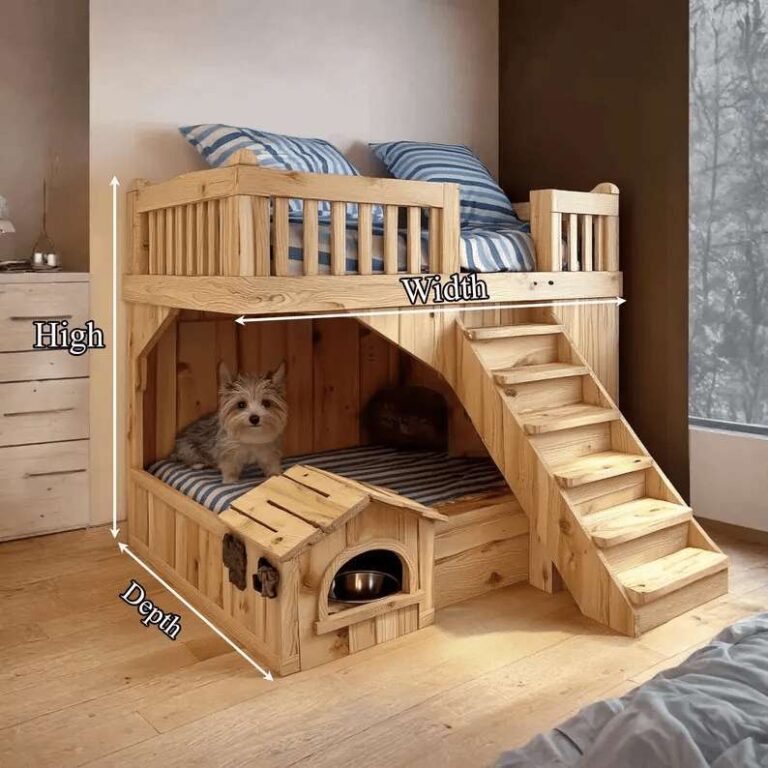
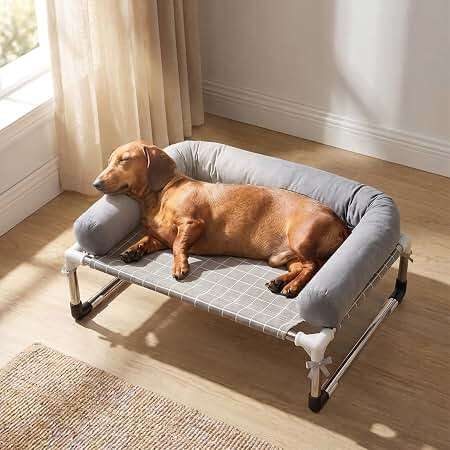
Cold air settles near the floor, and hard floors can draw warmth from your dog. Place the bed on a low platform, sturdy cot, or thick mat.
You can use:
• A raised dog cot
• A firm foam mat under the bed
• A wooden platform with safe, stable legs
• A folded rug beneath the bed
Make sure the platform does not wobble. It should also have a gentle step or low height if your dog is old or has joint pain.
Raising the bed is one of the simplest answers to how to keep dog bed warm. It reduces contact with cold flooring without adding electricity or fire risk.


2. Block Drafts
Place the bed away from doors, windows, vents, and exterior walls. A draft can make a warm bed feel cold within minutes.
Good locations include:
• A quiet corner of a living room
• A space beside, but not directly against, an interior wall
• A room with steady heat
• A protected area away from busy foot traffic
Do not place the bed right beside a heater, fireplace, or radiator. Direct heat can dry the air, overheat your dog, or create a fire hazard.
A small table, screen, or furniture piece can help block a draft. Keep the area open enough for your dog to leave the bed at any time.
3. Add an Insulating Layer Under the Bed
Insulation works by slowing the movement of heat. A thick rug, foam mat, or reflective pet mat under the bed creates a barrier between your dog and the cold floor.
Choose a base that is:
• Thick enough to cushion the body
• Dry and easy to clean
• Wide enough to support the whole bed
• Free of loose parts your dog may chew
Avoid cardboard if it becomes damp or tears easily. It may work as a short-term barrier, but it is not a durable solution.
4. Use Warm, Dry Bedding
A fleece blanket, wool-blend blanket, or insulated dog mattress can hold warm air around your pet. Layering also lets your dog move or burrow into the bedding.
Use bedding that fits your dog’s habits. For example, a burrowing dog may prefer a loose blanket, while a dog that chews may need a tightly stitched, durable bed.
Check bedding each day. Damp fabric loses insulation and can chill your dog. Wash blankets often, then dry them fully before placing them back in the bed.
5. Choose a Bed With Bolstered Sides
Bolsters act like a small wall around the bed. They help block drafts and give dogs a place to rest their head. Many dogs also feel safer in a bed that surrounds the body.
For older dogs, choose a bed with one low entry point. High sides may keep out drafts but can make access hard for dogs with arthritis.
A supportive orthopedic mattress can add comfort for senior dogs. It does not always create more heat, but it helps reduce pressure on joints and keeps the body off a cold floor.


Safe Heating Options for a Dog Bed
Some dogs need more than blankets, especially during very cold weather. If you use a heat source, select a product designed for animals and follow its instructions closely.
Pet-Safe Heated Beds
Heated dog beds use low-level warmth under or within the mattress. Look for products that:
• Are made for pets
• Have chew-resistant cords
• Include temperature control
• Have an automatic shutoff
• Meet recognized electrical safety standards
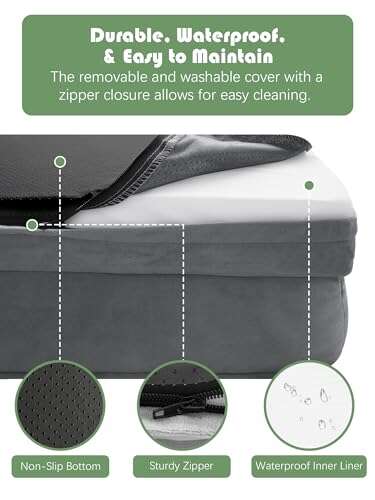
• Offer a washable cover
Inspect the cord before every use. Do not use a heated bed with exposed wires, cracks, burn marks, or a damaged plug.
A heated bed should feel gently warm. It should never feel hot to your hand. Your dog must be able to leave the bed easily.
Heated Pads Made for Pets
A pet heating pad may help a senior dog, a thin-coated dog, or a pet recovering under veterinary care. Place a cover over the pad if the product instructions allow it.
Never place a human heating pad directly under your dog. Human pads may become too hot, may lack chew protection, and can cause burns when used for long periods.
Do not use a heated pad for a dog that cannot move away from the heat. This includes some very young puppies, heavily sedated dogs, and pets with severe weakness.
Self-Warming Mats
Self-warming mats use insulating foam or reflective material to return some of the dog’s body heat. They do not need electricity, so they remove cord and electrical risks.
These mats are useful for crates, travel, and mild cold. However, they may not provide enough warmth in a very cold room or for a dog with poor temperature control.
Warm Water Bottles
A warm water bottle can provide short-term warmth, but use it carefully. Fill it with warm, not boiling, water and wrap it in a thick towel.
Check for leaks before placing it near your dog. Do not leave it unattended, and replace it when it cools. A dog may chew the bottle or become too warm if it cannot move away.
Avoid Unsafe Heat Sources
Do not place these items in or beside a dog bed:
• Electric blankets made for people
• Open heating elements
• Hot stones or bricks
• Uncovered heating pads
• Candles or space heaters within reach
• Hair dryers left running
• Heated items with exposed cords


Fire departments often warn that portable heaters need clear space around them. Keep heaters away from bedding, curtains, toys, and other flammable items.

How to Keep Dog Bed Warm at Night
Nighttime temperatures often fall, and indoor heating may cycle off. Before bed, check the room rather than guessing from the weather outside.
Keep the dog bed in a warm room with stable airflow. Close windows and doors that create drafts, but do not seal the space so tightly that air becomes stale.
A simple night routine can help:
- Dry your dog completely after an evening walk.
- Remove wet coats, towels, or muddy bedding.
- Add one clean, dry blanket.
- Check that your dog can enter and leave the bed.
- Feel the bedding with your hand before turning in.
- Check your dog once more if the night is unusually cold.
Do not cover a dog’s crate with heavy blankets on every side. Poor airflow can increase heat and reduce ventilation. Leave an open area and watch for chewing or overheating.
Some dogs prefer sleeping near their owners. If your dog sleeps in your bedroom, place the bed away from a cold window and use a washable insulating mat underneath.
How to Keep Dog Bed Warm in a Crate
A crate can feel secure, but it can also trap cold air if it sits on the floor. Place a firm mat beneath the crate and add bedding that fits without blocking the door.
The bed should not take up every inch of space. Your dog needs room to stand, turn, stretch, and leave the bedding if it feels too warm.
For crate bedding:
• Use a fitted mattress that does not bunch up
• Add a light fleece blanket if your dog does not chew fabric
• Keep bedding dry and free from loose threads
• Avoid thick layers for dogs that shred or swallow fabric
• Inspect the crate for drafts from nearby doors or windows
If your dog destroys bedding, begin with a durable, chew-resistant mat. Talk with a veterinarian or qualified trainer if the chewing is intense or linked to anxiety.
Never use an electric heating device inside a crate unless the product is specifically designed for crate use and your veterinarian agrees. A confined dog has less ability to escape heat or a damaged cord.

How to Keep Dog Bed Warm Outdoors
Outdoor sleeping requires more than a blanket. A blanket can become wet, freeze, or lose its insulating power. Dogs should not be left outdoors for long periods in dangerous cold, even if they have thick coats.
An outdoor shelter should be:
• Raised above the ground
• Small enough to hold body heat but large enough to turn around
• Protected from wind and rain
• Dry inside
• Equipped with safe, clean bedding
• Positioned away from flooding or falling snow
Straw is often used in outdoor shelters because it resists moisture better than many fabrics. Hay can hold moisture and may mold. Replace wet or dirty bedding at once.
A doghouse is not a substitute for bringing your dog indoors during extreme weather. Wind chill, wet fur, illness, age, and body size all change how quickly a dog becomes cold.
Watch your dog for signs of trouble. Persistent shivering, weakness, slow movement, pale gums, or collapse requires urgent veterinary advice.
How to Keep Dog Bed Warm for Puppies and Senior Dogs
Puppies and senior dogs often need extra care. Young puppies may not control body temperature well, while older dogs may have less muscle, thinner coats, or health problems.
Senior dogs with arthritis may feel cold more deeply because stiff joints make movement harder. A supportive orthopedic bed with an insulating layer beneath it can improve both comfort and mobility.
Puppies need safe warmth, but excessive heat can be dangerous. A puppy should have room to crawl away from a warm area. Never rely on a hot water bottle or heating pad without supervision.
Dogs with diabetes, heart disease, poor circulation, or neurological problems may not sense heat normally. Ask your veterinarian before using a heated bed for these pets.
In my experience helping owners set up rest areas, the most common mistake is adding heat before fixing drafts. Once the bed is moved off the cold floor and away from a door, many dogs need only a warm blanket.

How to Tell If Your Dog Is Too Cold or Too Hot
Your dog’s behavior provides useful clues, but it is not a perfect thermometer. A dog may shiver from fear, pain, or illness, and some pets may not react clearly to cold.
Your dog may be too cold if it:
• Shivers for more than a brief moment
• Keeps lifting or licking its paws
• Hunches tightly and refuses to move
• Has cold ears, paws, or skin
• Acts tired, weak, or confused
Your dog may be too hot if it:
• Pants heavily while resting
• Moves away from the bed repeatedly
• Has hot ears or damp fur
• Seems restless or distressed
• Shows weakness, vomiting, or unusual behavior
Give your dog control. The bed should have a warm zone and a cooler area nearby. This is safer than forcing a dog to remain on a heated surface.
If you suspect hypothermia or heat injury, contact a veterinarian promptly. Do not use very hot water, intense direct heat, or rapid cooling methods unless a professional tells you to do so.

Common Mistakes to Avoid
Learning how to keep dog bed warm also means knowing what not to do. Many unsafe setups begin with a good intention, such as placing a hot pad under a blanket or using a portable heater close to the bed.
Avoid these mistakes:
• Using a human heating pad without veterinary guidance
• Covering a dog completely with heavy blankets
• Leaving an electric bed on with a damaged cord
• Placing the bed beside a radiator or fireplace
• Using wet blankets or damp straw
• Blocking the crate door with bedding
• Ignoring chewing behavior around cords
• Assuming a thick coat prevents all cold stress
• Leaving a sick, elderly, or tiny dog outside in severe cold
One mistake I often see is making the bed too soft and deep. A dog may sink into it but struggle to stand or escape. Firm support, dry layers, and safe access matter as much as warmth.
Cleanliness matters, too. Dirty bedding can hold moisture, odors, parasites, and allergens. Wash removable covers according to the care label and dry them fully.

A Simple Warm Dog Bed Setup
You can create a safe setup with items many homes already have. Start with the room, then the floor, then the bed.
Try this arrangement:
- Select a quiet interior corner away from drafts.
- Place a washable rug or foam mat on the floor.
- Add a supportive dog bed with raised sides.
- Put a dry fleece blanket on one side of the bed.
- Leave part of the mattress uncovered so your dog can regulate comfort.
- Check the bed with your hand before use.
- Watch your dog’s behavior for signs of cold or heat.
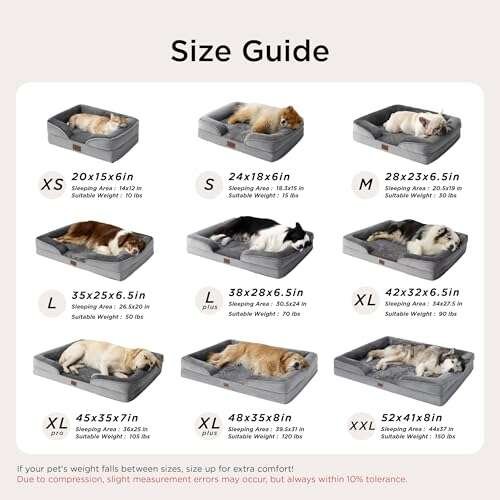
For a small dog, use a bed that fits the body without leaving large empty areas. For a large dog, choose a mattress that supports the hips, shoulders, and spine.
The right setup may change with the season. A heavy winter bed may be too warm in spring. Store extra blankets and adjust the layers as room temperature changes.

Frequently Asked Questions About How to Keep Dog Bed Warm
What is the safest way to keep a dog bed warm?
The safest method is to raise the bed from the floor, block drafts, and use dry, insulating bedding. If extra heat is needed, choose a pet-specific heated bed with safe controls and inspect it often.
Can I put a blanket over my dog’s bed?
Yes, if your dog can move away from the blanket and does not chew or swallow fabric. Avoid covering a crate completely, because your dog still needs good airflow and an easy exit.
Are heated dog beds safe?
Heated dog beds can be safe when they are made for pets, used as directed, and kept in good condition. Do not use one for a dog that cannot move away from heat, and ask your veterinarian about use for sick or recovering pets.
How do I keep my dog’s bed warm without electricity?
Raise the bed, add a foam or rug layer underneath, block drafts, and use fleece or other dry insulating bedding. Self-warming mats can also reflect body heat without cords or plugs.
Should a dog bed be off the floor in winter?
Yes, raising the bed helps reduce heat loss to cold flooring. A low platform or thick mat works well, but the setup must remain stable and easy for your dog to access.
How can I keep an outdoor dog bed warm?
Use a raised, dry, wind-protected shelter with moisture-resistant bedding. Bring your dog indoors during extreme cold, heavy rain, freezing conditions, or whenever the dog shows signs of cold stress.
Can puppies use heated dog beds?
Puppies may use carefully controlled pet heating products, but they need room to move away from the heat. Because young puppies regulate body temperature poorly, ask a veterinarian for guidance before using added heat.
Conclusion
Knowing how to keep dog bed warm is mainly about reducing heat loss and preventing unsafe heat exposure. Raise the bed, block drafts, use clean and dry layers, and choose pet-safe heating only when your dog truly needs it.
Watch your dog, not just the thermometer. Small changes can make a major difference for puppies, senior dogs, short-haired breeds, and pets with health concerns. Set up the bed today, check it each night, and share your best cold-weather dog care tips in the comments.

Pet Care Writer & Researcher
Daniel writes practical guides on daily care, feeding, and safety, turning complex topics into simple, actionable advice.