
What Is A High Quality Dog Food: Key Signs
Learn what is a high quality dog food, from balanced nutrition to safe ingredients, and find the best choice to support your dog’s health.
Introduction
A high-quality dog food is one that provides complete and balanced nutrition for your dog’s life stage, uses safe ingredients, meets U.S. labeling rules, and is made by a company with strong quality controls. It does not have to be the most expensive food, contain trendy ingredients, or use words such as “natural” and “premium.”
For dog owners in the United States, the best starting point is the nutritional adequacy statement on the label. Look for food that is complete and balanced for your dog’s life stage, such as growth, adult maintenance, pregnancy, or all life stages. Then check the calorie content, feeding guide, manufacturer information, and whether your dog does well on the food.
The term “high quality” is not a legal guarantee. A smart choice depends on evidence, your dog’s needs, and how well the food supports healthy weight, stools, skin, energy, and overall health.

What Does “High-Quality Dog Food” Really Mean?
High-quality dog food meets your dog’s nutrient needs in a safe, consistent, and practical way. The food should supply the right balance of protein, fat, carbohydrates, vitamins, minerals, and essential fatty acids.
In the U.S., the Association of American Feed Control officials (AAFCO) publishes model nutrient profiles and labeling rules. AAFCO does not approve or certify individual dog foods. Instead, state feed regulators use AAFCO standards as a basis for their regulations.
The U.S. Food and Drug Administration (FDA) oversees animal food safety and labeling under federal law. The FDA explains that pet food must be safe to eat, produced under sanitary conditions, contain no harmful substances, and be truthfully labeled.
A high-quality food should therefore meet several tests:
- It is complete and balanced for the correct life stage.
- Its calorie content is stated clearly.
- The company provides contact information and useful nutrition details.
- The food is made under quality and safety controls.
- The formula suits the dog eating it.
- The manufacturer can explain how it checks ingredients and finished products.
A food can meet minimum nutrient standards and still be a poor fit for one dog. For example, a rich food may cause loose stools in a dog with a sensitive gut. A calorie-dense food may make weight control harder. Quality includes both the food’s formulation and its fit for the individual dog.
How to Read a Dog Food Label
The label gives you more useful information than the front of the bag. Marketing words attract attention, but the small print helps you judge the food.
1. Find the nutritional adequacy statement
Look for wording such as:
“Animal feeding tests using AAFCO procedures substantiate that this product provides complete and balanced nutrition for maintenance of adult dogs.”
Or:
“This food is formulated to meet the nutritional levels established by the AAFCO Dog Food Nutrient Profiles for maintenance of adult dogs.”
This statement tells you whether the food is designed to provide all required nutrients when fed as directed.
Check the life stage:
- Growth: Puppies and young dogs.
- Adult maintenance: Fully grown dogs.
- All life stages: Growth, reproduction, and adult maintenance.
- Gestation and lactation: Pregnancy and nursing.
- Senior: Not an official AAFCO life stage. Senior foods may still be useful, but the label should also state the recognized life stage it meets.
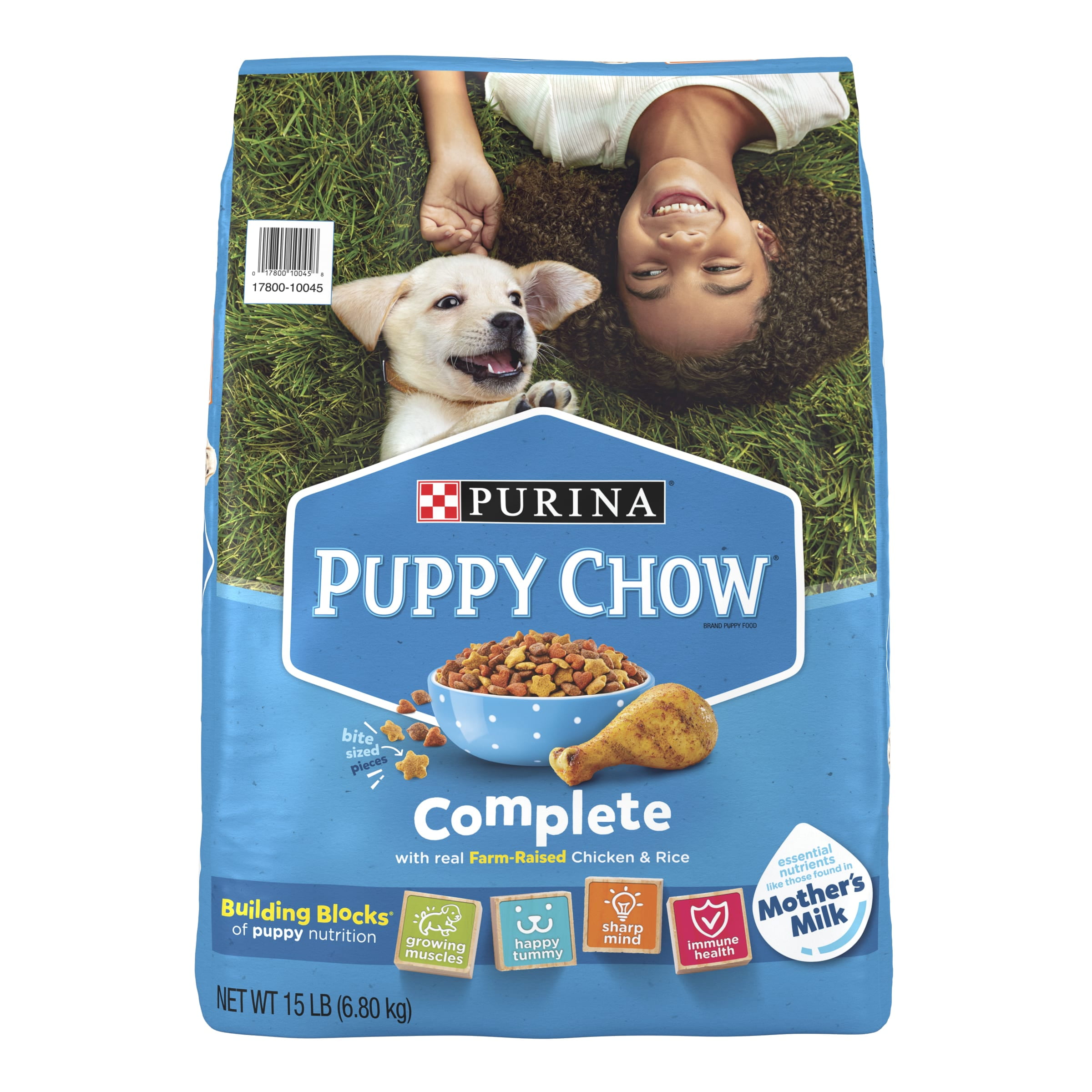
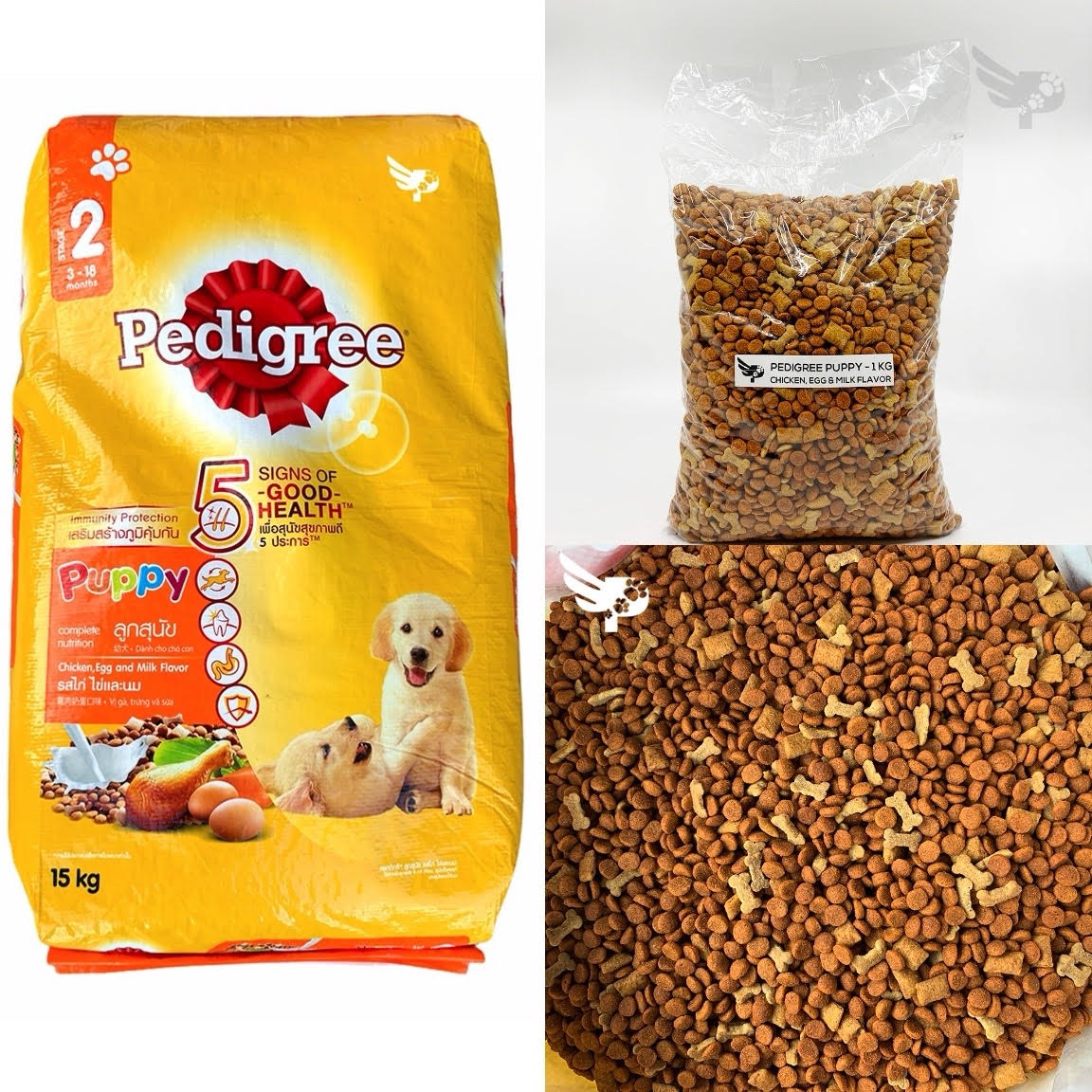
Puppy food is not automatically right for an adult dog. Large-breed puppies also have special needs for controlled growth and mineral balance. Ask your veterinarian when to switch a puppy to adult food.
2. Check the guaranteed analysis
The guaranteed analysis lists minimum or maximum amounts of certain nutrients. It commonly includes:
- Crude protein
- Crude fat
- Crude fiber
- Moisture
These numbers are useful, but they can be misleading when you compare dry food with wet food. Moisture changes the percentage shown on the label.
For a fair comparison, use a dry-matter calculation:
Dry-matter protein percentage = protein percentage ÷ (100 − moisture percentage) × 100
For example, a wet food with 10% protein and 75% moisture has:
10 ÷ 25 × 100 = 40% protein on a dry-matter basis
A dry food with 26% protein and 10% moisture has:
26 ÷ 90 × 100 = 28.9% protein on a dry-matter basis
This does not prove that the wet food is better. It only makes the protein figures easier to compare.
The guaranteed analysis also has limits. It does not show every nutrient. It does not reveal ingredient quality by itself. It does not tell you how digestible the food is or whether your dog will tolerate it.
3. Compare calories
Calorie information is one of the most useful but often overlooked parts of the label. It may appear as:
- Kilocalories per cup
- Kilocalories per can
- Kilocalories per kilogram
A dog that eats one cup of a 500-kilocalorie food gets twice the calories of a dog that eats one cup of a 250-kilocalorie food.
Use the feeding guide as a starting point, not a fixed rule. Adjust portions based on body condition, activity, age, reproductive status, and weight change. Treats should also count toward daily calories.
4. Read the ingredient list with context
Ingredients are listed by weight before cooking. Ingredients with more water may appear higher than they would in the finished food.
The list can help you identify the main protein sources, grains, fats, and supplements. However, it cannot tell you the whole nutritional story. A long list is not automatically better, and a short list is not automatically safer.
Do not judge a food only by:
- The first ingredient
- The number of ingredients
- Whether it contains grains
- Whether it contains by-products
- Whether the ingredients sound familiar
- Whether the label uses words such as “holistic” or “premium”
Some by-products are nutrient-rich animal parts. Grains can supply useful nutrients and energy. A food without grains is not automatically healthier.
Which Nutrients Should a Good Dog Food Provide?
A good dog food supplies nutrients, not just ingredients. Dogs need more than protein and fat.
Protein
Protein supplies amino acids needed for muscle, skin, organs, enzymes, hormones, and immune function. Dogs need specific amino acids in the right amounts.
The ingredient source matters, but the total nutrient profile and digestibility matter too. A food with a named animal protein can still be poorly balanced. A food with several protein sources can still be complete and balanced.
Healthy adult dogs often do well on many protein levels when the diet meets their nutrient needs. Dogs with kidney disease, liver disease, food allergies, or other conditions may need a carefully selected diet.
Fat
Fat provides concentrated energy and helps the body use vitamins A, D, E, and K. It also supplies essential fatty acids.
Too little fat may reduce energy density and palatability. Too much fat can lead to unwanted weight gain and may upset some dogs’ stomachs. Dogs with a history of pancreatitis may need a lower-fat plan set by a veterinarian.
Carbohydrates
Dogs can digest cooked carbohydrates. Carbohydrates provide energy and can supply fiber, vitamins, and minerals.
There is no general need to avoid grains unless a veterinarian identifies a specific reason. True food allergies in dogs are more often linked to animal proteins than to grains, although any ingredient can cause a reaction.
Vitamins and minerals
Calcium, phosphorus, zinc, copper, iodine, selenium, and vitamins support bones, nerves, blood, muscles, immunity, and metabolism. Balance matters.
Adding a vitamin or mineral supplement to a complete and balanced food can create excesses. Do not add supplements unless your veterinarian recommends them for a clear reason.
Water
Water is a nutrient too. Wet food contains more moisture than dry food, but dogs eating dry food can also stay hydrated when fresh water is always available.
Some dogs benefit from extra moisture. This may include dogs with certain urinary, kidney, or dental concerns. The correct choice depends on the dog’s medical needs.
Is Dry, Wet, Fresh, or Raw Dog Food Better?
No single format is best for every dog. The better choice is the one that is complete and balanced, safe, affordable enough to feed consistently, and suitable for your dog.
| Food type | Possible benefits | Important limits |
|---|---|---|
| Dry kibble | Easy to measure, store, and use in food puzzles | Usually contains less moisture; calorie density varies |
| Canned food | High moisture and often appealing to picky eaters | Costs more per calorie and spoils after opening |
| Fresh or refrigerated food | May offer different textures and ingredients | Needs careful storage; “fresh” does not prove better nutrition |
| Freeze-dried food | Convenient and concentrated | Can be costly; rehydration may be needed |
| Raw food | Appeals to some owners who prefer minimally cooked diets | Pathogen, nutrient-balance, and handling risks require careful control |
| Home-prepared food | Can be tailored to a dog’s needs | Often becomes unbalanced without a veterinary nutritionist’s recipe |
The FDA, the American Veterinary Medical Association, and other veterinary groups have raised concerns about pathogen exposure and nutritional imbalance with some raw and homemade diets. Freezing does not remove every safety risk, and a raw diet can expose people in the home to harmful bacteria.
If you choose a home-prepared diet, work with a board-certified veterinary nutritionist or another qualified veterinary professional. Follow the recipe exactly. Small substitutions can change nutrient levels.
Dental claims also need caution. Dry food alone does not guarantee clean teeth. Brushing and products with accepted dental claims may help, but dental care should match your dog’s needs.
How to Choose Dog Food for Your Dog
Use this process when comparing foods.
Step 1: Identify the life stage
Choose food made for puppies, adults, or reproduction as needed. For a large-breed puppy, look for food specifically intended for growth of large-size dogs.
Step 2: Check for complete and balanced nutrition
Find the AAFCO nutritional adequacy statement. Avoid using a food labeled only for “intermittent or supplemental feeding” as your dog’s main diet.
Such foods may be useful as treats, toppers, or short-term additions. They are not designed to provide all required nutrients.
Step 3: Match the calorie level to your dog
Consider:
- Current weight
- Body condition
- Activity
- Age
- Neuter status
- Breed size
- Medical needs
- Treat intake
A feeding chart is not a diagnosis. If your dog gains or loses weight, adjust the total daily amount and reassess.
Step 4: Evaluate the manufacturer
Ask whether the company can clearly explain:
- Where ingredients come from
- Who formulates the food
- Whether a qualified animal nutritionist is involved
- What quality tests are performed
- Whether finished products are tested
- How it handles recalls
- Whether it provides a complete nutrient analysis
A company that shares only marketing claims gives you less useful evidence than one that explains its process.
Step 5: Introduce the food slowly
Change food over about seven days for most healthy dogs. Start with a small amount of the new food mixed with the old food. Increase the new food gradually.
A sudden switch can cause vomiting, loose stool, or refusal to eat. If severe signs occur, stop the transition and contact a veterinarian.
Step 6: Watch the dog, not just the bag
Useful signs include:
- Stable, healthy weight
- Good energy
- Firm, regular stools
- Healthy skin and coat
- Normal appetite
- No repeated vomiting
- No worsening of known medical signs
These signs cannot diagnose disease, but they help you judge whether the food is working in daily life.

Common Dog Food Claims: What They Do and Do Not Prove
“Natural”
“Natural” has a limited meaning under U.S. pet food labeling guidance. It does not mean the food is complete, superior, safer, or free of synthetic vitamins and minerals.
“Human-grade”
This term can refer to ingredients or production standards. It does not automatically prove that the food is more nutritious for dogs. Check the full label and adequacy statement.
“Organic”
Organic claims are regulated under U.S. Department of Agriculture rules. A food may contain some organic ingredients without being entirely organic. Organic status does not replace a complete and balanced nutrition statement.
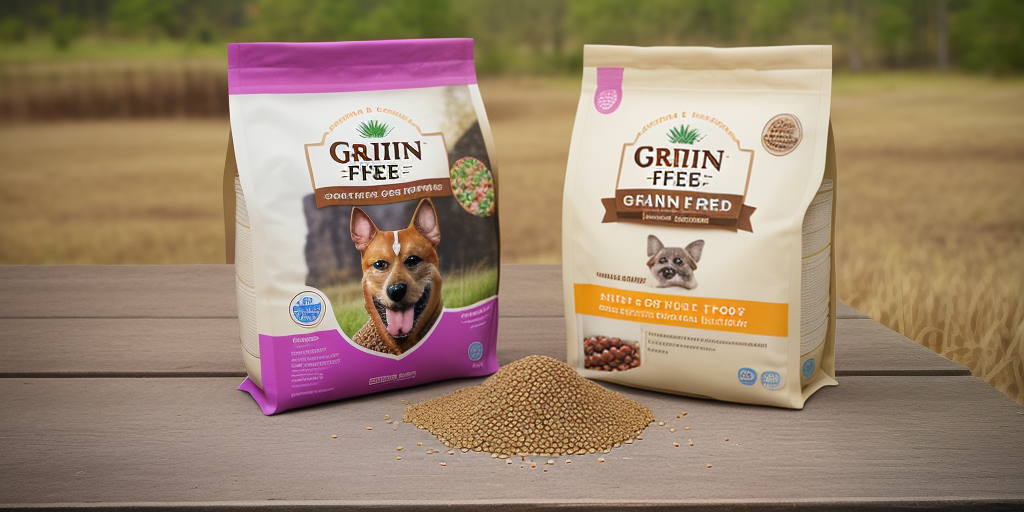
“Grain-free”
Grain-free food is not automatically low in carbohydrates, high in meat, or better for allergies. It may use peas, lentils, potatoes, or other starches instead.
The FDA has investigated reports of canine dilated cardiomyopathy involving some diets, many of which were labeled grain-free and contained high amounts of peas, lentils, or potatoes. The issue remains complex. Do not change a prescribed diet or start a grain-free diet based only on online claims. Discuss the choice with your veterinarian.
“By-product-free”
Animal by-products are not automatically poor ingredients. Some by-products can provide protein, vitamins, minerals, and other nutrients. The finished diet matters more than a single label phrase.
“Premium” and “holistic”
These terms have little value unless the company explains a measurable standard behind them. Treat them as marketing language, not proof of quality.
When Does a Dog Need a Special Diet?
A healthy dog may do well on a standard complete and balanced food. A dog with a medical condition may need more specific nutrition.
Veterinary guidance is especially useful for dogs with:
- Kidney disease
- Liver disease
- Pancreatitis
- Diabetes
- Urinary crystals or stones
- Severe food reactions
- Chronic diarrhea or vomiting
- Obesity
- Heart disease
- Poor growth
- Pregnancy or nursing needs
A therapeutic veterinary diet may have controlled levels of protein, phosphorus, sodium, fat, magnesium, or other nutrients. A normal store-bought food is not always an equivalent substitute.
Food allergies also require care. Signs may include itchy skin, ear disease, vomiting, or diarrhea, but these signs have many possible causes. A veterinarian may recommend a strict elimination diet. During that trial, treats, chews, flavored medicines, and table scraps can affect the result.
Do not use a homemade diet, supplement, or fasting plan to manage a medical condition without veterinary advice.

How Much Should You Feed?
The correct amount is the amount that maintains a healthy body condition. The number of cups printed on a bag is only an estimate.
A simple approach is:
- Measure the daily food with a standard measuring cup or, better, a kitchen scale.
- Include treats and toppers.
- Check your dog’s weight every few weeks.
- Look at the ribs, waist, and abdominal tuck.
- Adjust portions in small steps when weight changes.
For a hypothetical example, suppose a food contains 400 kilocalories per cup and your dog needs 800 kilocalories per day. The starting amount would be:
800 ÷ 400 = 2 cups per day
That total may need to decrease if treats provide calories. It may also change with exercise, age, weather, illness, or changes in body condition.
Your veterinarian can estimate calorie needs and assess body condition more accurately, especially for puppies, seniors, obese dogs, and dogs with medical problems.
Common Mistakes to Avoid
Avoid these common errors when choosing dog food:
- Choosing food from the front label alone
- Assuming the highest protein percentage is always best
- Comparing wet and dry food without adjusting for moisture
- Treating “natural” as a complete nutrition claim
- Changing food suddenly
- Ignoring calories in treats
- Adding supplements to a complete diet without a reason
- Feeding a puppy an adult-maintenance food
- Using a food labeled for supplemental feeding as the main diet
- Believing grain-free means allergy-friendly
- Trusting online ingredient fear lists over nutrient evidence
- Ignoring repeated digestive, skin, or weight problems
A calm, consistent review works better than chasing every new diet trend.
A Simple Dog Food Quality Checklist
Before buying a food, ask:
- Does it say complete and balanced?
- Is it right for my dog’s life stage?
- Does it list calories?
- Can I identify the manufacturer?
- Does the company explain its quality-control process?
- Does the food fit my dog’s health needs?
- Can I feed the correct portion consistently?
- Does my dog maintain a healthy weight and normal digestion?
- Is the storage and handling advice clear?
- Has my veterinarian advised a different diet?
If the answer is yes to most of these questions, the food may be a reasonable choice. No label can replace observing your dog and getting medical advice when needed.
FAQs About High-Quality Dog Food
What is the healthiest dog food in the United States?
There is no single healthiest food for every dog. Choose a complete and balanced food that matches the dog’s life stage, calorie needs, health status, and ability to digest it. A veterinarian can help when the dog has a medical condition.
Is expensive dog food better?
Not necessarily. Price may reflect ingredients, processing, packaging, research, or distribution costs. It does not prove better nutrition. Check the adequacy statement, calories, manufacturer practices, and your dog’s results.
Should the first ingredient be meat?
A named meat or animal protein can be useful information, but the first ingredient does not determine the full quality of the food. Ingredients are listed by weight, and water content affects their order. Review the whole formula and nutrition statement.
Is grain-free dog food better for allergies?
Usually, no. Grain-free does not mean protein-free or allergy-free. Dogs can react to many ingredients. A veterinarian should guide a proper elimination diet when a food allergy is suspected.
Can dogs eat the same food every day?
Yes, if the food is complete and balanced for the dog’s life stage and the dog stays healthy on it. Variety is not required for nutritional adequacy. If you change foods, make the transition gradually.
Conclusion
High-quality dog food is not defined by a premium price, a fashionable ingredient, or a dramatic claim on the front of the package. For U.S. dog owners, the strongest starting points are a complete and balanced nutrition statement, a suitable life stage, clear calorie information, sound manufacturing practices, and a formula that fits the individual dog.
Choose the food based on evidence, introduce it slowly, measure portions, and monitor weight and health. When your dog has ongoing symptoms or a diagnosed condition, use your veterinarian’s advice rather than relying on label claims or online diet trends.

Pet Care Writer & Researcher
Daniel writes practical guides on daily care, feeding, and safety, turning complex topics into simple, actionable advice.



3 Comments