
Why Does A Dog Bark: Reasons And Solutions
Why does a dog bark? Learn the common reasons behind barking and practical tips to understand, manage, and respond to your dog’s behavior.
Dogs bark to communicate needs, feelings, warnings, excitement, and responses to their surroundings.
If you have ever wondered why does a dog bark at the mail carrier, a passing car, or an empty room, you are not alone. Barking is a normal form of canine communication, but its meaning depends on the sound, setting, body language, and what happens next. Understanding why does a dog bark can help you respond with patience instead of frustration and can reveal when training or veterinary care may be needed.
Why Does a Dog Bark?
A dog barks because it is trying to communicate. Unlike people, dogs cannot use words to explain that they feel scared, bored, excited, lonely, or alert. Barking works like a flexible signal that changes with the dog’s mood and situation.
The same dog may use one bark to greet you and another to warn you. A sharp, fast bark near the window may mean, “Something is there.” A soft bark at the door may mean, “Please let me in.” Context matters more than sound alone.
Common reasons why does a dog bark include:
• Alerting people to a sound, person, or animal
• Showing fear or discomfort
• Seeking attention or food
• Greeting family members or visitors
• Expressing excitement during play
• Feeling bored or under-stimulated
• Protecting a home, yard, or valued item
• Reacting to pain or illness
• Experiencing separation distress
Barking is not automatically bad behavior. It becomes a problem when it is constant, intense, hard to stop, or linked to fear or aggression. The goal is not always to stop every bark. A better goal is to understand the cause and teach the dog when quiet behavior is useful.

What Different Types of Dog Barking Mean
Dog barking has many patterns. You can learn a great deal by noticing the pitch, speed, volume, and rhythm of each bark. Watch the dog’s body, too. A stiff posture means something different from a loose, wiggly body.
Alert barking
Alert barking is often quick and loud. A dog may bark at a delivery driver, a squirrel, a strange noise, or someone walking past the home. The dog may stand tall, point its ears forward, and look toward the trigger.
This type of barking serves a useful purpose. The dog is telling the household that something has changed. However, repeated alert barking can grow stronger if the dog learns that barking makes people or animals disappear.
Fear barking
Fear barking often sounds sharp or frantic. The dog may move backward, tuck its tail, lower its body, lick its lips, or turn its head away. Some dogs bark while trying to create more distance from something they find threatening.
Fear-based barking deserves care. Punishing the sound may hide the warning without removing the fear. That can make the dog feel trapped and increase the chance of a snap or bite.
Demand barking
Demand barking happens when a dog wants something. It may want dinner, a toy, a walk, access to the yard, or your attention. The dog may stare at you, paw you, or bark in a repeated pattern.
If barking often earns the desired reward, it becomes stronger. Even saying “stop” can reward the behavior if the dog enjoys receiving attention. Calmly teaching another way to ask, such as sitting or touching your hand, works better.
Excitement barking
Excited dogs may bark during play, greetings, car rides, or visits to the dog park. Their bodies often look loose, their tails may wag, and they may bounce or spin. Excitement barking is common, but high arousal can make it hard for a dog to think clearly.
Short pauses can help. Ask for a simple behavior, such as sitting, then reward calmness. Over time, the dog learns that quiet behavior helps good things happen.
Boredom barking
A dog with too little exercise or mental activity may bark for long periods. This often occurs when the dog is alone in a yard or home. Bored dogs may also pace, dig, chew furniture, or chase shadows.
Physical exercise helps, but it is not the whole answer. Sniff walks, food puzzles, short training sessions, and safe chewing activities can give the dog’s brain useful work.
Separation-related barking
Some dogs bark, howl, whine, or scratch when left alone. These signs may point to separation anxiety, especially when they begin soon after the owner leaves. Other signs include drooling, house-soiling, escape attempts, and damage near doors or windows.
Separation problems are more than simple disobedience. A veterinarian or qualified behavior professional can help create a gradual plan. Severe cases may need both behavior work and medication.

How a Dog’s Bark Communicates
Researchers have found that people can often identify broad emotional differences in dog vocalizations. Still, a bark does not have one universal translation. Dogs learn from their history, home, breed traits, and daily environment.
Here are useful clues to watch:
• Pitch: A high pitch may signal excitement, fear, or distress. A lower bark may sound more serious or threatening.
• Speed: Fast, repeated barking often shows high arousal. Slower barking may occur during alerting or demand behavior.
• Pause pattern: A dog that pauses to listen may be assessing a trigger. Continuous barking may reflect strong excitement, frustration, or distress.
• Body position: A loose body often suggests play or greeting. A stiff body suggests tension.
• Tail movement: A wag does not always mean happiness. A fast, stiff wag can occur during stress or conflict.
• Ears and eyes: Forward ears and a hard stare may show alertness. Averted eyes and pinned ears may show discomfort.
• Distance: A dog that moves closer may feel confident. A dog that backs away may be barking to keep a threat at a distance.
Think of barking as one line in a larger message. Body language, surroundings, and past events complete the sentence.

Why Does a Dog Bark at Strangers?
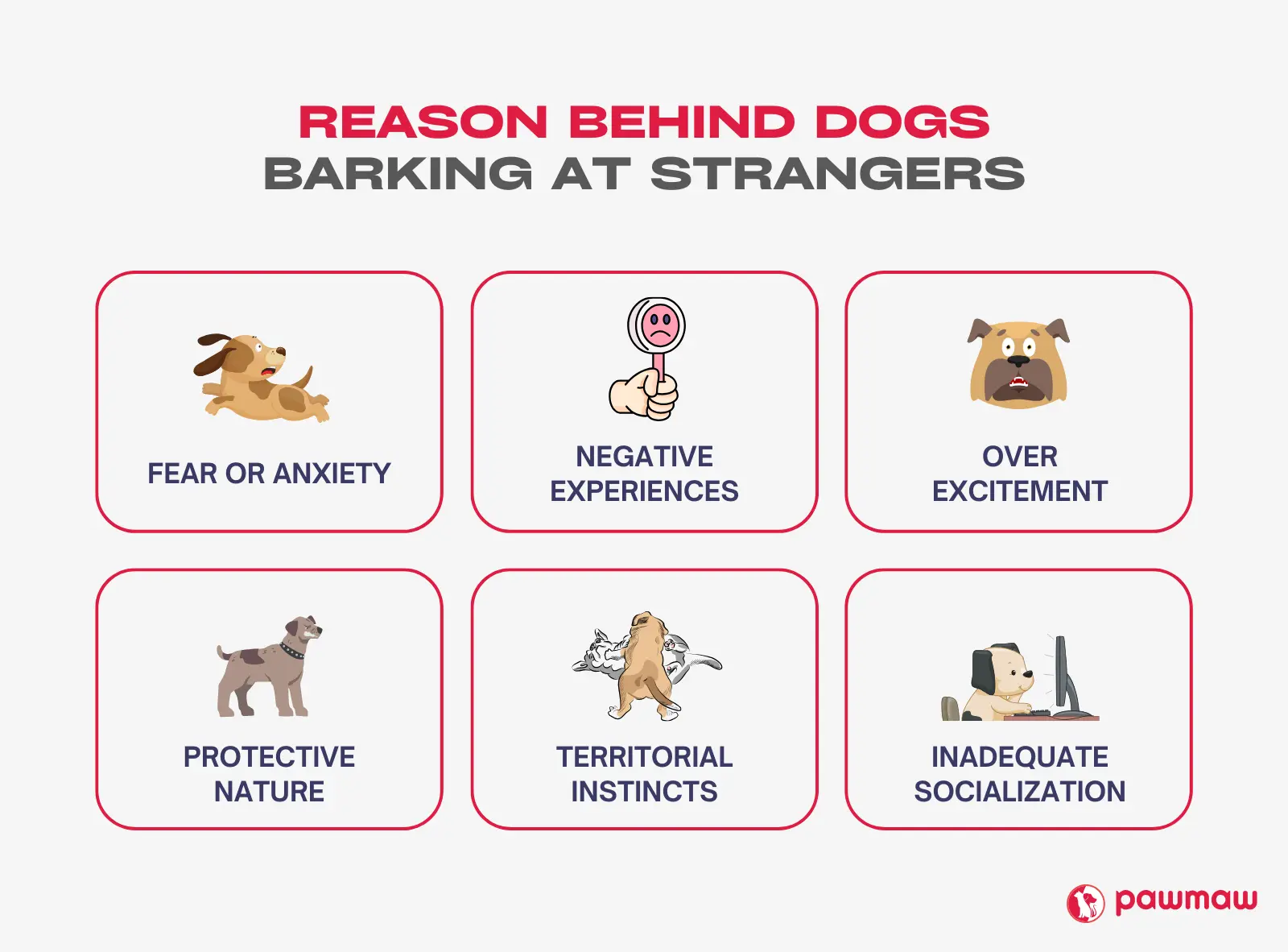
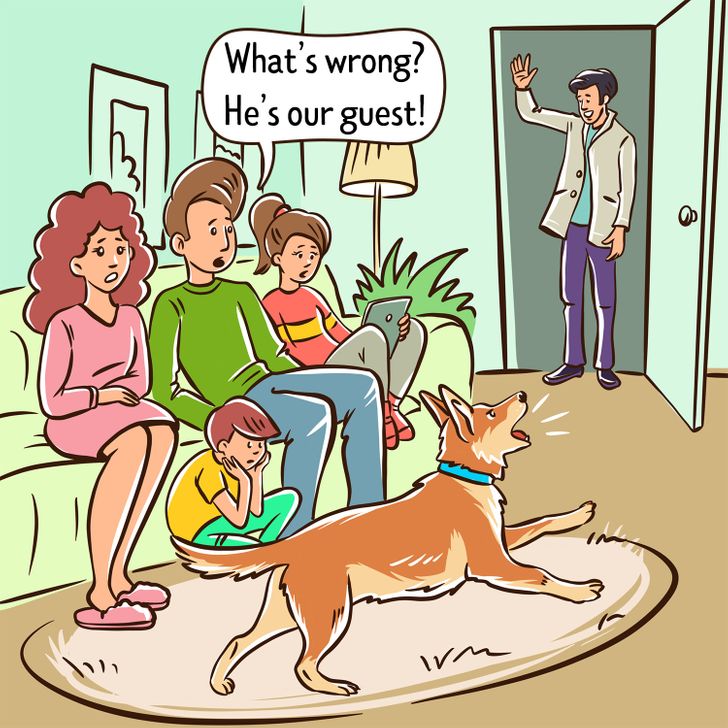
Many dogs bark at strangers because unfamiliar people can seem unpredictable. The dog may be protecting its home, warning the family, or feeling unsure. A visitor who moves quickly, wears a hat, carries a package, or speaks loudly may seem more unusual to the dog.
Territorial barking often occurs near doors, windows, fences, or cars. The dog may believe its barking drives the stranger away. In reality, the person usually leaves because the delivery is complete or the walk continues. The dog may then believe the barking worked.
You can reduce this pattern by managing the environment and changing the dog’s emotional response.
-
Block the dog’s view of busy windows.
-
Use a gate to create distance from the front door.
-
Play soft background sound to reduce outside noise.
-
Ask visitors to ignore the dog at first.
-
Reward the dog for looking at the visitor and then turning away.
-
Practice calm greetings when no real visitor is present.
Never force a fearful dog to approach a stranger. Give the dog choice and space. A visitor can toss treats from a safe distance without reaching toward the dog.

Why Does a Dog Bark at Other Dogs?
A dog may bark at another dog because of excitement, fear, frustration, or a desire to interact. Leash barking is especially common. The leash prevents the dog from moving freely, so the dog may feel trapped or frustrated.
Some dogs bark because they want to greet. Others bark because they want the other dog to go away. Their body language can help you tell the difference.
A playful dog may have a loose body, curved movements, and a relaxed open mouth. A fearful dog may lean away, tuck its tail, or keep its body low. A tense dog may freeze, stare, raise its hackles, or hold its tail high and stiff.
When walking, create more space before the barking becomes intense. Cross the street, step behind a parked car, or turn around. Then reward your dog for noticing the other dog without reacting. This teaches the dog that seeing another dog does not require a loud response.
Avoid tight leash corrections or shouting. These actions can increase stress and may cause the dog to connect other dogs with pain or fear.
Why Does a Dog Bark at Night?
Night barking may happen because the environment is quiet, making small sounds more noticeable. Dogs may hear wildlife, neighbors, plumbing, heating systems, or outdoor activity that people miss. Older dogs may also bark at night because of pain, sensory loss, or cognitive changes.
A change in nighttime barking deserves attention. Ask yourself:
• Did the barking start suddenly?
• Is the dog pacing, panting, or unable to settle?
• Does the dog seem confused?
• Has the dog’s hearing or vision changed?
• Could the dog need to go outside more often?
• Are there new animals or noises near the home?
Improve the sleep area with a comfortable bed, steady background sound, and a predictable bedtime routine. Make sure the dog gets appropriate exercise and a bathroom break before bed.
If an older dog suddenly becomes restless or vocal at night, schedule a veterinary exam. Health problems can affect sleep and behavior, and training alone may not solve the issue.
Why Does a Dog Bark at Nothing?
Dogs rarely bark at absolutely nothing, although the trigger may be hard for people to detect. A dog may hear a faint sound, smell an animal, notice movement outside, or respond to a reflection. Some dogs also bark at shadows, lights, or sounds from appliances.
There may be another explanation when the behavior appears suddenly or comes with confusion. Pain, hearing loss, vision changes, neurological disease, or age-related cognitive decline can affect a dog’s responses.
Keep a simple record for several days. Write down the time, location, duration, body language, and events before the bark. This pattern can reveal a hidden trigger and gives your veterinarian or trainer useful information.
Do not assume the dog is being stubborn or irrational. Dogs experience the world through strong senses. What seems like “nothing” to you may be clear information to them.

Why Does a Dog Bark at Its Owner?
A dog may bark at its owner to request something, express excitement, show frustration, or seek interaction. For example, it may bark when you hold the leash, prepare food, stop playing, or sit down to work.
The first step is to identify what happens after the bark. If barking leads to food, eye contact, play, or opening a door, the dog may repeat it because the behavior has been rewarded.
That does not mean you should ignore every bark. Check basic needs first:
• Does the dog need water or a bathroom break?
• Is the dog hungry according to its normal feeding plan?
• Could the dog be in pain?
• Has the dog had enough exercise and rest?
• Is the dog asking to escape a frightening situation?
Once needs are met, teach a quiet request. Ask for a sit, nose touch, or eye contact, then provide the reward. The timing matters. Reward the calm behavior, not the loud demand.

How to Stop Excessive Dog Barking
Stopping excessive barking begins with finding the cause. There is no single method that works for every dog. A plan for a bored dog may fail for a fearful dog, and a plan for separation anxiety may not help a territorial dog.
Use this practical process:
1. Find the trigger
Record what happens before the barking. Note the place, time, sound, person, animal, and your response.
2. Prevent repeated rehearsal
Close curtains, use a baby gate, move the dog away from the door, or choose quieter walking routes. Every intense barking episode can strengthen the habit.
3. Teach an alternative behavior
Train the dog to come to a mat, look at you, touch your hand, or pick up a toy. Practice when the dog is calm.
4. Reward quiet moments
Wait for a brief pause, then calmly offer a treat or praise. Gradually build longer periods of quiet. Avoid waiting so long that the dog starts barking again.
5. Change the emotional response
Pair a mild trigger with something positive, such as small treats. For example, when the dog sees a person at a safe distance, feed treats before the dog becomes upset.
6. Meet daily needs
Provide suitable exercise, sniffing, rest, social contact, and mental tasks. A tired dog is not always a calm dog, but a fulfilled dog often has fewer reasons to bark.
7. Get professional help when needed
A veterinarian can check for medical causes. A qualified trainer or veterinary behaviorist can address fear, aggression, compulsive behavior, or separation distress.
A common mistake is correcting the dog after it has reached full panic. At that point, learning is difficult. Training works best below the dog’s reaction threshold, when it can still notice the trigger and respond to you.
Training Methods That Help
Reward-based training is usually the safest and clearest way to change barking. It teaches the dog what to do instead of only telling it what not to do. Professional veterinary and animal behavior groups generally advise against methods that cause fear, pain, or intimidation.
Try teaching a “quiet” cue in small steps:
-
Allow one brief bark at a mild trigger.
-
Place a treat near the dog’s nose.
-
When the dog pauses to sniff, say “quiet.”
-
Give the treat at once.
-
Repeat in short sessions.
-
Slowly increase the length of the quiet pause.
The cue should not become a repeated shout. Say it once, then help the dog succeed. If the dog is too excited to pause, increase distance from the trigger or make the situation easier.
You can also teach “go to mat.” Reward the dog for stepping onto a bed, lying down, and relaxing. This behavior is useful during door greetings, meal preparation, and household activity.
I often see people make one small but important mistake: they reward silence only after a long struggle. The dog may learn that barking comes first and quietness eventually earns the reward. Start with very short quiet periods so the dog understands the exact behavior you want.
What Not to Do When a Dog Barks
Some common responses can make barking worse. They may stop the sound for a moment but increase fear, frustration, or confusion.
Avoid these approaches:
• Shouting, because the dog may think you are barking with it
• Hitting or physical punishment, because it can damage trust and increase defensive behavior
• Using pain-based collars without professional guidance
• Forcing the dog toward a person, animal, or object it fears
• Rewarding barking by opening doors or giving treats
• Leaving a distressed dog alone for longer periods
• Expecting the dog to remain quiet without enough exercise or rest
Do not punish a growl or warning bark. A growl is valuable information. Suppressing warning signs can make a dog less predictable. Instead, calmly create distance and seek behavior support if the dog shows fear or aggression.
When Barking May Signal a Health Problem
Barking can sometimes reflect pain, illness, or changes in the senses. Dogs may vocalize more when they have arthritis, dental pain, stomach trouble, urinary problems, or other medical conditions. They may also bark because they feel confused or cannot see and hear as well as before.
Contact a veterinarian if barking:
• Starts suddenly without a clear reason
• Happens with limping, panting, trembling, vomiting, or appetite changes
• Occurs mainly when the dog moves or lies down
• Appears with confusion or nighttime restlessness
• Increases sharply in a senior dog
• Comes with snapping, hiding, or unusual fear
A behavior change is often an early sign that something is wrong. A health check does not replace training, but it can prevent you from treating a medical problem as a discipline issue.
Do Breed and Age Affect Barking?
Breed can influence how often and why a dog barks, but it does not determine behavior completely. Some breeds were developed to alert, guard, herd, hunt, or work closely with people. These dogs may be more likely to notice sounds or use vocal signals.
Age also matters. Puppies may bark because they are excited, unsure, tired, or still learning household rules. Adolescents may show more barking as they explore the world and gain confidence. Senior dogs may vocalize because of pain, sensory loss, or cognitive changes.
Individual history is just as important as genetics. A quiet breed can become a frequent barker after repeated fear experiences. A vocal breed can learn excellent control with good management and training.
Treat breed tendencies as clues, not fixed rules. The dog in front of you is an individual with its own learning history.
How Much Barking Is Normal?
There is no single number of barks that is normal for every dog. A healthy dog may bark several times a day, especially when alerting, playing, or greeting. The more useful question is whether the barking fits the situation and whether the dog can settle afterward.
Barking may be excessive when it:
• Continues for long periods
• Disturbs sleep or neighbors
• Happens in response to many small triggers
• Prevents the dog from eating, resting, or engaging normally
• Appears with panic, destruction, or escape attempts
• Creates a risk of injury to the dog or another animal
Your living situation also matters. A few alert barks may be normal in a rural home but difficult in an apartment. Good guardians balance the dog’s communication needs with the comfort and safety of other people.
Frequently Asked Questions About Why Does a Dog Bark
Why does a dog bark at people walking by?
A dog may bark at passersby because of territorial behavior, excitement, fear, or frustration. Blocking the view, adding distance, and rewarding calm behavior can reduce this response over time.
Why does a dog bark when left alone?
A dog may bark when alone because of boredom, anxiety, or separation-related distress. If barking comes with panic, destruction, or escape attempts, consult a veterinarian or qualified behavior professional.
Why does a dog bark at night?
Night barking may result from outside sounds, wildlife, loneliness, or a need to go outside. Sudden nighttime barking, especially in an older dog, should receive a veterinary check.
Why does a dog bark at other dogs on a leash?
Leash barking can come from fear, excitement, or frustration caused by restricted movement. Moving farther away and rewarding the dog for calmly noticing another dog can help.
Why does a dog bark at nothing?
The dog may hear, smell, or see something that you cannot detect. If the behavior is new or comes with confusion, pain, or unusual restlessness, ask a veterinarian to rule out a health problem.
Can training stop a dog from barking completely?
Training can reduce unnecessary barking and improve a dog’s ability to settle, but complete silence is not realistic or healthy. Dogs use barking to communicate, so the aim is appropriate control rather than removing every vocal sound.
Do bark collars work?
Some bark collars may suppress sound without addressing fear, boredom, or anxiety. Reward-based training, environmental management, and professional advice are safer ways to treat the underlying cause.
Conclusion
Dogs bark to share information, respond to their surroundings, express emotion, and ask for help or attention. The meaning depends on the trigger, sound, body language, age, breed, health, and learning history. Understanding why does a dog bark is the first step toward solving excessive barking in a kind and lasting way.
Watch for patterns, prevent repeated reactions, reward calm alternatives, and avoid punishment that creates fear. If barking starts suddenly or comes with distress, pain, or aggression, involve a veterinarian. Put these steps into practice during your next walk or door greeting, and explore more reward-based training resources to help your dog communicate with confidence.