Do Mini Schnauzers Bark A Lot: 7 Answers For Owners
Do Mini Schnauzers Bark A Lot? Learn why they bark, what is normal, and practical ways to reduce excessive barking at home.
Yes, Miniature Schnauzers often bark a lot because they are alert, vocal, and bred to guard.
Do Mini Schnauzers bark a lot? The honest answer is often yes, but barking is not their only story. This bright, spirited breed can learn when to speak and when to settle with the right mix of training, exercise, routine, and care. Understanding why they bark is the key to living peacefully with one.

Do Mini Schnauzers Bark a Lot?
Miniature Schnauzers are known for being alert watchdogs. They notice sounds, movement, visitors, animals, and changes in their home. Many will bark to warn you, greet someone, demand attention, or release stress.
So, do Mini Schnauzers bark a lot compared with quiet breeds? Usually, yes. They tend to be more vocal than breeds that were bred mainly for companionship. Still, barking levels vary from dog to dog.
A Mini Schnauzer that gets daily walks, play, training, and calm social time may bark far less than one who is bored or anxious. Age, health, past experiences, and home life also matter.
The breed standard describes the Miniature Schnauzer as alert, spirited, and intelligent. These traits are useful, but they can also make the dog quick to react. Think of your Schnauzer as a small home alarm with fur. It may notice the delivery driver before you even hear the truck.

Why Do Mini Schnauzers Bark So Much?
To reduce barking, you first need to understand the reason behind it. Barking is a form of communication. It is not always bad behavior.
Alert barking
Alert barking is one of the most common reasons Mini Schnauzers bark. Your dog may hear a person outside, see a squirrel, or notice a car stopping nearby.
This type of barking often comes in short bursts. Your dog may run to a window or door, bark several times, and then look at you. The goal is often to tell you, “Something changed.”
Territorial barking
Mini Schnauzers may bark when someone enters their home or yard. They can view the space as their territory and may try to warn strangers away.
Territorial barking can become stronger when a dog spends many hours watching the street from a window. Each passerby becomes a practice session. Over time, the habit grows.
Attention barking
Some Mini Schnauzers bark because barking works. If barking leads to food, petting, play, or a door opening, the dog learns to repeat it.
Even scolding can reward the behavior. To a dog, negative attention is still attention. This is why yelling “Stop barking!” may make the problem worse.
Boredom and excess energy
Miniature Schnauzers are active working dogs in a small package. They were developed from Schnauzer lines used for tasks such as vermin control and farm work.
A bored dog may bark, dig, pace, chew, or chase. Do Mini Schnauzers bark a lot when they lack activity? They often do, especially when their minds are not busy.
Fear and anxiety
Fear barking may sound sharp, urgent, or frantic. A dog may bark at strangers, loud sounds, other dogs, or unfamiliar places.
Separation anxiety can also cause repeated barking when the owner leaves. Other signs may include destructive chewing, drooling, pacing, or attempts to escape. A veterinarian or qualified behavior professional should assess these cases.
Excitement
Some Mini Schnauzers bark when they see a leash, toy, visitor, or another dog. The dog may be happy, but the excitement is difficult to control.
Excitement barking often appears with jumping, spinning, whining, or fast movement. Calm training can help the dog learn that good things do not require loud behavior.
Are Mini Schnauzers More Vocal Than Other Dogs?
Mini Schnauzers are often more vocal than calm companion breeds, such as some adult Greyhounds or certain spaniels. However, breed comparisons have limits.
A dog’s barking depends on many factors:
• Genetics and breeding history
• Early socialization
• Daily exercise
• Training methods
• Home noise and activity
• Time spent alone
• Health and pain
• Individual personality
Some Mini Schnauzers bark only when something unusual happens. Others comment on nearly everything, from a bird in the yard to a neighbor closing a car door.
Do Mini Schnauzers bark a lot in apartments? They can, but apartment living does not automatically create a barking problem. A well-trained dog with enough activity may live happily in an apartment. A bored dog may disturb neighbors even in a large house.

How Much Exercise Does a Mini Schnauzer Need?
Exercise helps, but it is not a magic cure. Most healthy adult Miniature Schnauzers need daily physical activity and mental work.
A useful routine may include:
• A brisk walk in the morning
• Short training sessions during the day
• Interactive play, such as fetch or tug
• Sniffing time outdoors
• Puzzle toys or food games
• A calm evening walk
Many dogs benefit from two moderate walks rather than one very long outing. Puppies, seniors, and dogs with health issues need plans suited to their age and condition.
Mental exercise matters just as much as physical exercise. Five minutes of “sit,” “stay,” “touch,” or “find it” can tire a dog’s brain. Nose work is especially useful because sniffing is calming and rewarding.
One mistake I often see in homes with vocal Schnauzers is adding only more physical exercise. A dog may become fitter without becoming calmer. Pair movement with scent games, training, and rest.

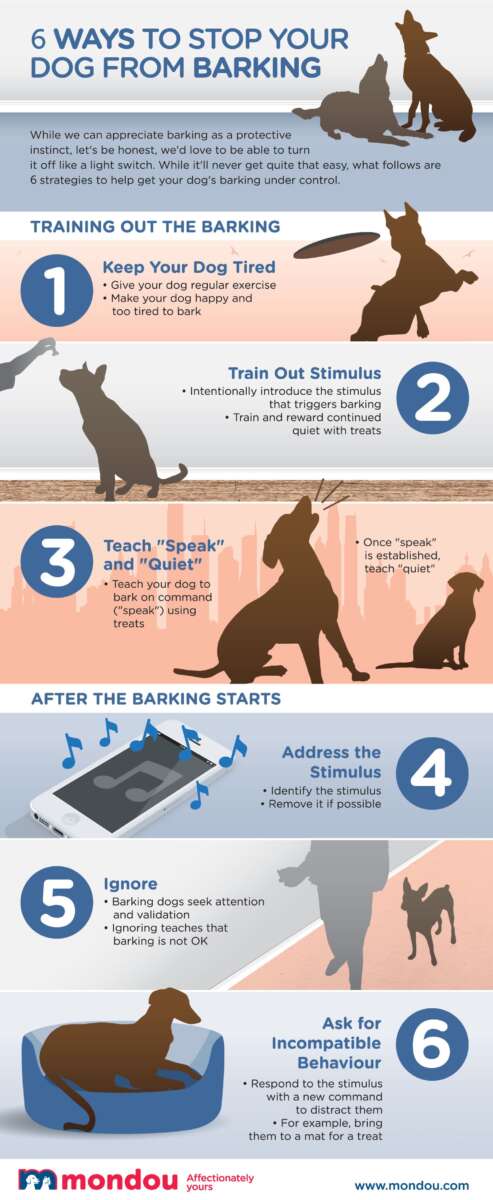
How to Stop a Mini Schnauzer From Barking
You cannot always stop barking completely, and you should not try to silence every warning. The goal is to reduce unnecessary barking and teach a reliable quiet response.
1. Find the trigger
Keep a simple barking log for several days. Write down:
• What happened before the barking
• Where your dog was
• How long the barking lasted
• What stopped it
• Whether food, attention, or access followed
Patterns often become clear. Your dog may bark mainly at windows, during meals, when alone, or after sunset.
2. Manage the environment
Training works faster when your dog has fewer chances to rehearse the behavior.
Try these changes:
• Close curtains during busy street hours
• Use privacy film on lower windows
• Move furniture away from lookout spots
• Play soft background sound
• Keep your dog away from the front door during deliveries
• Use a secure fence that blocks direct views
Management is not a failure. It is like putting a lid on a boiling pot while you lower the heat.
3. Teach a quiet cue
First, allow one or two alert barks. Then calmly say “quiet” or another chosen word. Hold a small treat near your dog’s nose.
When your dog pauses to sniff, give the treat. Repeat this in short sessions. Gradually reward longer periods of silence.
Avoid shouting the cue. A loud voice can sound like you are barking too.
4. Reward calm behavior
Notice your dog when it is quiet. Give a treat, gentle praise, or a toy while your dog rests calmly.
Many owners reward barking but overlook silence. If quiet behavior never earns anything, it may not become stronger.
5. Teach an alternative action
Ask your Mini Schnauzer to do something specific when a trigger appears. Useful choices include:
• Go to your mat
• Look at me
• Sit
• Touch my hand
• Find a treat
• Leave the window
An alternative action gives your dog a job. Dogs often improve when they know what to do instead of simply hearing what not to do.
6. Use reward-based training
Reward-based methods are supported by modern animal training guidance. They build clear communication and avoid the fear that can follow harsh corrections.
Do not use shock collars, pain-based tools, or physical punishment to control barking. These methods may suppress sound without fixing fear, anxiety, or frustration. In some dogs, punishment can increase defensive behavior.

How to Stop Barking at the Door
Door barking is a common challenge. The doorbell predicts excitement, visitors, and movement, so your dog may react before you can respond.
Practice when no guest is present:
- Knock softly or play a low-volume doorbell sound.
- Wait for your dog to notice.
- Ask for “go to mat.”
- Reward your dog for staying on the mat.
- Slowly increase the sound and excitement.
- Practice with a helper.
- Open the door only when your dog is calm enough to learn.
At first, keep your dog several feet from the door. A leash, baby gate, or exercise pen can help. Give visitors simple instructions. They should avoid staring at, touching, or exciting the dog right away.
Do Mini Schnauzers bark a lot at visitors because they dislike people? Not always. Many bark from excitement or uncertainty. A calm greeting routine can change the meaning of the doorbell.

How to Reduce Barking at Other Dogs
Barking at dogs may come from excitement, fear, frustration, or a desire to greet. The sound alone does not tell you which emotion is present.
Watch your dog’s body language. A loose body and wagging tail may suggest excitement, while stiff posture, tucked ears, lip licking, or retreat may suggest fear.
Work at a distance where your dog can still eat treats and respond to you. When your dog sees another dog, offer a treat before barking begins. Then move away if your dog becomes tense.
Do not force close greetings. A polite pass on a sidewalk is enough. Group classes with a skilled, reward-based trainer can help if your dog reacts strongly.

Do Mini Schnauzers Bark a Lot When Left Alone?
Some do, but frequent barking during alone time may signal distress rather than simple stubbornness. A phone recording can show what happens after you leave.
Look for signs such as:
• Barking that starts soon after departure
• Scratching at doors or windows
• Destruction near exits
• Heavy panting or drooling
• Repeated pacing
• Attempts to escape
If these signs appear, avoid leaving the dog alone for long periods while the problem worsens. Speak with a veterinarian or certified behavior professional. A gradual alone-time plan may help, and some dogs need medical support.
Do not punish a dog for damage or noise that happened while you were away. The dog may not connect the punishment with the earlier behavior, and anxiety can increase.

When Barking May Mean a Health Problem
A sudden change in barking deserves attention. A usually quiet dog that becomes vocal may be in pain, confused, itchy, or unable to hear or see well.
Contact your veterinarian if barking comes with:
• Limping or trouble rising
• Appetite or weight changes
• Nighttime restlessness
• Excessive thirst
• Coughing or breathing changes
• Disorientation
• Repeated whining
• Sensitivity to touch
Older dogs may develop cognitive changes that affect sleep and vocal behavior. Medical causes should be considered before treating a new barking problem as disobedience.
Your veterinarian can check for pain, hearing loss, vision changes, illness, or medication effects. Behavior advice works best when health problems are not missed.
Mistakes That Can Make Barking Worse
Even caring owners can accidentally train more barking. These common mistakes are worth avoiding:
• Yelling from across the room
• Giving treats only after long barking
• Letting the dog rush the window
• Using inconsistent rules
• Providing too little daily activity
• Punishing fear-based barking
• Waiting for the problem to become severe
• Expecting silence after one training session
Consistency matters more than perfection. If one family member invites barking at the window and another person corrects it, the dog receives mixed signals.
Keep training sessions short. Two to five minutes several times a day can work better than one long session. End while your dog is still successful.
Choosing a Mini Schnauzer If You Dislike Barking
If you are considering this breed, be realistic. Do Mini Schnauzers bark a lot? The possibility is high enough that barking should be part of your decision.
Ask a breeder or rescue group about the dog’s behavior around:
• Visitors
• Children
• Other dogs
• Traffic and city noise
• Being left alone
• Handling and grooming
No responsible person can guarantee a silent Mini Schnauzer. Still, early socialization, careful breeding, and proper training can lower the risk of serious vocal problems.
Meet adult dogs from the same line when possible. Puppies can change as they mature, so early behavior is not a complete forecast. Your home environment also plays a major role.
Frequently Asked Questions About Do Mini Schnauzers Bark a Lot
Do Mini Schnauzers bark more than most small dogs?
Many Mini Schnauzers are more vocal than average because they are alert and watchful. However, training, exercise, socialization, and personality can make a large difference.
Can you train a Mini Schnauzer not to bark?
You can reduce unnecessary barking and teach a quiet cue. You should not expect complete silence because barking is a normal way for dogs to communicate.
Why does my Mini Schnauzer bark at everything?
Your dog may be reacting to sounds, movement, boredom, fear, excitement, or a desire for attention. Track the triggers and reward calm behavior to identify and change the pattern.
Do Mini Schnauzers bark a lot at night?
Some bark at nighttime sounds, wildlife, neighbors, or changes in the home. Check for medical issues, reduce outside stimulation, and provide a calm bedtime routine.
Are Mini Schnauzers good apartment dogs?
They can be good apartment dogs if they receive daily exercise, mental enrichment, and barking training. Their vocal nature may require extra attention in buildings with close neighbors.
Should I use a bark collar on my Mini Schnauzer?
Bark collars may punish the sound without addressing its cause. Reward-based training, environmental management, and professional behavior support are safer and more useful first choices.
Conclusion
Do Mini Schnauzers bark a lot? Many do, especially when they see a trigger, feel bored, become excited, or want to warn you. Their barking is linked to their alert nature, intelligence, and working history, not a lack of affection.
Start by finding the cause. Add daily exercise, mental games, calm routines, trigger management, and reward-based training. If barking begins suddenly or comes with anxiety or health changes, ask your veterinarian for help.
With patience, your Mini Schnauzer can still be an excellent watchdog without becoming the neighborhood alarm. Try one small training step today, and explore trusted dog-training resources or share your experience with other Mini Schnauzer owners.

Pet Care Writer & Researcher
Daniel writes practical guides on daily care, feeding, and safety, turning complex topics into simple, actionable advice.