How To Train Dog Not To Bark At Doorbell: Easy Steps

Learn how to train dog not to bark at doorbell with simple, positive methods that create calmer greetings and lasting results.

Train your dog to stay calm by pairing the doorbell with rewards, a quiet cue, and a practiced place command.

A barking dog may be reacting to excitement, fear, or a strong urge to protect the home. Learning how to train dog not to bark at doorbell takes patience, but the process is simple when you change what the bell means. With short practice sessions, smart management, and rewards for calm behavior, your dog can learn that a ring does not require an alarm.

Why Dogs Bark When the Doorbell Rings

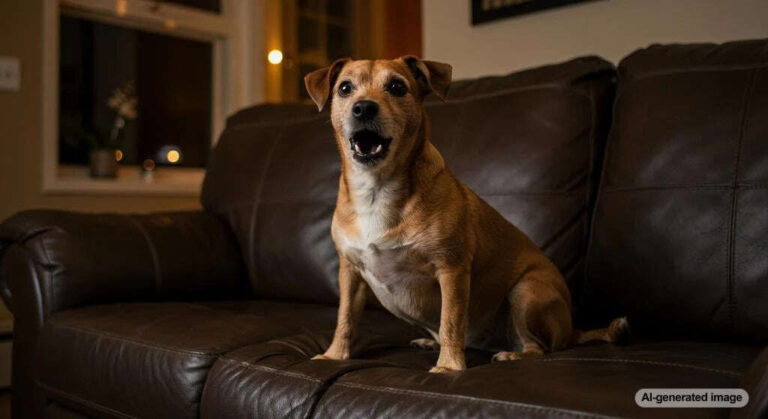
A doorbell is a powerful trigger for many dogs. It is sudden, loud, and linked to someone entering the home. Your dog may also notice your reaction, rush to the door, and feel rewarded when the visitor appears.

Common reasons for doorbell barking include:

• Excitement about seeing people

• Fear of strangers or sudden sounds

• Territorial behavior

• Frustration caused by a closed door or baby gate

• A learned habit that has worked before

• Lack of early socialization

Some dogs bark because they want attention. Others bark because they feel unsafe. The sound may be the same, but the cause matters. A fearful dog needs distance and confidence-building, while an excited dog needs impulse control and a clear routine.

It is also important to understand that barking is normal dog communication. The goal is not always complete silence. A better goal is a brief alert followed by calm behavior.
Why Dogs Bark When the Doorbell Rings
Source: internationalcompetitionnetwork.org

What to Do Before Training Starts

Good preparation makes it easier to learn how to train dog not to bark at doorbell. Start by reducing chances for your dog to practice the unwanted behavior. Each loud barking episode can make the habit stronger.

Use these management steps:

• Keep high-value treats near the door.

• Lower the doorbell volume if your system allows it.

• Use a baby gate to create space between your dog and the entrance.

• Close blinds if your dog barks at people outside.

• Place a leash near the door for safe control.

• Ask visitors to text instead of ringing while training is in progress.

• Give your dog a food puzzle in another room during busy times.

Management is not a shortcut or a failure. It protects your training plan. Think of it like putting a cover over a seedling while it grows. The plant still needs care, but it is less likely to be damaged.

Before each session, choose a reward your dog truly values. Small pieces of chicken, turkey, cheese, or a soft training treat often work better than dry kibble. Keep the pieces tiny so your dog can eat many rewards without becoming full.

What to Do Before Training Starts
Source: ridgesidek9centralfl.com

Teach a Calm Replacement Behavior

The most useful answer to how to train dog not to bark at doorbell is to teach a behavior your dog can perform instead. “Go to your mat” is often ideal because it gives your dog a clear job.

Begin in a quiet room without the doorbell.

  1. Place a mat several feet away from the door.

  2. Toss a treat onto the mat.

  3. When your dog steps onto it, say “yes” or use a clicker.

  4. Give another treat while your dog remains there.

  5. Release your dog with a word such as “free.”

  6. Repeat until your dog moves to the mat quickly.

Next, add duration. Wait for one second before rewarding, then two seconds, and then five seconds. Move slowly. If your dog leaves the mat, reduce the time and reward sooner.

After that, add distance. Take one step toward the door, return to your dog, and reward calm behavior. Gradually walk farther away. Your dog should learn that staying on the mat makes good things happen.

Practice this skill every day for three to five minutes. Short sessions are easier for dogs and people. A long session can lead to frustration and mistakes.

In training cases, I have found that owners often move too fast after the dog learns the mat. The dog may know “go to bed” in a quiet room but lose the skill when the doorbell rings. Build the behavior in small steps before adding the real trigger.

Teach a Calm Replacement Behavior
Source: youtube.com

Pair the Doorbell With Good Things

Once your dog understands the mat behavior, change the meaning of the doorbell. This is a form of counterconditioning. You are teaching your dog that the sound predicts food, not danger or frantic activity.

Start with a very soft doorbell sound. You can record your doorbell and play it at low volume, or ask someone to ring from outside while you control the intensity.

Follow this pattern:

  1. Play or ring the doorbell once.

  2. Immediately give several small treats.

  3. Wait for your dog to relax.

  4. Repeat after a short pause.

At first, do not ask for “quiet” or “go to your mat.” Simply help your dog feel safe when the sound occurs. If your dog barks, stiffens, hides, or rushes the door, the sound is too loud or the exercise is too difficult.

Increase the volume very slowly over several days. Then practice from different rooms. Later, combine the bell with the mat cue.

A useful training sequence looks like this:

• Doorbell rings.

• You say, “Mat.”

• Your dog moves to the mat.

• You reward the calm behavior.

• You open the door only when your dog is settled.

This process is central to how to train dog not to bark at doorbell because it replaces a reflex with a predictable routine.

Pair the Doorbell With Good Things
Source: petindiaonline.com

Add a Quiet Cue Carefully

A “quiet” cue can help, but it should not be the first skill you teach. If you repeat “quiet” while your dog is barking, your dog may think you are joining the noise.

First, wait for a natural pause. The pause may last only one second. Say “quiet” in a calm voice, then give a treat. Repeat this many times when your dog is only mildly excited.

Do not shout. Loud corrections can increase fear and raise your dog’s energy. Evidence-based behavior guidance generally supports reward-based training and warns against methods that cause pain, fear, or distress.

Use the cue in this order:

• Allow one or two alert barks.

• Say “quiet” once.

• Wait for a brief pause.

• Mark the pause with “yes.”

• Give a treat.

• Direct your dog to the mat.

Over time, ask for longer quiet periods. Start with two seconds, then five, then ten. Your dog does not need to remain silent for several minutes right away.

If your dog cannot respond, the trigger is too strong. Increase distance, lower the bell volume, or return to easier practice.

Add a Quiet Cue Carefully
Source: ridgesidek9nc.com

Practice With a Helper at the Door

After your dog responds well to a recording, invite a calm helper to support the next step. Tell the person exactly what to do. A visitor who rings repeatedly or enters quickly can overwhelm your dog and set training back.

Use this practice plan:

  1. Place your dog on a leash or behind a gate.

  2. Give your helper a few treats to toss inside.

  3. Ask the helper to ring once.

  4. Guide your dog to the mat.

  5. Reward your dog for staying calm.

  6. Open the door only after your dog settles.

  7. Keep the first visit short.

Your helper should avoid leaning over your dog, staring, reaching, or forcing contact. Let your dog choose whether to approach. Some dogs need several visits before they feel comfortable.

If your dog is comfortable, the visitor can toss treats away from their body. This helps your dog move away from pressure while building a positive association.

For a fearful dog, do not force greetings. A dog that is allowed to observe from a safe distance often gains confidence faster than a dog pushed into interaction.

Practice With a Helper at the Door
Source: ilsaleartcafe.com

Create a Doorbell Routine for Real Life

Training works best when every person in the home follows the same plan. Dogs learn from patterns. If one person rewards calm behavior while another opens the door during frantic barking, progress may slow.

Use a simple household routine:

• Keep treats by the entrance.

• Ask the dog to go to the mat.

• Reward calm body language.

• Open the door slowly.

• Keep the dog behind a gate if needed.

• Release the dog only when appropriate.

Your dog does not have to greet every visitor. A calm dog behind a gate is still a successful outcome. This is especially important for children, delivery workers, repair staff, and guests who are nervous around dogs.

For package deliveries, practice with a family member. Have the person ring, place a package outside, and leave. Reward your dog for remaining calm. This teaches your dog that a sound at the door does not always mean a person will enter.

You can also use a visual cue. For example, a small sign near the door can remind family members to follow the routine. Simple systems often succeed because they are easy to repeat.

Create a Doorbell Routine for Real Life
Source: doggoneproblems.com

Common Mistakes That Slow Progress

Many people search how to train dog not to bark at doorbell after trying to punish the barking. Scolding may stop the sound for a moment, but it does not teach the dog what to do instead. It can also increase fear or make the dog more reactive.

Avoid these common errors:

• Repeating “quiet” again and again

• Yelling from another room

• Using shock, prong, or choke collars

• Opening the door while the dog is lunging

• Practicing with a trigger that is too intense

• Rewarding barking with attention

• Expecting instant results

• Allowing different rules for different family members

A major mistake is rewarding too late. If you wait until your dog has barked for a minute and then offer food, your dog may connect the reward with the entire door routine rather than the calm pause. Mark and reward the behavior you want as soon as it happens.

Another mistake is using treats to drag a frightened dog toward a visitor. Food should create choice and safety, not pressure. If your dog will not eat, the situation may be too stressful for learning.

Common Mistakes That Slow Progress
Source: unionlakepetservices.com

How Long Does Doorbell Training Take?

The time needed depends on your dog’s age, temperament, history, and level of reactivity. A dog that gives two excited barks may improve within a few weeks. A dog that lunges, snaps, or panics may need months of careful work.

Practice for about three to ten minutes at a time. Aim for one or two calm sessions each day. End while your dog is still successful.

Track simple details in a notebook:

• What triggered the barking

• How many barks occurred

• How quickly your dog recovered

• Whether your dog accepted food

• Which distance worked best

Progress is not always linear. Your dog may improve at home but bark during a holiday gathering. That does not mean training failed. It means the environment was harder than your current practice level.

A realistic goal is better control, faster recovery, and fewer intense reactions. Learning how to train dog not to bark at doorbell is a process of building habits, not demanding perfection.

When to Contact a Professional

Some barking problems need more than basic home training. Contact a qualified reward-based trainer or a veterinary behavior professional if your dog shows signs of serious distress or aggression.

Seek help if your dog:

• Lunges at the door

• Attempts to bite visitors

• Cannot eat near the trigger

• Hides, shakes, or tries to escape

• Damages doors or windows

• Redirects aggression toward family members

• Has suddenly started barking after years of calm behavior

A sudden behavior change can sometimes relate to pain, hearing loss, aging, or another health issue. A veterinarian can check for medical causes before you assume the problem is only training-related.

Choose a professional who explains methods clearly and avoids claims of guaranteed results. Be cautious with anyone who recommends fear, pain, or dominance-based punishment. Modern behavior work focuses on safety, learning theory, and the dog’s emotional state.

Extra Tips for Puppies and Older Dogs

Puppies often bark at the door because everything is new. Begin with soft sounds and very short sessions. Reward your puppy for looking at the door and then looking back at you.

Do not wait until a puppy has developed a strong habit. A few calm repetitions each day can prevent doorbell barking from becoming a routine. Still, puppies have short attention spans, so keep training playful.

Older dogs may need more time. Hearing changes, pain, confusion, or reduced mobility can affect their response. Use a softer bell, brighter lights, or a visual cue if hearing is limited.

For senior dogs, avoid rushing them to the door. A mat placed near their resting area may work better than one far away. Comfort and safety should guide the plan.

Regardless of age, reward calm behavior often. Dogs repeat actions that bring useful results. When calm behavior earns food, space, and praise, it becomes more valuable.

Frequently Asked Questions About How to Train Dog Not to Bark at Doorbell

How do I stop my dog from barking at the doorbell quickly?

Use management first by lowering the bell volume, creating distance, and keeping treats nearby. Then teach your dog to go to a mat and reward calm behavior when the bell rings.

Should I ignore my dog when it barks at the doorbell?

Ignoring alone is rarely enough because the barking may come from fear or excitement. Stay calm, guide your dog to a safe behavior, and reward the first quiet pause.

Is it okay to use treats when my dog barks?

Treats should reward a pause, calm body language, or going to the mat. Avoid giving food during frantic barking if your goal is to teach quiet behavior.

How can I train a dog that is afraid of the doorbell?

Start with a very soft recording of the sound and pair it with food. Increase the volume slowly, and stop if your dog hides, shakes, or refuses treats.

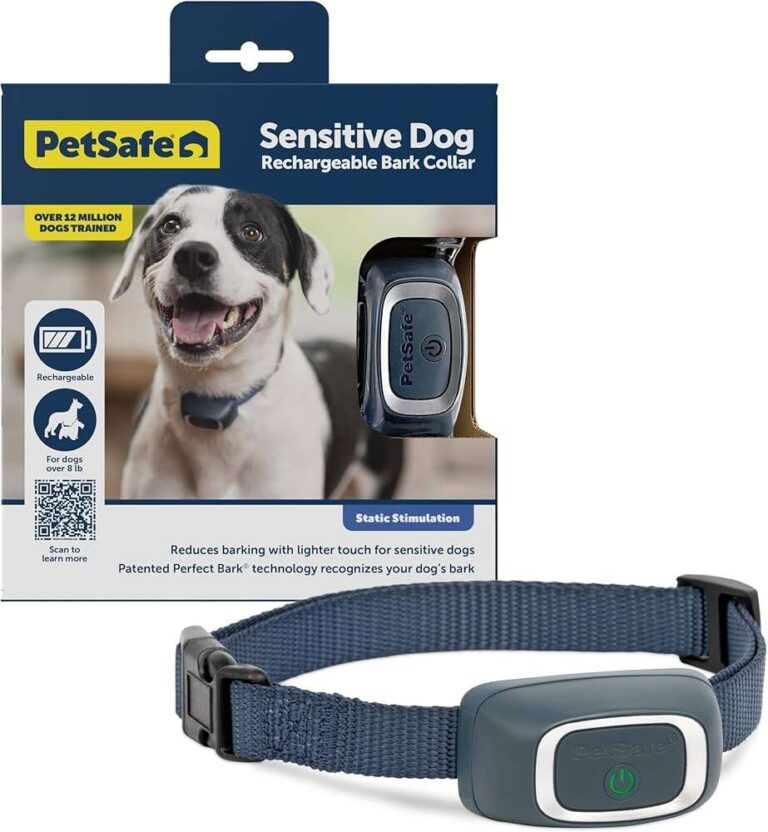
Will a bark collar stop doorbell barking?

A bark collar may suppress sound without changing the fear or excitement behind it. Reward-based training is safer for teaching a lasting alternative behavior.

How long does it take to train a dog not to bark at doorbell?

Many dogs show early improvement within a few weeks of consistent practice. Dogs with fear, aggression, or a long history of barking may need a longer plan and professional guidance.

Conclusion

The best way to train dog not to bark at doorbell is to prevent repeated outbursts, teach a mat or quiet behavior, and pair the bell with rewards. Move slowly, protect your dog from overwhelming situations, and reward calm actions at the exact moment they occur.

Start today with a soft doorbell sound, a handful of small treats, and a three-minute mat session. With steady practice, your dog can learn that the doorbell is a cue to think, move to a safe place, and relax. Share your progress or explore more positive dog training guides for the next step.

Similar Posts

Leave a Reply

Your email address will not be published. Required fields are marked *