
What Are The Best Ingredients For Dog Food: Healthy Choices
What are the best ingredients for dog food? Learn which proteins, grains, vegetables, and nutrients support your dog’s health and energy.
The best dog food ingredients include named animal protein, balanced fats, digestible carbohydrates, fiber, vitamins, and essential minerals.
Choosing the best ingredients for dog food is not about finding the fanciest label or the longest ingredient list. It is about building a complete, balanced diet that gives your dog quality protein, useful energy, healthy digestion, and the nutrients needed for lifelong health. This guide explains what to look for, what to limit, and how to compare dog food with confidence.
What Makes a Dog Food Ingredient “Good”?
A good dog food ingredient has a clear purpose. It should provide protein, fat, carbohydrates, vitamins, minerals, fiber, or moisture in a form your dog can digest and use.
The best ingredients for dog food also work together. A bowl made only from meat would not provide every nutrient a dog needs. Dogs require a balanced mix of amino acids, fatty acids, vitamins, and minerals.
A complete diet should also match your dog’s:
• Age and life stage
• Breed size
• Activity level
• Body condition
• Health needs
• Food sensitivities
Puppies, adult dogs, pregnant dogs, and senior dogs do not have identical nutrition needs. For example, puppies need carefully controlled calcium and phosphorus for bone growth, while older dogs may benefit from a diet with controlled calories and added support for joint health.
Look for a nutritional adequacy statement on the package. In the United States, this statement is based on standards set by the Association of American Feed Control Officials, commonly called AAFCO. It should say whether the food is complete and balanced for growth, maintenance, or all life stages.

1. Named Animal Protein
Named animal protein is one of the most valuable ingredients in dog food. Examples include chicken, turkey, beef, lamb, salmon, whitefish, and eggs.
Protein supplies amino acids that help maintain muscles, skin, hair, organs, enzymes, and immune function. Dogs can use plant proteins, too, but animal proteins often provide a strong amino acid profile and are easy for owners to identify on a label.
The best ingredients for dog food usually name the animal source clearly. “Chicken,” “beef meal,” or “salmon” is more helpful than a vague term such as “meat” or “animal protein.”
Fresh meat and meat meal
Fresh meat contains a great deal of water. During cooking, much of that water disappears, so fresh meat may weigh less than expected after processing.
Meat meal is concentrated animal protein made by removing water and fat. Chicken meal, lamb meal, and fish meal can all be useful ingredients. A food with meat meal near the top of the list may contain more protein than a food that lists fresh meat first.
Eggs and fish
Eggs provide highly usable protein and several important nutrients. Fish can provide protein plus omega 3 fatty acids, especially when the food contains salmon, sardines, or fish oil.
However, the protein source must suit your dog. Some dogs have food allergies or intolerances. If your veterinarian suspects an allergy, do not switch among many foods at random. A supervised elimination diet is more reliable.

2. Healthy Animal and Plant Fats
Fat is not simply a filler. It provides concentrated energy, supports cell health, helps the body absorb vitamins, and makes food more appealing.
The best ingredients for dog food include clearly named fat sources. Examples include chicken fat, salmon oil, fish oil, flaxseed, and sunflower oil. The label should tell you where the fat comes from whenever possible.
Omega 3 fatty acids deserve special attention. EPA and DHA, found mainly in marine sources, support the brain, eyes, skin, and normal inflammatory response. They are especially useful in puppy diets and may help support mobility in some older dogs.
Omega 6 fatty acids are also important for skin and coat health. Dogs need both omega 3 and omega 6 fats, but balance matters. More fat is not always better, since high calorie intake can lead to weight gain.
A common mistake is adding fish oil without checking the full diet. Too much can add calories and may cause digestive upset. Ask your veterinarian about the right amount, especially if your dog takes medicine or has a health condition.

3. Digestible Carbohydrates
Dogs can digest and use carbohydrates. Carbohydrates provide energy and can supply fiber, vitamins, and minerals.
Useful carbohydrate ingredients include:
• Brown rice
• Oats
• Barley
• Corn
• Wheat
• Potatoes
• Sweet potatoes
• Peas
• Lentils
• Chickpeas
The best ingredients for dog food depend on the whole recipe, not on one ingredient alone. Corn, rice, and wheat are not automatically harmful. They can provide energy and nutrients when used in a complete, balanced formula.
Some dogs do better with certain carbohydrates than others. A dog with a diagnosed allergy may need a limited ingredient diet. A dog with a sensitive stomach may do well with a highly digestible grain or a simple carbohydrate source.
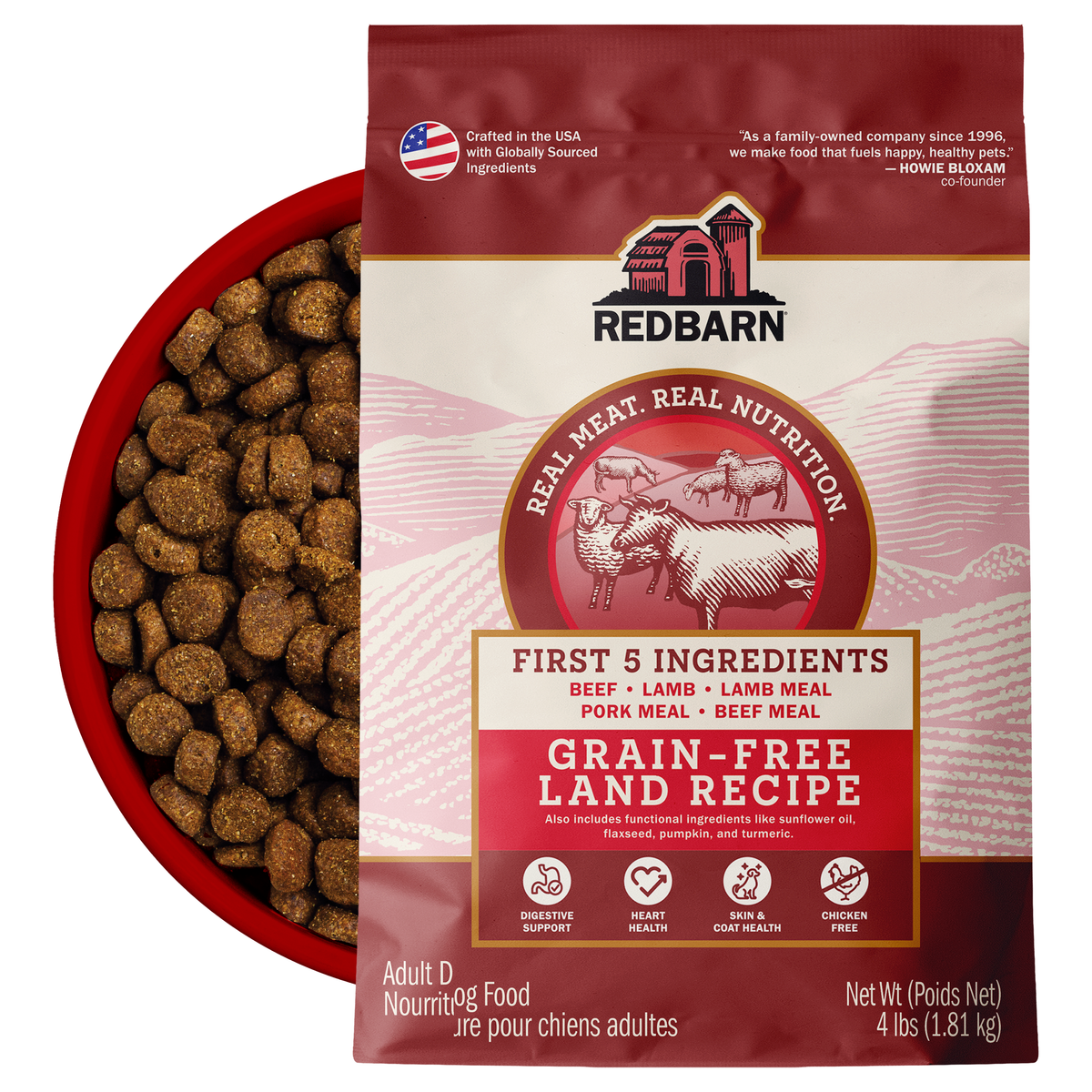
Grain free does not automatically mean healthier. The Food and Drug Administration has investigated a possible link between some grain free diets and canine dilated cardiomyopathy, particularly diets high in peas, lentils, other pulses, or potatoes. The issue is complex and remains under study, so discuss grain free feeding with your veterinarian before making a change.
4. Helpful Fiber Sources
Fiber supports normal digestion and stool quality. It can also help a dog feel full, which may support weight control.
Good fiber sources include beet pulp, pumpkin, psyllium, oats, brown rice, carrots, and certain fruits and vegetables. Beet pulp, in particular, is commonly used in dog food because it can provide fermentable fiber that supports healthy gut bacteria.
Fiber has limits. Too much may reduce the absorption of some nutrients, increase stool volume, or cause gas. The right amount depends on the recipe and your dog’s health.
For example, pumpkin may help add gentle fiber to a dog’s diet, but it is not a cure for ongoing diarrhea or constipation. Persistent digestive changes need veterinary attention because they may signal parasites, infection, food intolerance, or another illness.
5. Essential Vitamins and Minerals
Dogs need vitamins and minerals in small but precise amounts. These nutrients support bones, nerves, muscles, blood, immunity, and many chemical processes in the body.
Important nutrients include:
• Calcium and phosphorus for bones and teeth
• Zinc for skin, coat, and immune function
• Iron for healthy blood cells
• Vitamin A for vision and immune health
• Vitamin D for calcium regulation
• Vitamin E for cell protection
• B vitamins for energy metabolism
• Iodine for thyroid function
The best ingredients for dog food may include both whole food ingredients and carefully measured vitamin and mineral supplements. Seeing a supplement on the label does not mean the food is poor quality. In fact, supplements are often needed to make a diet complete and balanced.
Homemade diets are where many nutrient problems begin. Meat, rice, and vegetables may look wholesome, but this combination can be low in calcium and other essential nutrients. If you prepare your dog’s food at home, work with a board certified veterinary nutritionist and follow a tested recipe.
Never add human multivitamins to your dog’s meals without veterinary advice. Some contain too much vitamin D, iron, or other nutrients. Certain ingredients, such as xylitol, can be dangerous.
6. Moisture and Safe Food Processing
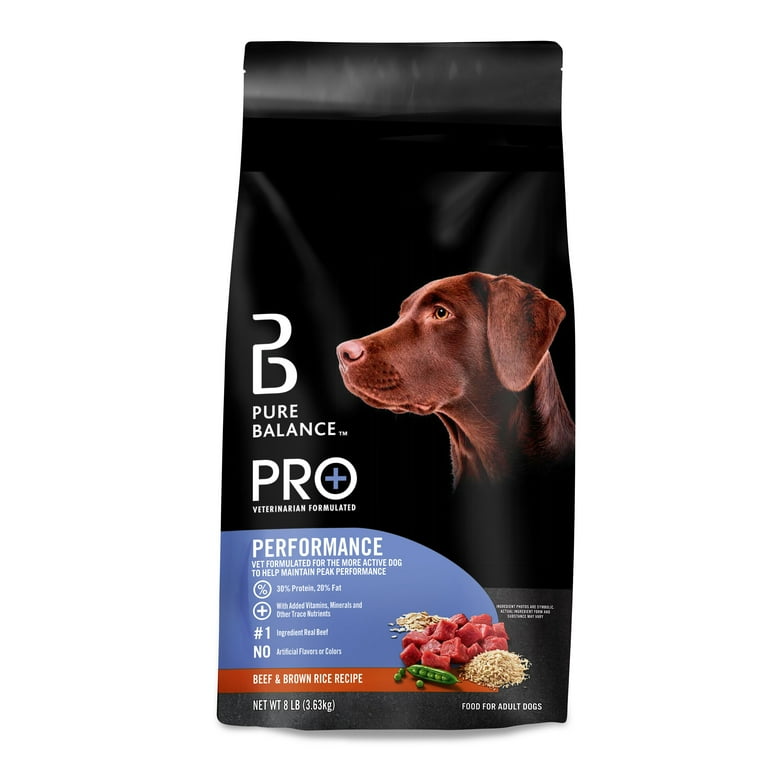
Water is an essential nutrient. Wet dog food contains much more moisture than dry kibble, which may help dogs that drink little or have certain dental or medical needs.
Dry food is more concentrated and convenient. Wet food can be easier to eat and may help increase total water intake. Many owners use a combination of both, as long as the total daily calories remain appropriate.
Food safety also matters. A high quality ingredient can still become unsafe through poor handling or contamination. Store dry food in a cool, dry place, keep the bag closed, wash bowls often, and follow the storage instructions.
Raw diets need special care. Raw meat may contain Salmonella, E. coli, or other pathogens that can affect dogs and people. Freezing does not reliably remove every risk. Puppies, older adults, pregnant people, and individuals with weak immune systems are especially vulnerable.
How to Read a Dog Food Ingredient List
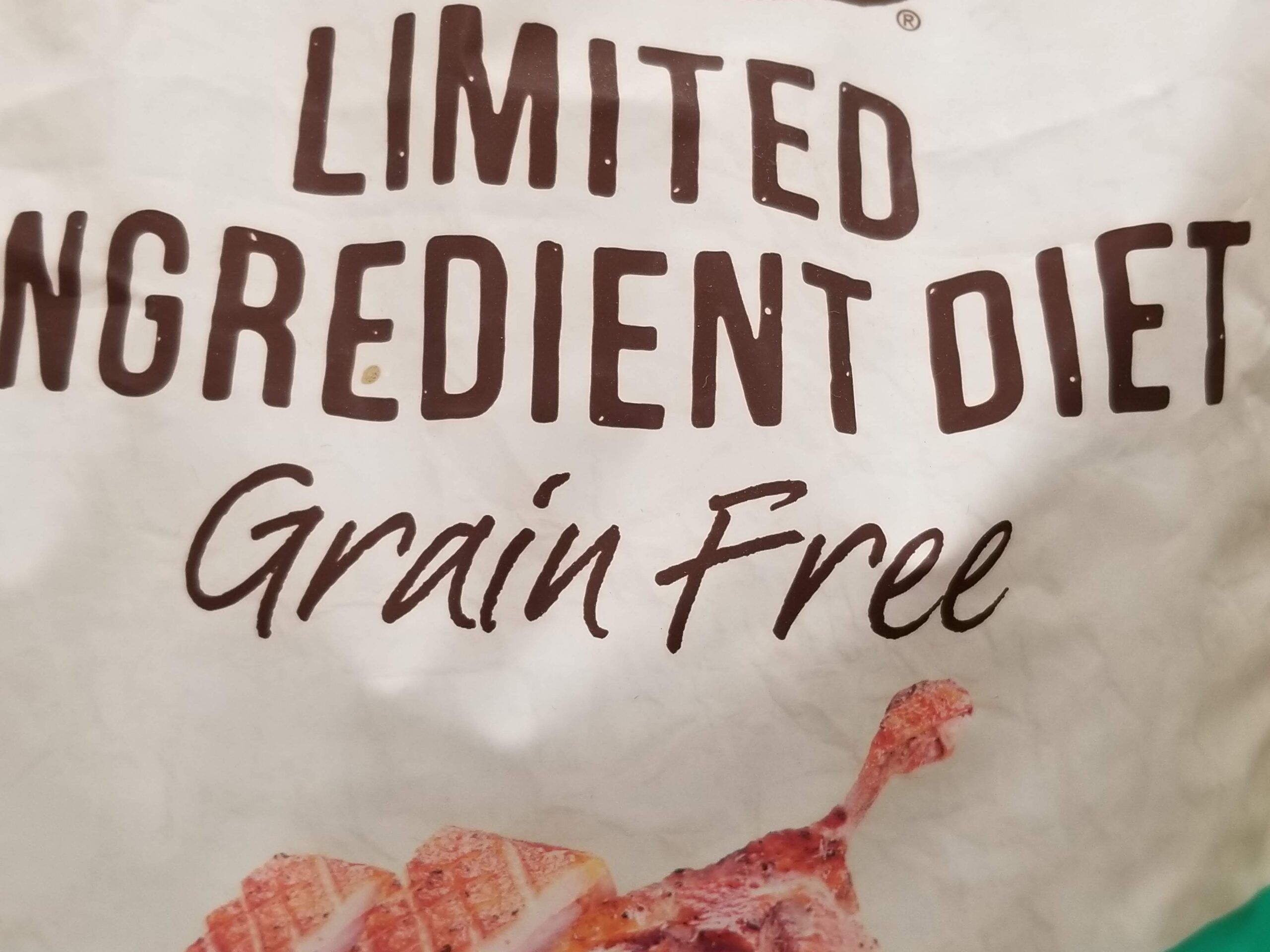
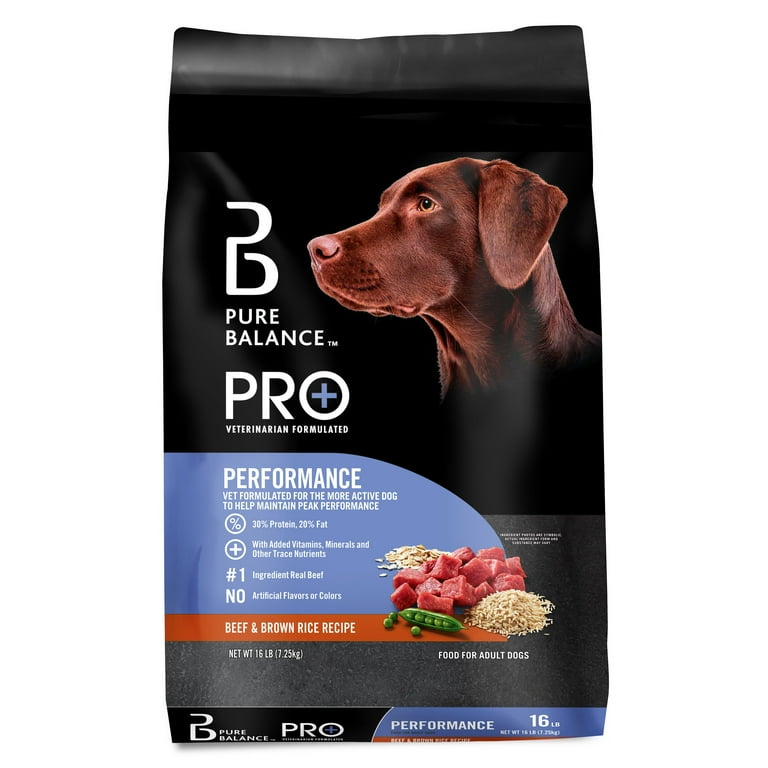
Ingredient lists are useful, but they can be misunderstood. Ingredients appear by weight before cooking, including their water content. That means a moist ingredient may appear higher than a dry, concentrated ingredient.
Use this simple process:
-
Check for a complete and balanced statement.
-
Confirm that the food suits your dog’s life stage.
-
Look for clearly named protein and fat sources.
-
Review the calorie content per cup, can, or serving.
-
Check the guaranteed analysis for protein, fat, fiber, and moisture.
-
Consider the company’s quality control and nutrition expertise.
-
Ask your veterinarian about special needs or health concerns.
Do not judge a food by the first ingredient alone. A recipe may list chicken first, followed by several plant ingredients that together provide a large share of the formula. The full recipe and its nutrient profile matter more than marketing claims.
Terms such as “premium,” “natural,” and “holistic” may sound reassuring, but they do not prove that a food is nutritionally superior. Focus on clear labeling, feeding trials or formulation standards, safety testing, and a complete nutritional profile.
Ingredients to Limit or Avoid
Not every unfamiliar ingredient is dangerous. Some long chemical names are simply vitamins, minerals, or preservatives used in small and safe amounts. Still, certain ingredients deserve caution.
Avoid foods that contain known toxic ingredients, including:
• Xylitol, also called birch sugar
• Onions and garlic in significant amounts
• Grapes and raisins
• Chocolate or cocoa
• Alcohol
• Macadamia nuts
These ingredients can harm dogs, even though the risk depends on the amount and the dog’s size. If your dog eats a toxic food, contact a veterinarian or animal poison service promptly.
You may also want to limit foods with vague ingredient descriptions, poor calorie information, or unsupported health claims. “Human grade” can describe a production standard, but it does not automatically mean the food is ideal for every dog.
By-products are not automatically bad. Organ meats can provide useful nutrients, and regulated by-products can be safe and nutritious. The key question is whether the final food is complete, balanced, safe, and appropriate for your dog.
Best Ingredients for Different Dogs
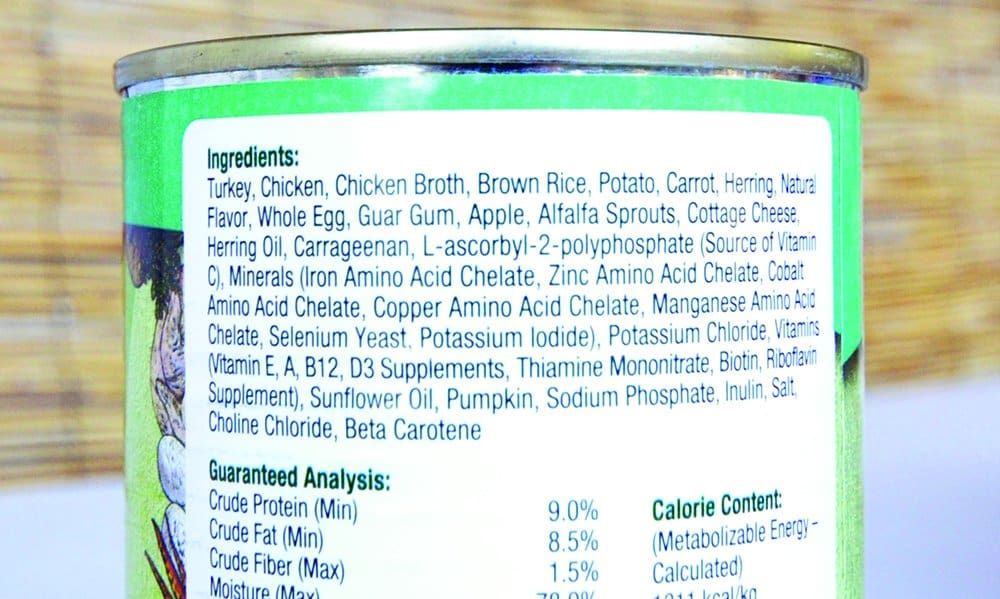
The best ingredients for dog food vary from one dog to another. A healthy adult Labrador may thrive on chicken, rice, and fish oil, while a dog with a food allergy may need a veterinary hydrolyzed diet.
Puppies
Puppies need enough calories, high quality protein, and carefully balanced minerals. Large breed puppies require special control of calcium, phosphorus, and calorie intake to support steady growth.
Choose food labeled for growth or all life stages. Do not add calcium supplements unless your veterinarian recommends them.
Adult dogs
Adult dogs need enough protein to maintain lean tissue and enough fat to support energy and body function. The best formula depends on activity level and body condition.
A highly active working dog may need more calories than a calm indoor dog. Portion size matters as much as ingredient quality.
Senior dogs
Senior dogs do not always need less protein. Many healthy older dogs benefit from adequate, digestible protein to help preserve muscle.
Look for controlled calories, appropriate fiber, and nutrients that support joint and organ health. A veterinarian can help adjust the diet when kidney, liver, heart, or dental disease is present.
Dogs with allergies
Common food allergens include beef, dairy, chicken, and wheat, but any protein can cause a reaction. Itching, ear infections, vomiting, and diarrhea may have many causes, so diagnosis matters.
A novel protein or hydrolyzed protein diet may help during a veterinary elimination trial. Treats, table scraps, flavored medicines, and chews must also match the trial.
How to Choose Between Dry, Wet, and Fresh Food
Dry, wet, fresh, and freeze dried foods can all be suitable. The best choice is the one that is complete, balanced, safe, affordable, and easy for you to feed consistently.
Dry kibble is convenient and often less expensive per calorie. Wet food contains more water and may be appealing to picky eaters. Fresh and freeze dried foods can offer different textures, but they are not automatically more nutritious.
Compare foods on a calorie basis rather than by cup or can alone. A small serving of one food may contain more calories than a larger serving of another.
When changing foods, move slowly over about seven days. Start with a small amount of the new food and gradually increase it while reducing the old food. This simple step may reduce gas, loose stool, and refusal to eat.
Common Mistakes Dog Owners Make
One mistake is chasing a single “superfood.” Blueberries, pumpkin, spinach, and turmeric may sound impressive, but they cannot fix an unbalanced diet.
Another mistake is assuming that the most expensive food is the best. Price can reflect ingredients, packaging, research, or marketing. It does not replace a nutritional adequacy statement and sound quality control.
Overfeeding is also common. Even the best ingredients for dog food can contribute to weight gain when portions are too large or treats are not counted. Treats should generally provide no more than about 10 percent of daily calories unless your veterinarian gives different advice.
Finally, avoid changing foods too often. If your dog is healthy and doing well, constant diet changes may create digestive problems and make it harder to identify the cause of a reaction.
A Practical Ingredient Checklist
Use this checklist when comparing two dog foods:
• Is the food complete and balanced for your dog’s life stage?
• Does it provide a clearly named protein source?
• Does it contain useful fat, such as fish oil or named animal fat?
• Is the calorie content clearly stated?
• Does the company employ qualified nutrition experts?
• Does the company test ingredients and finished products for safety?
• Does your dog maintain a healthy weight and firm stools on the food?
• Does your veterinarian support the choice for your dog’s health needs?
The best ingredients for dog food are important, but the finished diet matters more than one appealing ingredient. A well-made food should deliver the right nutrients in the right amounts.
Frequently Asked Questions About What Are the Best Ingredients for Dog Food
What is the most important ingredient in dog food?
A clearly named, digestible protein source is one of the most important ingredients. However, no single ingredient makes a diet complete; the full recipe must provide balanced protein, fat, vitamins, minerals, and calories.
Is real meat always better than meat meal?
Not always. Fresh meat contains a lot of water, while meat meal is concentrated protein. A named meat meal, such as chicken meal or salmon meal, can be a valuable ingredient in a complete dog food.
Are grains bad for dogs?
No. Many dogs digest grains such as rice, oats, barley, corn, and wheat well. Grain free food is not automatically healthier and may not be appropriate for every dog.
What ingredients should dogs avoid?
Dogs should avoid xylitol, chocolate, grapes, raisins, onions, garlic in significant amounts, alcohol, and macadamia nuts. Contact a veterinarian quickly if your dog eats a potentially toxic food.
Is chicken a good ingredient for dog food?
Chicken can provide high quality protein and is used in many complete diets. However, some dogs are allergic or sensitive to chicken, so it is not the best option for every dog.
Are by-products safe for dogs?
Regulated animal by-products can be safe and nutritious. Some organ meats provide valuable protein, vitamins, and minerals, so the word “by-product” alone does not indicate poor quality.
Should dogs eat homemade food?
Homemade food can work when a veterinary nutritionist creates and checks the recipe. Homemade meals made from meat, rice, and vegetables alone often lack key nutrients, especially calcium and certain vitamins.
How can I tell if a dog food is healthy?
Check for a complete and balanced statement, appropriate life-stage labeling, clear calorie information, and reliable quality control. Your dog’s weight, stool quality, energy, coat, and veterinary exams also provide useful clues.
Conclusion
The best ingredients for dog food include named animal protein, balanced fats, digestible carbohydrates, useful fiber, and carefully measured vitamins and minerals. A food does not need to be trendy or expensive to be a smart choice.
Read beyond the first ingredient. Check the nutritional adequacy statement, compare calories, choose a formula suited to your dog, and introduce changes slowly. When allergies or medical problems are involved, your veterinarian should guide the decision.
Use these tips the next time you shop, and leave a comment with the ingredient questions you still have or explore more evidence-based dog nutrition resources.

Pet Care Writer & Researcher
Daniel writes practical guides on daily care, feeding, and safety, turning complex topics into simple, actionable advice.


2 Comments