Are All Dog Foods The Same: What To Know
Are all dog foods the same? Learn how ingredients, nutrition, and quality vary so you can choose the best food for your dog.
No, dog foods are not all the same; ingredients, nutrition, safety, quality, and purpose can vary widely.
At first glance, many dog food bags look alike. Yet the food inside may differ in protein quality, calorie levels, vitamins, minerals, safety controls, and suitability for your dog’s age or health. Understanding these differences helps you avoid marketing traps and choose a diet that truly fits your dog.
Why are all dog foods the same?
No, are all dog foods the same? They are not. Dog foods can vary in how they are made, what nutrients they provide, and how well they meet a dog’s needs.
Some products are made for puppies. Others are made for adult dogs, senior dogs, large breeds, small breeds, or dogs with medical problems. A food designed for a healthy adult Labrador may not suit a growing puppy or a dog with kidney disease.
The main differences often include:
• Protein sources, such as chicken, beef, fish, eggs, or plant proteins
• Fat levels and fatty acid balance
• Fiber and carbohydrate sources
• Vitamin and mineral content
• Calorie density
• Ingredient quality and processing methods
• Manufacturing and safety standards
• Nutritional adequacy for a specific life stage
Think of dog food like shoes. Two pairs may look similar, but one may be made for running while the other is made for walking. Both are shoes, but they serve different needs. Dog food works in much the same way.
What makes one dog food different from another?
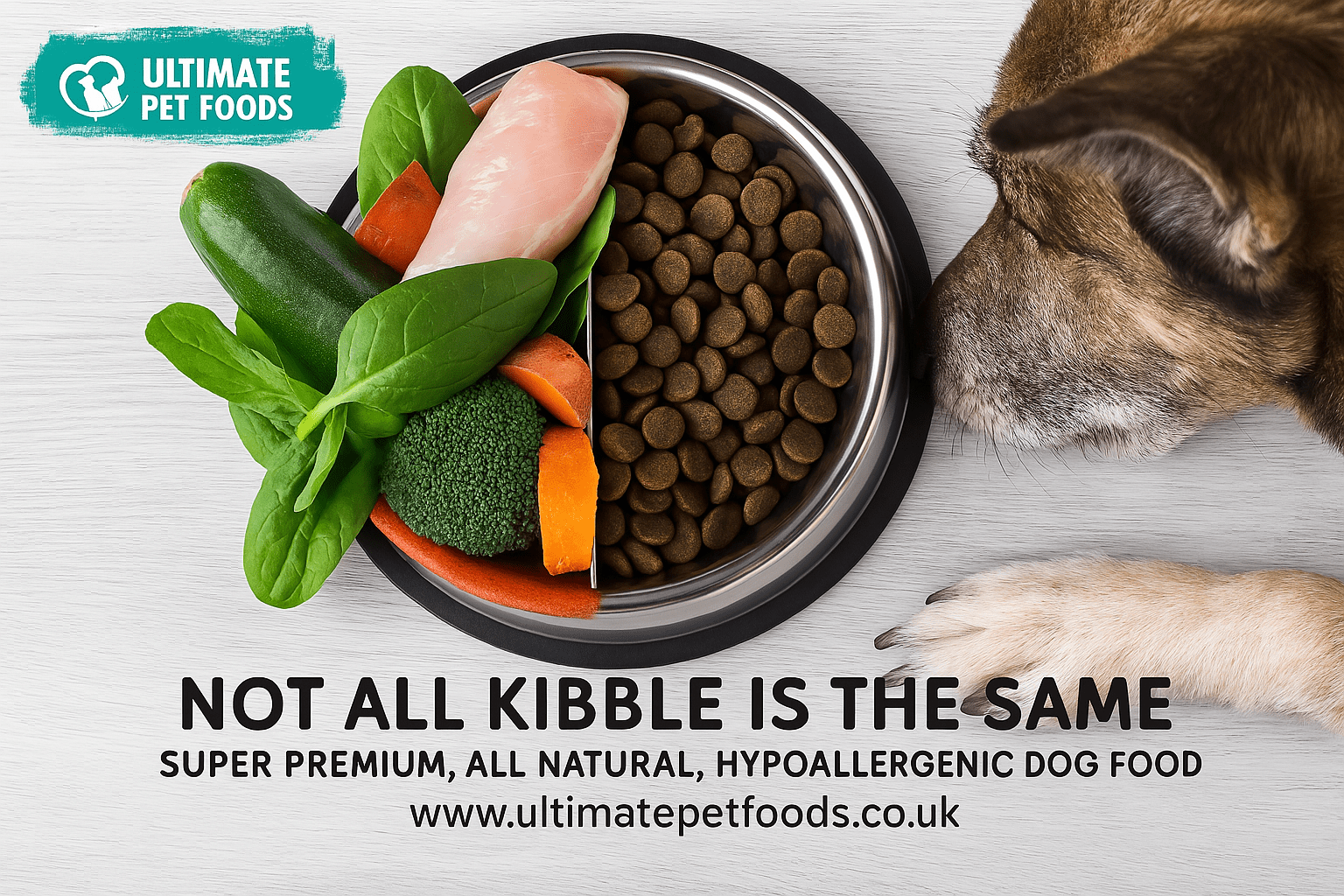
A dog food’s differences begin with its recipe and continue through manufacturing, testing, and labeling. The ingredient list matters, but it is only one part of the full picture.
Ingredients and nutrient sources
Ingredients tell you what goes into the food. They do not always tell you how well the final recipe meets your dog’s needs.
For example, a food may contain chicken as its first ingredient. That sounds useful, but the complete recipe also needs the right amount of fat, calcium, phosphorus, vitamins, and other nutrients.
Some foods use named animal proteins. Others rely more heavily on grains, legumes, potatoes, or plant proteins. Plant ingredients are not automatically bad, but the recipe must provide balanced nutrition for dogs.
Nutritional adequacy
In the United States, a complete and balanced dog food should meet nutrient standards established through recognized nutritional guidelines. Look for a nutritional adequacy statement on the package.
The statement should identify whether the food is complete and balanced for:
• Growth
• Maintenance
• All life stages
• A specific condition, when prescribed by a veterinarian
A treat, topper, or supplemental food may not be nutritionally complete. Feeding too much of it can unbalance the diet.
Calories and portion size
Two dog foods may have different calorie levels even when they appear similar. A dog eating a high calorie food may need a smaller portion than a dog eating a lower calorie recipe.
This matters because weight gain can happen slowly. A few extra bites each day can add up over months. Check the calorie statement and adjust portions based on body condition, activity, age, and veterinary advice.
Processing and texture
Dry kibble, canned food, fresh food, freeze dried food, and raw food are not equal in moisture or processing.
Dry food is convenient and often less costly per meal. Canned food contains more water and may help dogs that prefer soft textures. Fresh and freeze dried foods may appeal to owners who want different ingredients, but they still need to be complete and balanced.
Raw diets also carry special risks. Poorly handled raw meat can contain harmful bacteria, and homemade raw diets may lack key nutrients. The risks can affect both pets and people in the home.
Are expensive dog foods better?
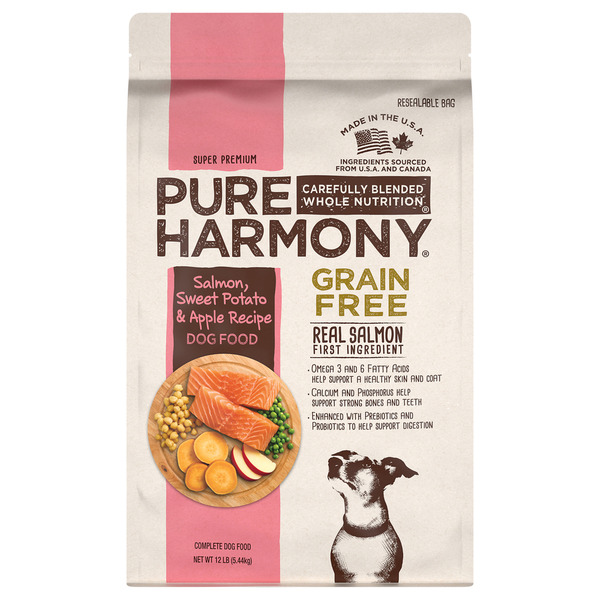
Price alone does not prove that a dog food is better. A high price may reflect specialized ingredients, packaging, supply costs, or marketing. It does not guarantee superior nutrition.
A lower priced food can still meet established nutritional standards. However, price can sometimes reflect better quality control, more testing, carefully selected ingredients, or a specialized formula.
When comparing cost, consider:
• Whether the food is complete and balanced
• The calorie content per cup or can
• The quality of manufacturing controls
• Whether the recipe suits your dog’s life stage
• Your dog’s stool quality, energy, coat, and body weight
• Whether your veterinarian supports the diet
It is also important to compare cost per day, not just cost per bag. A calorie dense food may cost more per bag but less per meal.
The best dog food is not always the most expensive one. It is the food that is safe, complete, appropriate for your dog, and practical for you to feed consistently.
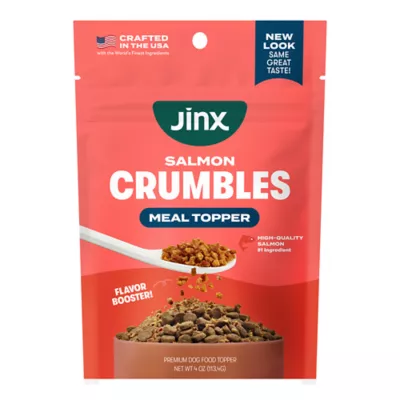
Does the ingredient list tell the whole story?
The ingredient list is useful, but it cannot answer every question about a dog food. Ingredients are listed by weight before cooking, so foods with high water content may appear higher on the list than dry ingredients.
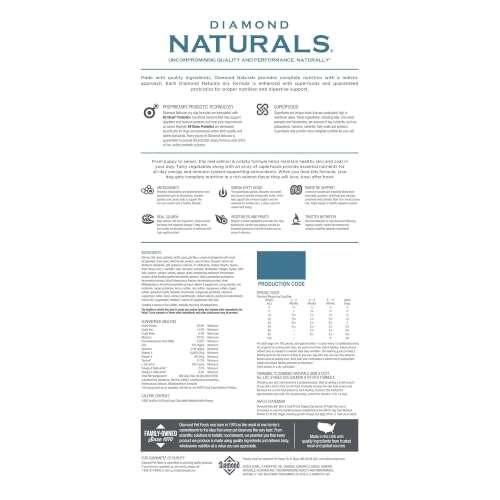
An ingredient list also does not show the exact amount of every nutrient. The guaranteed analysis gives minimum or maximum levels for nutrients such as protein, fat, fiber, and moisture, but it has limits too.
For a clearer review, examine the package in this order:
-
Check the nutritional adequacy statement.
-
Confirm the intended life stage.
-
Review the calorie content.
-
Read the guaranteed analysis.
-
Look for clear feeding instructions.
-
Check the manufacturer’s contact details.
-
Ask whether the company follows strong testing and quality practices.
Marketing terms can also confuse shoppers. Words such as “natural,” “premium,” “holistic,” and “human grade” may have specific legal or industry meanings, but they do not automatically mean the food is nutritionally superior.
A simple ingredient list is not always better. Some long ingredient lists reflect added vitamins, minerals, fiber, and other nutrients needed to create a balanced recipe.
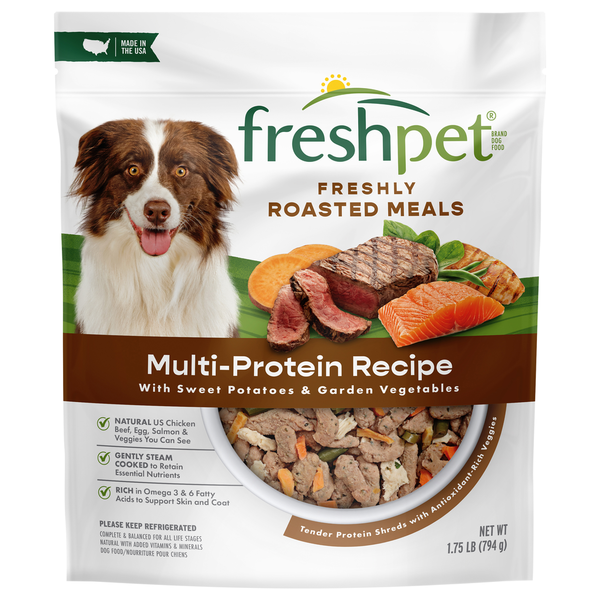
How do dog food types compare?
There is no single best format for every dog. Each type has benefits and limits.
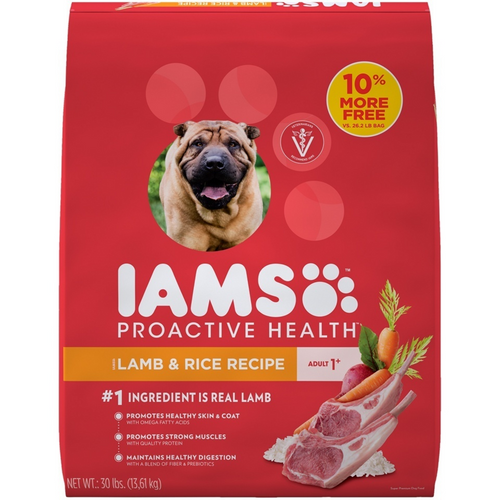
Dry dog food
Dry food is easy to store, simple to measure, and often affordable. Its low moisture level makes it convenient for many households.
Still, dry food is not automatically better for teeth. Some special dental diets may help reduce plaque, but ordinary kibble does not replace tooth brushing or veterinary dental care.
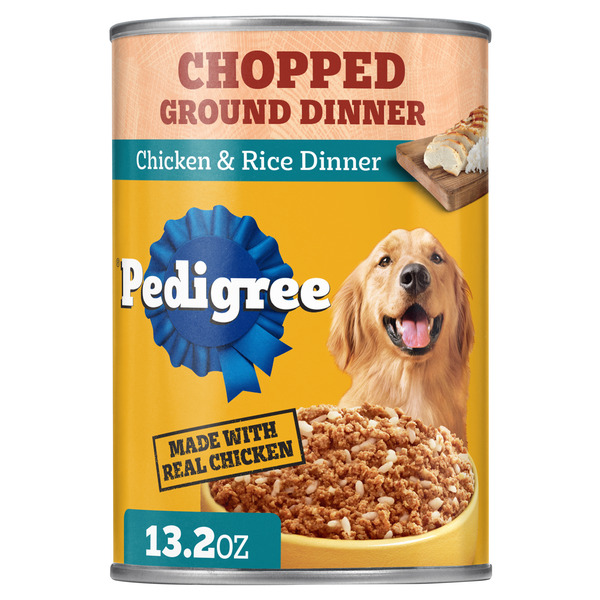
Canned dog food
Canned food contains much more water than dry food. This can help dogs that drink little or prefer a softer meal.
It may cost more per calorie and can spoil faster after opening. Some dogs also gain weight if owners do not adjust portions because canned food can seem less filling.
Fresh or refrigerated food
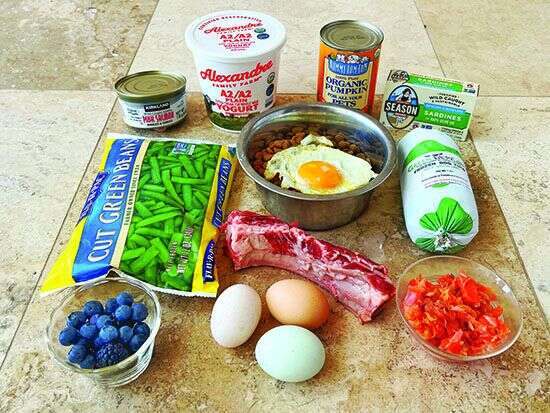
Fresh food may use gently cooked ingredients and can be appealing to some dogs. The key question is whether the recipe is complete and balanced, not whether it looks homemade.
Storage, shelf life, cost, and safe handling are important. Keep refrigerated products cold and follow the package instructions.
Freeze dried food
Freeze drying removes much of the moisture while preserving the food’s shape and flavor. It is light and convenient, but it can be expensive.
Some freeze dried products are meant to be complete meals. Others are only treats or toppers. Read the label carefully.
Homemade dog food
Homemade food can work when it is designed by a veterinary nutrition professional. Recipes found online may be missing calcium, zinc, iodine, vitamin D, or other vital nutrients.
Changing ingredients without recalculating the recipe can create a nutritional imbalance. Homemade diets require careful measuring and regular review.
Raw dog food
Raw diets may carry bacterial risks and can create nutritional problems if poorly formulated. Freezing does not reliably remove every harmful germ.
Families with young children, older adults, pregnant people, or anyone with a weak immune system should be especially cautious. Discuss raw feeding with a veterinarian before making a change.
How should you choose dog food for your pet?
Choosing dog food becomes easier when you focus on your dog first. The right choice depends on age, size, health, activity, preferences, and household needs.
Use this practical process:
-
Identify your dog’s life stage. Puppies, adults, and seniors have different nutrient needs.
-
Consider health conditions. Allergies, obesity, kidney disease, diabetes, and digestive problems may require professional guidance.
-
Look for a complete and balanced statement. Make sure it matches your dog’s life stage.
-
Compare calorie levels. Follow the feeding guide as a starting point, not an unchangeable rule.
-
Check the manufacturer. Ask about nutrition experts, ingredient testing, finished product testing, and recall procedures.
-
Introduce the food slowly. Mix the old and new foods over about seven days unless your veterinarian gives different advice.
-
Monitor your dog. Watch body weight, stool quality, energy, appetite, skin, and coat.
A food that works beautifully for one dog may cause loose stool or itching in another. Dogs are individuals, and their response matters.
One common mistake is switching foods too quickly because a package promises fast results. A gradual change gives the digestive system time to adjust and makes it easier to identify the cause of a problem.
What should you avoid when comparing dog foods?
Many buying mistakes come from focusing on one detail. A food should be judged as a complete product, not by one ingredient or one slogan.
Avoid these common traps:
• Choosing food only because meat appears first on the ingredient list
• Assuming grain free always means healthier
• Treating a “premium” label as proof of superior nutrition
• Feeding a puppy an adult maintenance diet
• Giving large amounts of treats or toppers
• Changing food suddenly
• Trusting online testimonials over veterinary guidance
• Using a homemade recipe without professional formulation
Grain free food is not automatically safer or better. Dogs can digest properly cooked grains, and grains can provide useful nutrients. Some grain free diets have been investigated because of reports involving diet associated heart disease, but the issue is complex and should not be reduced to one ingredient.
If your dog has itching, vomiting, diarrhea, weight loss, or low energy, do not assume the food is the only cause. Parasites, infections, allergies, stress, and other medical conditions can cause similar signs.

When should a veterinarian help choose the diet?
Veterinary advice is especially important when your dog has a medical condition or unusual nutritional needs. A veterinarian can assess body condition, blood work, symptoms, and feeding history.
Seek professional help if your dog has:
• Repeated vomiting or diarrhea
• Sudden weight gain or weight loss
• Kidney, liver, heart, or pancreatic disease
• Diabetes
• A suspected food allergy
• Poor growth as a puppy
• Trouble chewing or swallowing
• A history of urinary stones
Prescription diets are designed for specific medical goals. They are not interchangeable with ordinary foods that use similar marketing words.
For example, a “senior” food is not the same as a prescription kidney diet. A “sensitive stomach” formula is not the same as a diet created for inflammatory bowel disease.
Your veterinarian can also help calculate daily calories. This is useful for dogs that are overweight, highly active, pregnant, nursing, or recovering from illness.

How can you tell if a dog food is working?
A suitable diet should support steady health over time. You do not need to judge it by a shiny bag or dramatic advertising claim.
Signs that a food may suit your dog include:
• Stable body weight
• Firm, regular stools
• Good energy
• A healthy skin and coat
• Normal appetite
• No repeated digestive upset
• Healthy growth in puppies
Body condition is one of the most useful measures. You should be able to feel your dog’s ribs without pressing hard, while the ribs should not be clearly visible in most breeds.
Keep a simple food log when changing diets. Record the food, portion, treats, stool quality, weight, and any symptoms. This turns guesswork into useful information for you and your veterinarian.
The goal is not to find a magical food. The goal is to find a safe, balanced diet that your dog can eat comfortably and that you can provide consistently.
Are all dog foods the same? Key facts to remember
Are all dog foods the same? No, and the differences can affect your dog’s health. The most important factors are nutritional adequacy, life stage, calorie content, manufacturing quality, and suitability for individual health needs.
A few simple rules can guide you:
• Read the nutritional adequacy statement.
• Choose food for the correct life stage.
• Do not judge quality by price alone.
• Treat marketing words with caution.
• Change diets gradually.
• Keep treats within a reasonable share of daily calories.
• Ask a veterinarian about medical diets and persistent symptoms.
The label is a starting point, not the final answer. Your dog’s long-term health provides the most useful feedback.
Frequently Asked Questions About Are All Dog Foods the Same
Is all dog food nutritionally equal?
No. Dog foods can differ in nutrient levels, calorie density, ingredients, digestibility, and safety controls. Choose a product that is complete and balanced for your dog’s life stage.
Can dogs eat the same food at every age?
Not always. Puppies need nutrients that support growth, while adult and senior dogs may need different calorie and nutrient levels. Follow the life stage listed on the package or your veterinarian’s advice.
Is expensive dog food healthier?
Not necessarily. Price does not guarantee better nutrition, although some higher priced foods may include specialized recipes or additional testing. Judge the complete formula, manufacturer practices, and your dog’s response.
Is grain free dog food better for dogs?
Grain free does not automatically mean healthier. Many dogs digest grains well, and grains can provide useful nutrients. Use a grain free diet only when there is a clear reason and professional guidance.
Can I mix wet and dry dog food?
Yes, many dogs can eat a combination of wet and dry food. Adjust the total amount so your dog does not receive too many calories, and confirm that both foods are complete and balanced if they make up most of the diet.
How often should I change my dog’s food?
You do not need to change a complete and balanced food if your dog is healthy and doing well. If you switch foods, make the change gradually over about seven days to reduce digestive upset.
Are homemade dog diets safe?
They can be safe when properly formulated and followed. Many casual recipes lack important nutrients, so consult a veterinary nutrition professional before making a homemade diet your dog’s main food.
Conclusion
Are all dog foods the same? Clearly, no. Foods differ in ingredients, nutrient balance, calories, processing, safety, and suitability for each dog.
Look beyond the front of the bag. Check the life stage, nutritional adequacy statement, calorie content, feeding guide, and manufacturer information. Then monitor your dog’s weight, stool, energy, skin, and overall comfort.
A thoughtful choice does not need to be confusing or expensive. Use these steps to compare foods with confidence, ask your veterinarian for help when needed, and share your experience or questions in the comments.

Pet Care Writer & Researcher
Daniel writes practical guides on daily care, feeding, and safety, turning complex topics into simple, actionable advice.